Four years after president’s pledge, his would-be successors are divided on how to tackle rising guerrilla attacks
T
he landmark 2016 peace deal between the Colombian government and the largest insurgent army in Latin America succeeded in some ways: the Revolutionary Armed Forces of Colombia (Farc) agreed to lay down their weapons, and the violence that had racked the country was substantially reduced.
But the deal alone could not end the decades-long armed conflict for good. Subsequent administrations slow-walked the implementation of the settlement, which was rejected by Farc dissidents and other rebel factions.
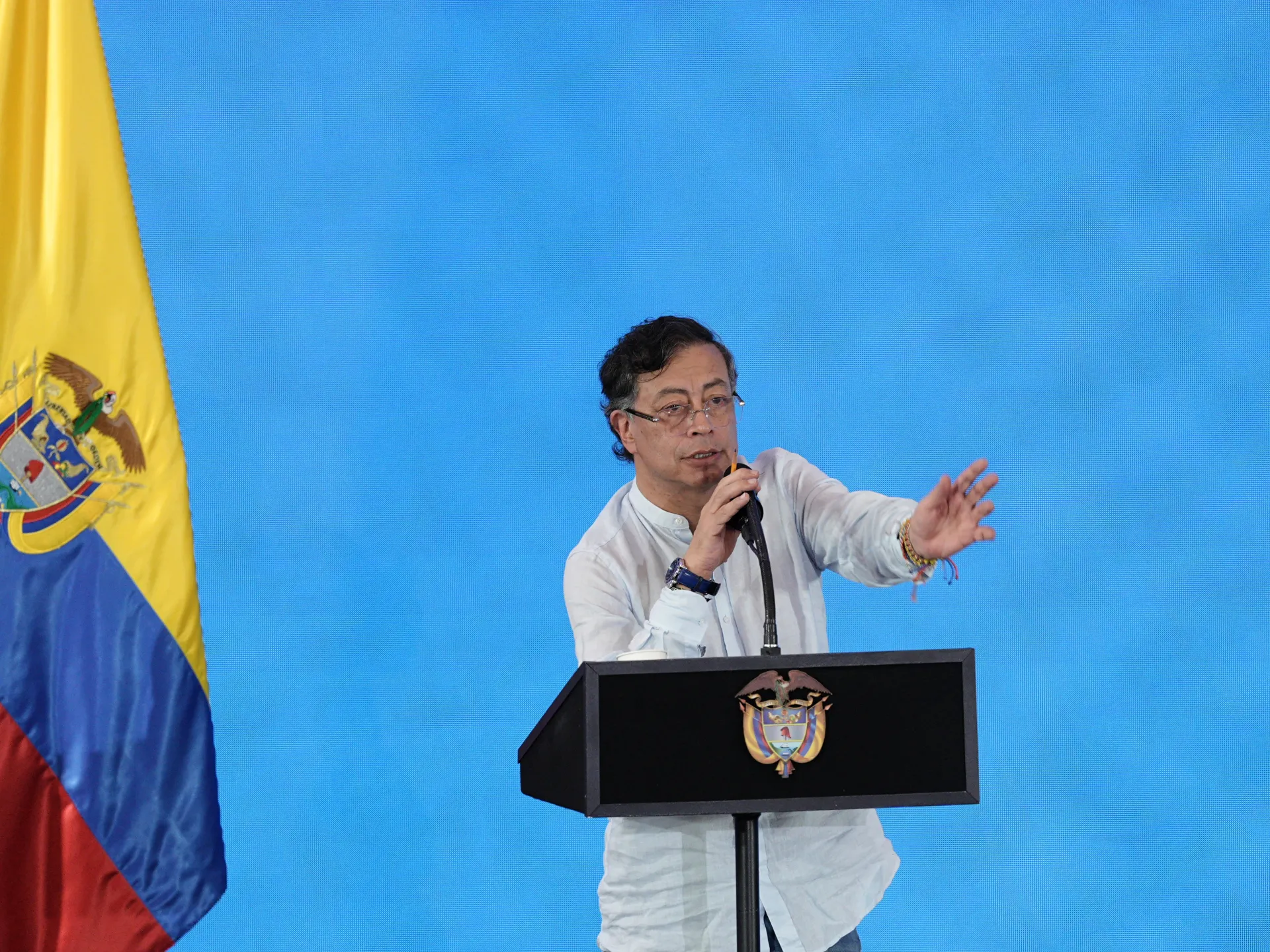
When Gustavo Petro, a former member of another rebel faction, became president in 2022, he pledged to achieve “total peace”, signing deals with all of the country’s armed groups, including leftwing rebels and organised crime factions.