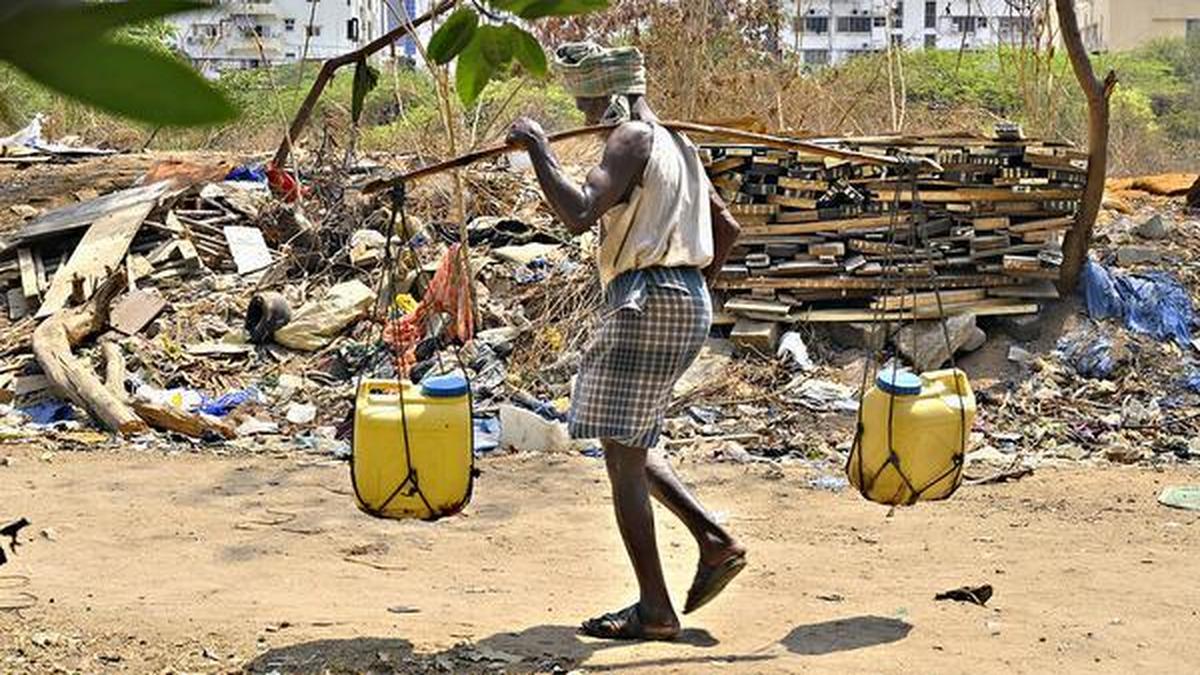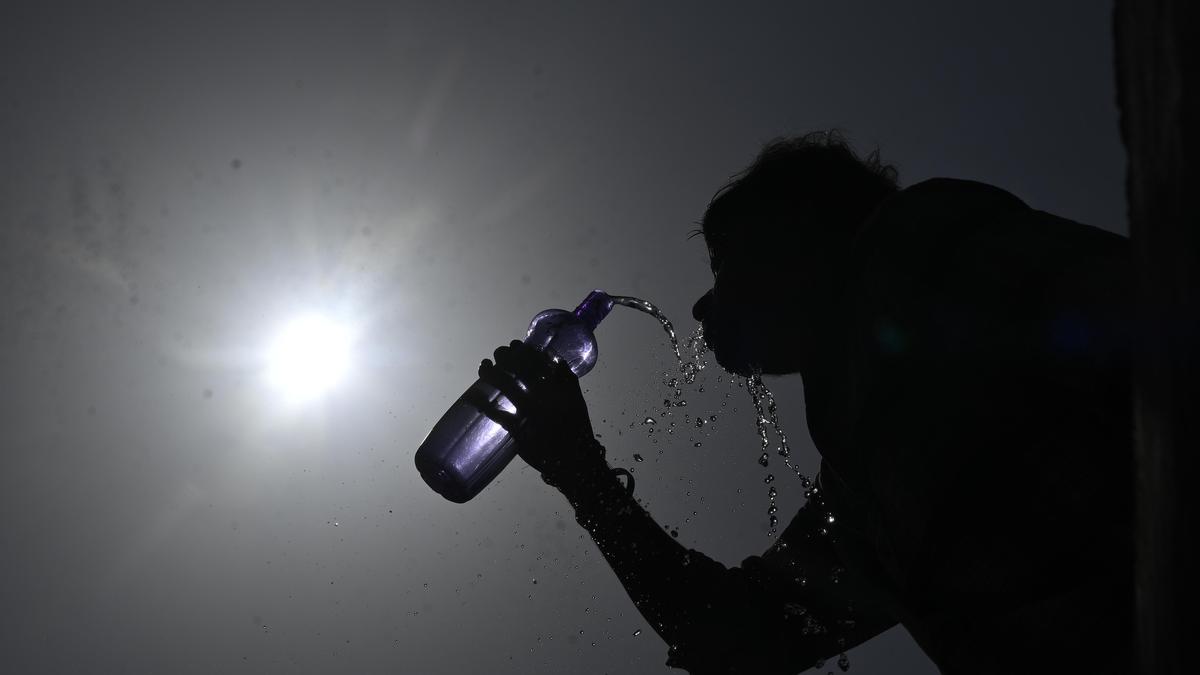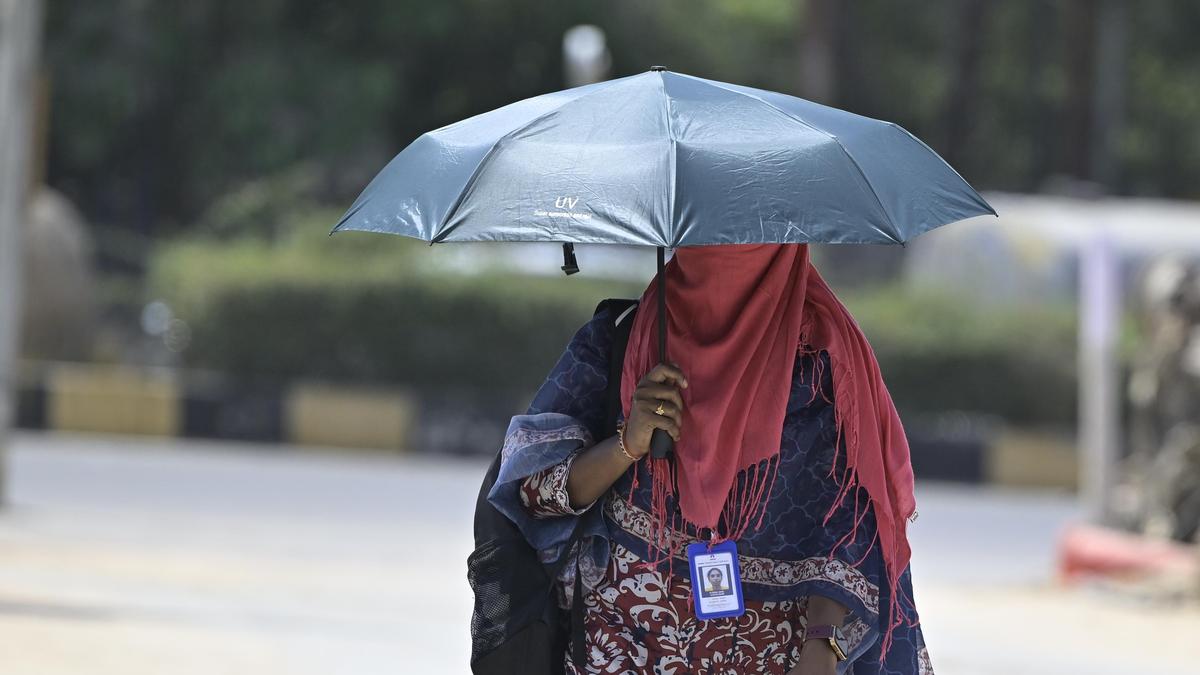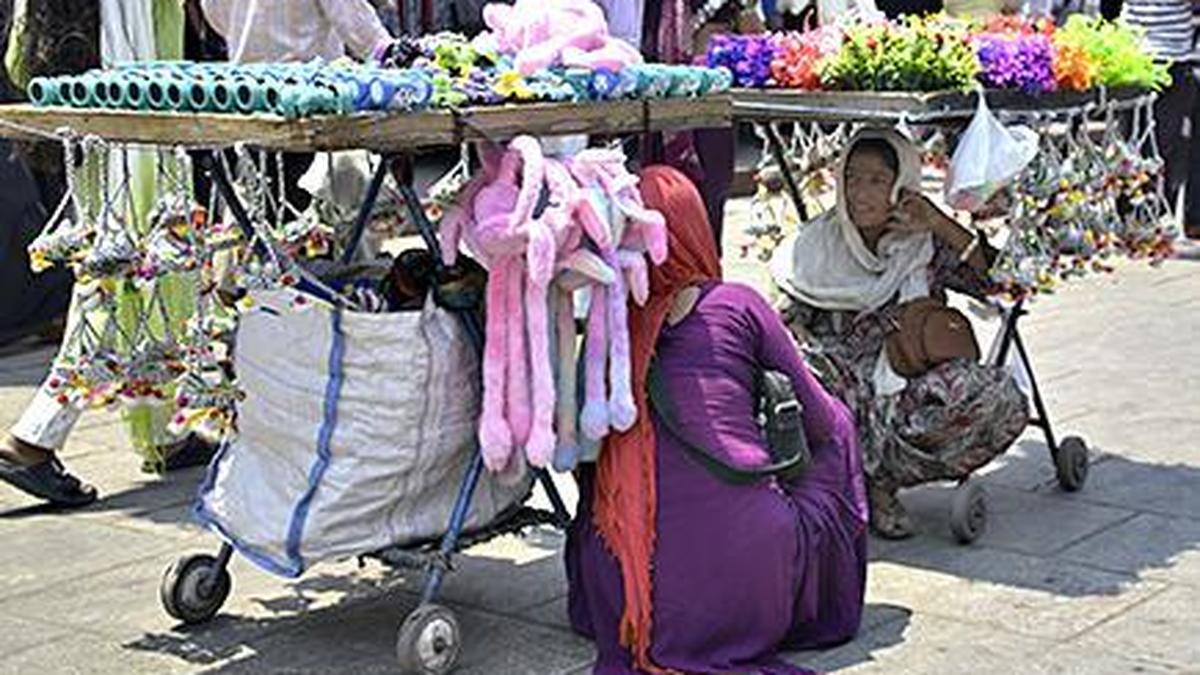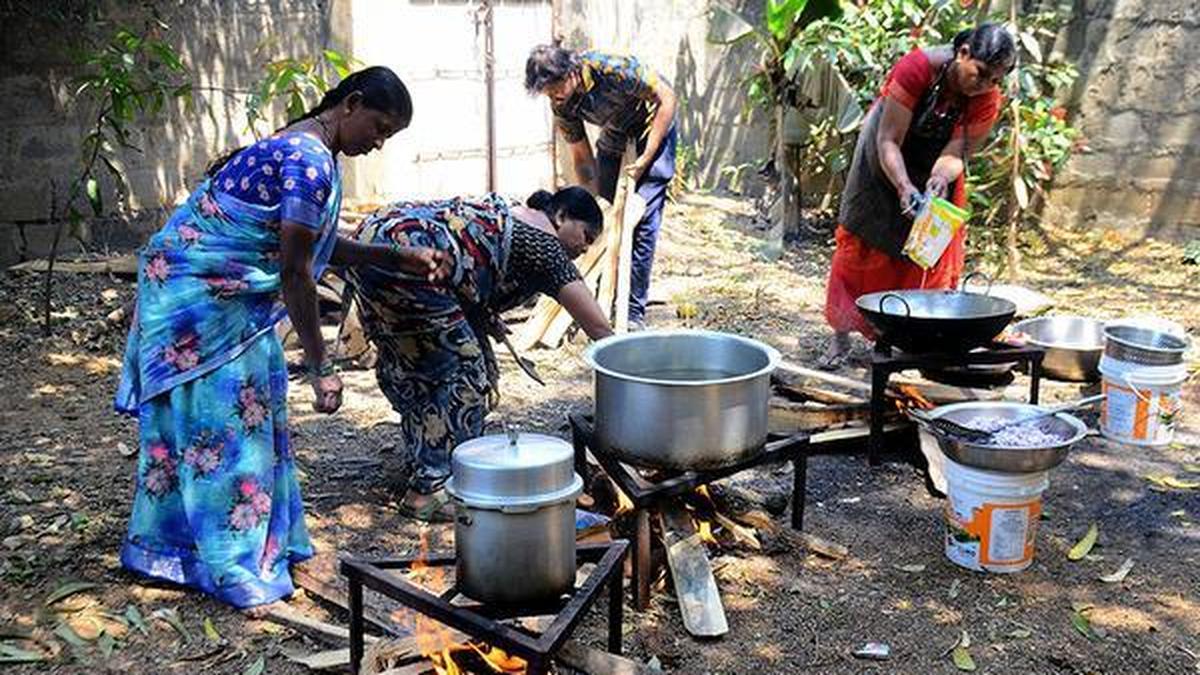
Women spend long hours cooking in open or semi-covered areas, which increases the risk of heat stress and illness during peak summer. The image is used for representative purposes only.
| Photo Credit: MOHD ARIF
When temperatures rise across Telangana, the heat is not experienced equally. Step into a typical household in summer, and the difference becomes clear. For many women, especially in rural and low-income settings, the day unfolds in spaces that are heat-prone, from kitchens to poorly ventilated work areas. As Telangana’s Heatwave Action Plan 2026 points out, this means that for them, the ongoing summer is not just hotter, but harder in ways that often go unseen.Spaces which increase heat stressIt often starts at home. The action plan points to a common but overlooked factor: the presence of kitchens located outside the main living space. In many households, women spend long hours cooking in open or semi-covered areas. During peak summer, these spaces can become significantly hotter than ambient conditions, increasing the risk of heat stress and illness.What makes this exposure different?The action plan notes that heat stress depends on a combination of factors including humidity, occupation, clothing, and the nature of the living environment. For women engaged in domestic work in spaces without cooling or ventilation, these factors come together to create sustained exposure throughout the day. Even temperatures around 37°C to 38°C can become dangerous when humidity is high, as the body struggles to cool itself, as per the document.Who is most at risk?The plan identifies pregnant women among the most vulnerable groups during heatwaves, alongside children and the elderly.The impactProlonged exposure can lead to dehydration, heat exhaustion and more serious conditions, particularly in settings where access to timely medical care may be limited.How does heat affect care and nutrition?The impact does not stop at individual health. Across Telangana, 31,897 main Anganwadi centres and 4,076 mini centres are vulnerable to heatwave conditions. These centres play a key role in providing nutrition and care services to pregnant women and young children. When extreme heat disrupts these services, access to cooked meals and childcare support can be affected, increasing the burden on women who are often primary caregivers.What happens beyond the household?Heatwaves ripple outward. Reduced working hours, especially in agriculture and other outdoor sectors, can affect household incomes. Pressure on water and sanitation systems during peak summer can further complicate daily routines. These indirect impacts, can have a cascading effect on health, nutrition and overall well-being, as per the action plan.What did Telangana propose?The Heatwave Action Plan proposes measures such as early warning systems, public awareness campaigns, and improved coordination between departments to reduce risks. While these are aimed at the population as a whole, the document underlines the need to focus on those who face greater exposure. Published - May 05, 2026 01:22 pm IST