To learn more about the CNBC CFO Council, visit cnbccouncils.com/cfo
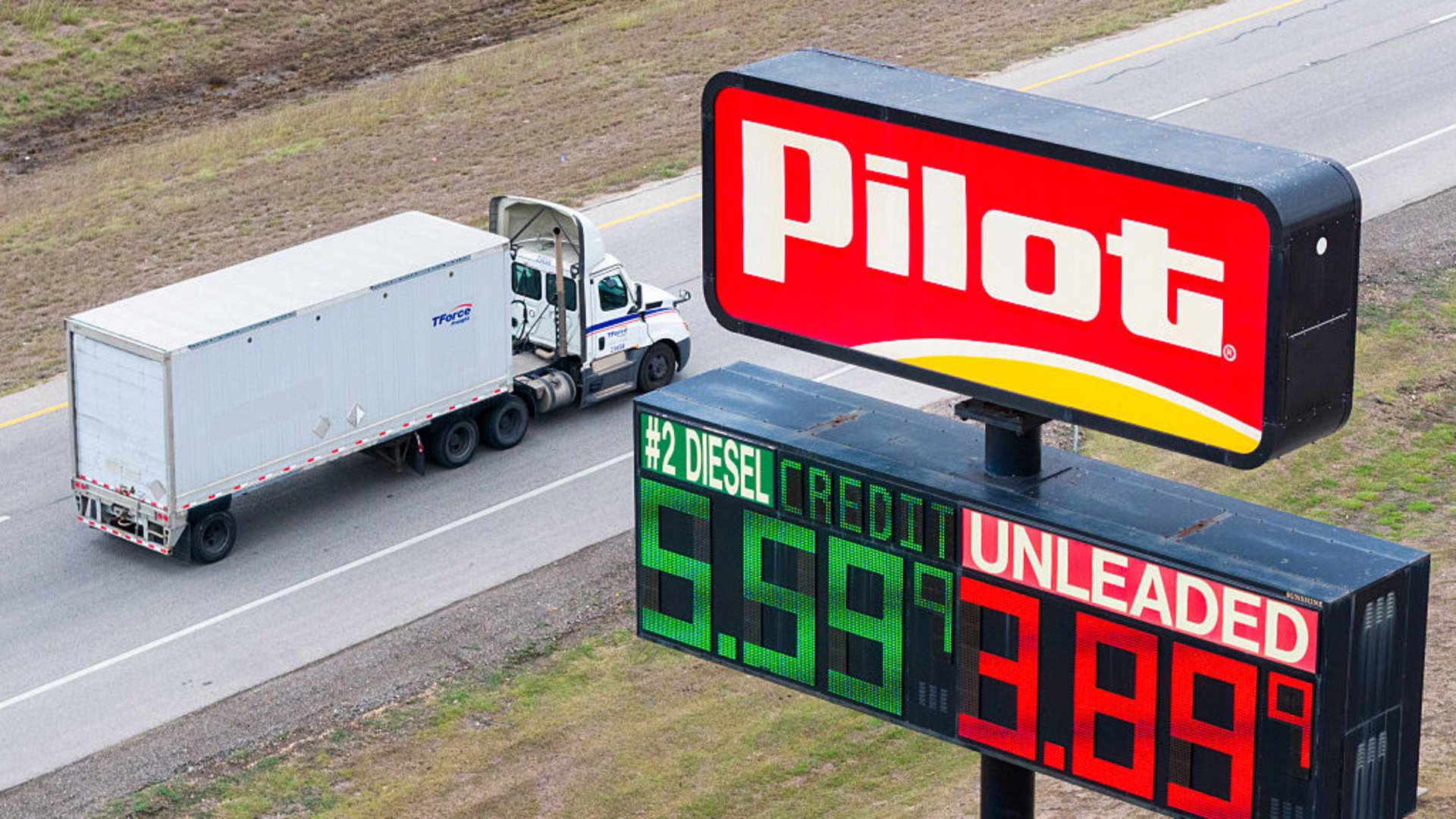
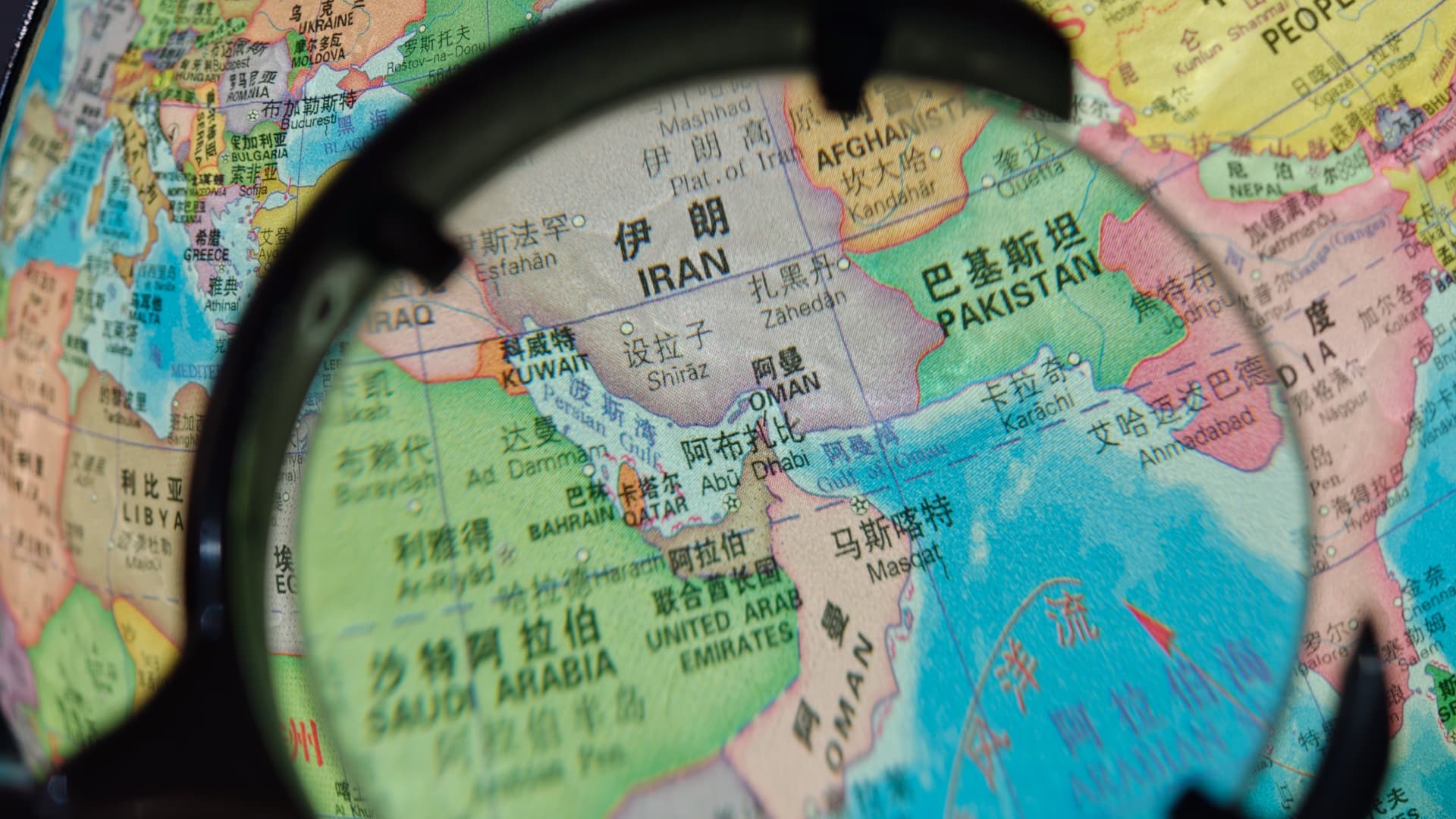
The closure of the Strait of Hormuz has caused a worldwide economic ripple effect, hiking prices of everything from gas to pharmaceuticals and causing shortages of everything from jet fuel to helium. That is impacting big companies in the market in a variety of ways, from the oil majors to the airlines. But the closure may also be impacting something else: your credit score.
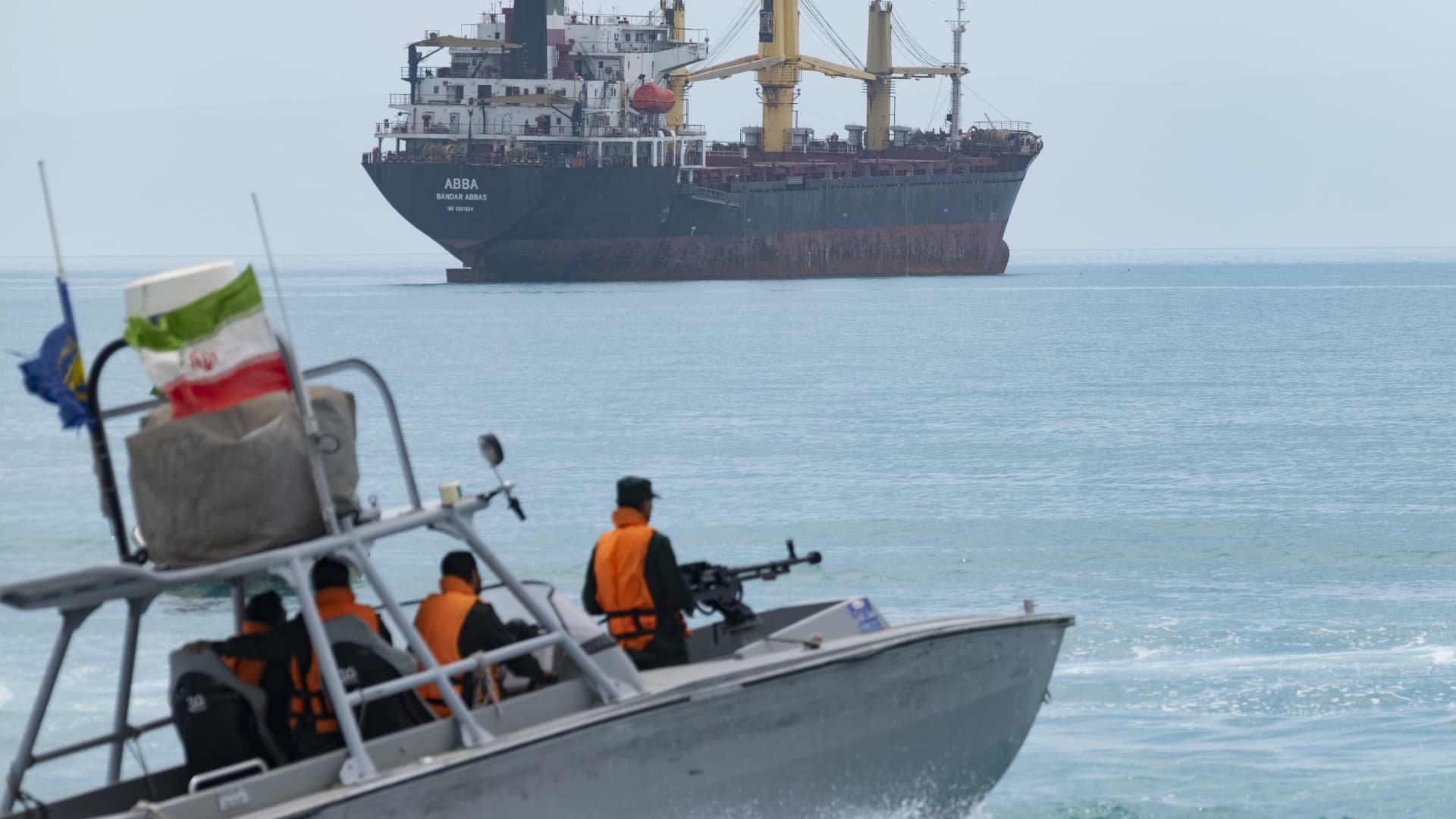
The stalemate between the U.S. and Iran over the heavily mined strait, which some CEOs say may not be fully open for another year, isn’t causing your credit score to drop, but it is causing banks and other lending institutions to monitor consumer credit more closely and tighten their approval processes.
“Nobody’s credit score dropped because of Iran. But try getting approved for a mortgage right now with a 670 FICO and see what happens,” said Alexander Katsman, CEO and founder of Credit Booster AI, an AI-powered credit improvement platform.
The types of credit events that bankers talk about publicly are the ones that are theoretical in nature, like JPMorgan CEO Jamie Dimon warning this week that “We haven’t had a credit recession in so long, so when we have one, it would be worse than people think. It might be terrible.”