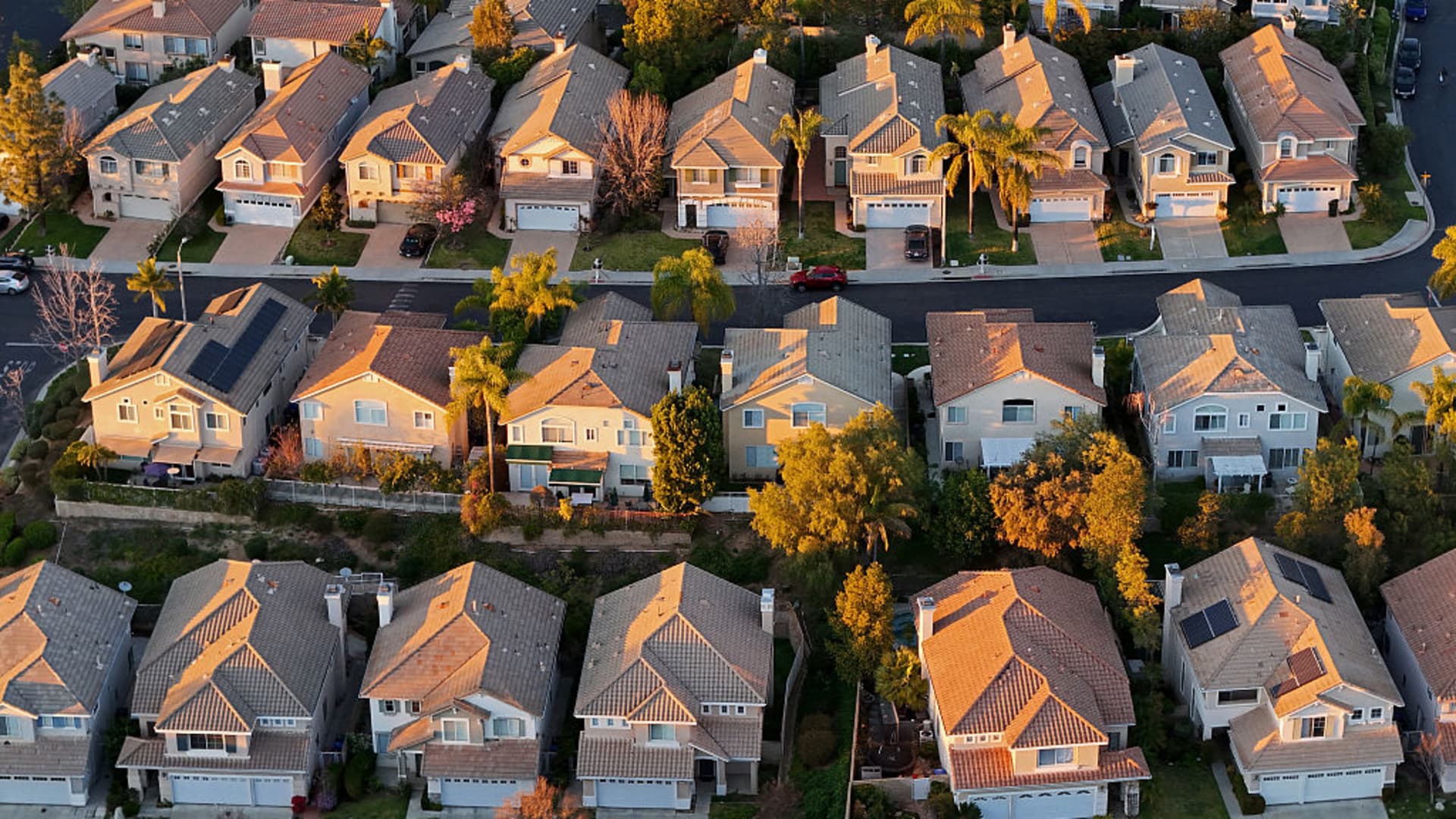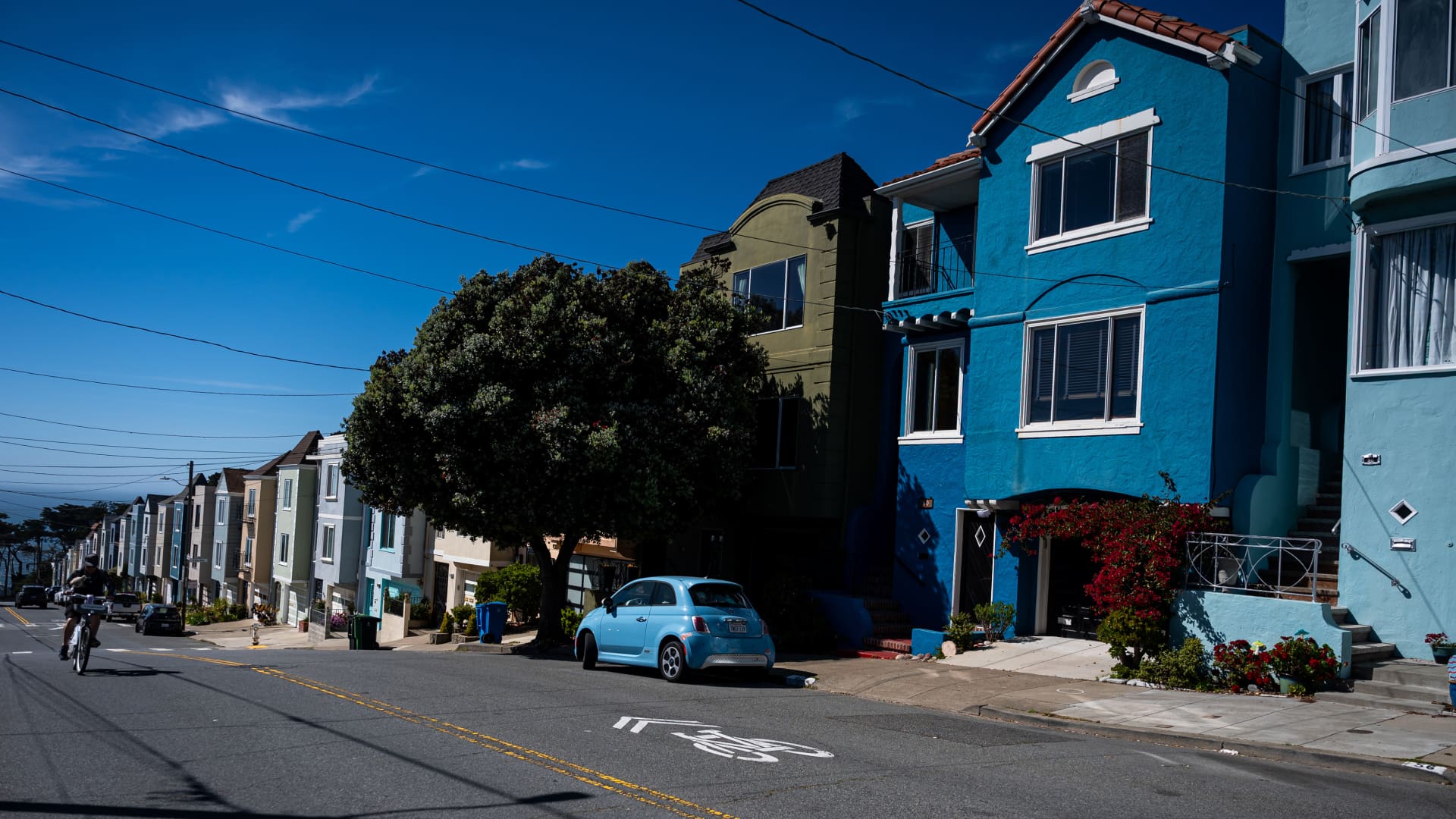
The immediate impact of the war with Iran on the U.S. housing market has been a sharp rise in mortgage rates. One day before the strikes began, the average rate on the 30-year fixed loan was 5.99%, according to Mortgage News Daily. It is now hovering around 6.5%.
Higher rates have curtailed what was expected to be an improvement in affordability. Not only were mortgage rates falling before the war, but home price gains were shrinking and the supply of houses for sale was rising. All of those favored buyers, who had been up against a tight and pricey market.
As interest rates rose last week, applications for a mortgage to buy a home dropped 5% from the previous week, according to the Mortgage Bankers Association. But it’s not just mortgage rates.
Zillow had forecast a 4.3% gain in sales of existing homes this year, compared with last year.
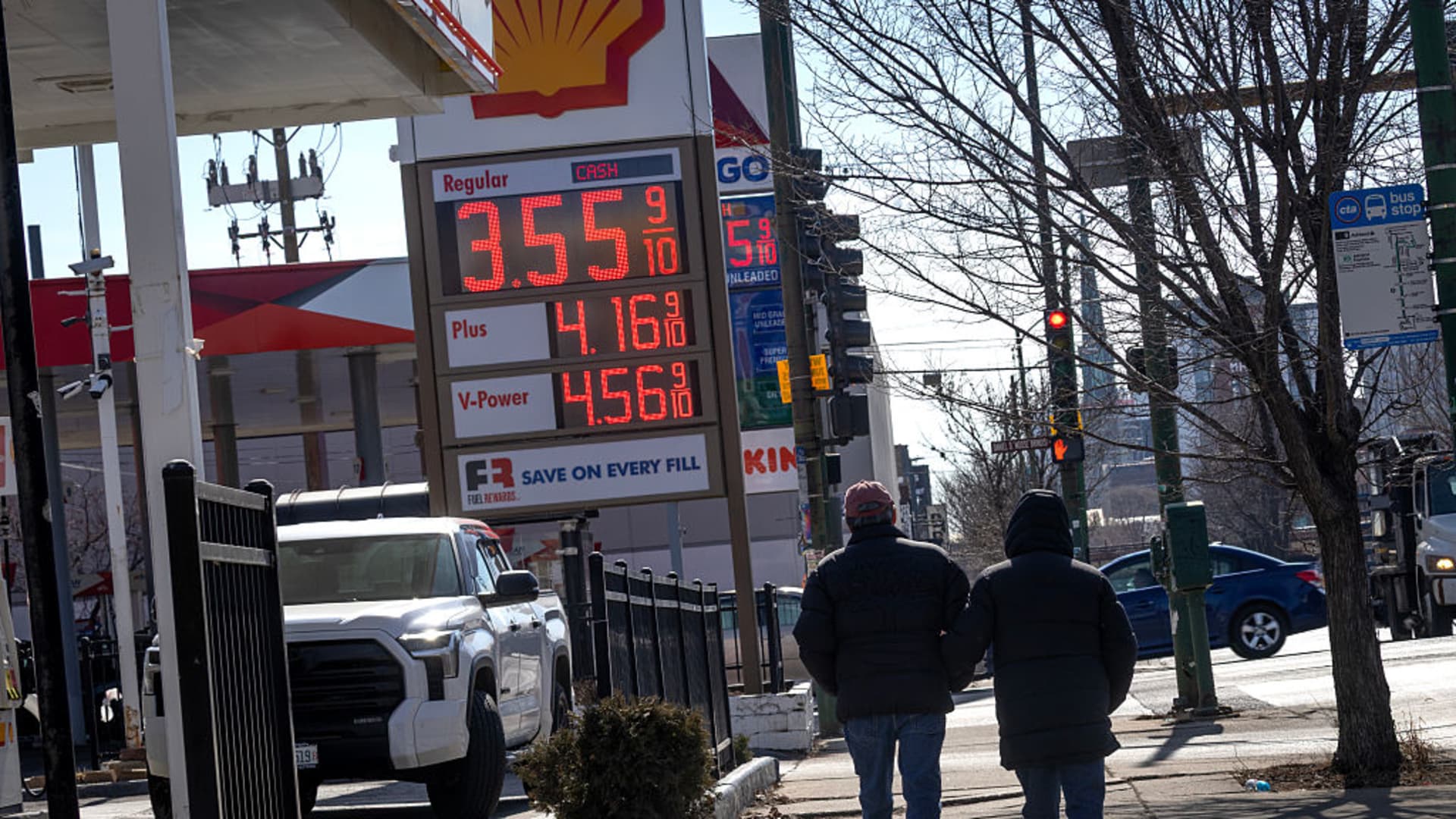
“While that of course would not be a strong market, it would represent a market that had turned a corner, with 2026 acting as a ‘reset’ year,” wrote Mischa Fisher, Zillow’s chief economist, in a report Tuesday. “However, new uncertainty has emerged via energy prices and inflation concerns, adding fresh complexity to our outlook.”