To learn more about the CNBC CFO Council, visit cnbccouncils.com/cfo
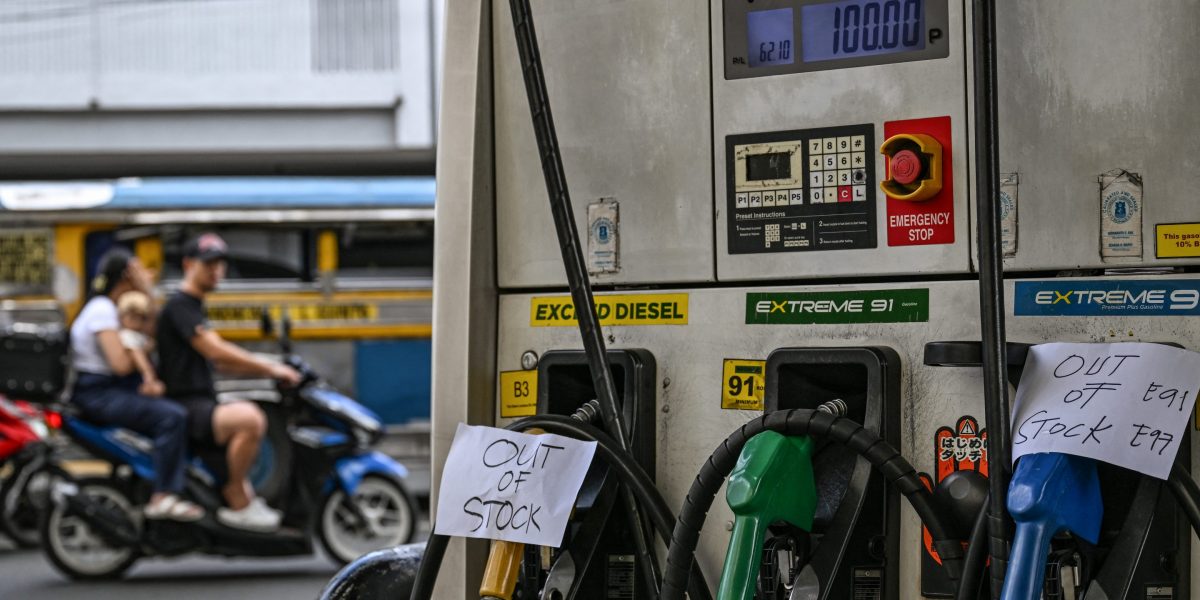
The closure of the Strait of Hormuz by Iran is a military strategy with vast consequences for the global economy, not just in the form of higher oil prices
, but with disruptions in supply chains involving metals and manufacturing, and farming and food prices. And at some point in the future, supply chain experts say, Iran’s attempt to choke of the strait will also hit American medicine cabinets. The only question is exactly how long existing stockpiles of prescriptions of generic drugs can last before the U.S.-Iran war becomes a significant health issue in the U.S.
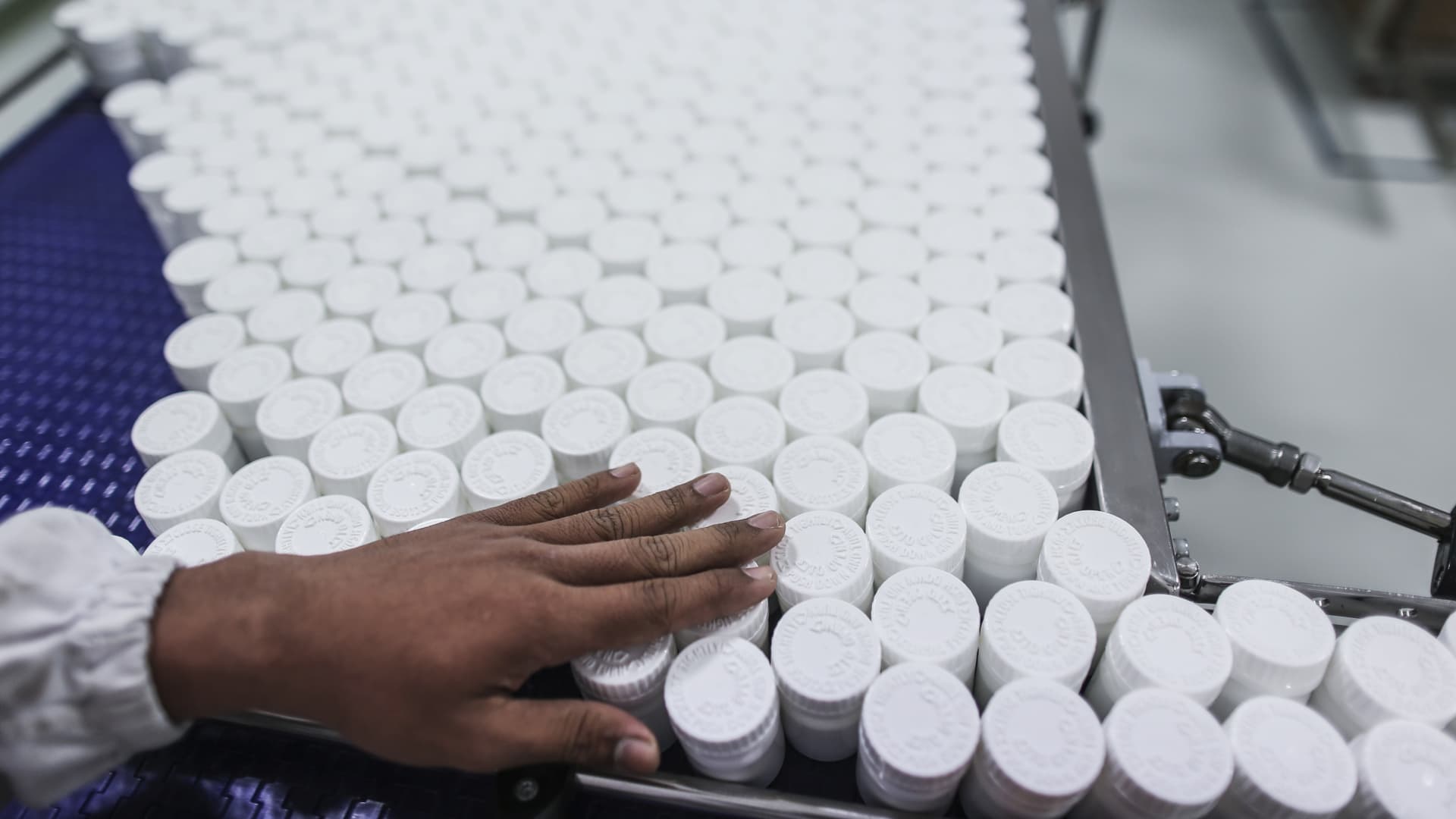
The connection between a Middle Eastern sea chokepoint and a U.S. pharmacy counter is less obvious than it might seem — and more direct than most consumers realize. The U.S. gets nearly half of its generic prescriptions from India — roughly 47 percent by volume, according to Rohit Tripathi, vice president of industry strategy for manufacturing at RELEX Solutions, a Helsinki-based pharmaceuticals supply chain planning software company. India, in turn, depends on the Strait of Hormuz for around 40 percent of its crude oil imports. “That oil ultimately feeds into the petrochemical inputs used throughout pharmaceutical manufacturing. So even though American consumers are not buying medicines directly from the Gulf, they are still at the end of a supply chain that runs through it,” Tripathi said.