Thriving punk culture seen as response to frustrations at unemployment, urban violence, police brutality and deprivation
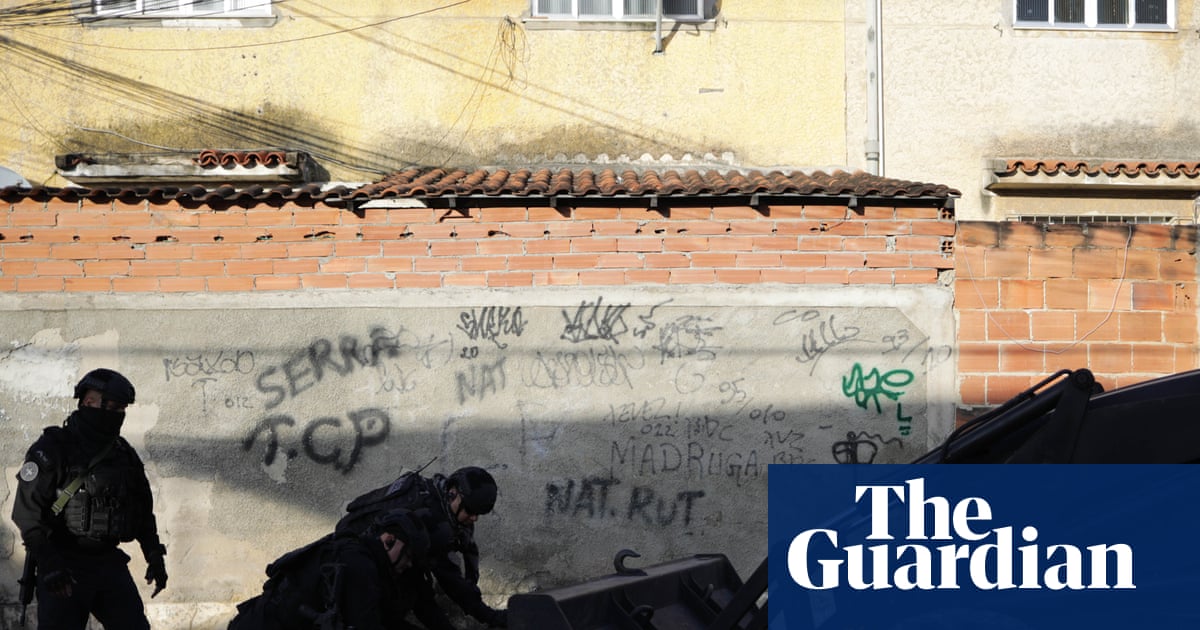
As black-clad police combatants charged into the hillside favela and opened fire, a black-clad punk scurried out of the community in the opposite direction, his hands trembling from fright.
“Holy shit! All those guns! Things are getting ugly!” spluttered Rodrigo Cilirio, the founder and bassist of one of Rio’s most enduring punk bands, as he took cover behind a tree.
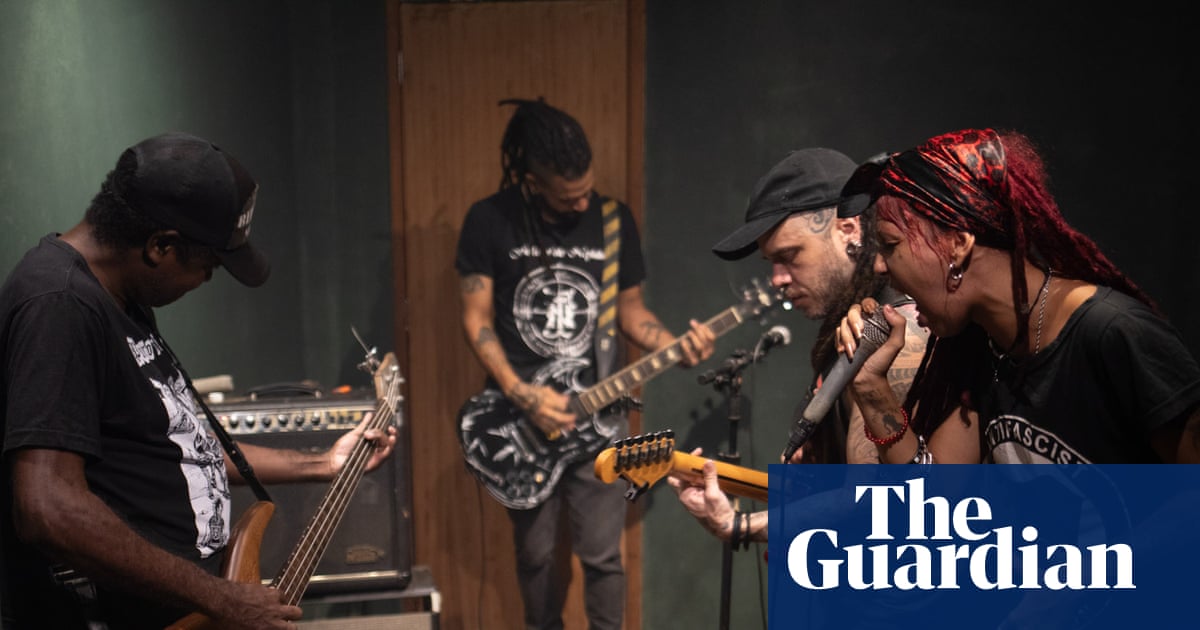
It was here in the Morro da Lagartixa on Rio’s volatile northside that Cilirio’s group, Repressão Social (Social Repression), was born just over 30 years ago: a howl of rage against the relentless cycle of urban violence, police brutality, deprivation and discrimination that continues to plague the outskirts of Brazil’s largest cities.
“[Punk] is my way of letting it all out so I don’t choke to death. It’s my voice,” Cilirio, 47, explained while waiting for the gunfire to subside near the favela where he grew up.