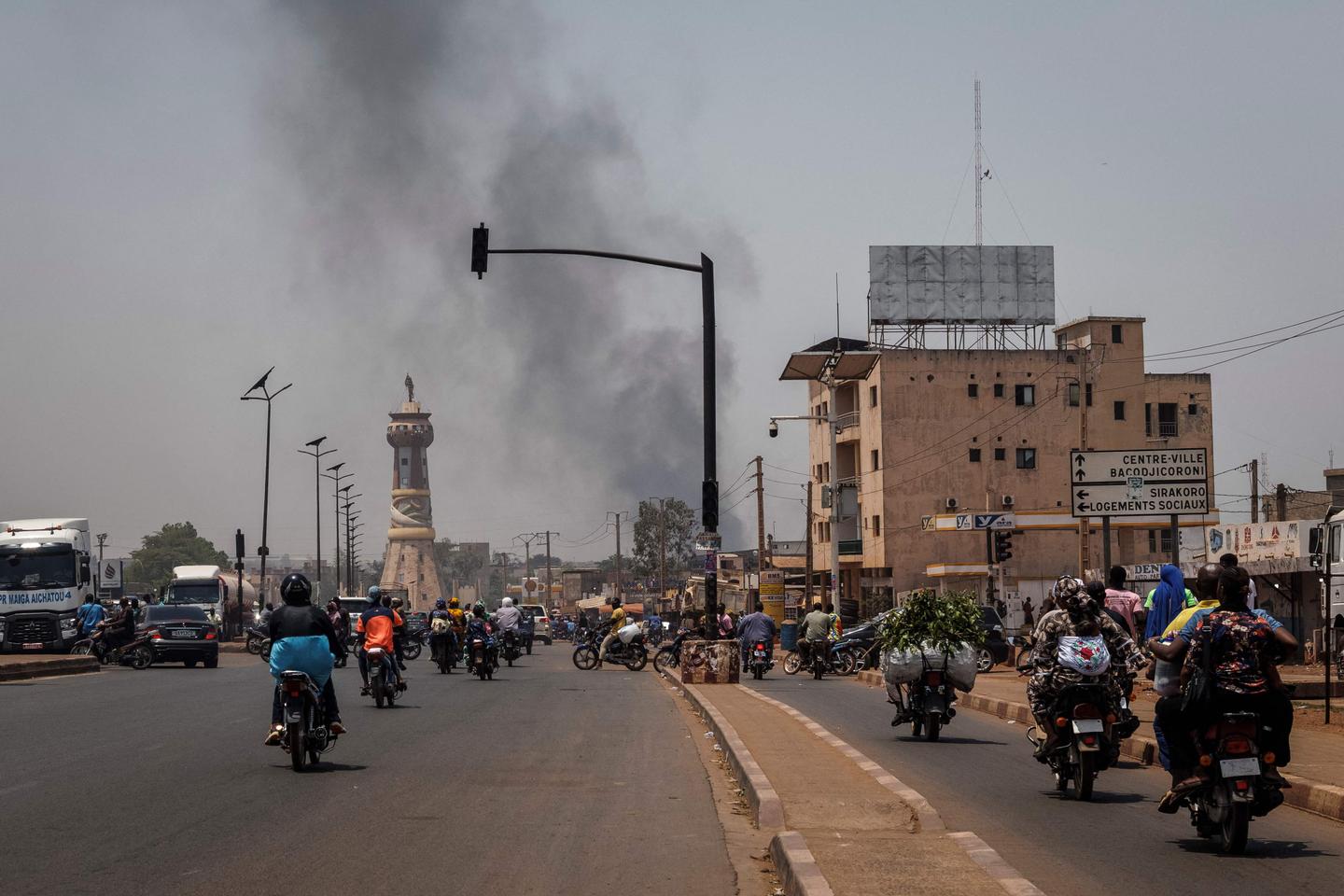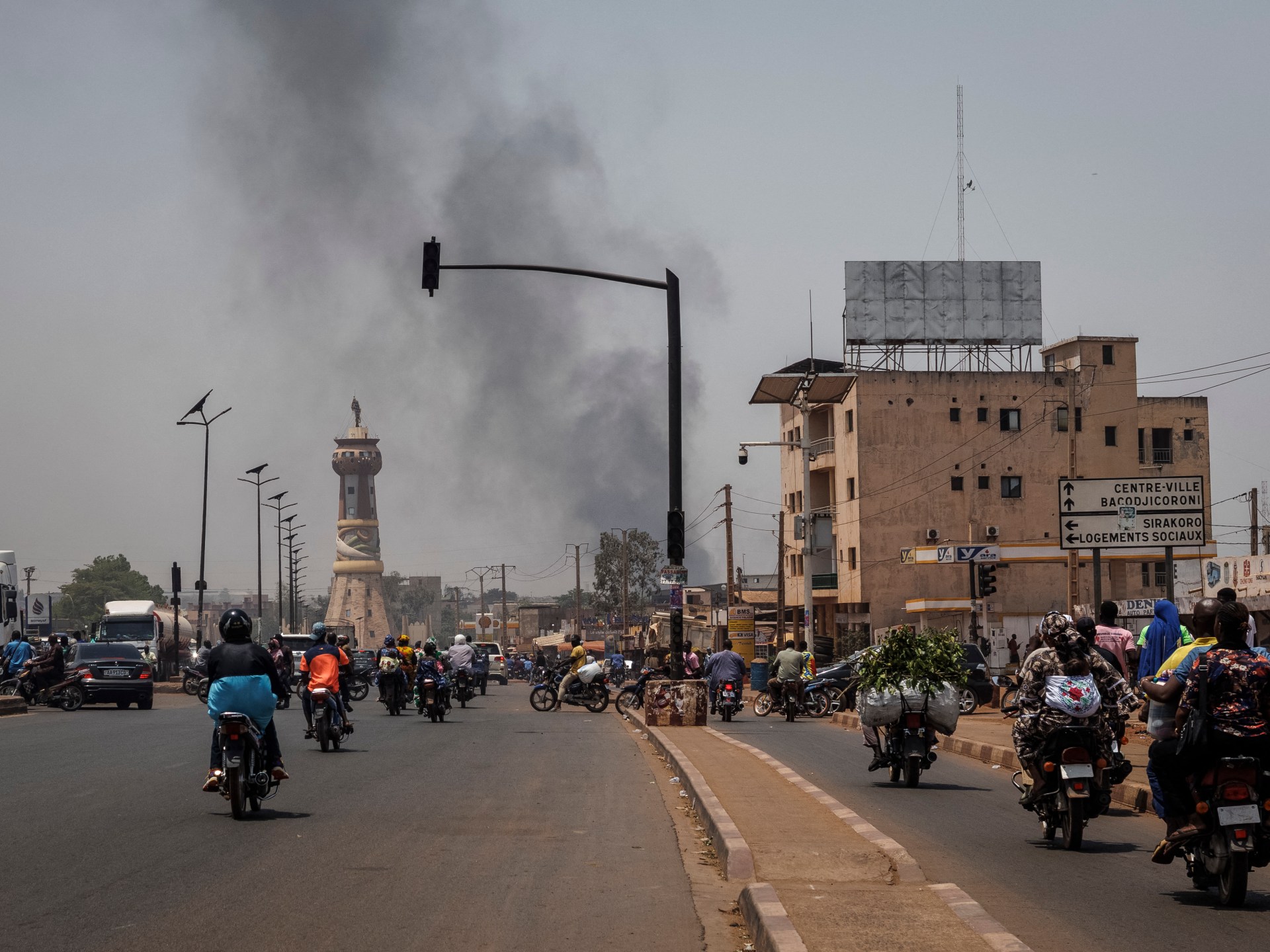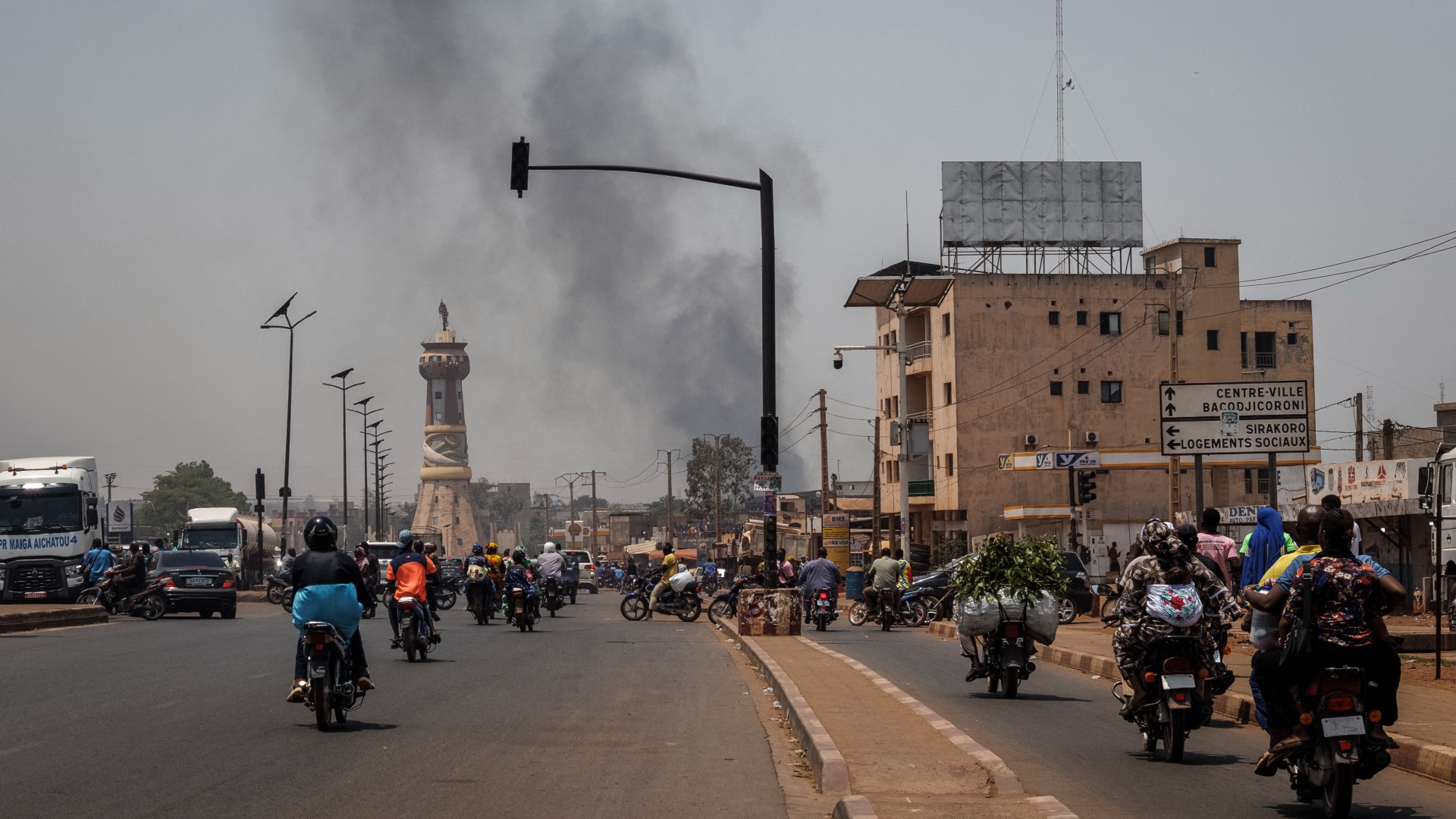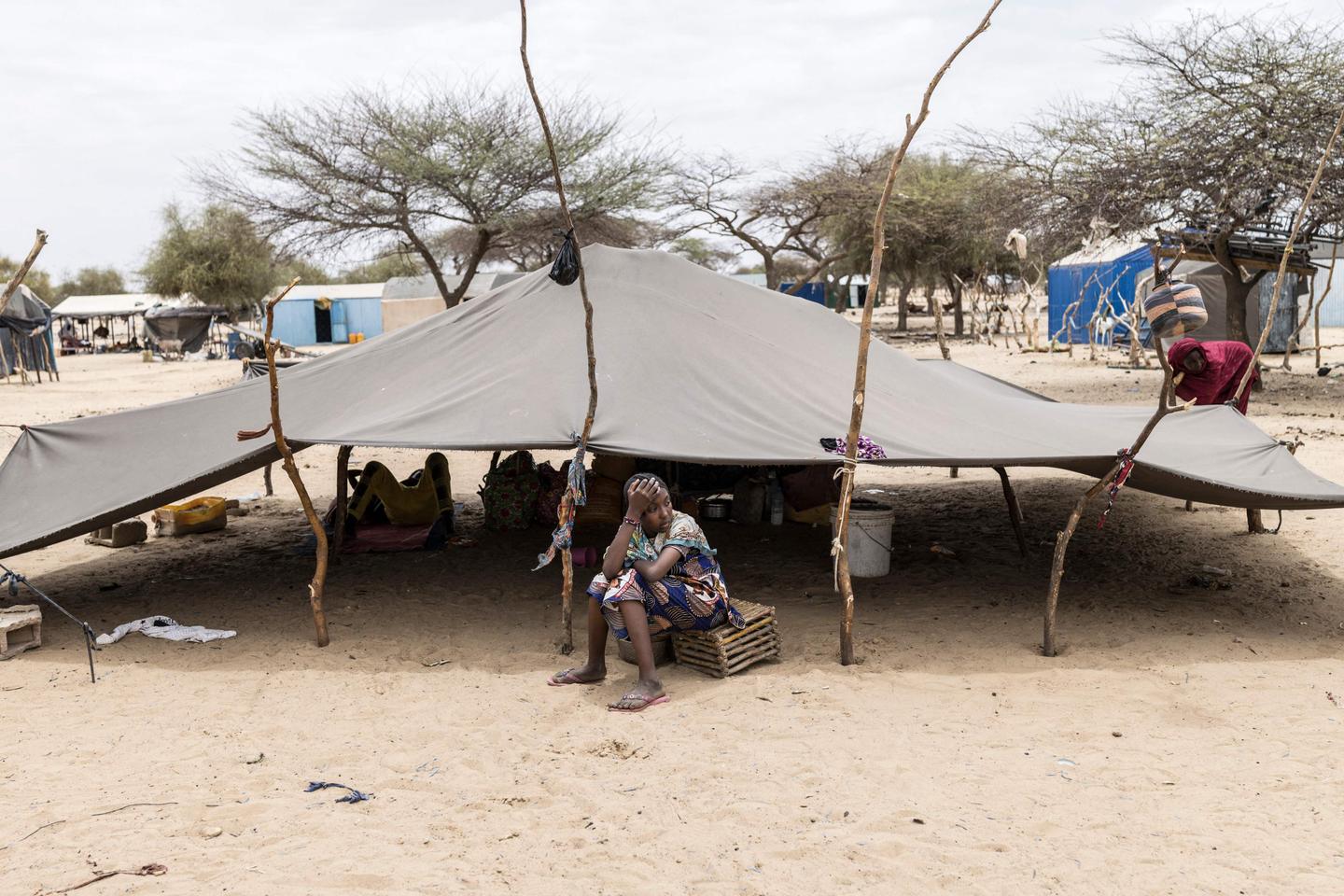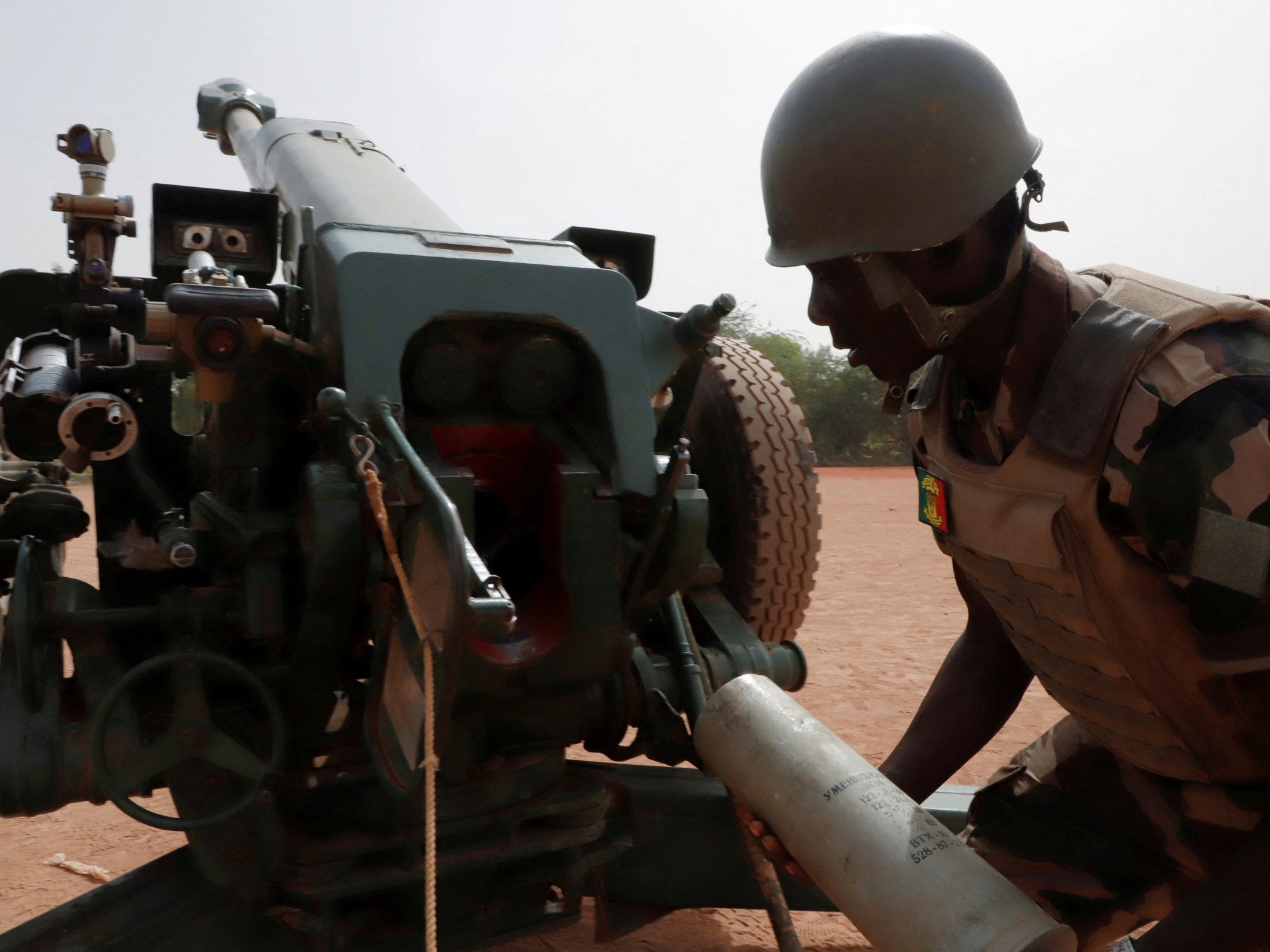
Since 2012, Mali has faced a security crisis fuelled by violence from groups linked to al-Qaida and Islamic State
“T
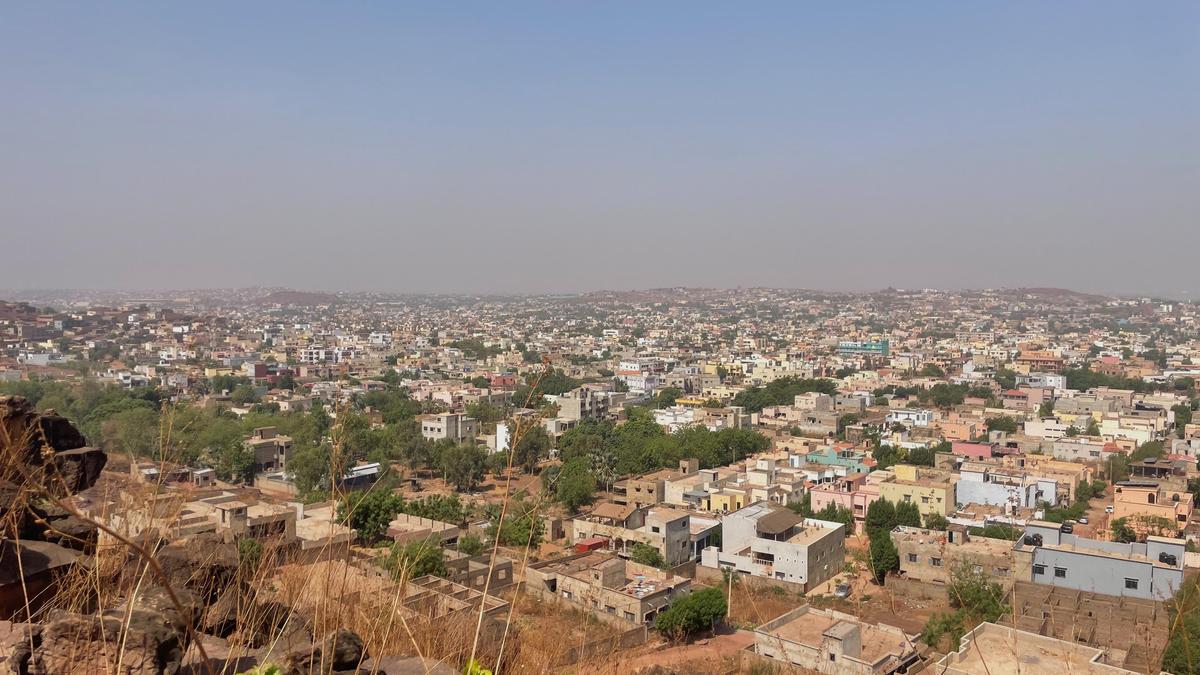
he Grand Ball of Bamako,” as organisers tagged the Saturday evening soiree at the Hotel de l’Amitié in the Malian capital, was meant to provide one of the west African country’s biggest headlines last weekend.
Many sponsors including Orange Mali, the local subsidiary of the French telecoms company, had bankrolled the show, which organisers hoped would demonstrate Mali’s capacity to put on big cultural events in the teeth of a security crisis raging on multiple fronts. On the eve of the concert, a convoy of over half a dozen cars picked up the main attraction, GrammyAward-winning Senegalese singer Youssou N’Dour, from the Modibo Keita international airport.
In the end though, N’Dour, one of the continent’s most famous voices, did not get to perform. Halfway into the concert, guests stood up from the tables draped in white and left the venue, after news reached organisers that the ruling junta had imposed a 72-hour citywide curfew. “We have been faced with a situation beyond our control,” the main organiser Abdoulaye Guitteye said on stage. “We really did our best, we tried.”