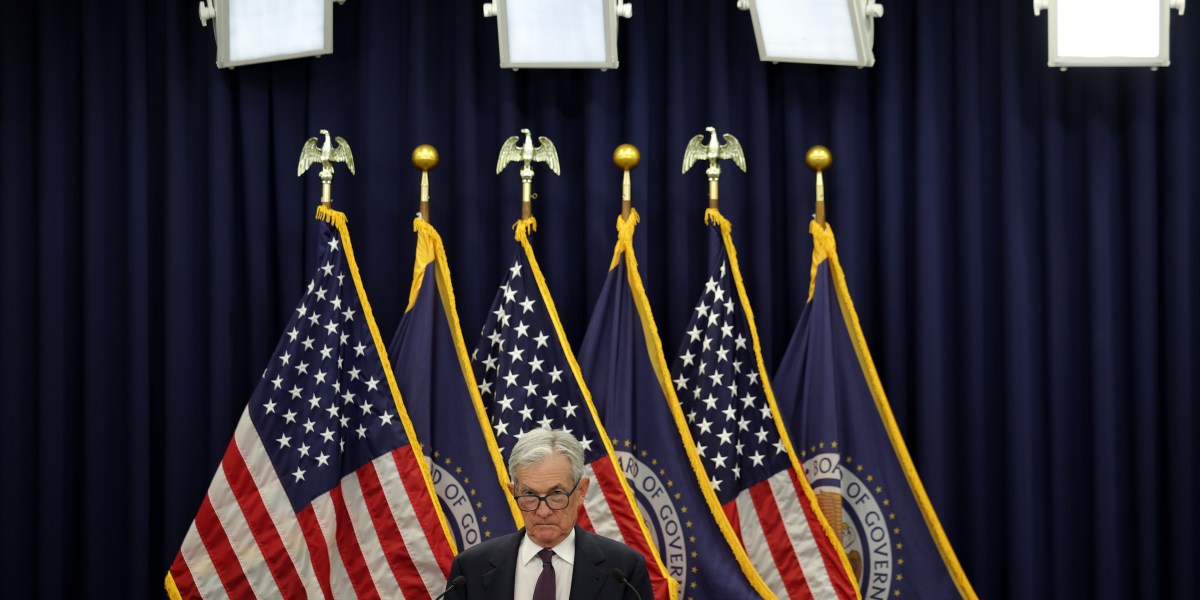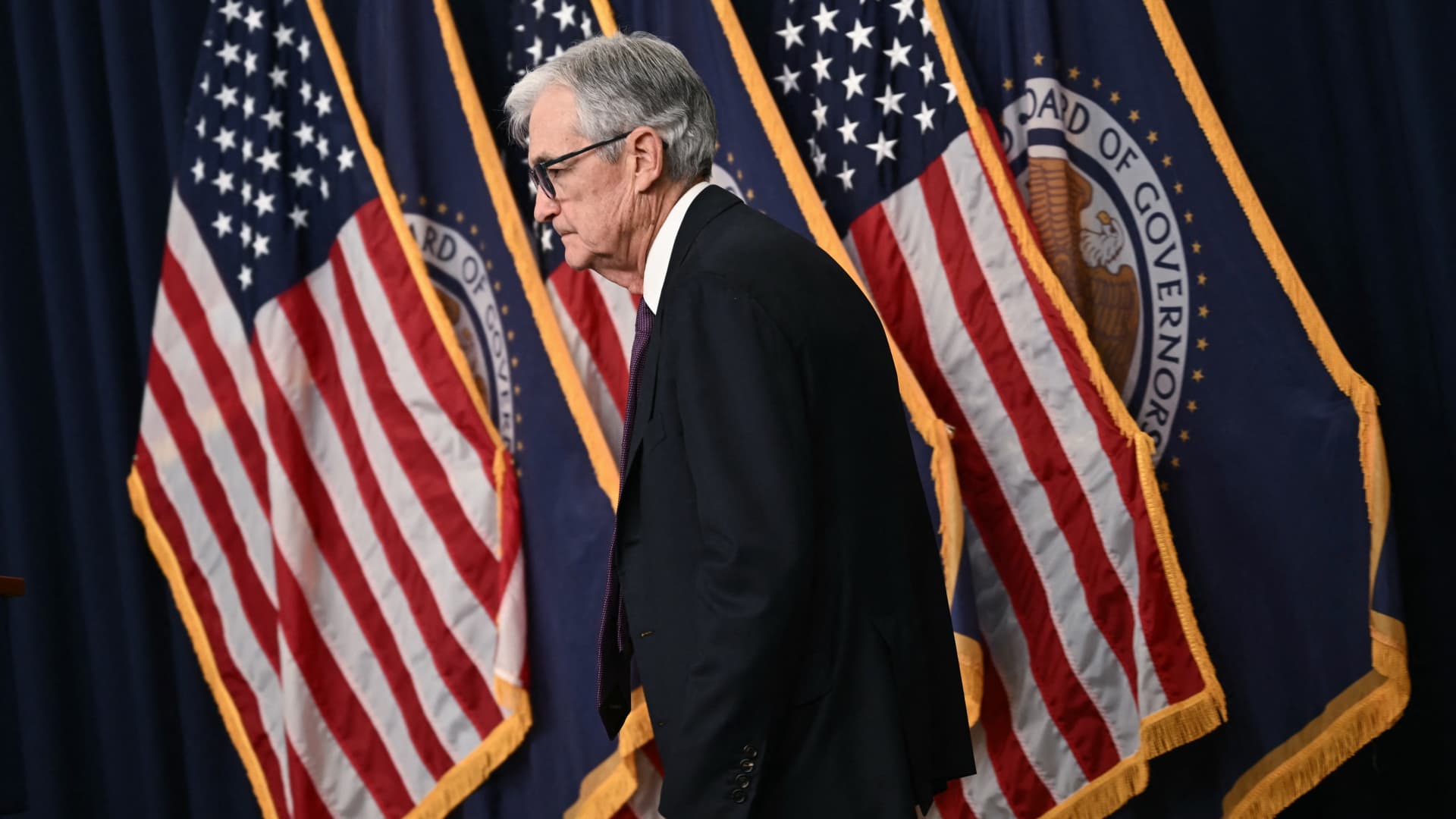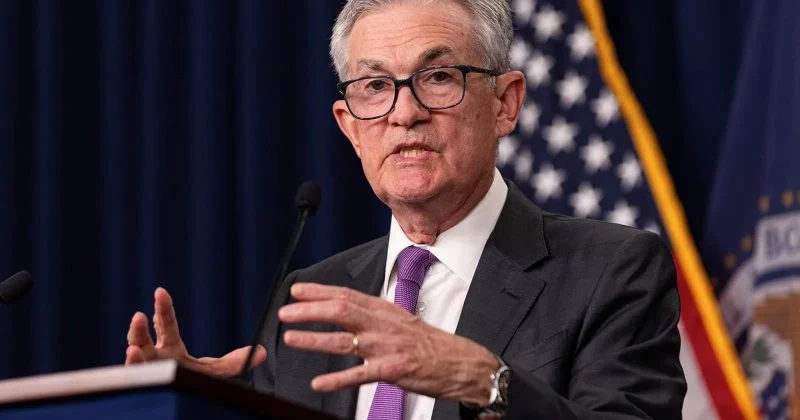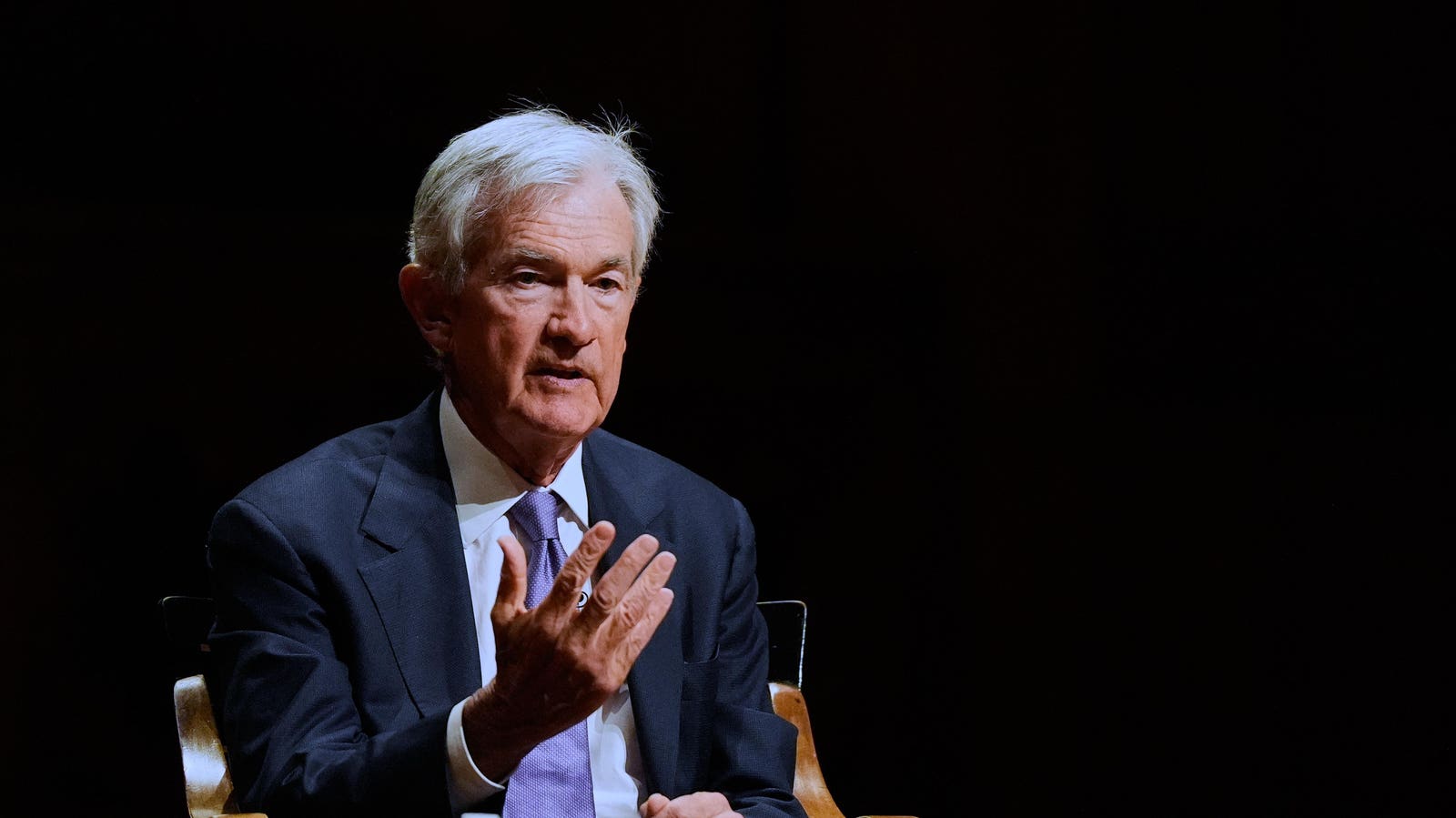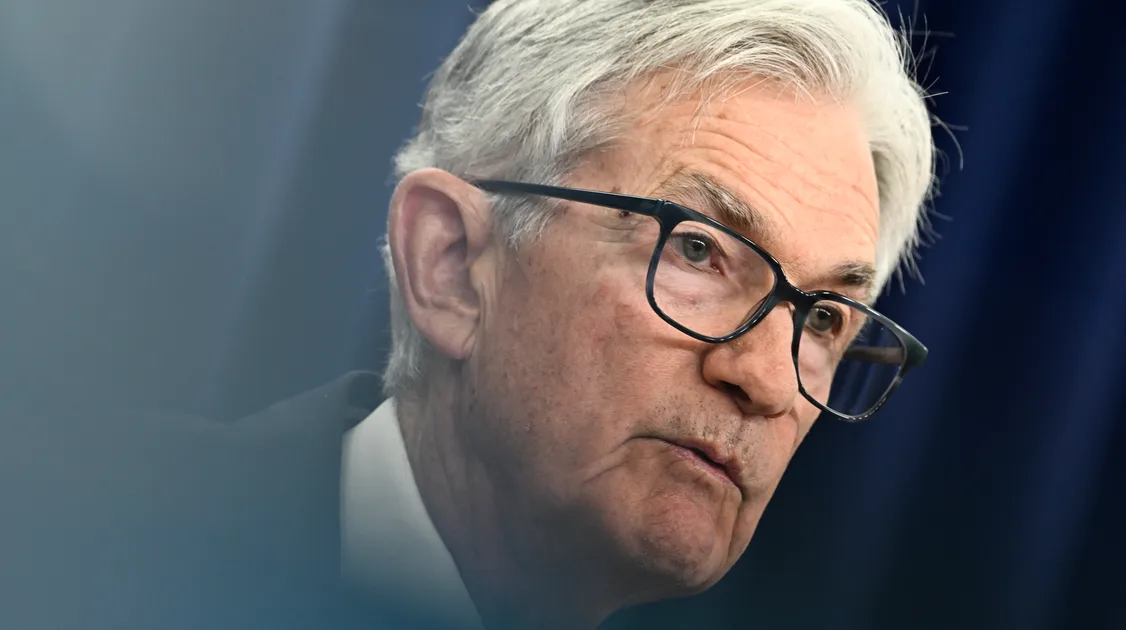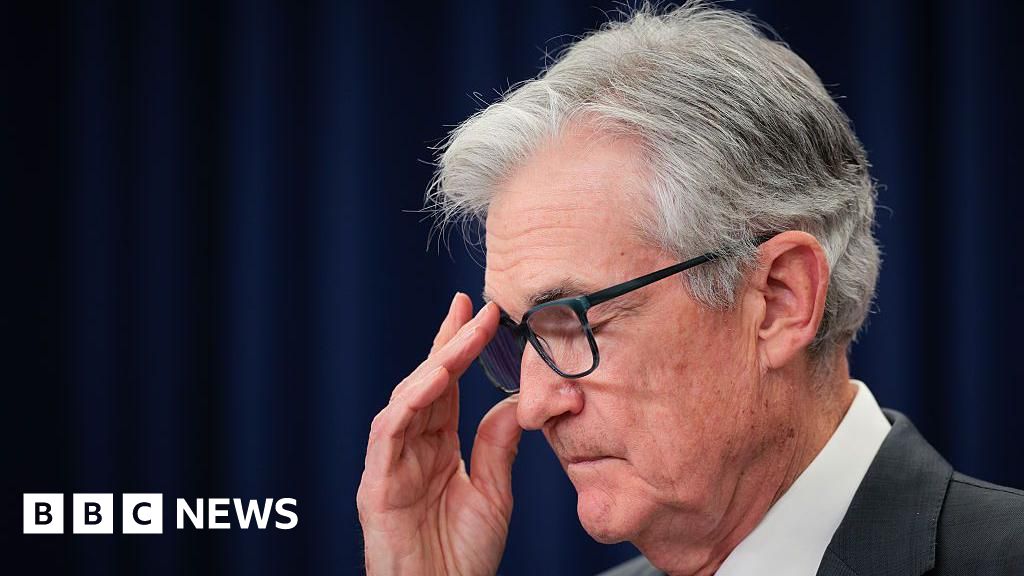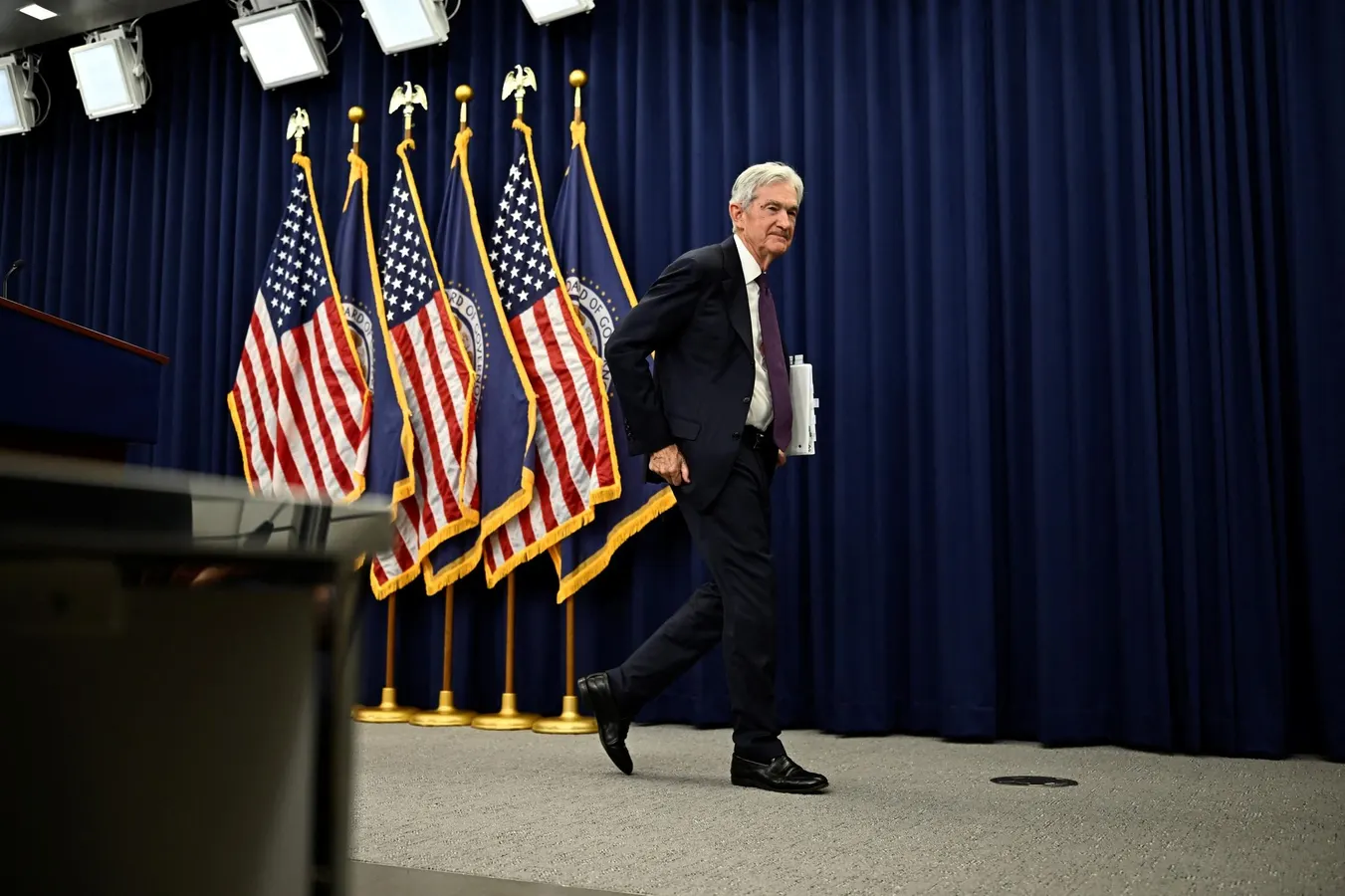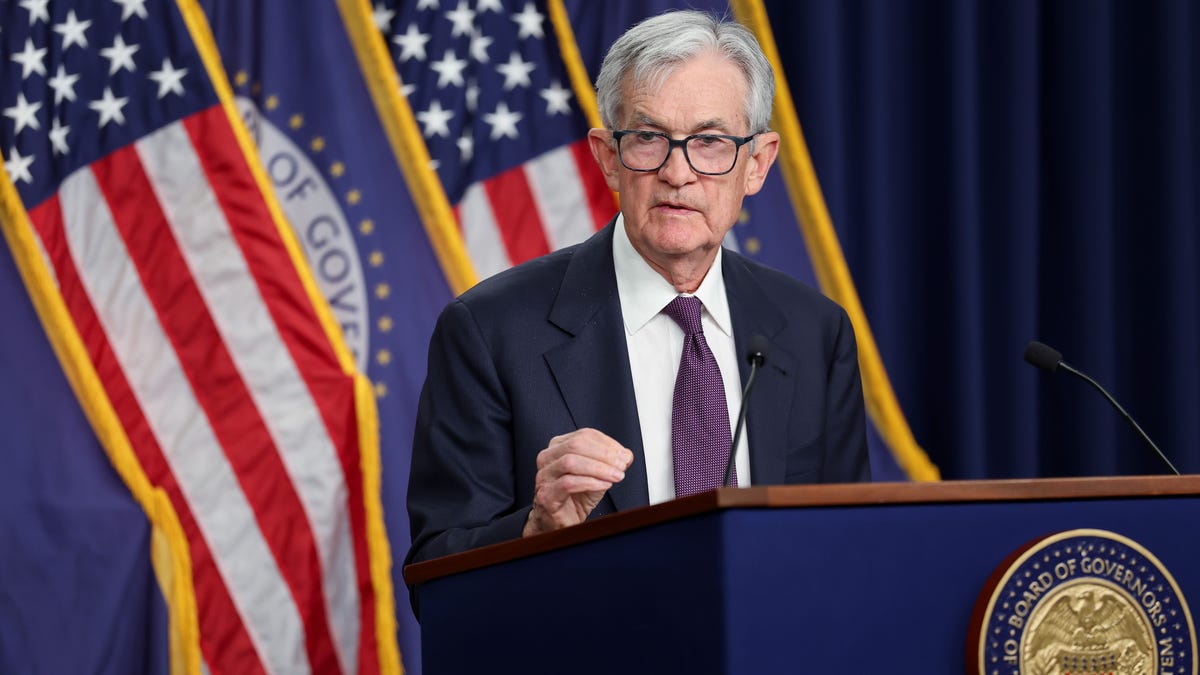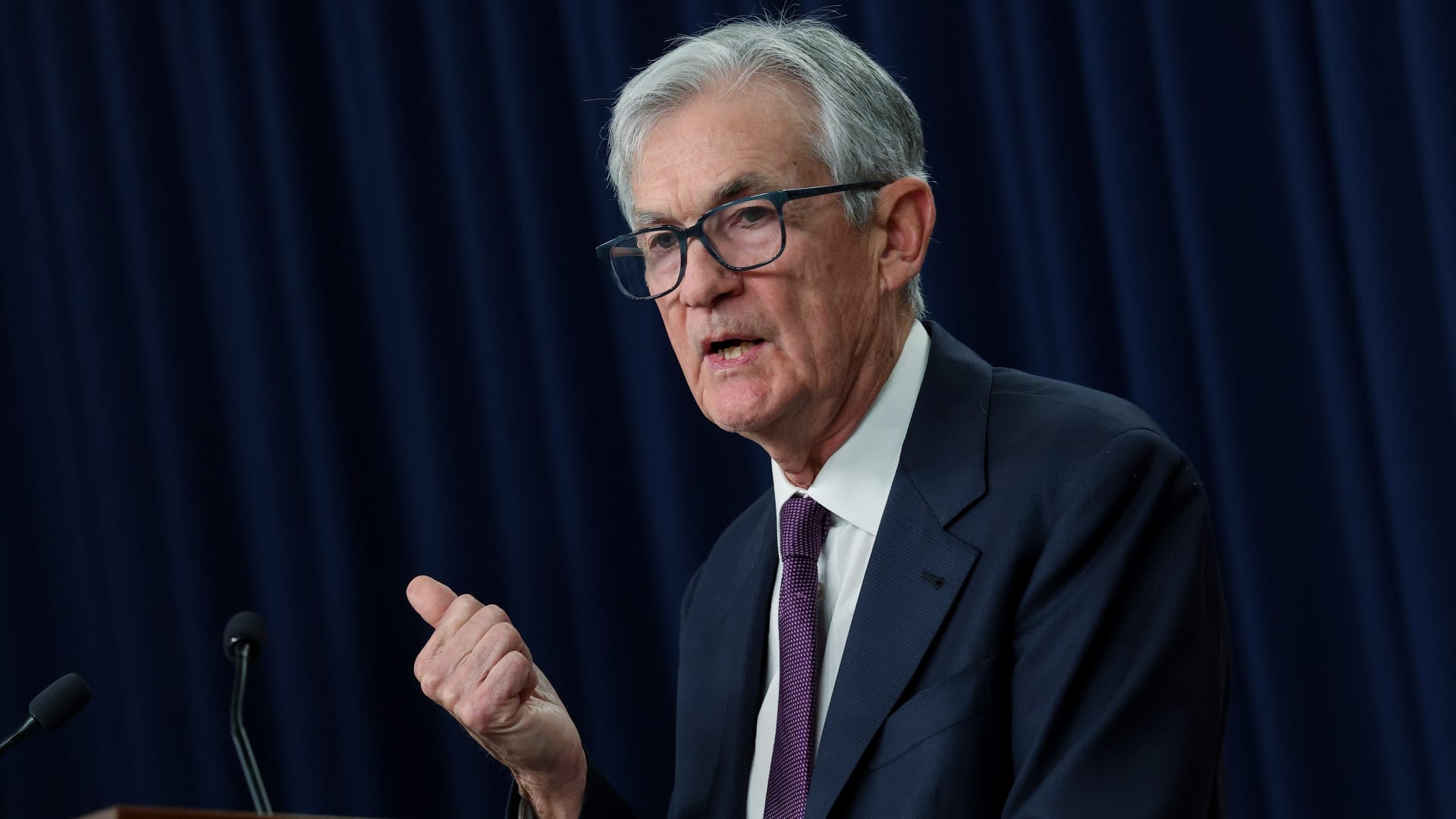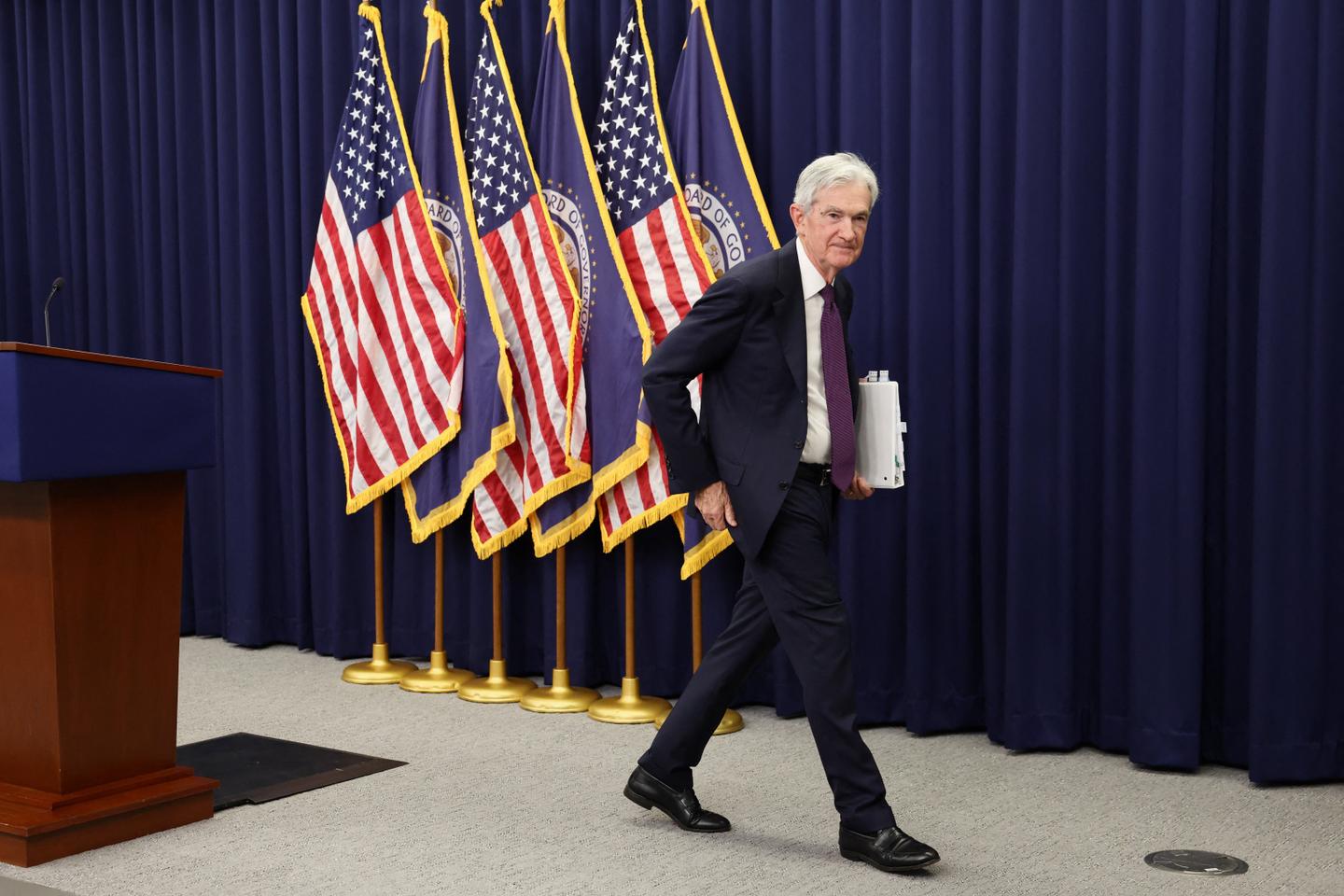
Jerome Powell after his last press conference at the headquarters of the US Federal Reserve in Washington, April 29, 2026. KEVIN LAMARQUE/REUTERS
A chapter in American economic history is coming to a close, and it has been nothing short of eventful. On Tuesday, April 28, and Wednesday, April 29, Jerome Powell led his final meeting as chair of the US Federal Reserve (Fed). At the same time, his designated successor, Kevin Warsh, secured approval from the Senate Banking Committee – a decisive step paving the way for his appointment in mid-May.
The focus of this Federal Open Market Committee meeting was less on the policy rate – which was kept at its current level between 3.5% and 3.75%, as investors had expected – than on assessing the legacy left by the 16th chair of the US central bank. What will remain of the Powell era, so rich in global events, from the 2020 pandemic to the war in Iran in his presidency's final days?
Monetary policy textbooks will surely highlight the support provided to the US and global economies, coordinated with other major central banks, at the onset of the Covid-19 pandemic and the near-total shutdown of economic activity worldwide. The Fed deployed every tool at its disposal, even so-called "non-conventional" ones, helping to cushion the blow and setting an example for future central bankers caught in the eye of a storm.