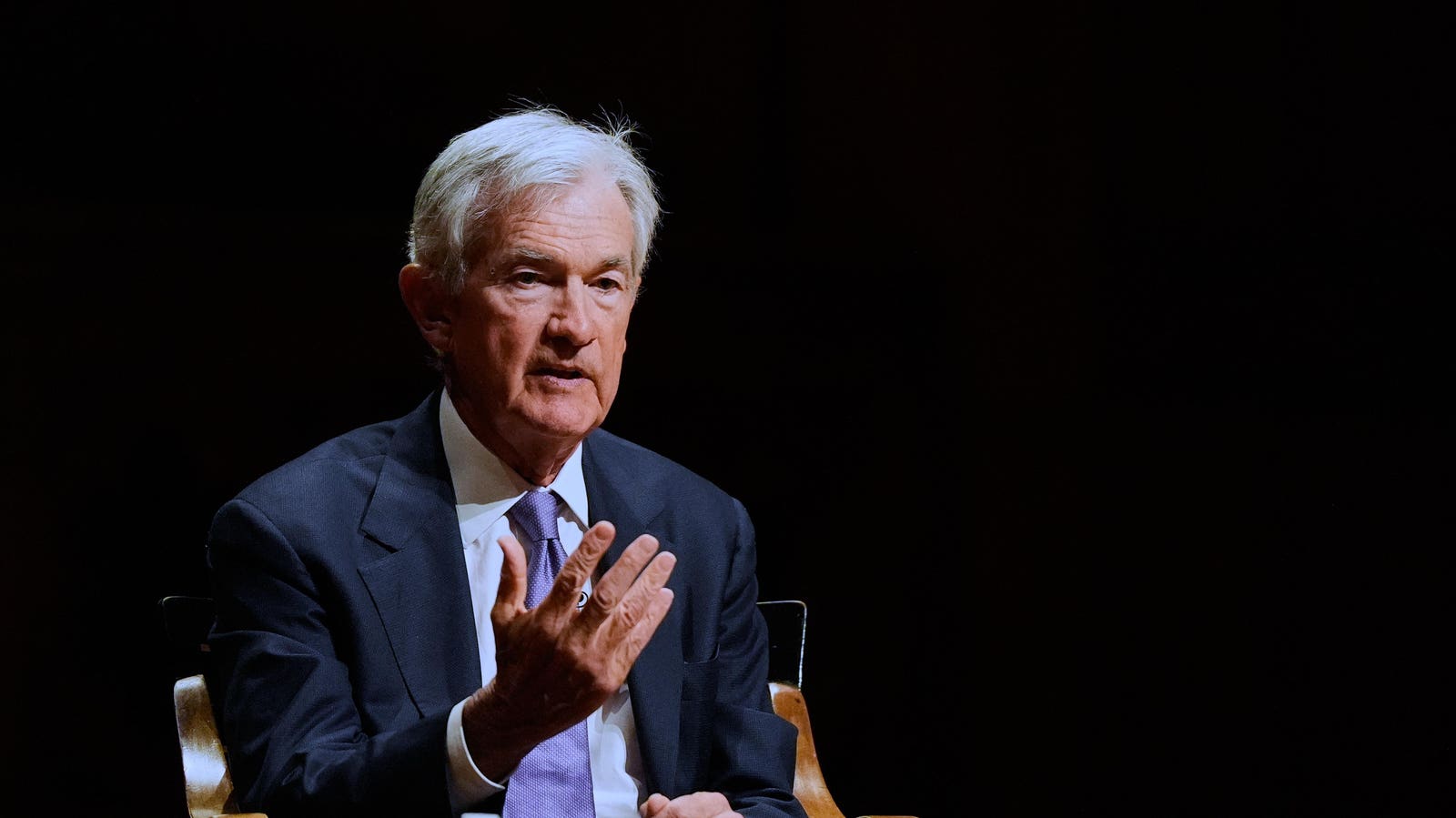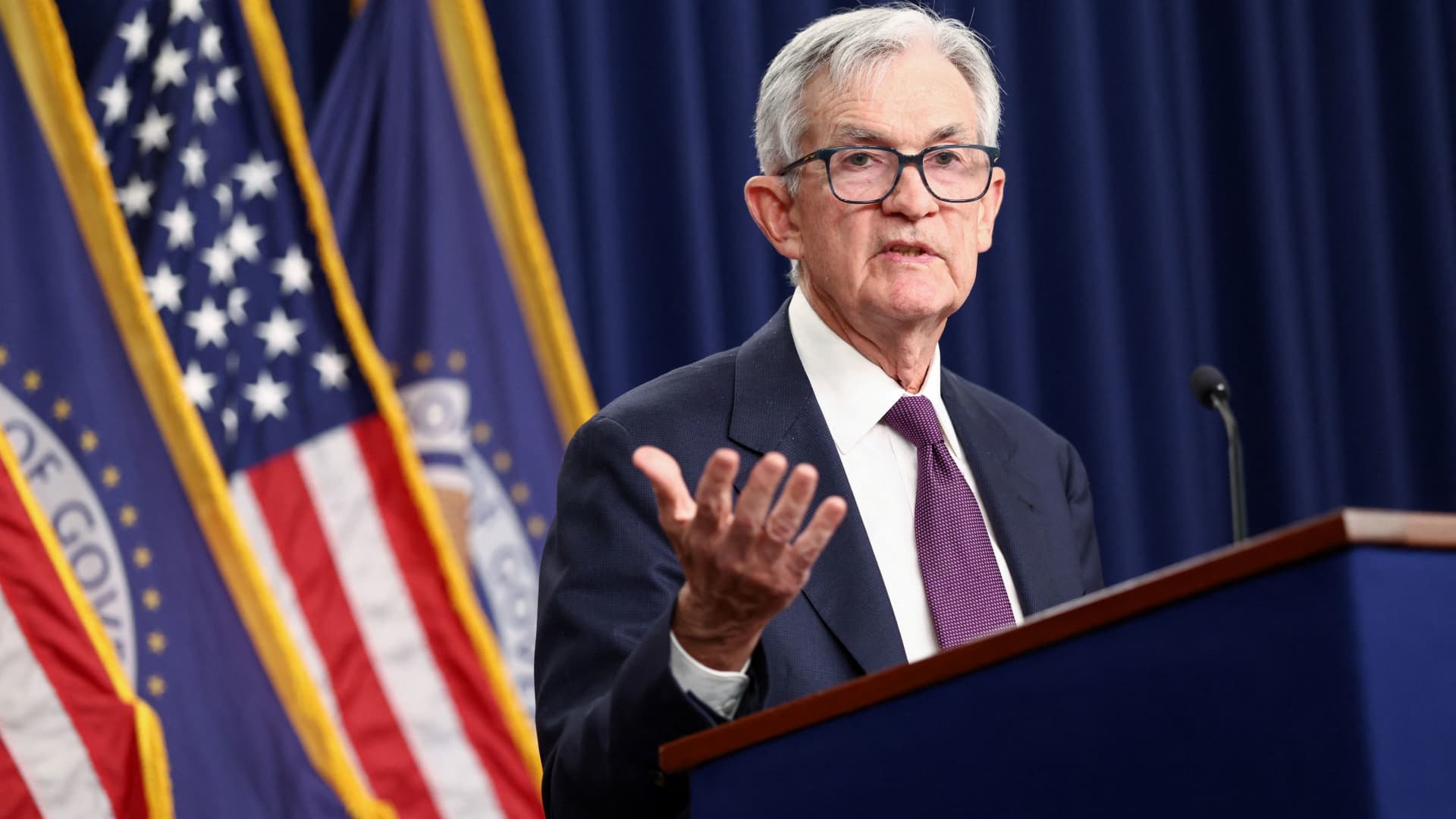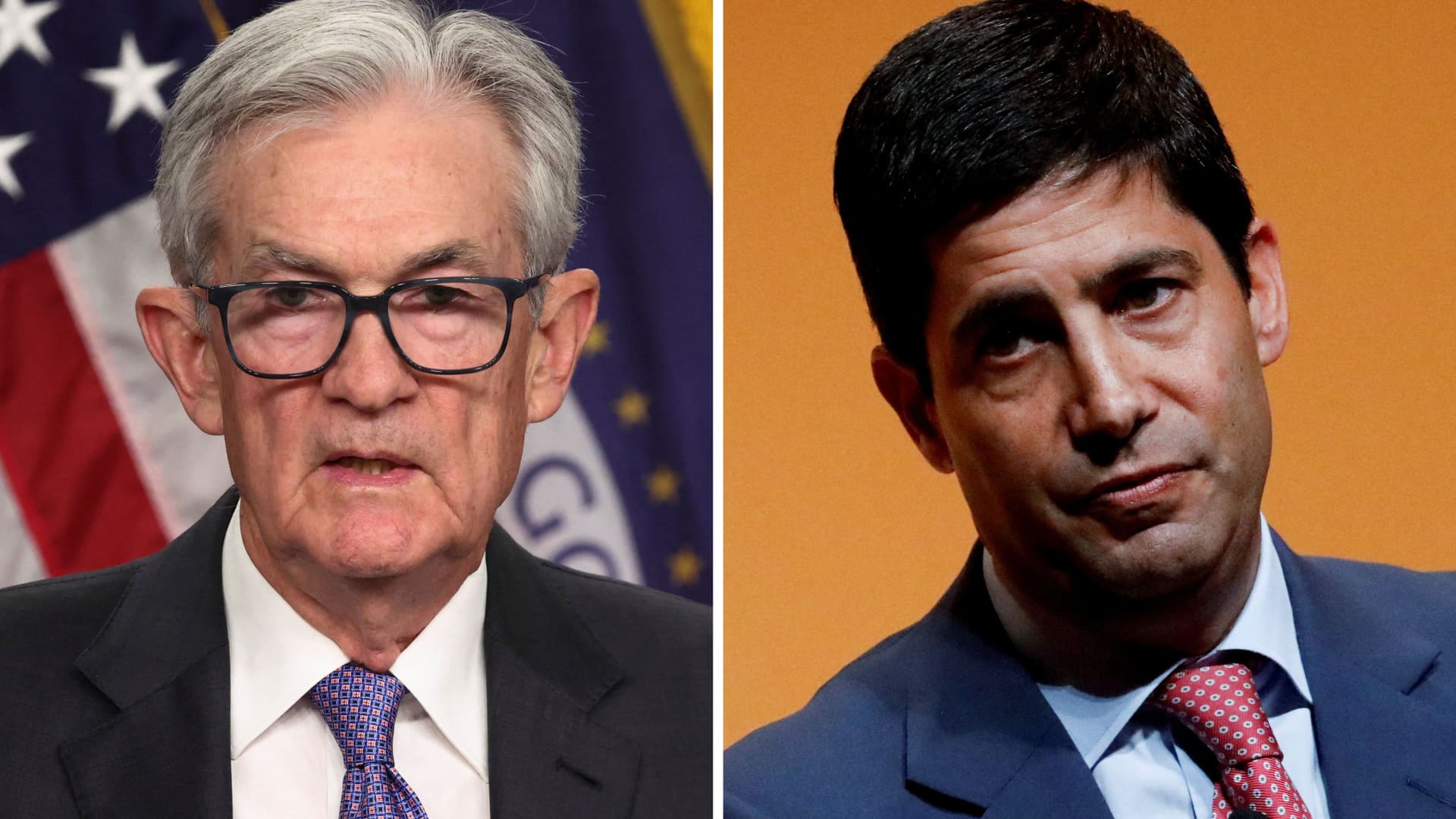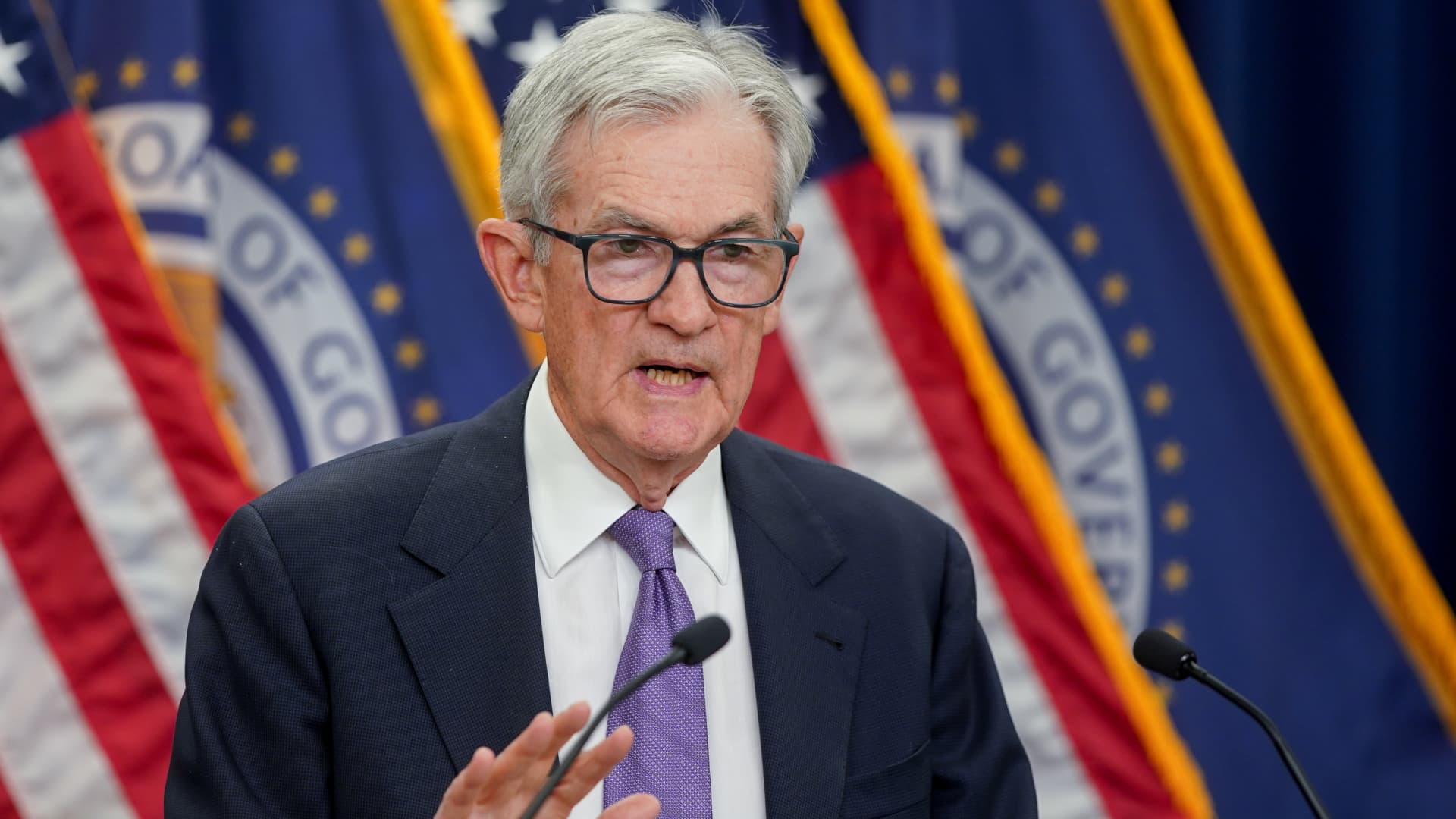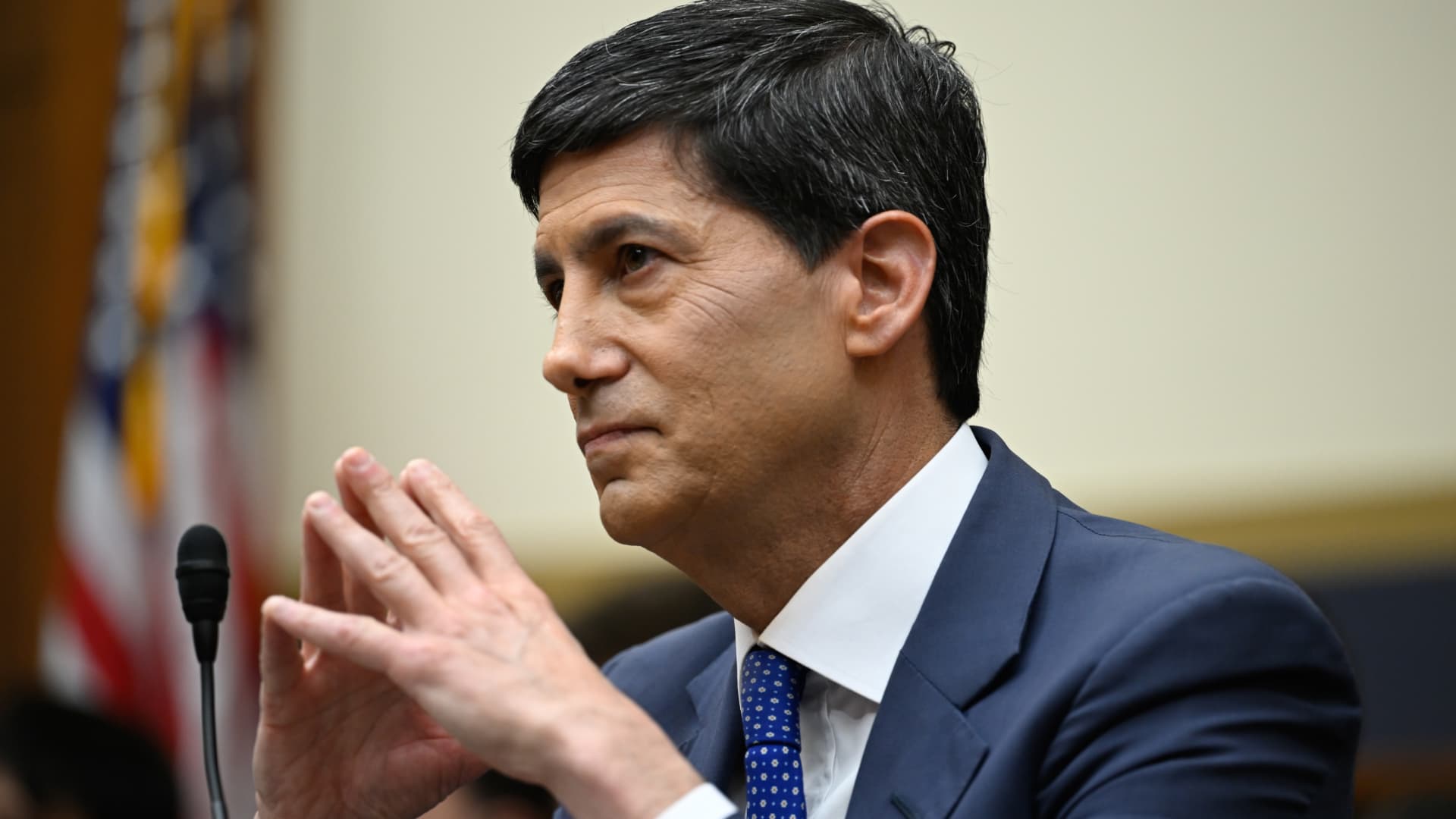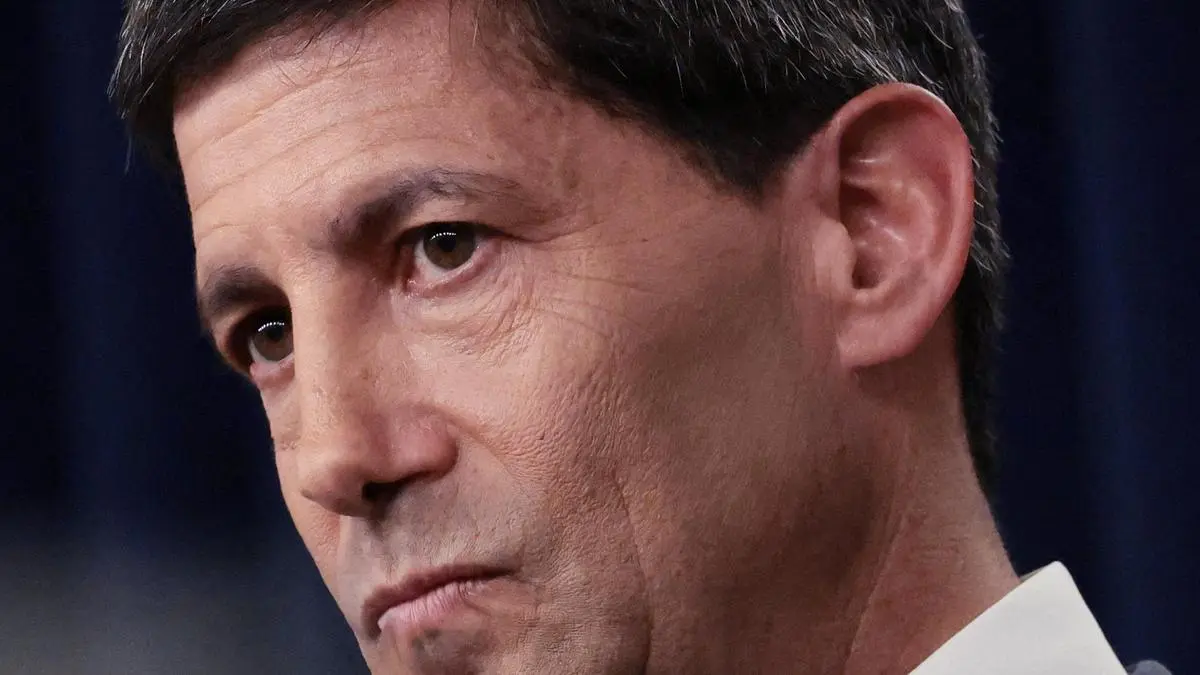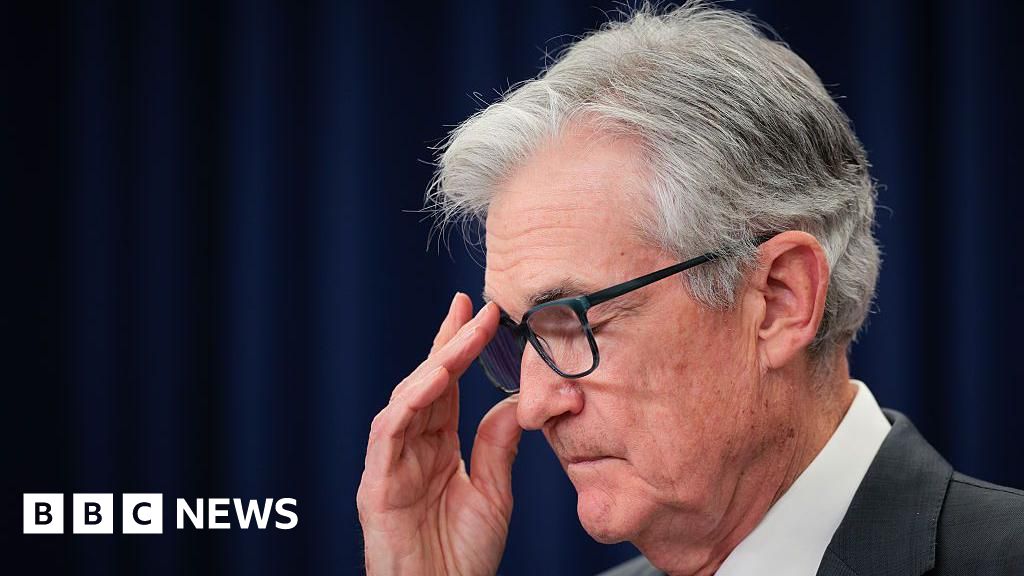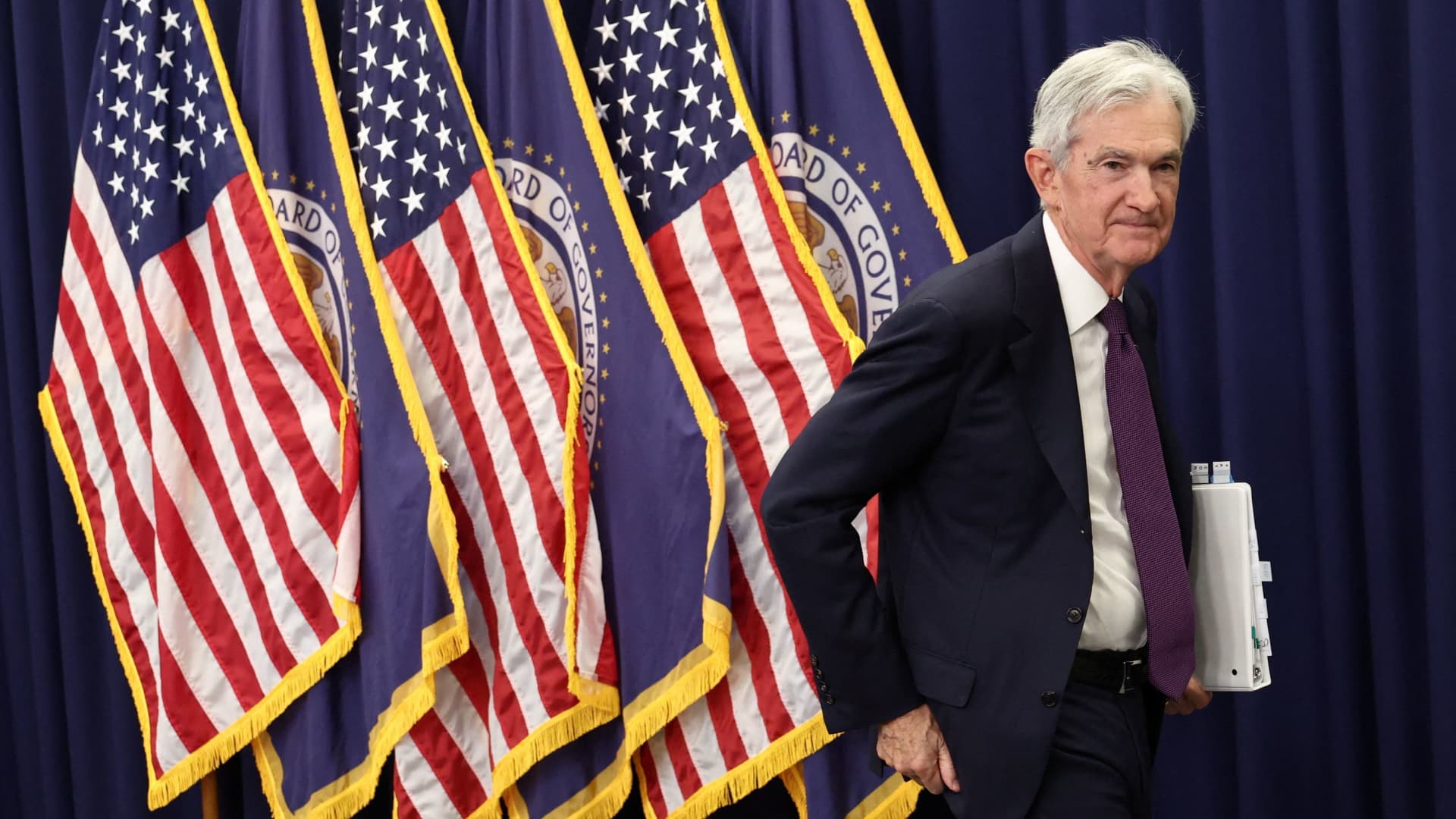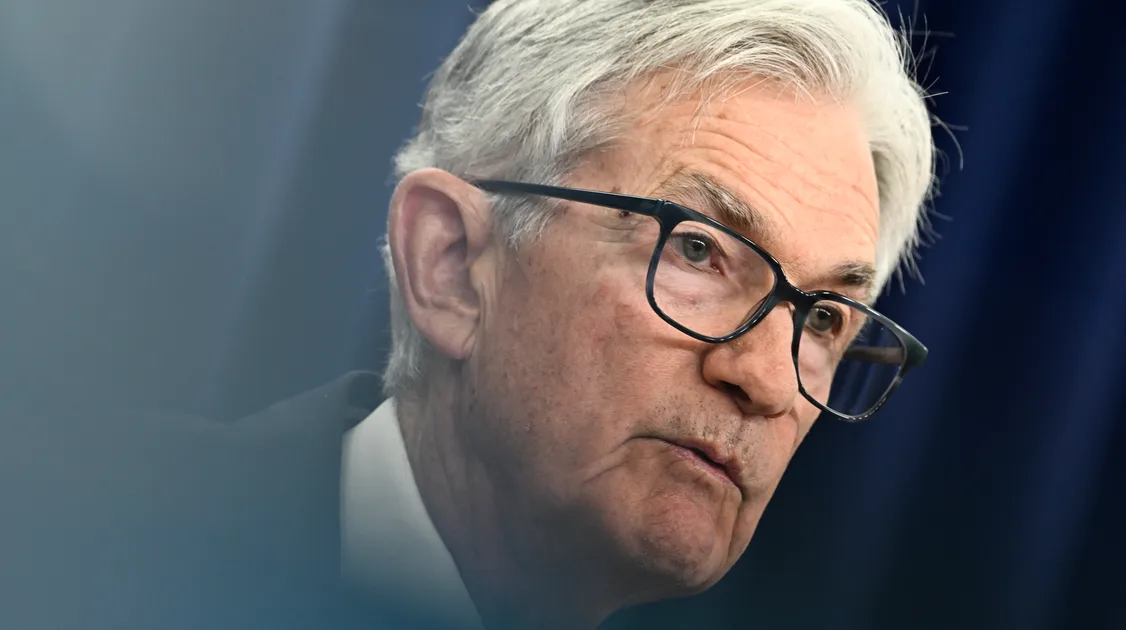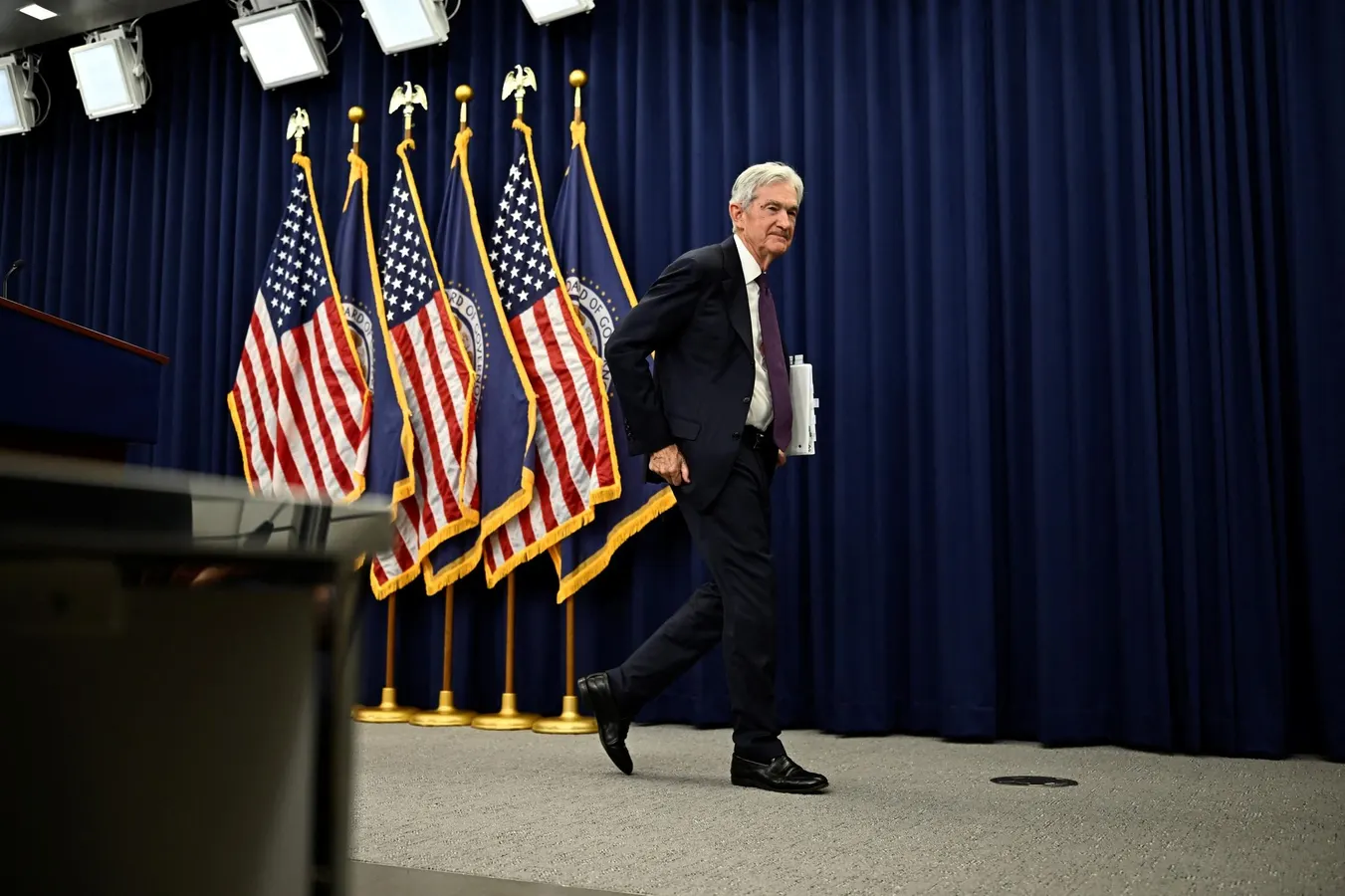
US Federal Reserve Chair Jerome Powell departs a press conference at the Federal Reserve Board Building in Washington, DC, on April 29, 2026. (Photo by Kent NISHIMURA / AFP via Getty Images)AFP via Getty ImagesThe Federal Reserve delivered its most divided vote since 1992 — four dissents on a single decision — signaling a central bank entering a rare period of internal fracture just as Jerome Powell’s term as chair ends. Every change in the identity of the Fed’s leader defines a new era, but this transition is unfolding with unusually public disagreement over both policy direction and how the Fed should communicate it. With Powell planning to remain on the Board of Governors and incoming chair Kevin Warsh offering little clarity on his rate stance, the country could be looking at a fundamentally different, and potentially more turbulent, phase for monetary policy. That could be bad news, maybe even good, but it’s almost certainly different — and it may add even more uncertainty to an economy already strained by inflation pressures, geopolitical shocks and shifting labor‑market signals.Interest Rates Stay Put, But Dissent SurgesThe easy part to understand is the decision to hold the benchmark federal funds rate at its current 3.50% to 3.75% range. There is uncertainty, as the “economy has been expanding at a solid pace” and the unemployment rate is “little changed,” even as “job gains have remained low,” Powell said in the opening statement before the post-meeting press conference. “Inflation has moved up and is elevated, in part reflecting the recent increase in global energy prices,” he added.MORE FOR YOUHowever, the decision had four dissents — the first time this has happened since 1992, according to The Wall Street Journal’s chief economics correspondent Nick Timiraos. The Trump appointee Stephen Miran wanted to lower the federal funds target by a quarter percentage point, his stance on virtually every vote that doesn’t result in a rate reduction. The other three dissenters were the Cleveland Fed president Beth Hammack, the Minneapolis Fed president Neel Kashkari and the Dallas Fed president and CEO Lorie Logan. They all “supported maintaining the target range for the federal funds rate but did not support inclusion of an easing bias in the statement at this time.”This is the statement that set the opposition of the three: “In considering the extent and timing of additional adjustments to the target range for the federal funds rate, the Committee will carefully assess incoming data, the evolving outlook, and the balance of risks.” The “additional adjustments to the target range” wording was the easing bias.Powell Stays On, And Tensions RiseThen there was more tension in Powell saying that he would stay on for now as a Fed governor, a title he gained before becoming chair and which extends into January 2028. This is an unusual move for a departing chair, but these are not usual times.Incoming governor and Trump appointee Kevin Warsh leaves “many questions” as Oxford Economics recently noted that his confirmation “hardly settles the bigger question of which way he'll lean on rates. His Senate testimony offered few clues — he acknowledged full employment, criticized past policy missteps, and declined to tip his hand on cuts.”This offers at least four views on communicating what the central bank is doing. The approach Alan Greenspan cultivated during his tenure from 1987 to 2006 was to present information in an incomprehensibly convoluted way. People made jokes about his inscrutability. In reality, he and the Fed at large didn’t want to tip their collective hand, preventing markets from reacting prematurely.Forward guidance tried for greater transparency, starting under Ben Bernanke’s time as chair. The intent was to help set market expectations and reduce uncertainty because business and people greatly prefer some sense of where they’re being taken — especially when things are in the middle of the Great Recession and are panicking because they don’t know if they’ll be broke tomorrow morning.Under Powell, the Fed has communicated more clearly, but a new divide has emerged. The three officials who dissented on the statement’s language likely worry that conditions are too uncertain — with labor‑market dynamics and inflation risks pulling in opposite directions — to signal any shift that could be interpreted as a move toward rate cuts.During the press conference, several people asked Powell about remaining as a governor. “I want to stay until I will stay until it's I feel it's appropriate for me to leave,” he said, an inherently cryptic answer. “And yes, that is, that is really what is driving this. I'm not looking to be, you know, a high-profile dissident or anything like that. I'm more looking at the other aspects of this and wanting to see that things have calmed down and returning to a traditional model of working with the people that you have and bringing the consensus and respecting that consensus.”Uncertainty Keeps SpreadingUncertainty — whether in the Middle East, tariffs, government spending, national debt or other ways — seems to be on a path of expansion, working its way further into the economic and monetary systems. Not good news at all.
What The Fed’s Most Divided Vote In Decades Means For Rates, Markets And Powell’s Future
Jerome Powell staying on as governor and Kevin Warsh’s unclear stance signal a new era of policy uncertainty for markets.
847 words~4 min read