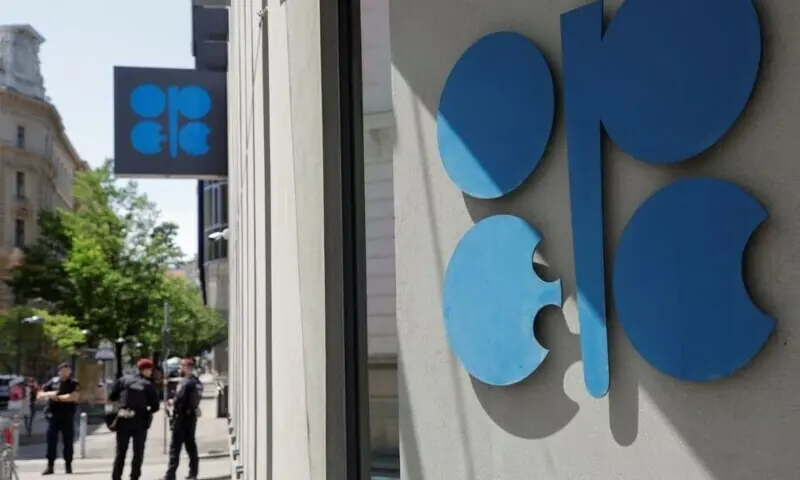
Defection is damaging to Saudi Arabia’s prestige – and could strengthen the US hand in the region
The United Arab Emirates’ decision to walk out of Opec is a political as much as business decision, and will reignite the simmering rows between the UAE and Saudi Arabia – which had been covered up by their shared anger with Iran over its attacks on the Gulf states since the start of the US-Israel war on Tehran.
In the short term, leaving the oil producing cartel it joined in 1967 gives the UAE the freedom to respond quickly to a long-term prospect of constrained supplies, and to maximise profit. But it is a decision the UAE has considered before, as UAE and Saudi tensions over production quotas have been longstanding.
But the timing and unilateral nature of the UAE decision shows how other intra-Gulf disputes over how to respond to the Iran war could recast the Middle East.
The defection is, of course, a blow to Saudi Arabia’s prestige, since it positions the UAE as the Gulf state closest to Donald Trump, a long-term critic of Opec, and weakens the Saudis’ ability to manage the price of oil.