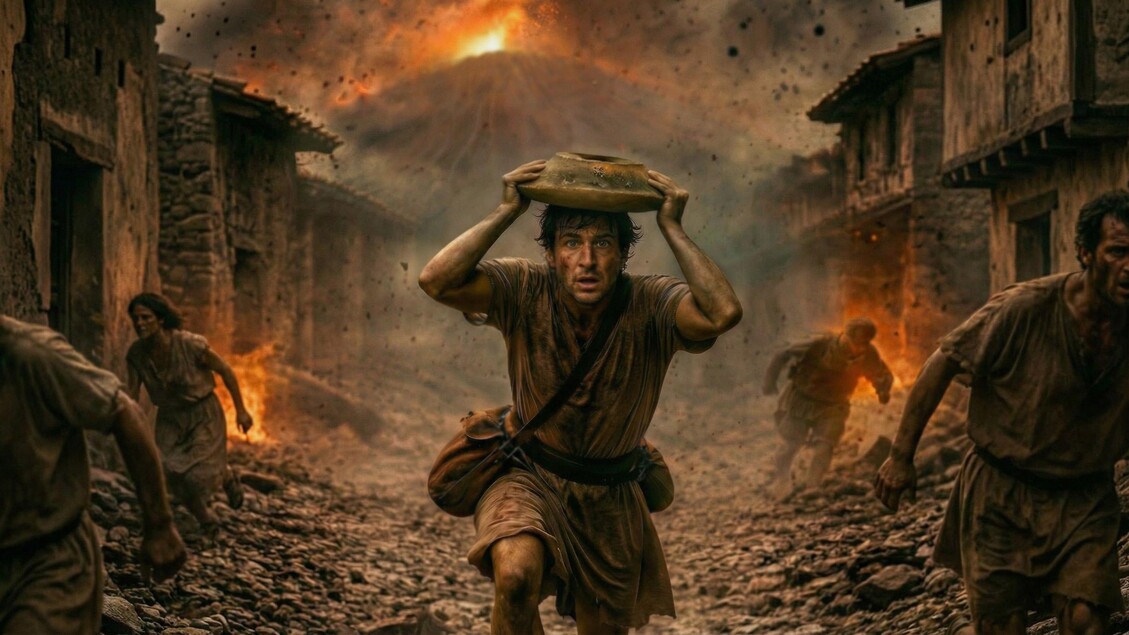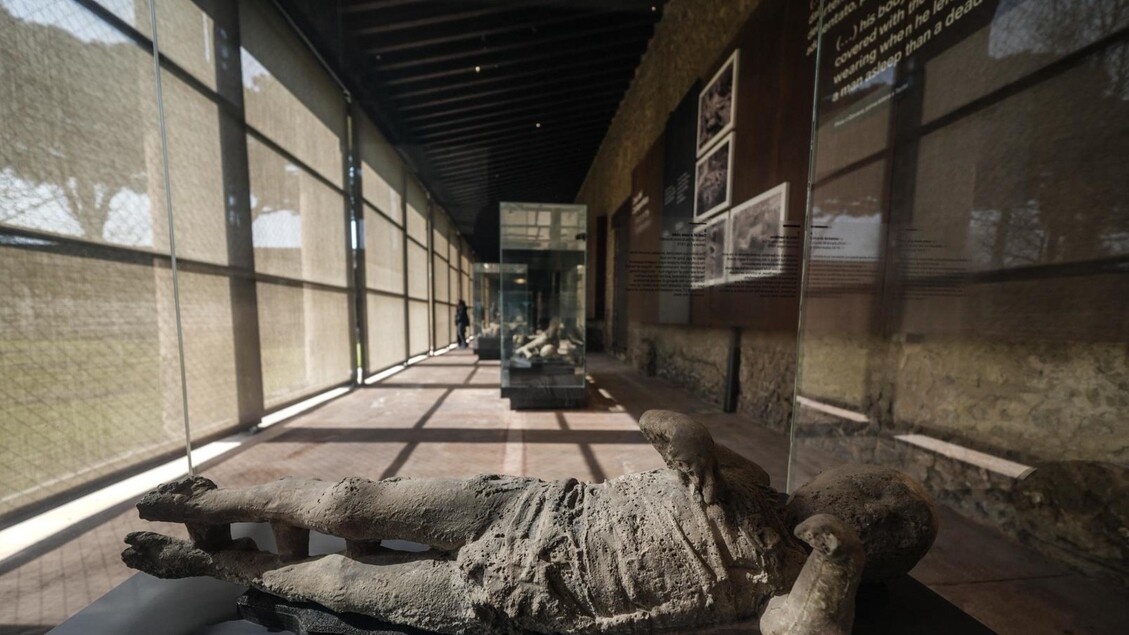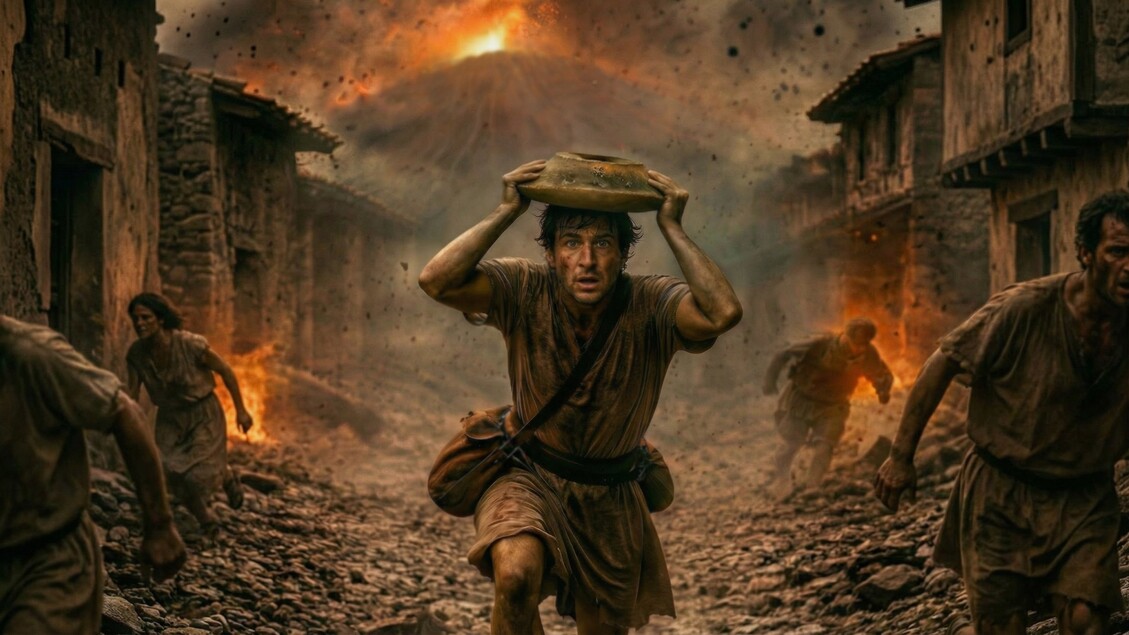
Artificial Intelligence has been used for the first time to reconstruct the last moments of a Pompeii man trying to flee the wrath of Vesuvius in the 79 AD eruption that destroyed and preserved the ancient Roman city.
Pliny the Younger's tales of the event the historian witnessed have been revisited with artificial intelligence in a digital reconstruction of the past that meets the future.
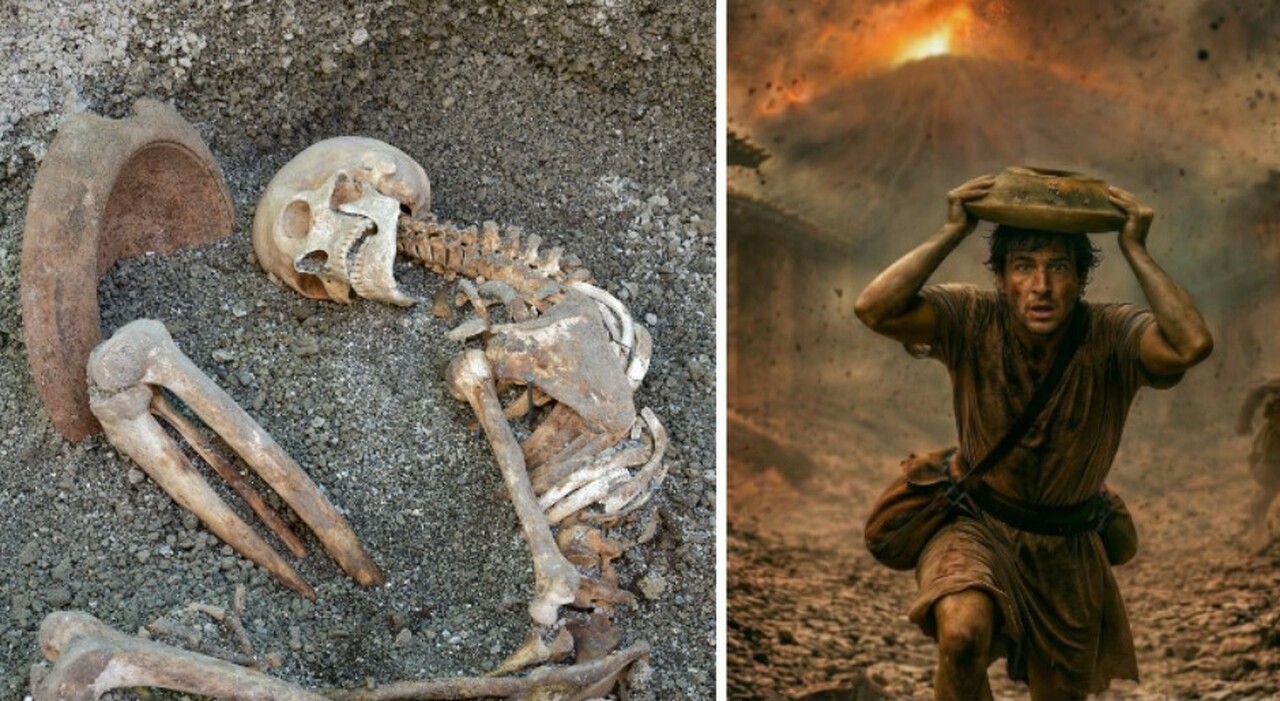
For the first time, the Pompeii Archaeological Park has used AI tools to propose, in collaboration with the University of Padua, a digital reconstruction based on investigations conducted by archaeologists from the Ministry of Culture.
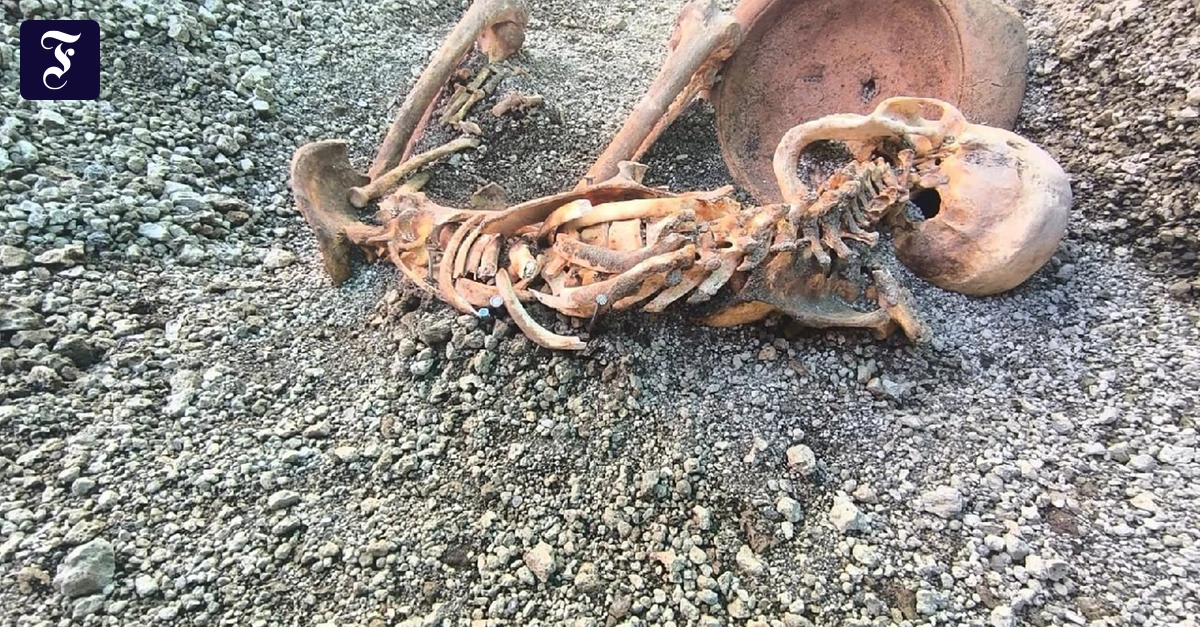
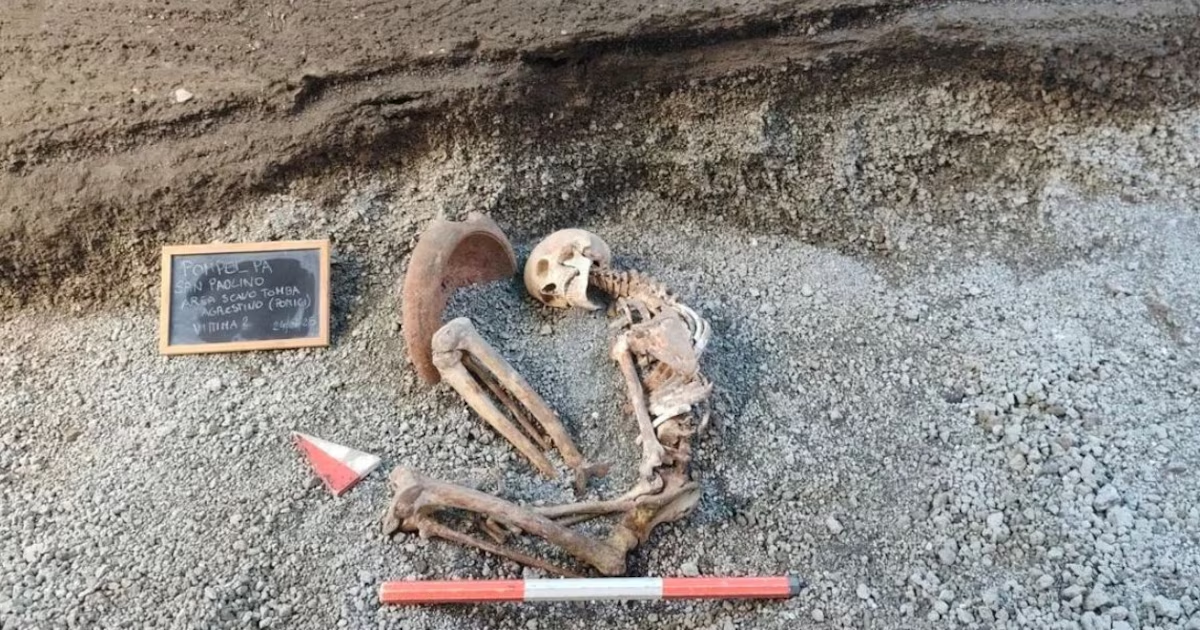
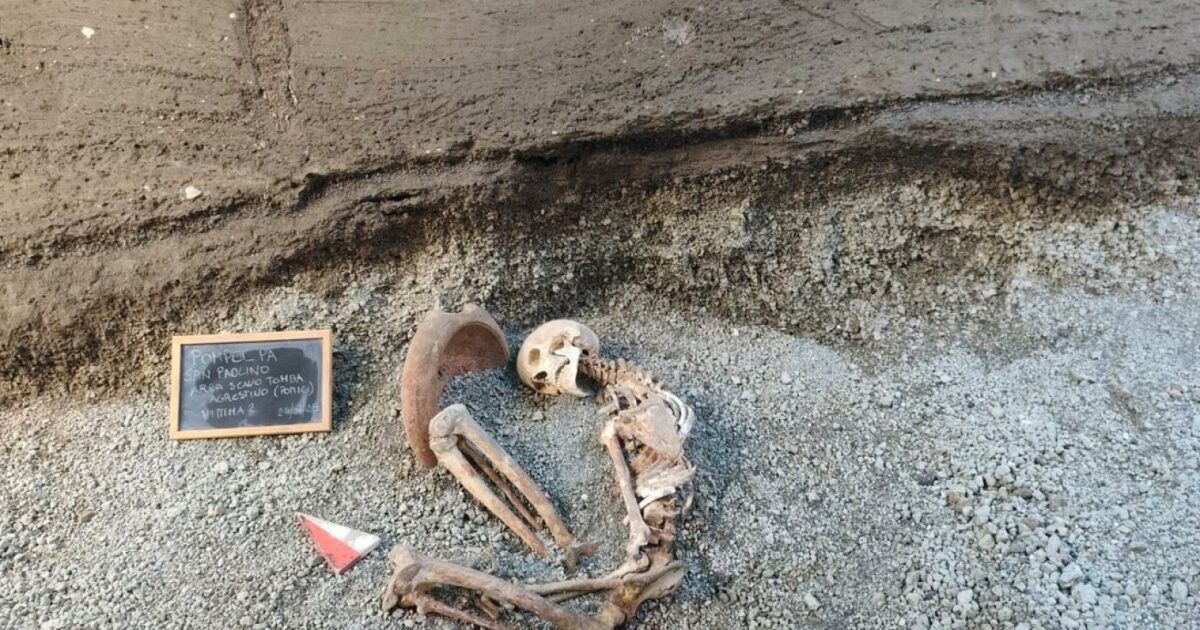
The reconstruction concerns a man who died during the eruption of Vesuvius and was found with a terracotta mortar, likely used to protect his head from falling lapilli and volcanic fragments.
It's all based on the descriptions of Pliny the Younger, an eyewitness, who in a letter reported how people fleeing the volcano tried to protect themselves from the eruption with objects or pillows tied to their heads.