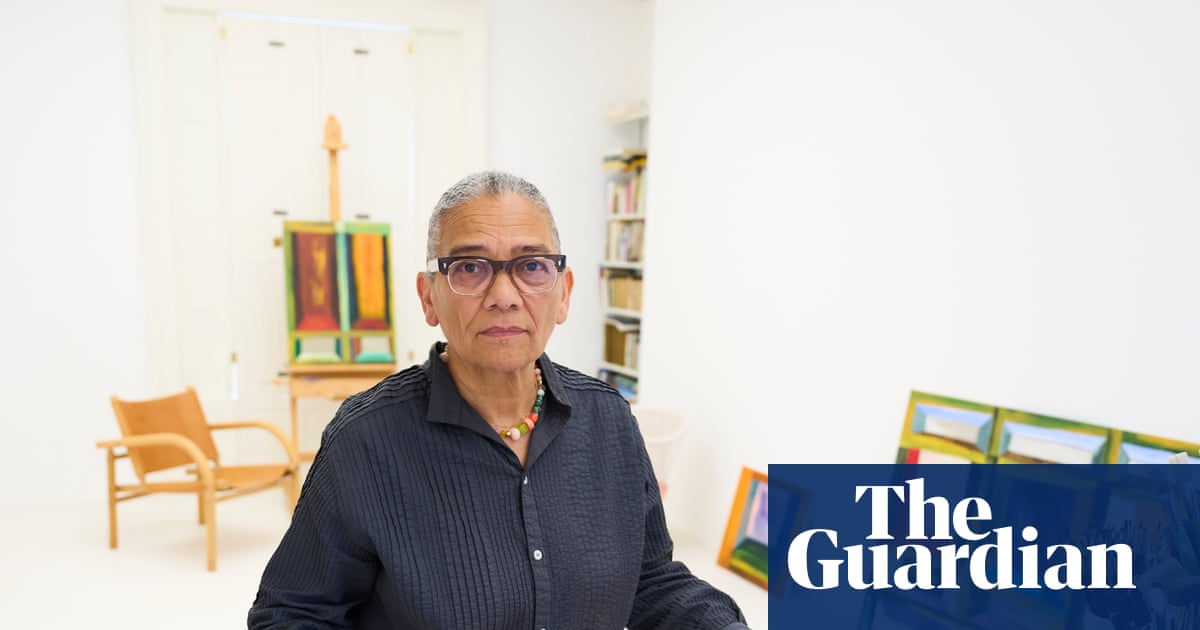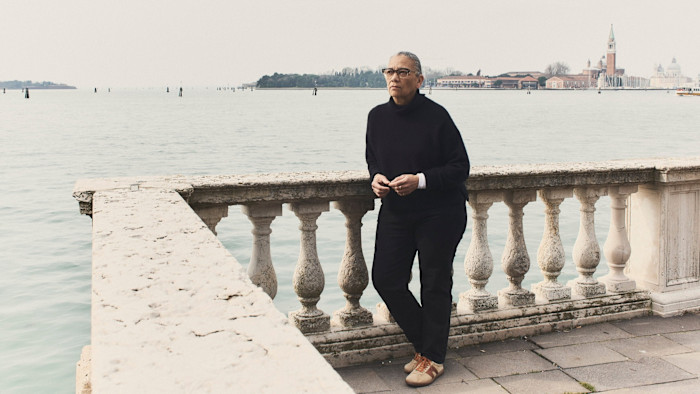
Lubaina Himid is ready. In fact, you could say she’s been waiting.
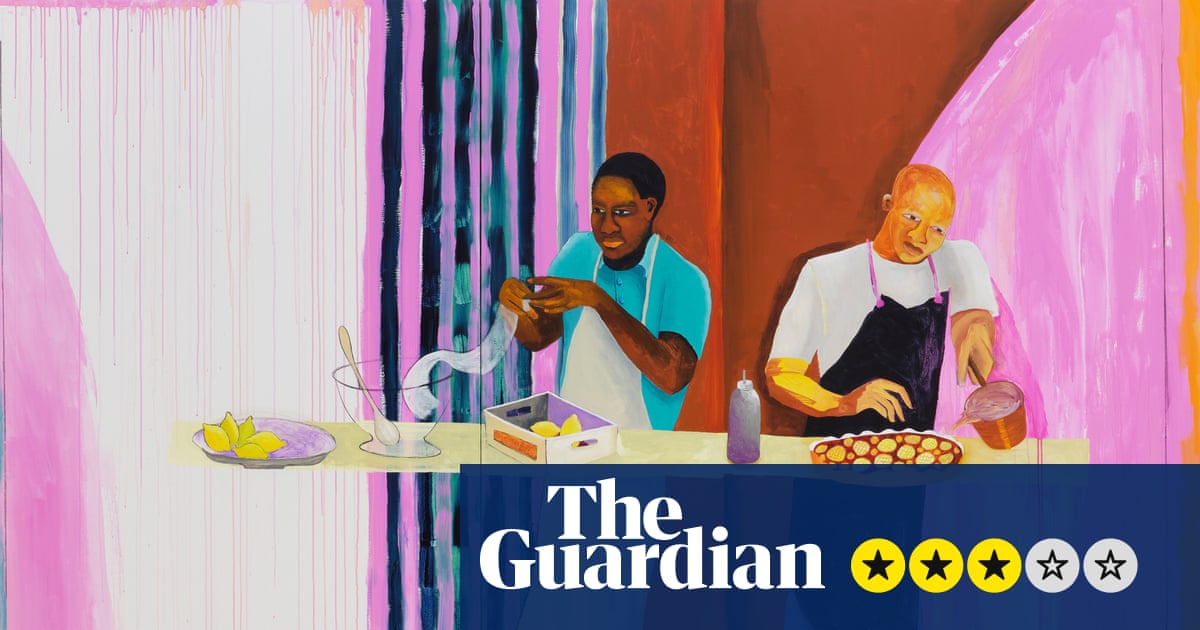
For most of her four-decade-long career, Himid was celebrated within a particular community, respected by those paying attention and largely invisible to everyone else. A self-described “painter and cultural activist”, her depictions of Black figures — often in pairs, in silent conversation, in brilliantly hued worlds — place them in positions European art history has not conventionally allowed them. Himid was not unknown; she was unrecognised. They are different things, as she has always well understood.
Success — at least by conventional art-world metrics — has arrived like the proverbial buses, late and then all at once. A Turner Prize win in 2017 (the first Black woman to receive the award) on the back of exhibitions at three important British institutions; solo shows at New York’s New Museum (2019) and Tate Modern (2021); museum presentations in Austin, Beijing, Brussels and Sharjah.
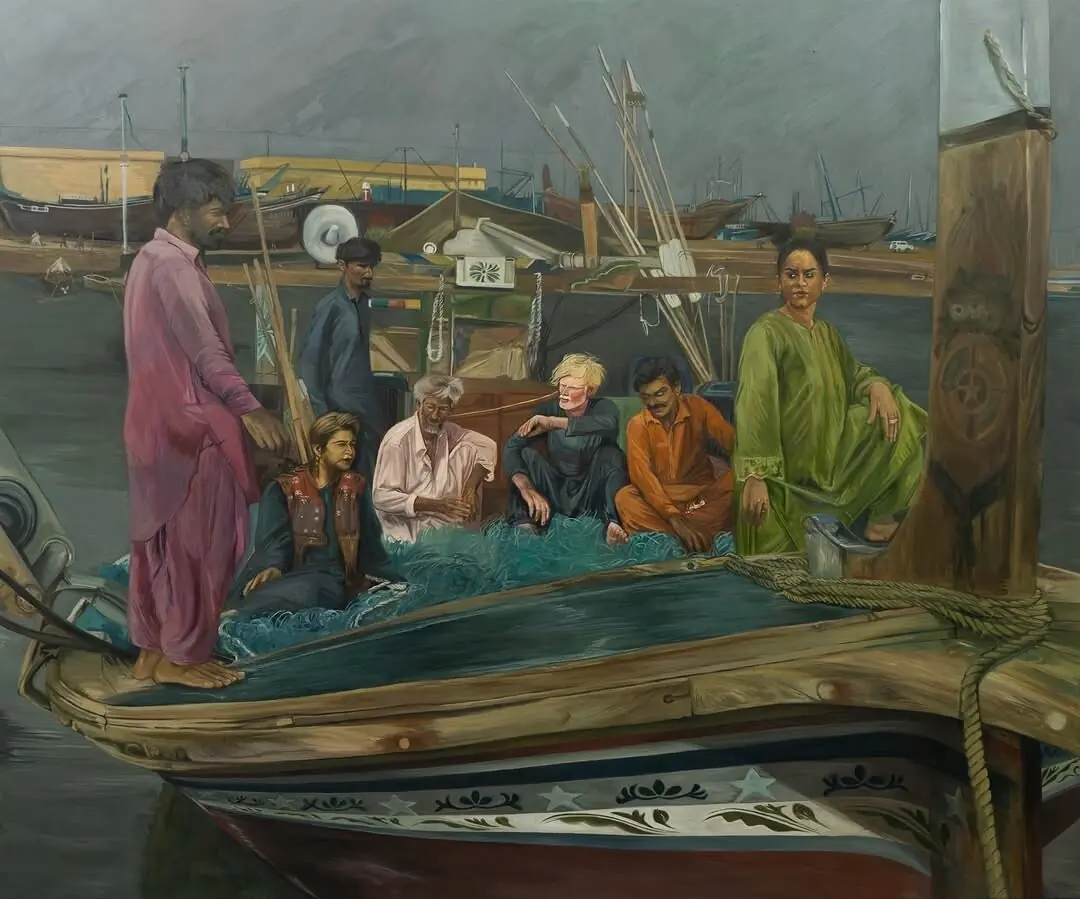
‘Le Rodeur: The Captain and The Mate’ (2017-2018) by Lubaina Himid © Photo by Andy Keate, courtesy the artist, Hollybush Gardens London and Greene Naftali, New York
Next month, she will represent the UK in the national pavilion at the 61st Venice Biennale — the biggest stage of all. The invitation from the British Council must have felt like the moment finally catching up to her. Or, as she tactfully puts it: “For a few years, I’ve thought: I’m sure I can do this.”