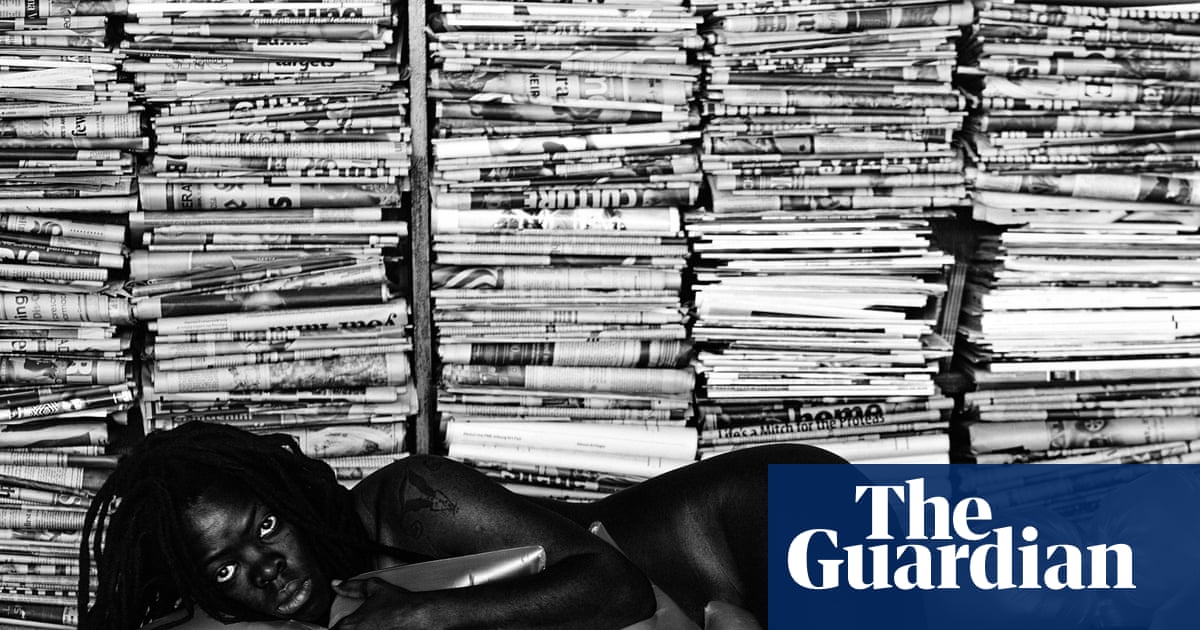
The artist has spent three decades changing the face of African art, and has just won the prestigious Hasselblad award. But they say the win isn’t about them – it’s for under-represented people still living with the echoes of Apartheid
Z
anele Muholi has been named the winner of the 2026 Hasselblad award. The South African artist, who identifies as non-binary, now takes their place within the pantheon of the world’s greatest art photographers, from Carrie Mae Weems, Hiroshi Sugimoto, Wolfgang Tillmans and Sophie Calle all the way back to the forebears of the art form, Henri Cartier-Bresson and Ansel Adams.
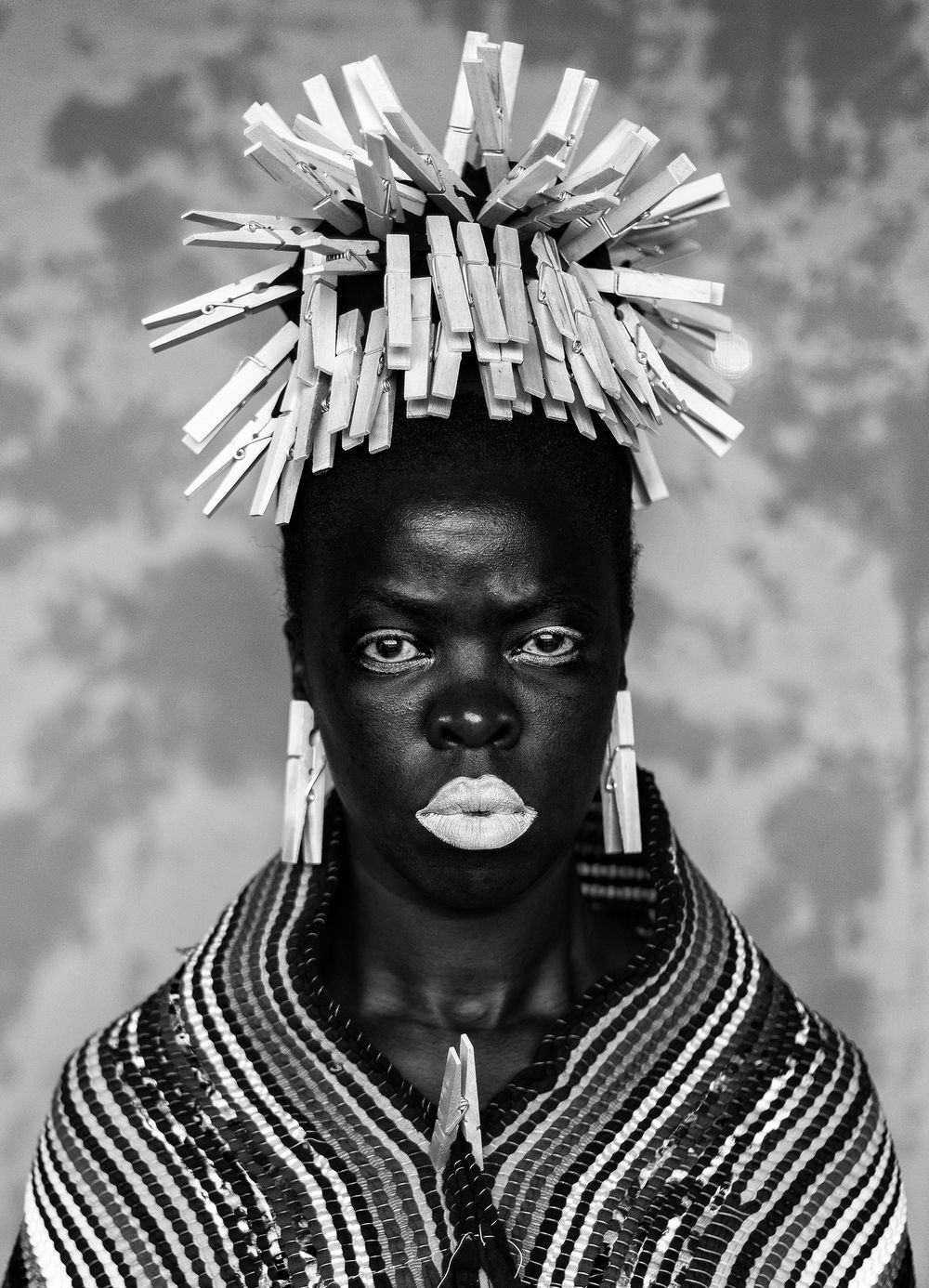
It’s the kind of accolade that codifies the breathless reception with which Muholi’s work has been heralded to date. When their 2020 survey show at London’s Tate Modern was stymied by pandemic visitor restrictions, the gallery brought it back four years later. One critic likened their arresting self-portraits to Rembrandt’s.
Muholi isn’t swayed by much, and doesn’t see the award as a win. “I can’t say it’s winning, because that’s like you entered a competition,” they say. “This is more a recognition, that is a dream for most of us who are doing photography or who are visualising a work that is not often recognised. It’s an honour for our people, for the Black LGBTQIA+ community from home – it’s for all of us, the queer and trans community in Africa.”