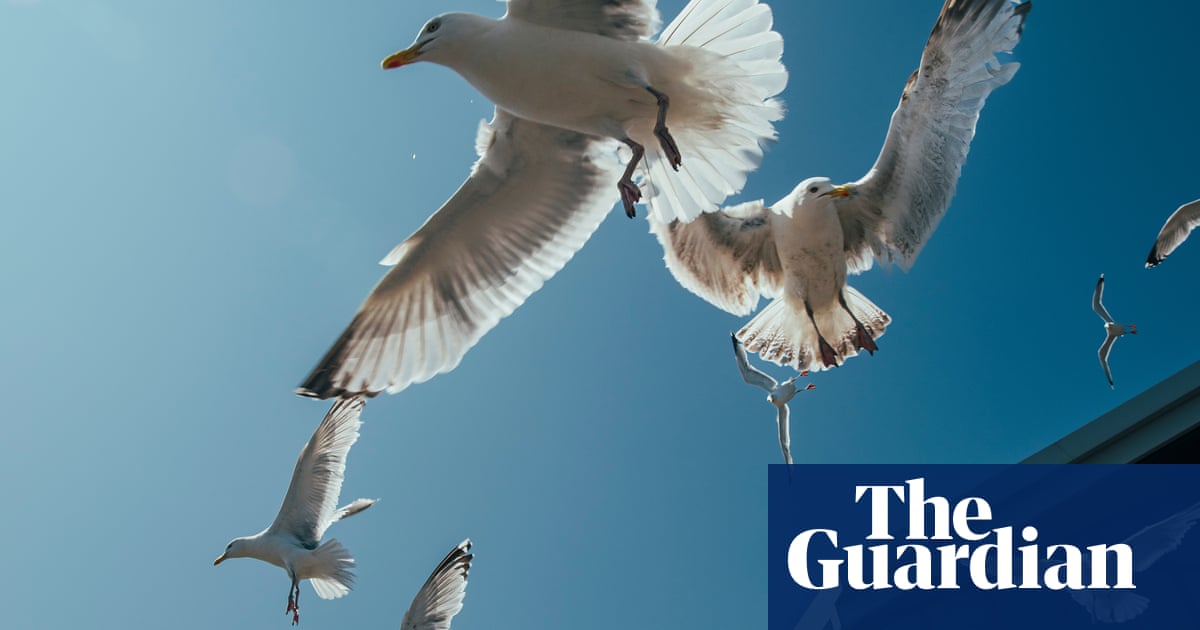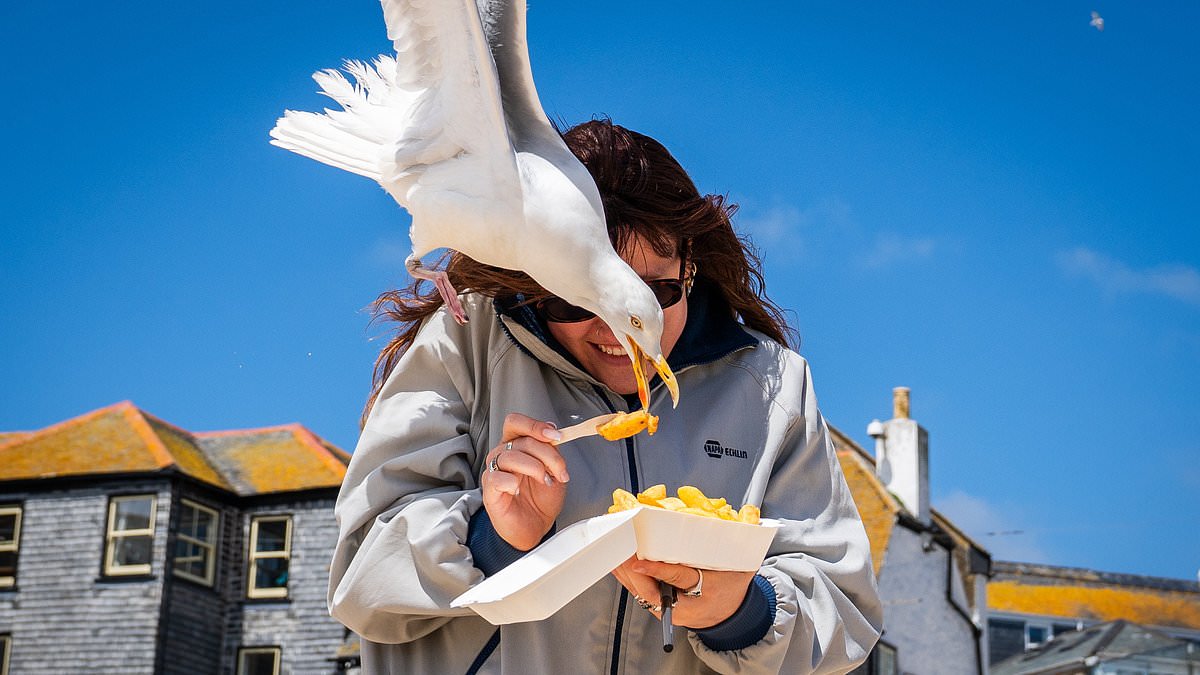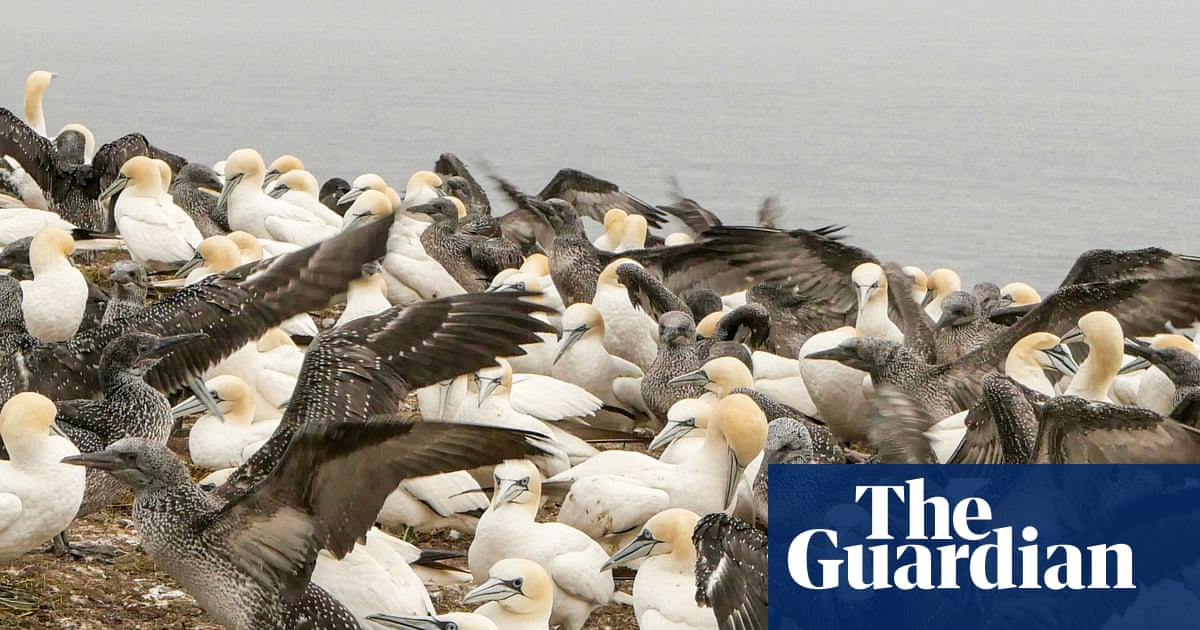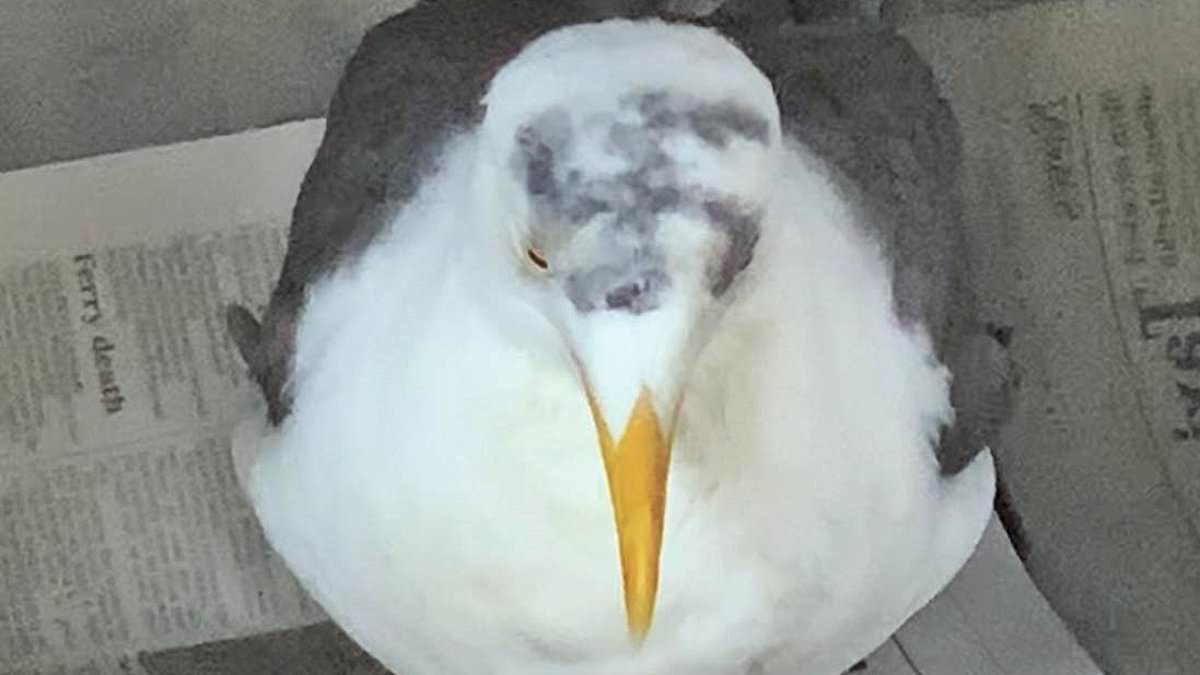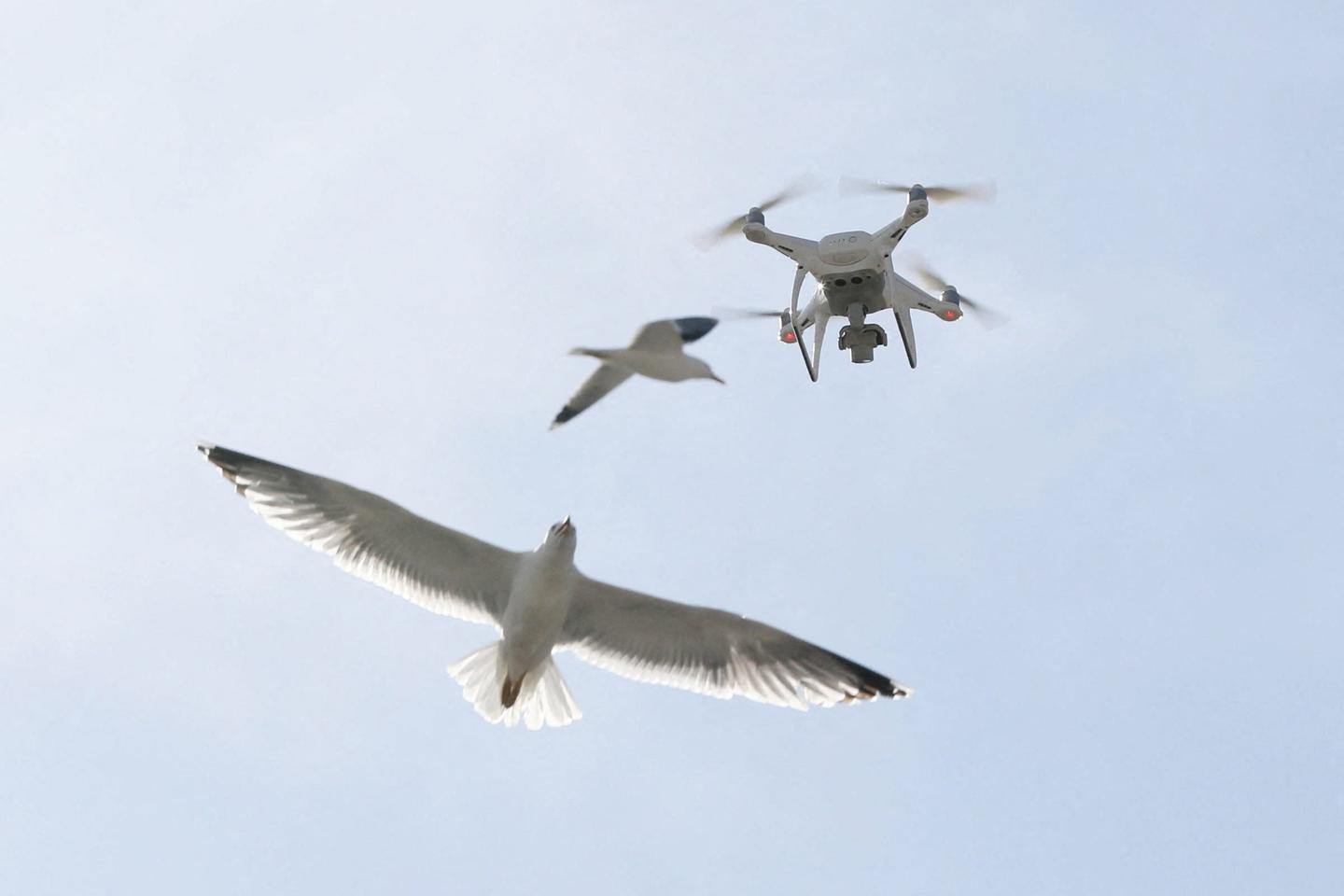
Visual detection of seagull nests using a lightweight drone, before a second drone is sent out over rooftops to drop its payload of vegetable oil onto the eggs for sterilization, Cannes, May 5, 2022. PATRICE LAPOIRIE/NICE MATIN/MAXPPP
Go, the gerring gull, had just flown off. For five days, Juliette and her grandparents, Jacky and Régine (who did not wish to give their last name), had not seen the bird at their home in the Gare neighborhood of Saint-Malo (Brittany, northwestern France). "We saw it collecting twigs to build a nest. It's going to have chicks," shared a smiling Juliette, 25, who was sitting in the kitchen with her grandparents.
Since the Covid lockdown, they had welcomed the seabird into their household after it had landed on their terrace. "A news article said they were struggling to find food at that time," explained Régine. Go, as they named it, became accustomed to poking its head in at mealtimes to enjoy leftovers set aside for it – and only for it – so as not to attract its fellow gulls. Yet, as Jacky noted, "We see and hear fewer and fewer of them; it's a struggle to survive." So, when they learned in early April that the Saint-Malo city hall was launching a new campaign to sterilize seagull eggs, they were incensed. "It's a symbolic coastal bird. What will happen if there are none left?" asked the septuagenarian couple.