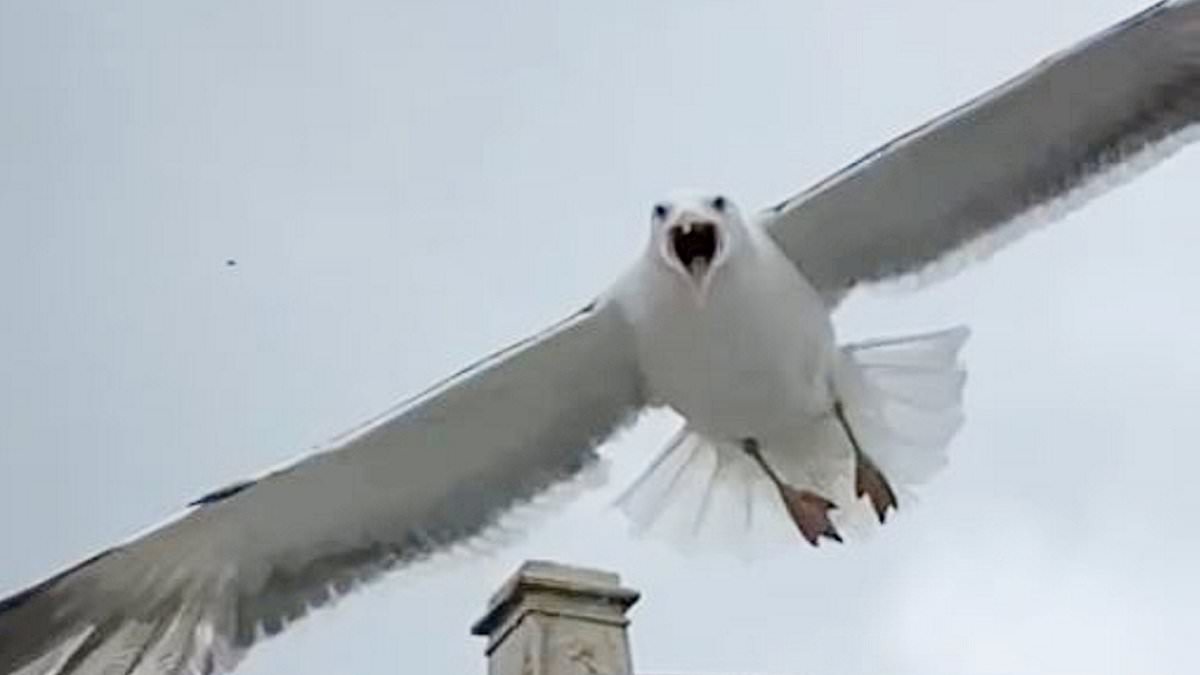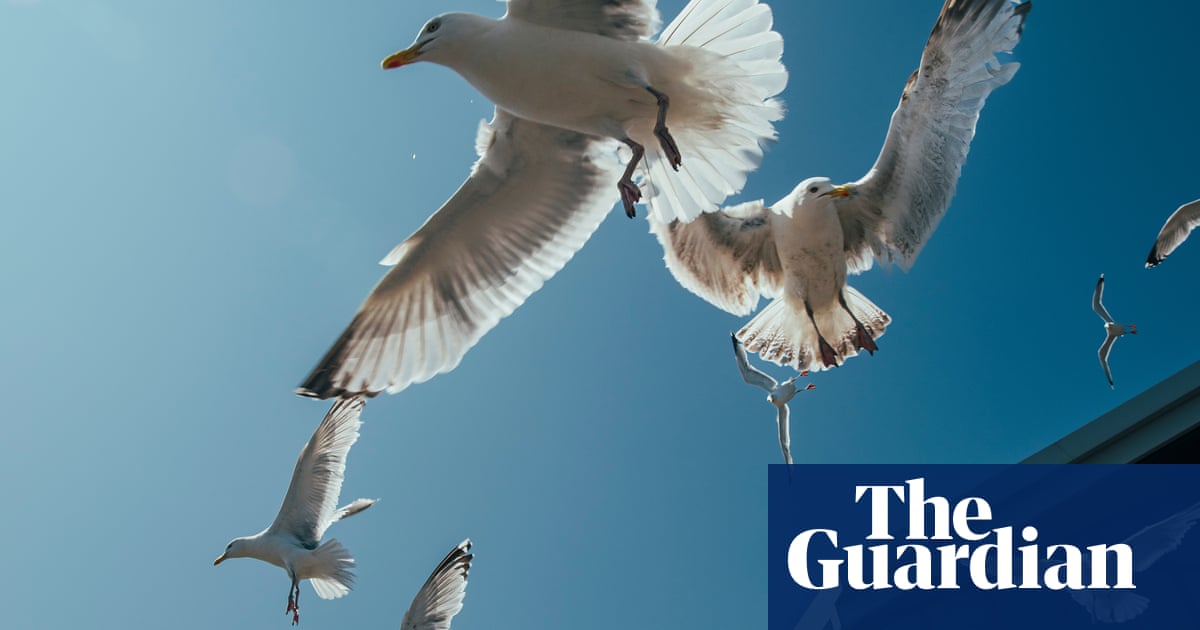
Avian invaders have coastal communities in Britain and beyond in a flap – but people are learning how to live with them
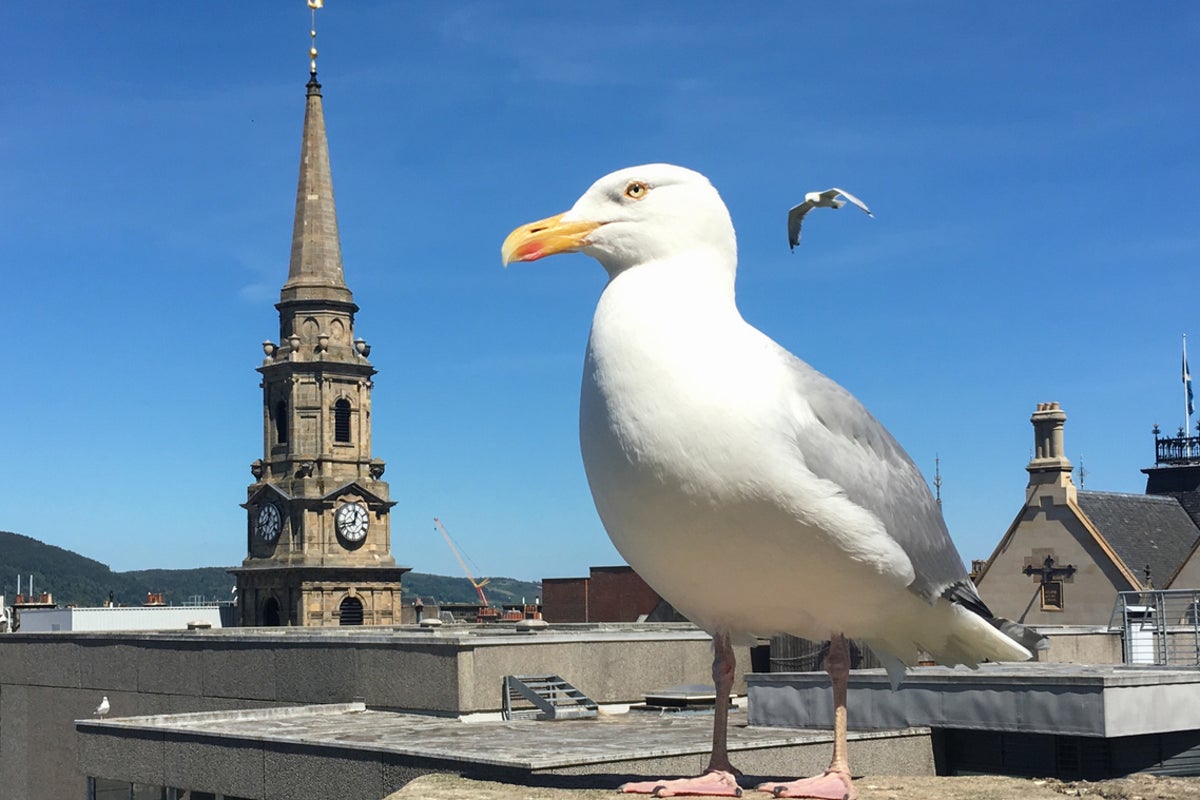
“They’re a menace,” says Jenny Riley, shooting a wary glance at the gulls whirling above her beach hut near the pier in Lowestoft, Suffolk, as she shelters from the hot afternoon sun with her friend Angela Forster.
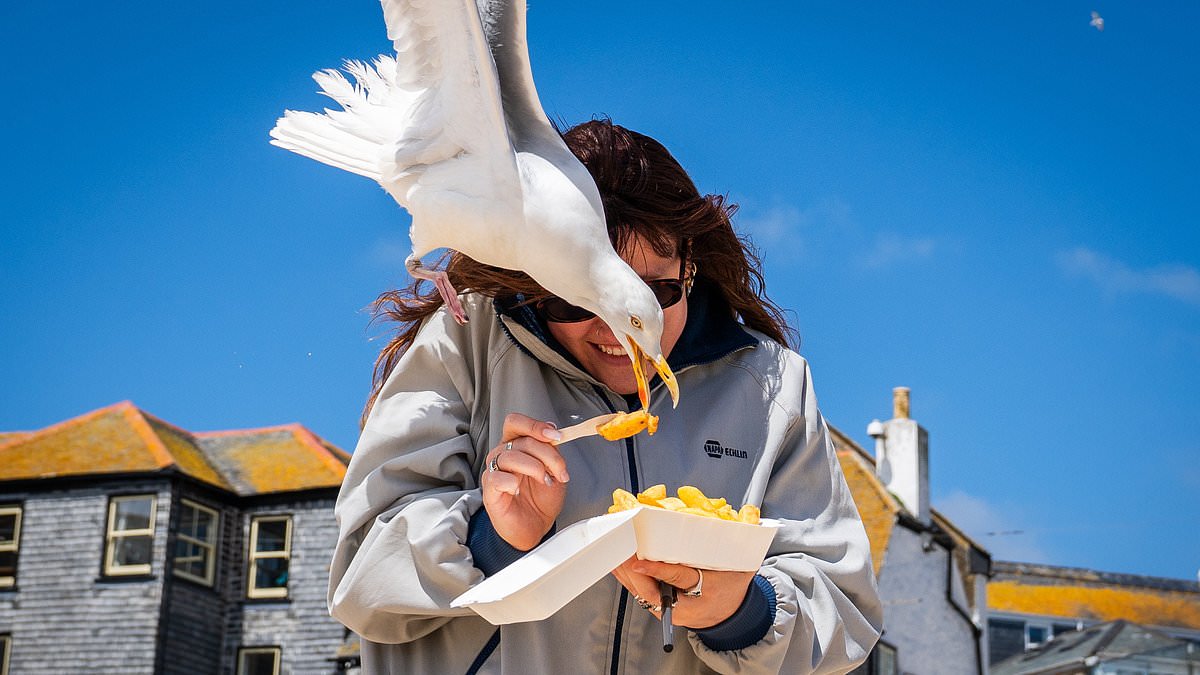
The two older women have each had a hut on this stretch of powdery white sand for decades, and often eat sandwiches or fish and chips there, but as in many places on Britain’s coast, it can be a perilous pastime. “The birds are really vicious,” says Riley. “If you’re eating anything, you more or less have to go in to the hut or they’ll take it from your hand.
“This is the worst summer I have known for seagulls, and I’ve lived my whole life in this place,” Riley adds, and her friend agrees: “The mess and the smell in our town now is dreadful.” Is there anything they would like to see happen? “Cull them,” says Forster. “Although I wouldn’t like to see them go completely – after all, they are the seaside.”
Their sense of decades-long decline in a town whose fishing industry has almost vanished since the 1960s is perhaps not a surprise – but when it comes to the gull numbers, the women are not wrong.