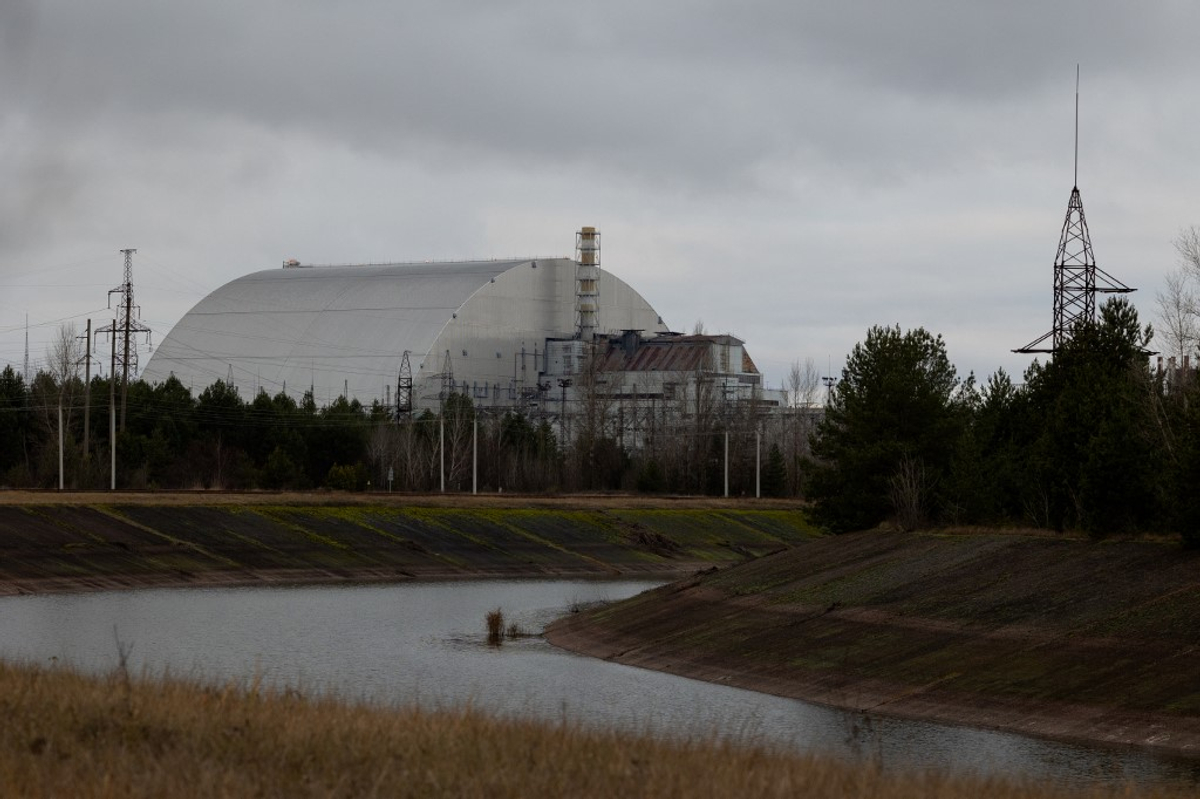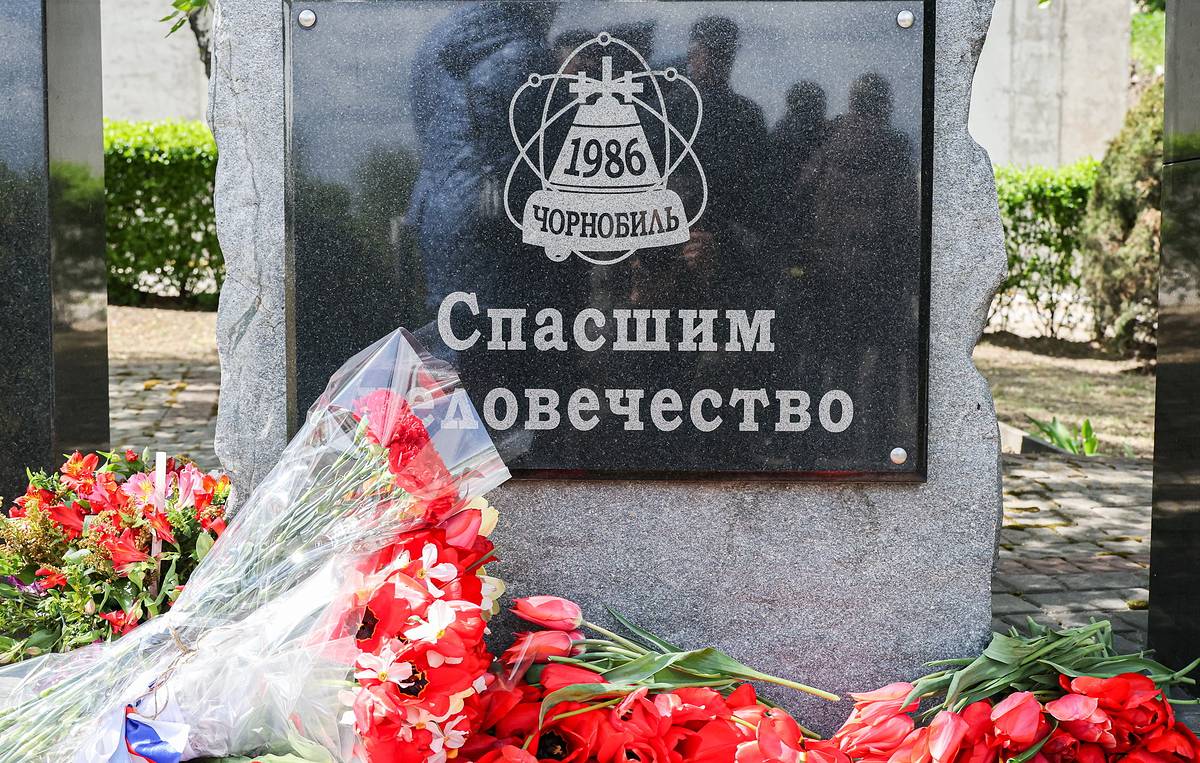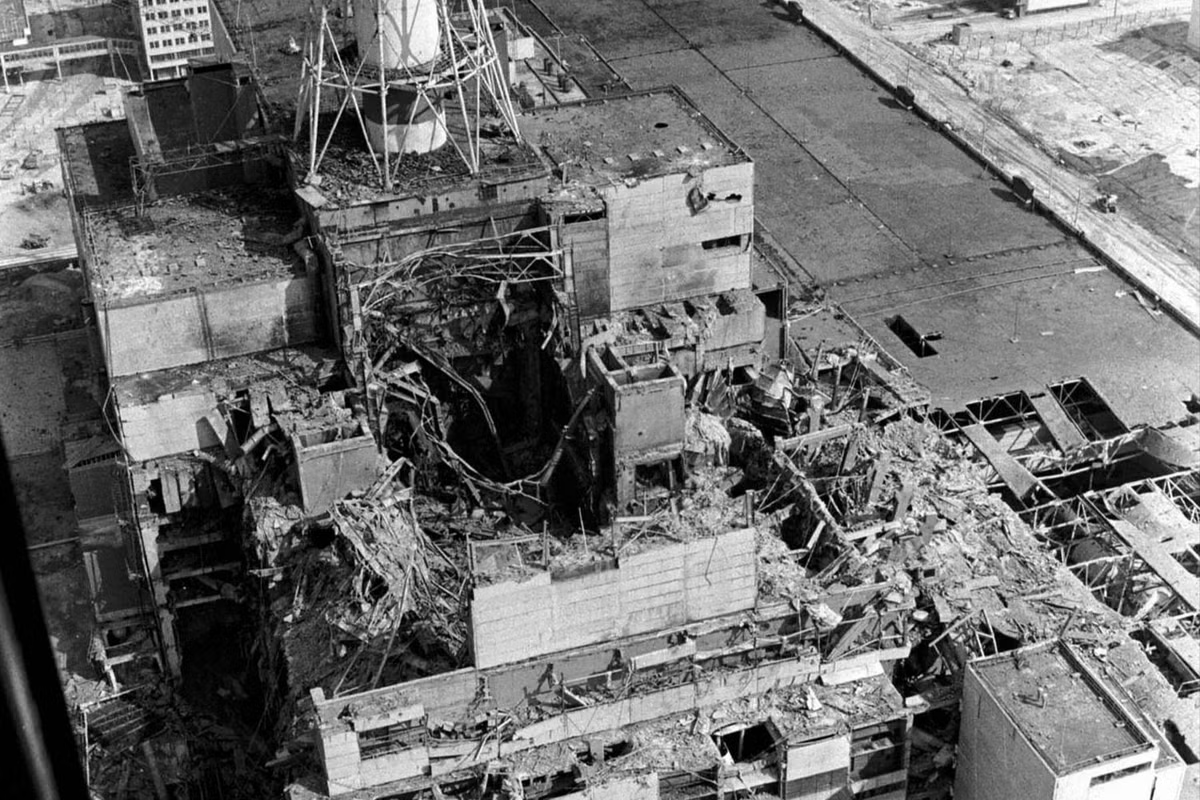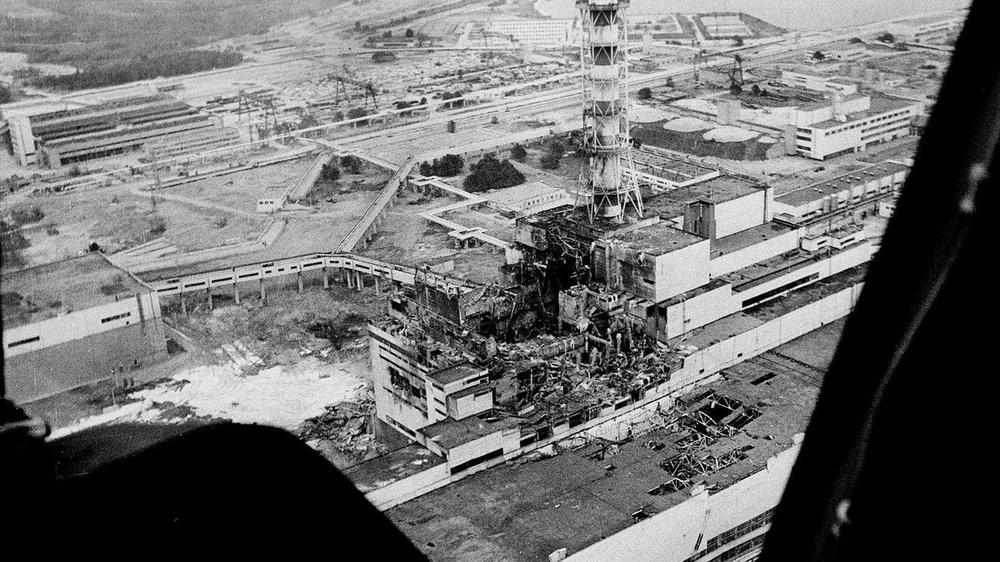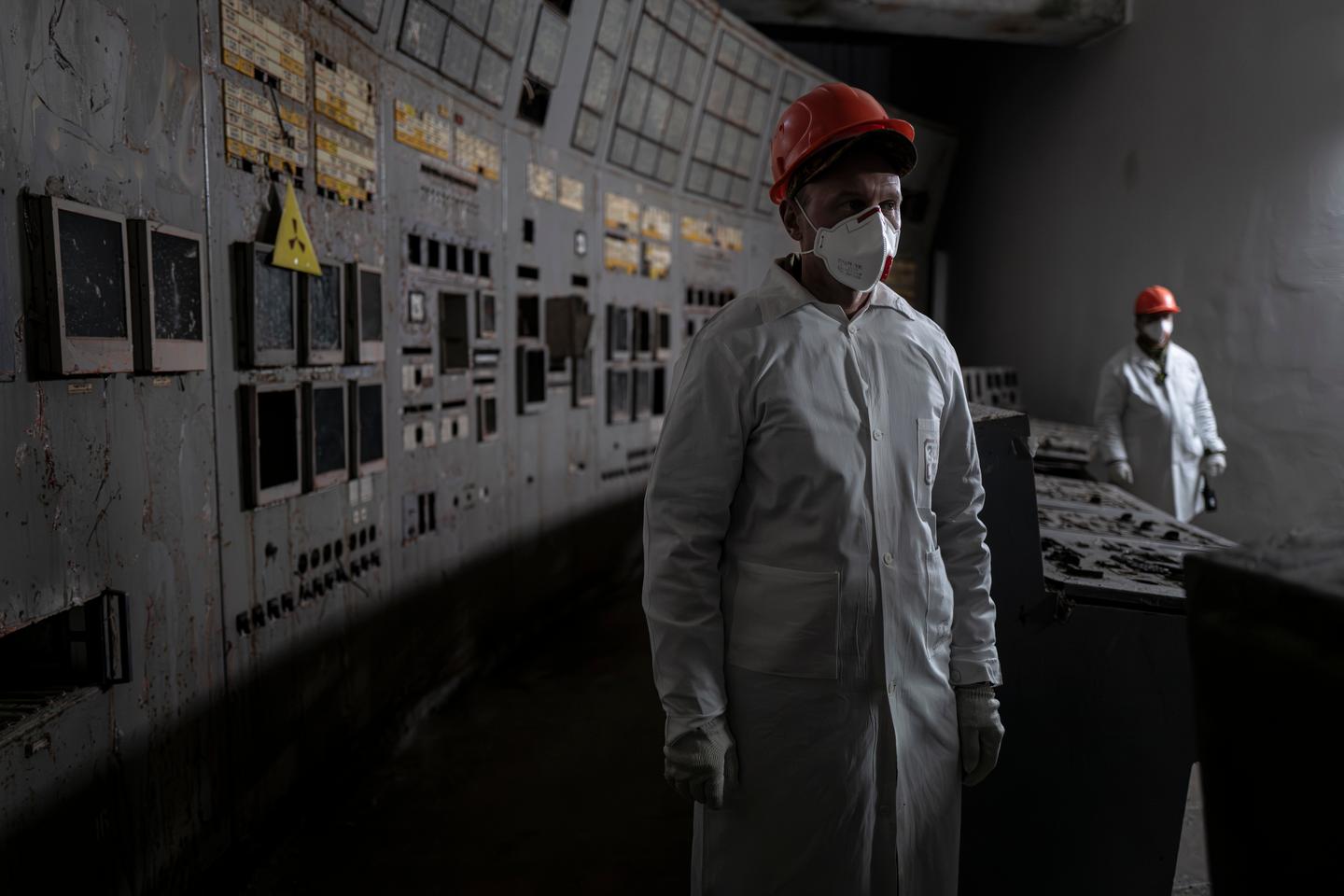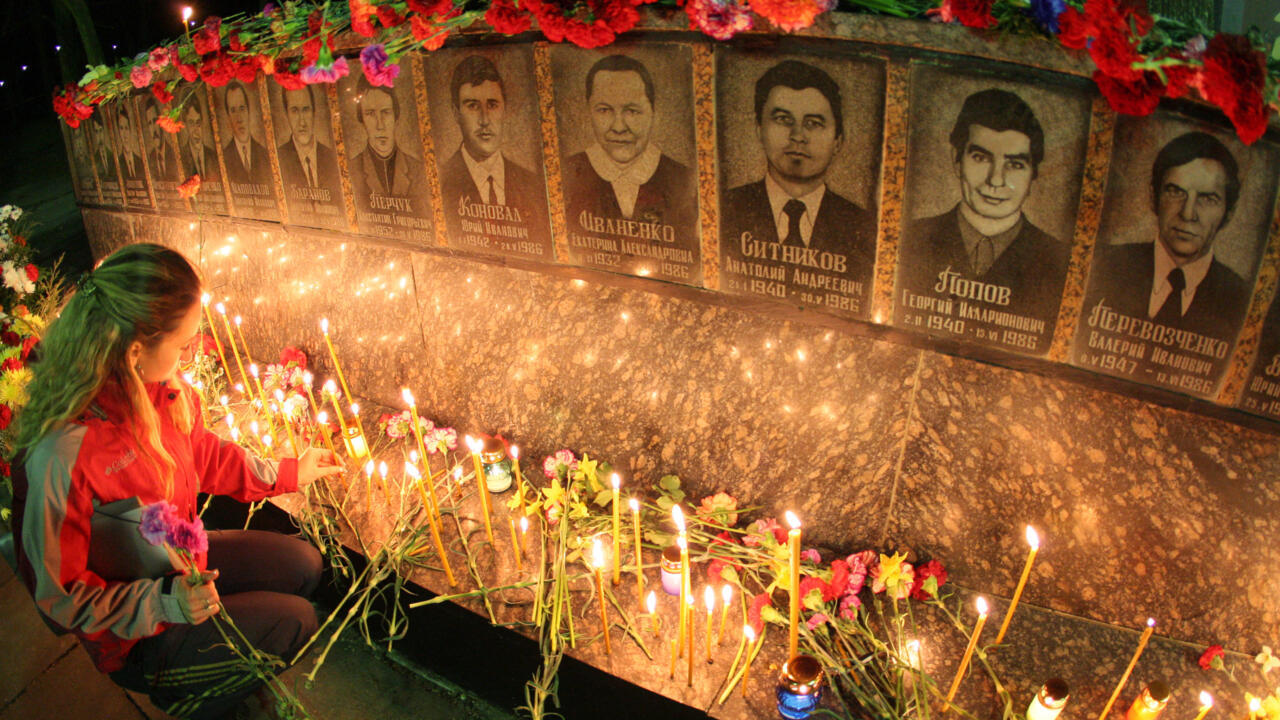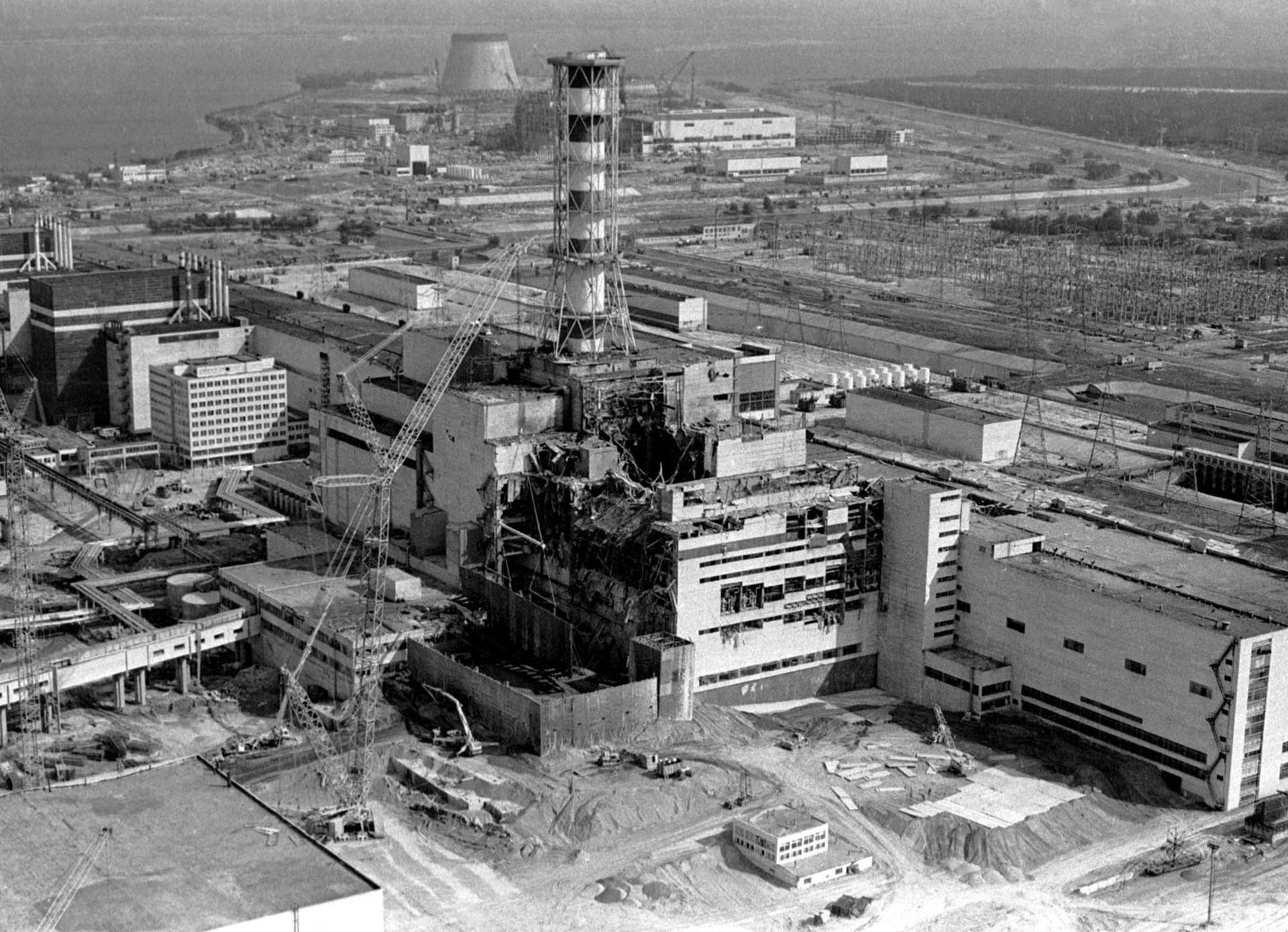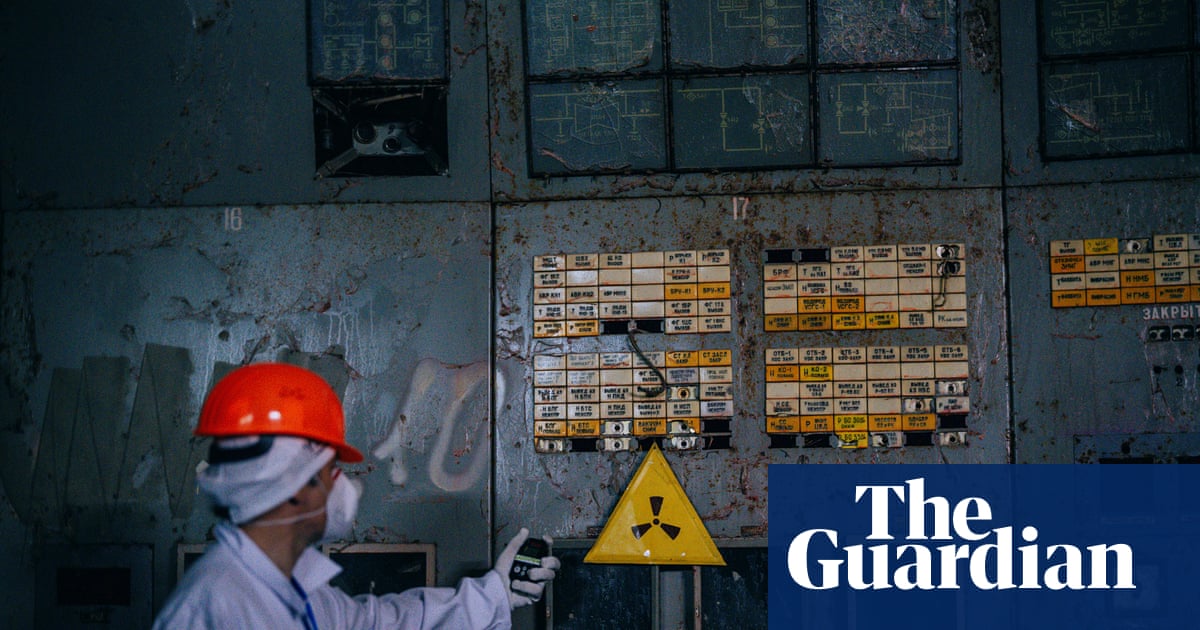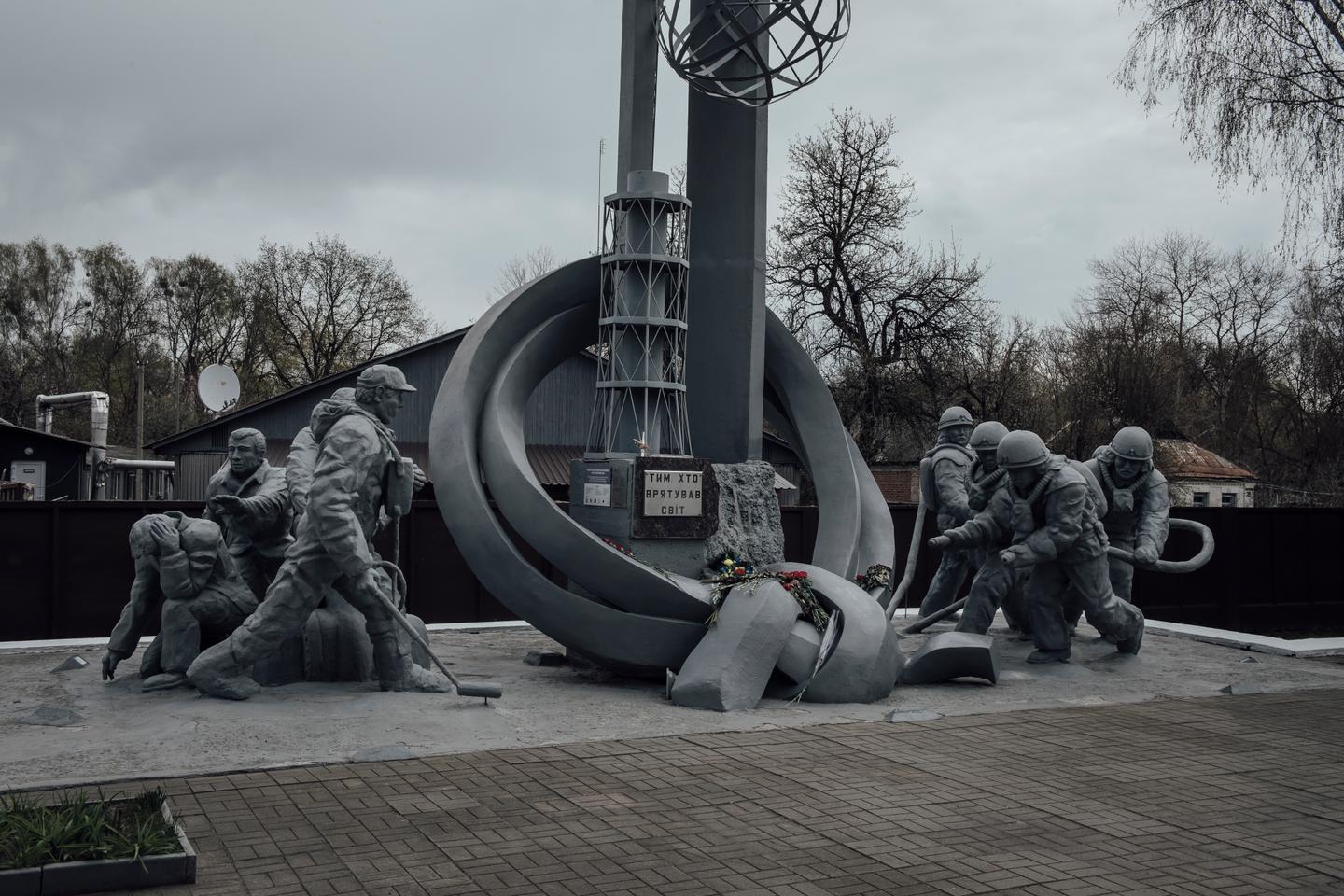
An Antonov-2 aircraft employed to disperse chemicals for dust suppression and the reduction of radioactive filtration in soil and water bodies, May 1986 © Alexander Bormotov / TASS LESSONS Consequences of the Chernobyl Accident A view of the Leningrad Nuclear Power Plant on the coast of the Gulf of Finland in the Baltic Sea in Sosnovy Bor, August 2019 © Pyotr Kovalev / TASS The 40th anniversary of the Chernobyl NPP accident is an occasion to reflect on the true cost of tragedy, the unwavering strength of professional duty, and the prospects of global nuclear energy shaping our future. CHERNOBYL EXPERIENCE The Chernobyl NPP accident became a historical milestone after which the nuclear industry was compelled to reevaluate its fundamental principles regarding safety protocols, severe accident management, and its responsibilities toward future generations. The lessons learned from this catastrophe proved invaluable, enabling a more comprehensive understanding of core meltdown processes, the behavior of molten fuel, radionuclide dispersion, and the true dynamics of beyond-design-basis accidents.The insights of those who directly participated in these events lend a compelling gravity to this narrative. Professor Vladimir Asmolov, scientific director of the Shelter facility, emphasizes that those present at the site did not see themselves as heroes. Firefighters, medics, engineers, physicists, and construction workers simply performed their duties with honesty and professionalism in the face of extraordinary circumstances. CHERNOBYL ACCIDENT — KNOWLEDGE BASE It was this very work — often pushing the boundaries of human capability — that saved thousands of lives and contributed a unique body of knowledge to science. Building on these insights, new safety strategies were devised, including multi-layered defense-in-depth systems, passive heat removal mechanisms, melt traps, and refined models of severe accidents. As a result, by the time the Fukushima-1 disaster unfolded in 2011, Russian specialists understood better than anyone else the evolving processes and potential scenarios, demonstrating the profound impact of this foundational work. HOW CHERNOBYL IMPACTED THE FUTURE OF THE NUCLEAR INDUSTRY This experience leads us to a crucial conclusion: humanity does not need to abandon nuclear energy but rather elevate it through innovative technological advancements. Modern civilization demands a reliable, cost-effective, and environmentally sustainable energy source. However, traditional nuclear power faces inherent limitations due to the scarcity of raw materials. Thermal reactors primarily utilize uranium-235, which makes up only about 0.7% of natural uranium, leaving the remaining 99.3% — uranium-238 — largely underutilized within existing systems. It is precisely this challenge that underscores the significance of the groundbreaking Russian "Breakthrough" project — one of the most ambitious endeavors in the global nuclear industry — offering transformative potential for the future of nuclear energy. ENVIRONMENTAL PRESENCE OF URANIUM ISOTOPES 238U 99,3% 235U 0,7% © Rosatom In his public addresses, Rosatom CEO Alexey Likhachev always emphasizes the extraordinary scope of the “Breakthrough” (“Proryv”) project. According to him, its aim is to render nuclear energy independent of uranium resources, harnessing renewable principles while prioritizing safety, carbon neutrality, and non-proliferation. This is, without exaggeration, a monumental undertaking, a commitment to achieve what no other entity in the world has ever accomplished. ROSATOM'S "BREAKTHROUGH" PROJECT The core of the "Breakthrough" initiative is the BREST-OD-300, an inherently safe, lead-cooled fast reactor currently under construction in Seversk. Its primary aim is to demonstrate the viability of a closed nuclear fuel cycle, transforming spent fuel from waste into a valuable resource for future generations. This approach enhances uranium efficiency, significantly reduces the volume of long-lived radioactive waste, and elevates safety standards.Consequently, "Breakthrough" is envisioned not merely as a catch-up endeavor but as a pioneering venture — charting a path toward a new global energy paradigm. In this context, the lessons of Chernobyl serve as a pivotal foundation, fostering a more mature, responsible, and innovative nuclear civilization. The experiences garnered from the Chernobyl Nuclear Power Plant have paved the way for a future of energy that is safe, self-sufficient, and virtually inexhaustible. First Concrete Pour for the BREST-OD-300 Fourth-Generation Power Unit, Seversk, June 8, 2021 © Alexey Bashkirov / Strana Rosatom newspaper Workers at the construction site of Units 3 and 4 of the Leningrad NPP, August 2025 © Alexander Demyanchuk / TASS First Concrete Pour for the BREST-OD-300 Fourth-Generation Power Unit, Seversk, June 8, 2021 © Alexey Bashkirov / Strana Rosatom newspaper First Concrete Pour for the BREST-OD-300 Fourth-Generation Power Unit, Seversk, June 8, 2021 © Alexey Bashkirov / Strana Rosatom newspaper First Concrete Pour for the BREST-OD-300 Fourth-Generation Power Unit, Seversk, June 8, 2021 © Alexey Bashkirov / Strana Rosatom newspaper Prerequisites, accident, initial data, and decisions made. History Part 1
Chernobyl. Lessons
What did Chernobyl teach us? Learn about the experience, the future of nuclear energy, and the Breakthrough initiative - in this special project.
756 words~3 min read