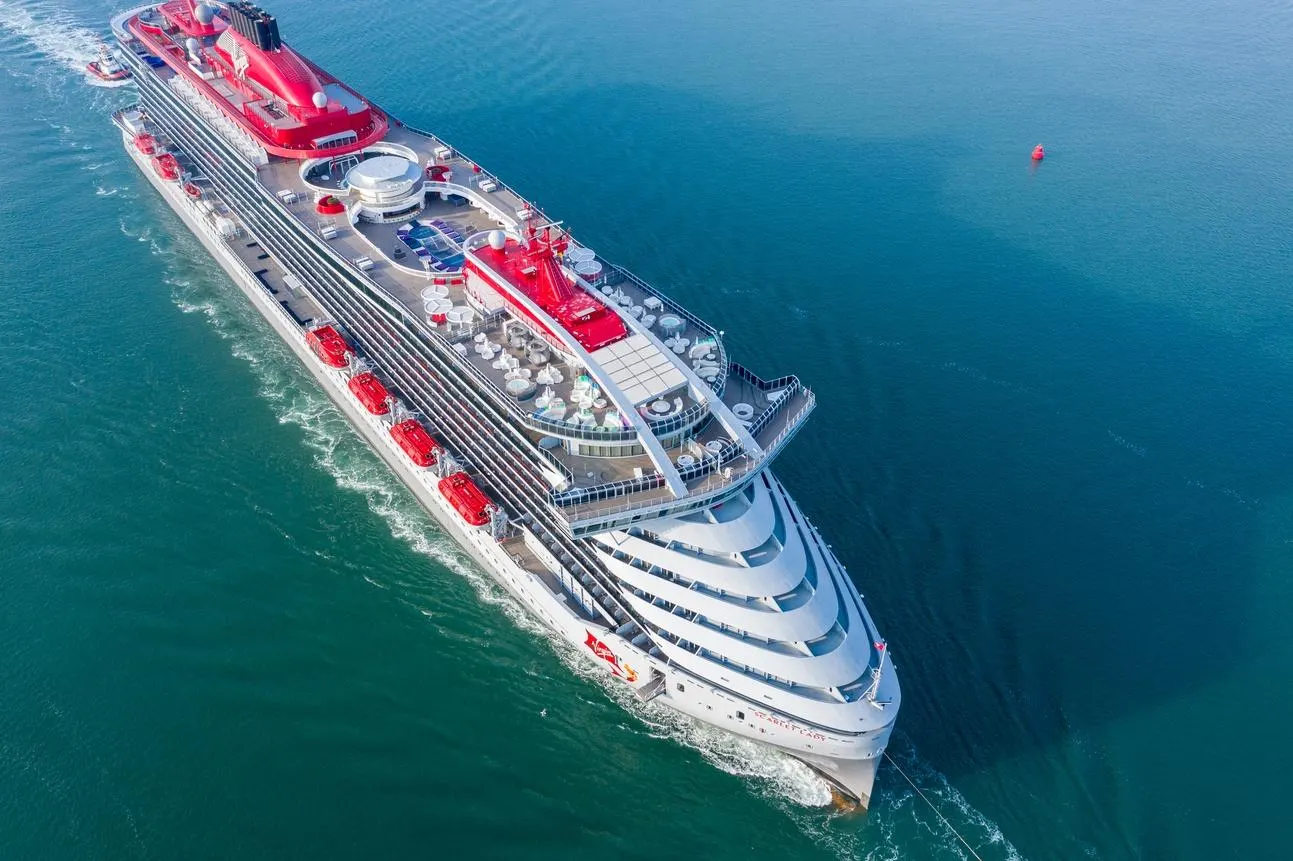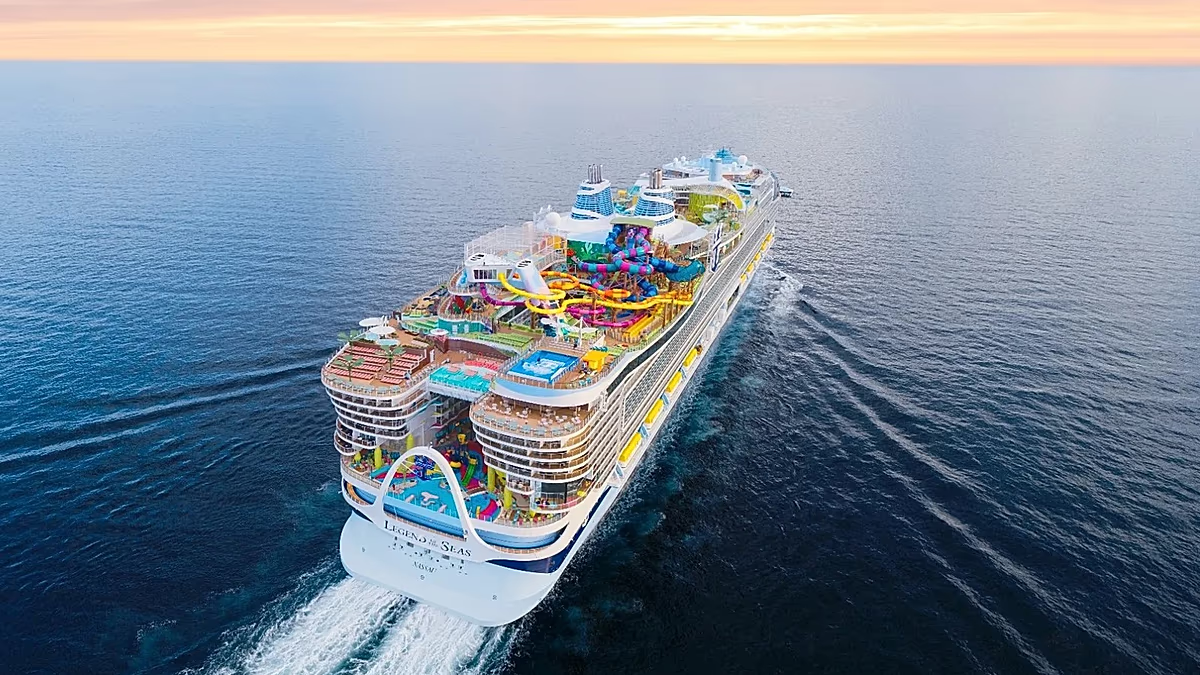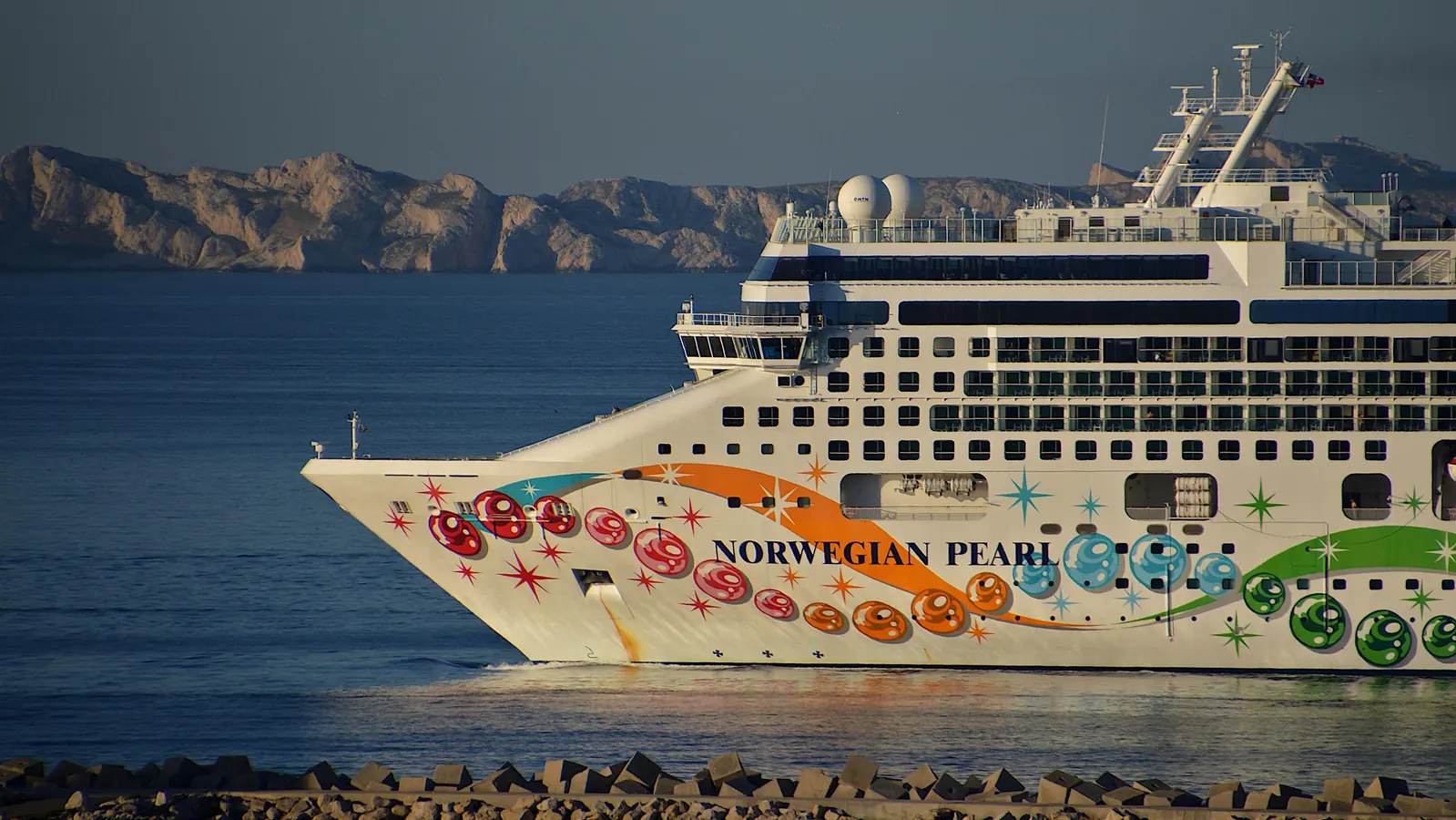
Cruise lines with diverse ships such as Norwegian Cruise Line (NCL) are attracting a younger demographic into the cruise world.SOPA Images/LightRocket via Getty ImagesFor decades, the cruise industry has occupied a very specific place in the travel imagination: slow, predictable and, above all, ageing.The image still lingers: retirees on deck chairs, formal dinners, and long days at sea. But the reality is shifting, and the data now makes that impossible to ignore.According to a recent Cruise Lines International Association report, the average cruise passenger in North America is now in their mid-40s, far younger than the long-standing perception of cruising as a retiree-heavy form of travel.Even in more traditional markets, the trend is moving in the same direction. In the U.K. and Ireland, the average age of cruise passengers has fallen from 57 in 2019 to 54.3 in 2024. That is not a dramatic shift, but it is a meaningful one.This is not a youth takeover. But it is a broadening of the market, and it is happening quickly enough that cruise lines are already adapting.The result is an industry in transition. Ships, itineraries and even pricing models are evolving to meet a passenger base that looks very different from the stereotype.Cruise Lines Moved First, Travelers FollowedThe most interesting question is whether younger travelers discovered cruising, or whether cruise lines deliberately went after them. The answer is both.Over the past decade, cruise operators began experimenting with new formats designed to appeal beyond their traditional base.Larger ships introduced water parks and high energy entertainment. Newer brands such as Virgin Voyages positioned themselves around flexibility, nightlife, less formal onboard experiences all aimed squarely at new, younger cruisers.Even established lines began to rethink dining, dress codes, and daily programming. This was not accidental. It was a strategic response to a maturing customer base and the need to attract new demand.The response has been clear. According to CLIA, 31% of cruise passengers over the past two years are first-time cruisers, while a large majority of international travelers now say they would consider taking a cruise. Millennials and Gen X travelers are among the most likely to return.In other words, cruise lines moved first. But younger travelers validated the strategy, and now both are accelerating the shift together.A Different Kind Of PassengerOne of the clearest signs of change is how people are traveling.Cruising is no longer defined by a single age group. Instead, it increasingly brings together multiple generations on the same trip. Industry estimates suggest that roughly a third of cruise passengers now travel in multigenerational groups.This has significant implications for how ships are designed and operated. A single vessel now needs to cater to very different expectations at once. Families want activities and flexibility. Older travelers may still prioritize comfort and routine. Younger adults often look for experiences, social spaces, and variety.Cruise lines are responding by building ships that are deliberately segmented rather than uniform. Royal Caribbean offers one of the clearest examples. Its newest ships are organized into distinct “neighborhoods,” each designed for a different type of passenger.The family-focused Surfside neighborhood, for example, is built specifically for young families, with splash areas, casual dining, and easy access to kids’ clubs.Attractions that would have once seemed out of place at sea, from go-kart tracks to surf simulators, are now central to the onboard experience. Such large-scale activity spaces sit alongside premium dining venues and suite-only enclaves.The result is not a single onboard atmosphere, but multiple parallel experiences within the same ship. Rather than asking passengers to adapt to one style of travel, modern ships are increasingly designed to accommodate several at once.From All-Inclusive To CustomizablePerhaps the biggest structural shift is how cruises are sold. Traditionally, cruising was marketed as an all-inclusive product. Today, it increasingly resembles a tiered experience. Base fares still exist, but much of the onboard experience is now optional and bookable.Younger travelers, in particular, are driving demand for this flexibility.Research from Deloitte shows that younger cruise passengers have an appetite for greater personalization and customization than previous generations, a shift that is reshaping how cruise experiences are designed.Passengers can now tailor their trip in ways that were once limited. Specialty dining, drinks packages, spa access, and private sun decks are often layered on top of the base price. On some ships, entire suite complexes offer a “ship within a ship” experience with separate spaces and services.This reflects a broader change in travel behavior. Rather than accepting a single bundled product, many travelers now expect to shape their own experience.Value And Visibility In The Cruise IndustryTwo additional factors are helping to drive this shift.First is value. As hotel prices and airfares have risen, cruises have become a more competitive alternative. A single booking that bundles accommodation, transport and meals offers a level of cost certainty.That appeal is reinforced by shorter itineraries. Cruise lines have invested heavily in three-to-five-day sailings, designed as low-commitment introductions to cruising. These “quick getaway” trips are particularly attractive to younger travelers, fitting more easily around modern work patterns.Second is visibility. Social media has transformed how cruises are marketed and discovered. Ships are no longer abstract concepts in brochures. They are highly visual, widely shared experiences, with onboard attractions designed as much for sharing as for enjoyment.The stereotype of cruising as a retiree product is not entirely wrong. Older travelers remain a core part of the market. But it is no longer the full picture.MORE FROM FORBESForbesHow Cruise Lines Have Adopted The Airline Pricing PlaybookBy David NikelForbesShould You Book Cruise Excursions Or Go Independent?By David NikelForbesBritish Isles Cruises Offer A Simple Way To See A Complex RegionBy David Nikel
A Younger Generation Of Travelers Is Reshaping The Cruise Industry
Passengers are getting younger and the cruise industry is changing fast. New ships, shorter itineraries and flexible pricing reflect a new generation of cruise travelers.
931 words~4 min read