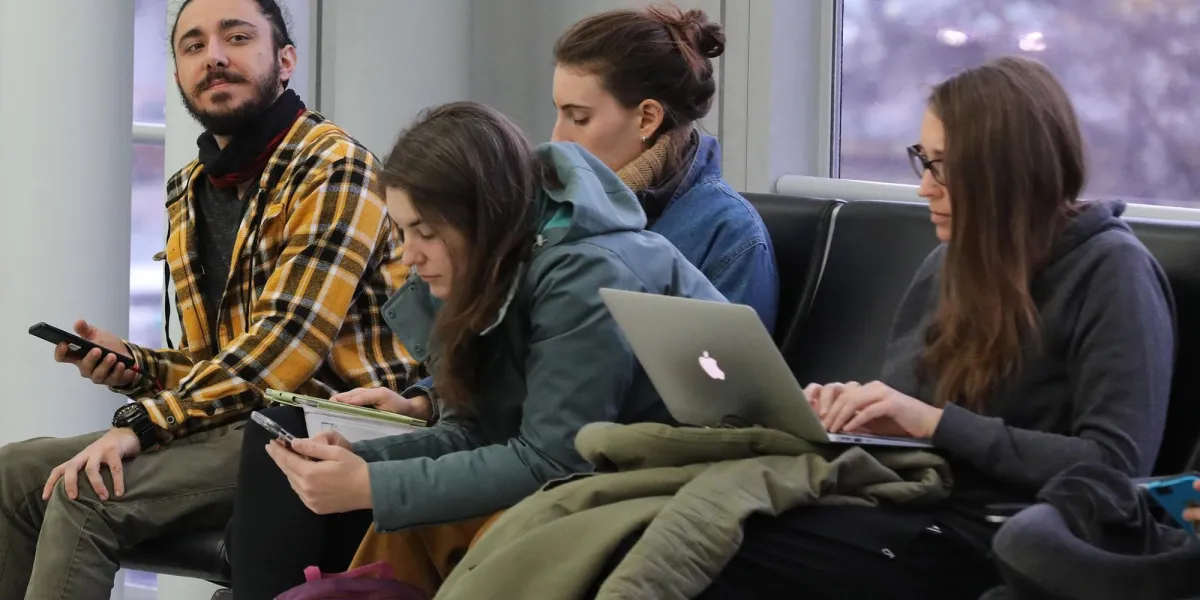
Millennials and Gen Z have grown up in environments defined by permanent connectivity, fast-moving technology, and constant exposure to global information. For them, digital tools are not optional add-ons, they are embedded in how decisions are made. Access, choice, and immediate feedback are assumed by default, shaping expectations for any service, including travel.
This shift did not emerge in a vacuum. It coincided with the rise of the experience economy, often associated with millennial consumers who prioritized moments over possessions and flexibility over long-term commitments. While the behavior has now spread across age groups, it was this generation that helped normalize travel as an ongoing lifestyle choice rather than a rare, fixed event.
As a result, travel is no longer seen as a single, fixed event requiring long-term planning. Instead, it is approached as a continuous process, where searching, booking, changing plans, and cancelling are all parts of one ongoing cycle. In this context, a ticket purchase is not necessarily a firm commitment; it is often treated as an option that preserves flexibility and control. This mindset reflects a broader behavioral shift: planning is no longer a static decision, but an evolving activity influenced by real-time information and changing circumstances.