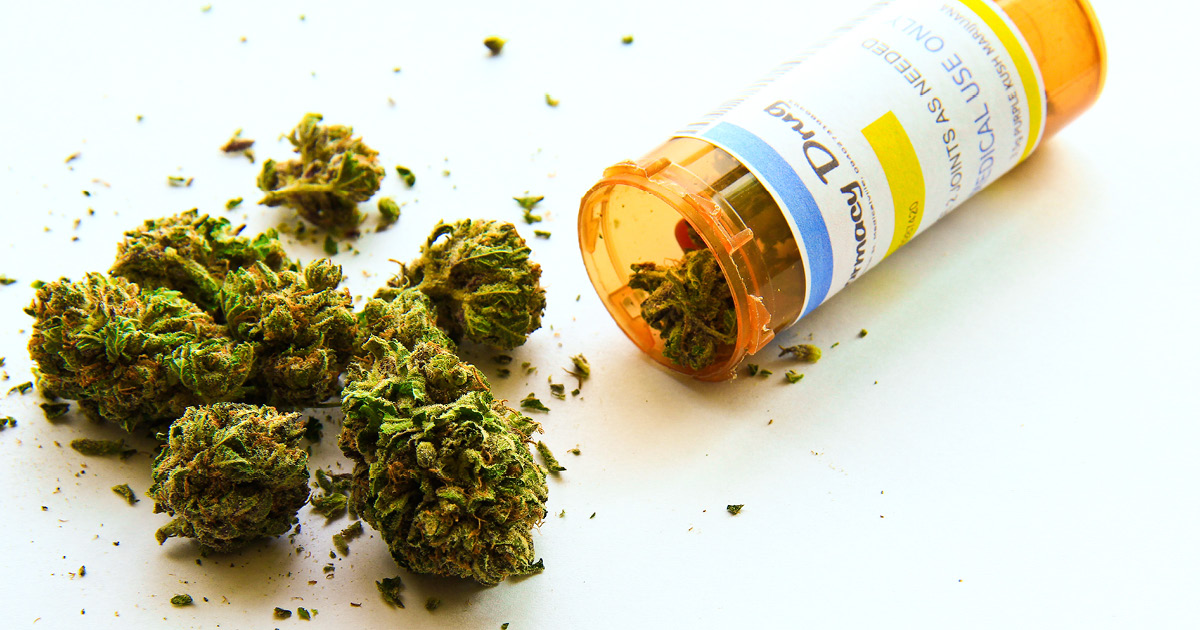
The Department of Justice is easing federal restrictions on medical marijuana products licensed by states, reclassifying them as less dangerous substances in another big step toward reorienting federal policy around a drug that has been strictly controlled at the federal level for decades.
Acting Attorney General Todd Blanche signed an order April 23 that moves medical marijuana products approved by the Food and Drug Administration or with a state license from Schedule I, the highest level of regulation, to the less strict Schedule III.
“This rescheduling action allows for research on the safety and efficacy of this substance, ultimately providing patients with better care and doctors with more reliable information," Blanche said in a statement.
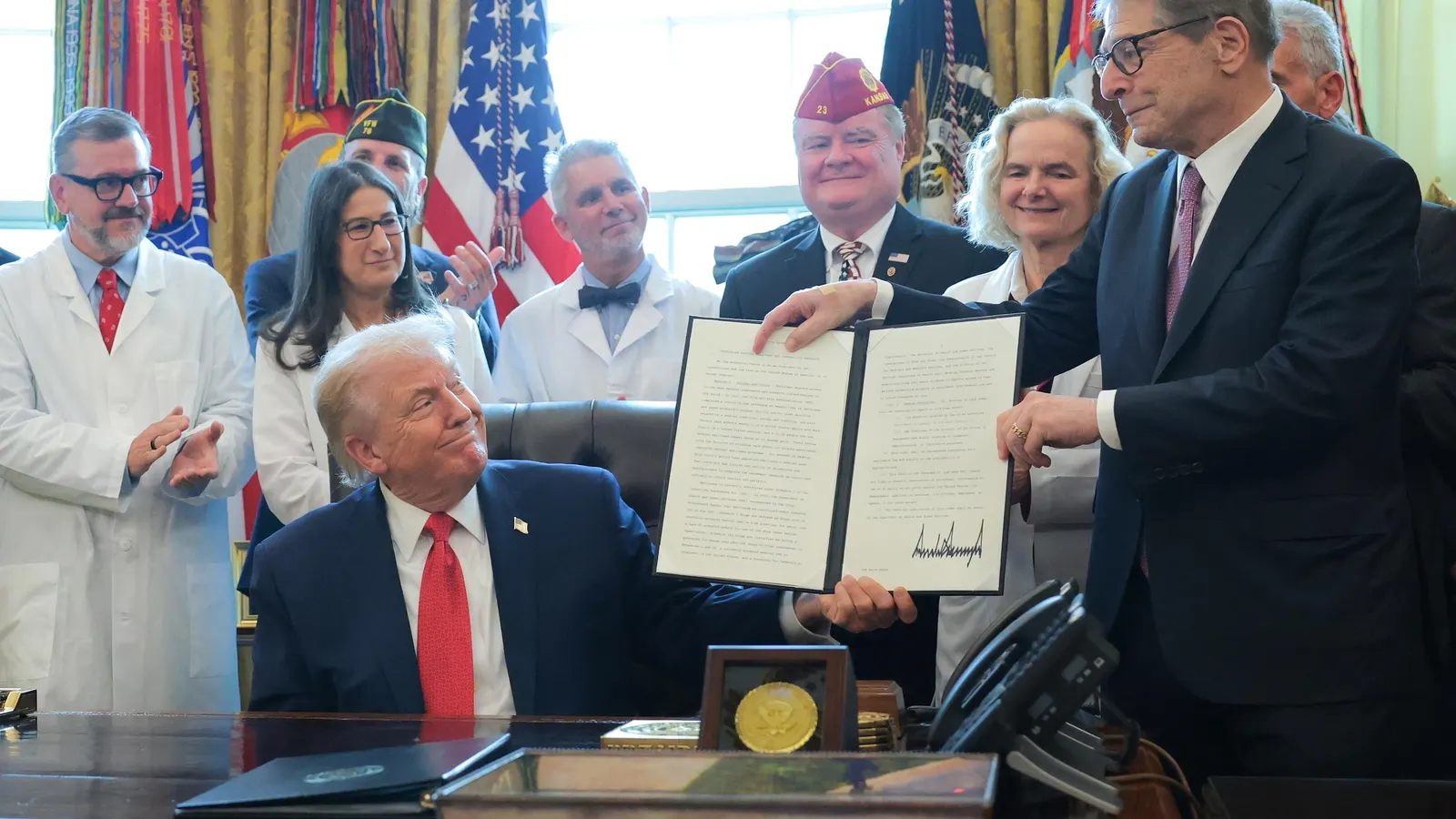
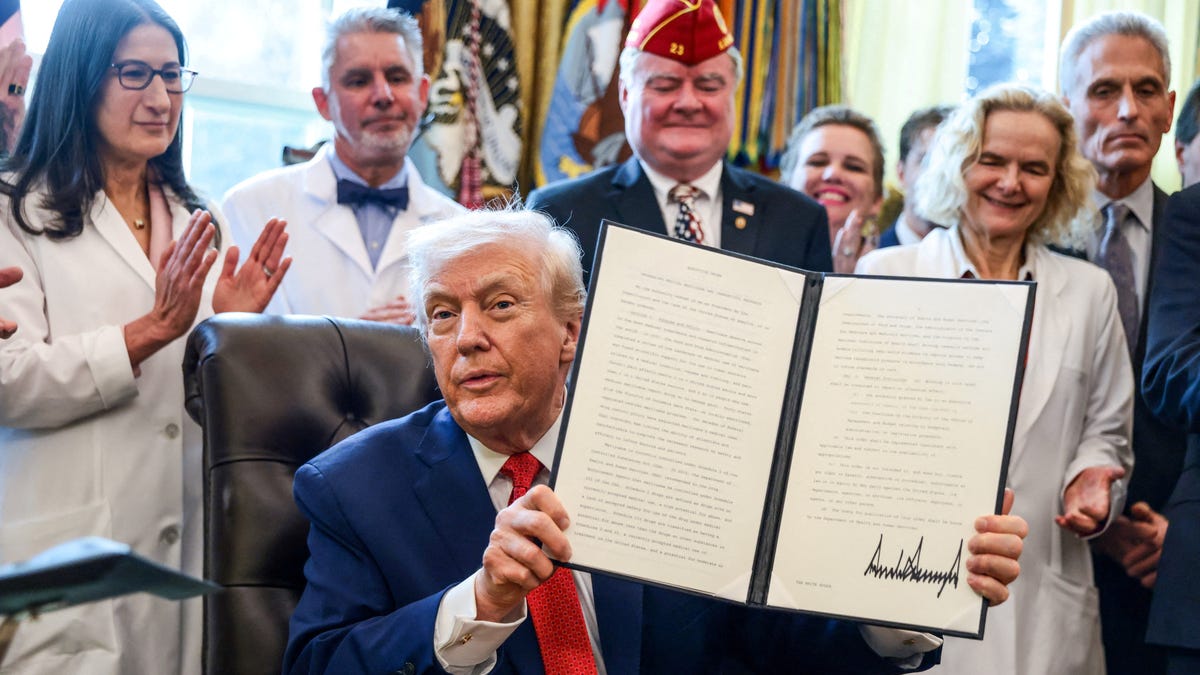
The Department of Justice also is expediting the hearing process to more broadly reclassify marijuana under federal law, following through on President Donald Trump's Dec. 18 executive action aimed at finalizing a reclassification push begun under President Joe Biden. The Drug Enforcement Administration will hold an administrative hearing on the issue June 29.
Schedule 1 drugs are considered the most dangerous, with the DEA describing them as substances with no "medical use and a high potential for abuse." They include heroin, LSD and ecstasy. The DEA considers Schedule III drugs as having "a moderate to low potential for physical and psychological dependence."