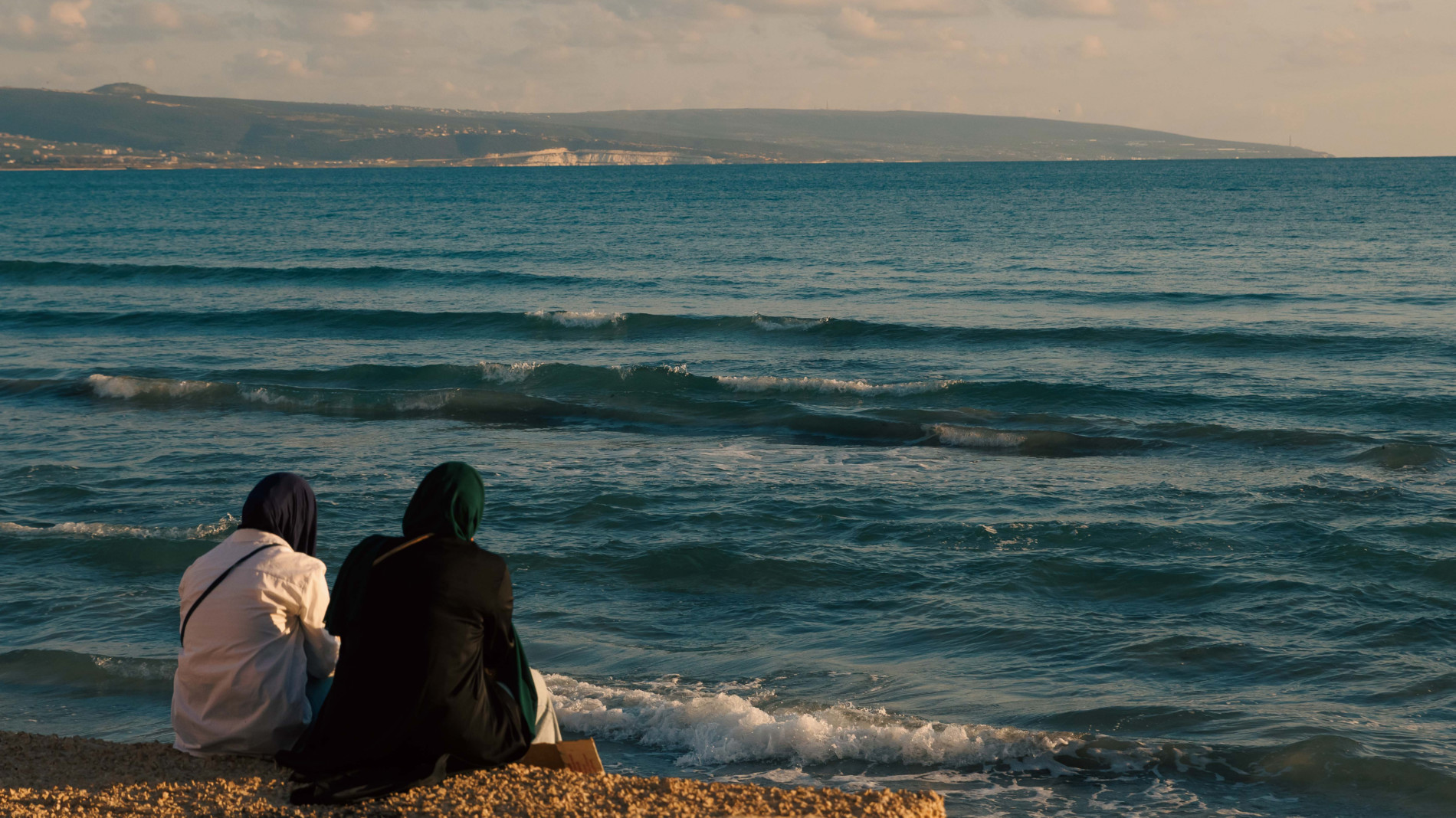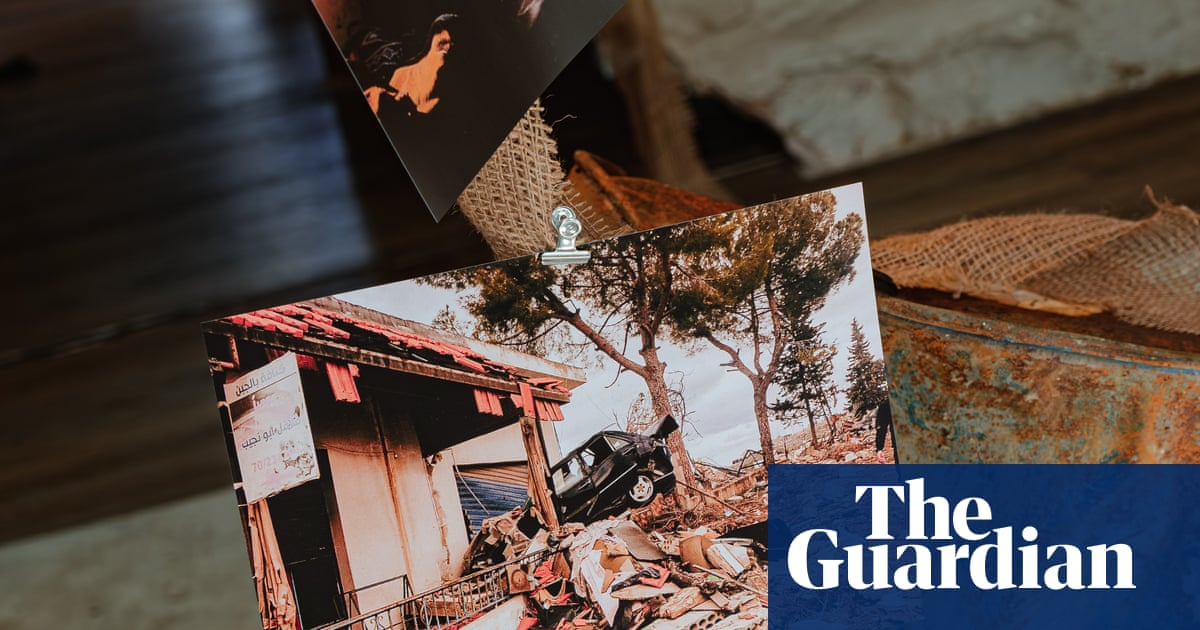
While the population of southern Lebanon have sometimes felt abandoned by their own state, a show in London told their stories and celebrated their resistance
I
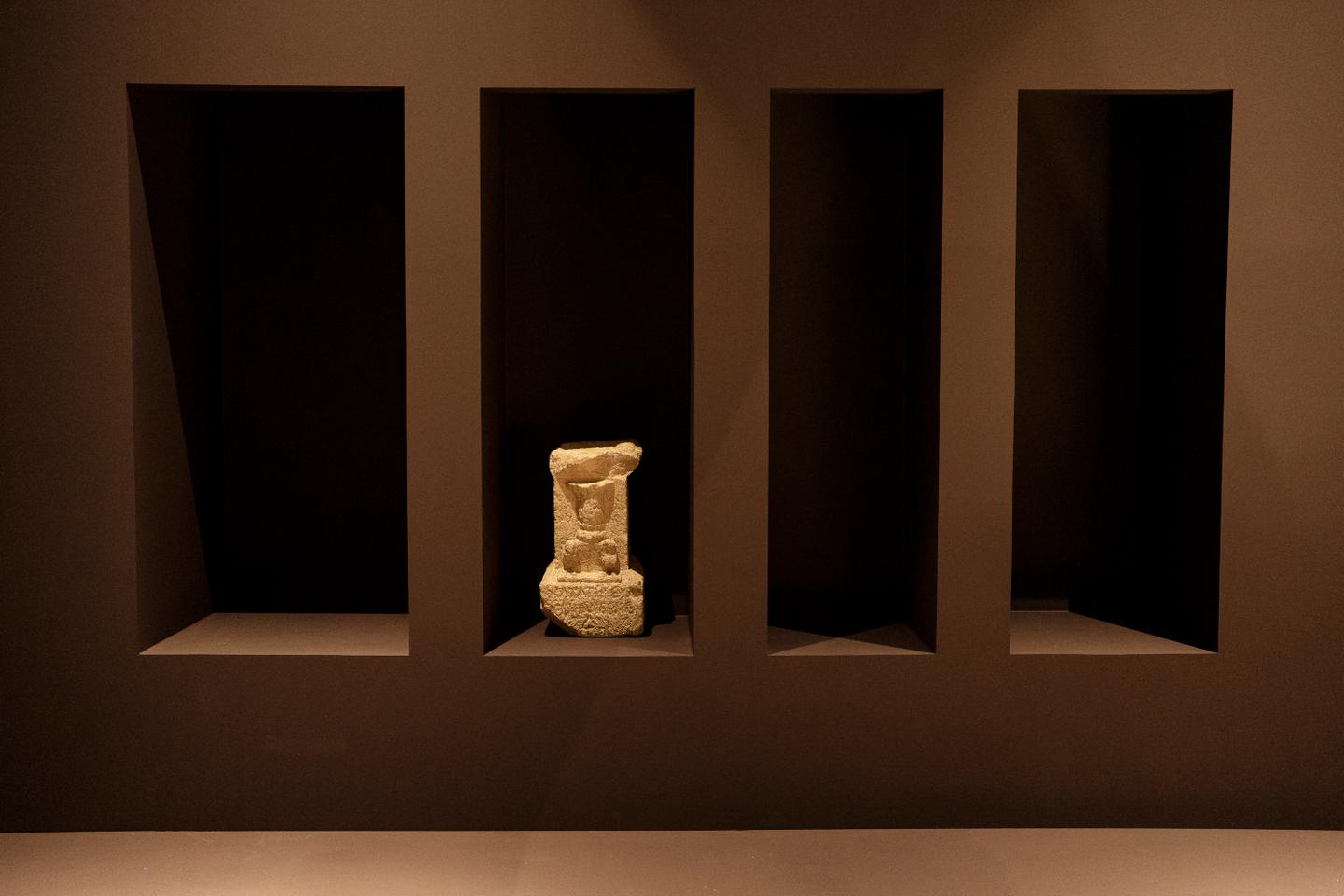
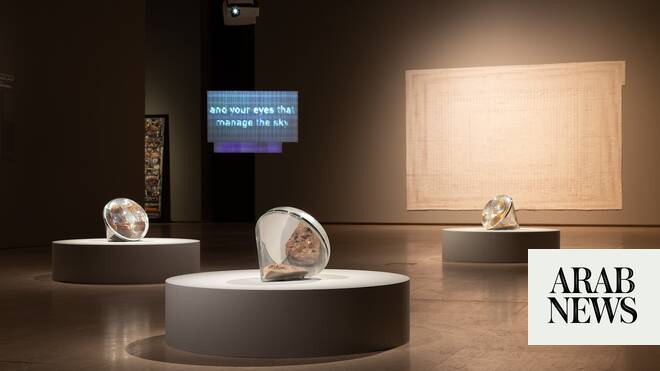
n one room of London’s Palestine House, a large screen plays looped news footage from southern Lebanon. Tanks and armoured vehicles plough their way through a rural landscape of hills and villages, amid frequent interruptions of mortar fire. As a person turns away from the screen, she says that “it’s like watching the news now”.
For all its similarities to current events, the archival video actually dates from 2000 – the year of Israel’s withdrawal from the region, following an 18-year-long military occupation. Another corner of the room plays host to broadsheet pages from newspapers of the time, including a front-page report from the Guardian’s then Middle East correspondent, Suzanne Goldenberg.
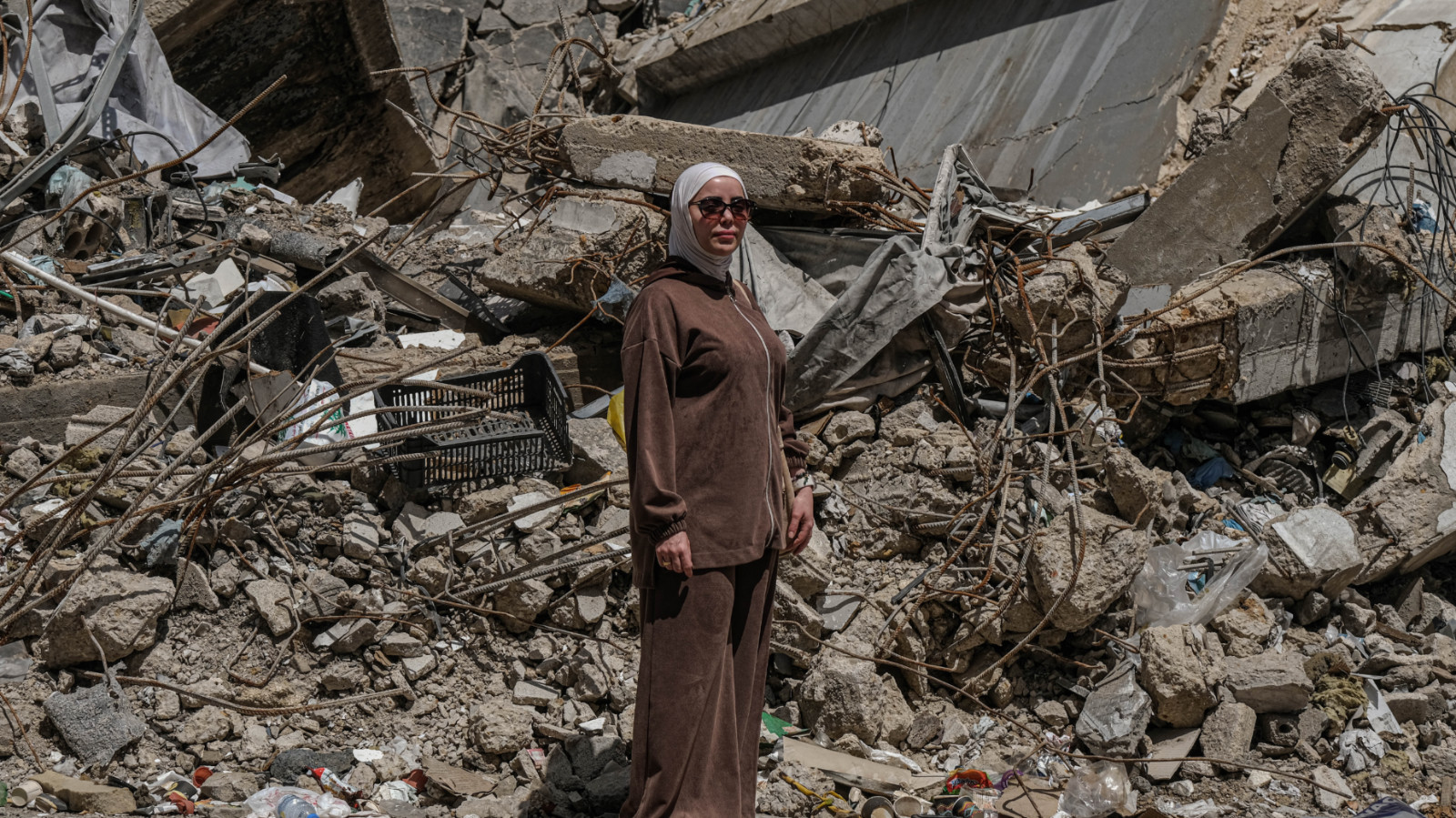
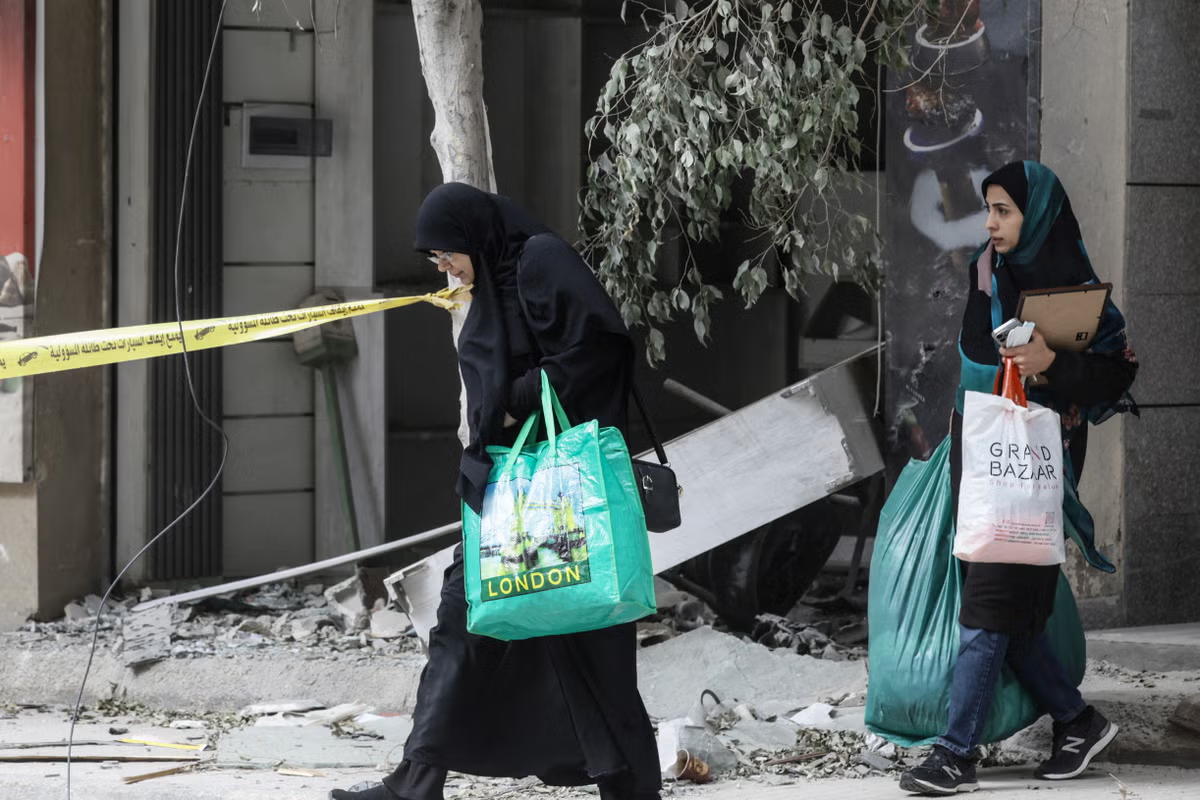
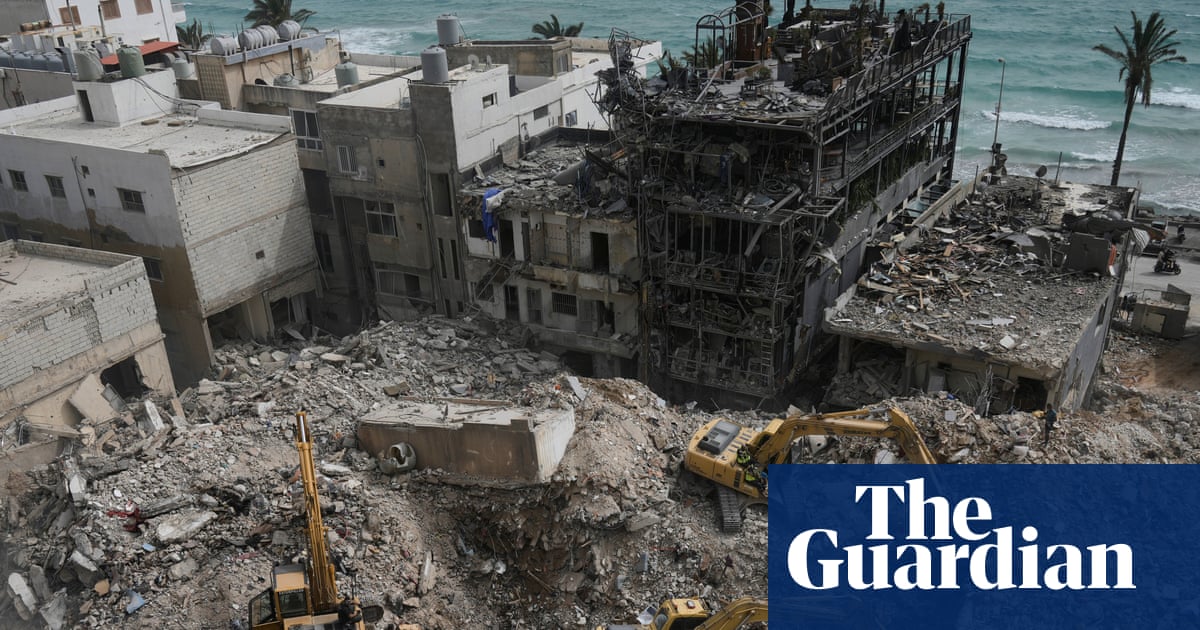
The exhibition, entitled Forget Me Not: South Lebanon in Memory and Motion, took place earlier this month, as this largely rural part of the Levant became a front in the US and Israeli war against Iran. Since then, Israeli tanks have returned to the beaten track in Lebanon – this time heading in the opposite direction, further into the beleaguered Arab country causing one in five residents to flee.