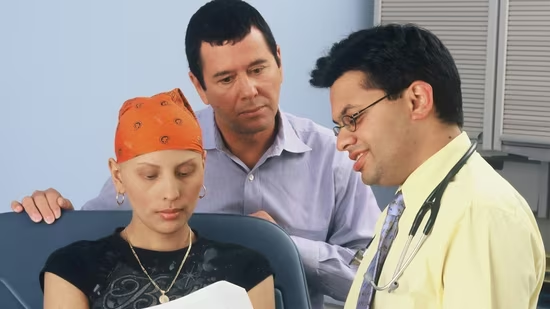
When someone hears the words, “You have cancer,” life doesn’t just change — it fractures. There is the before, defined by routines and plans, and the after, defined by a new, and often unforgiving, reality of scans, treatments and medical appointments. In those first disorienting moments, the world understandably narrows to clinical decisions: chemotherapy, radiation, surgery and immunotherapy.
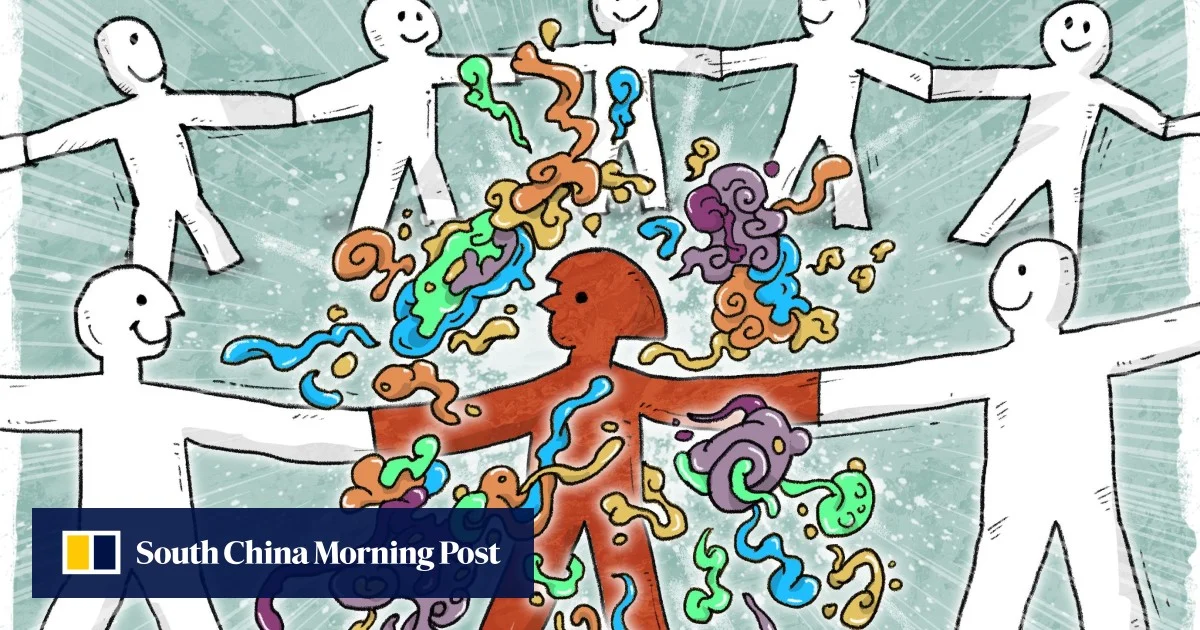
But cancer impacts more than a person’s physical health. It can upend a person’s emotional well-being, financial security, family dynamics and sense of control. Far too often, people living with cancer and those who love and care for them are left to navigate these challenges on their own.
We’ve seen how isolating and overwhelming that can be. Years ago, we lost two dear friends to breast cancer. We watched them and their families struggle with the emotional and practical toll of the cancer journey: the shock and anxiety around diagnosis and prognosis, the maze of insurance, the debilitating physical side effects, the lost work hours and mounting bills.
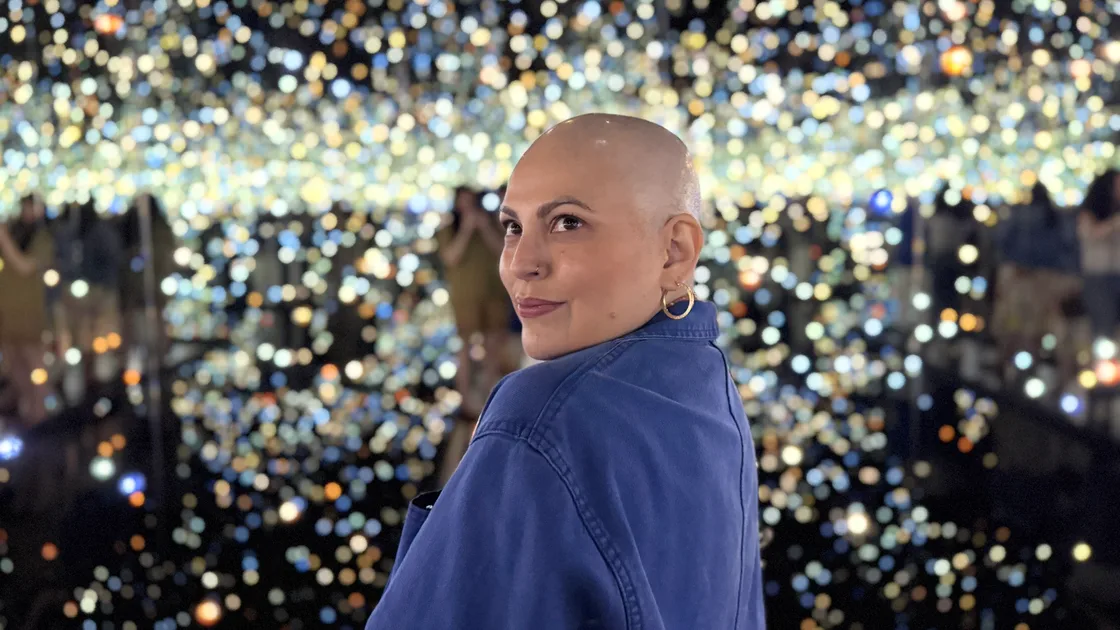
Today, more than 19 million Americans are living with cancer, with another 2 million expected to be diagnosed this year. Thanks to innovations like targeted gene therapies, cancer vaccines and immunotherapy drugs, many are living longer and full lives. But the realities patients face outside the clinic look painfully familiar. Too many people today confront the same emotional, practical and financial challenges our friends endured years ago.