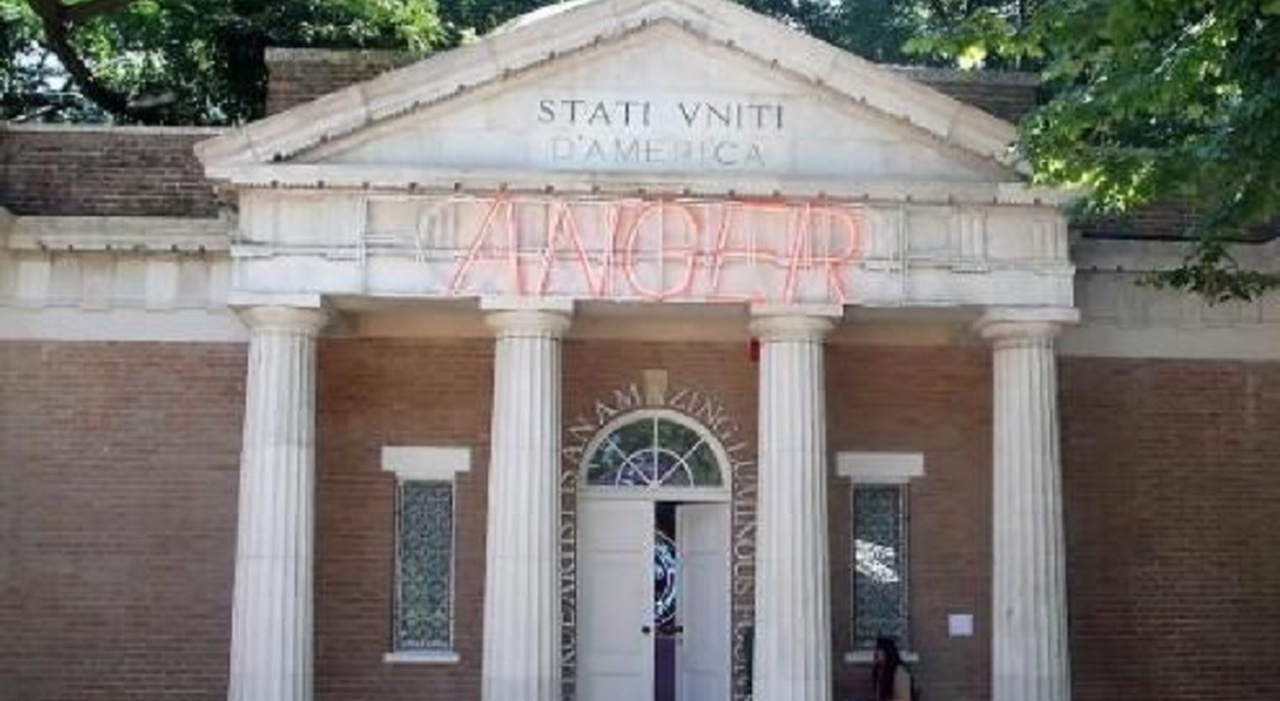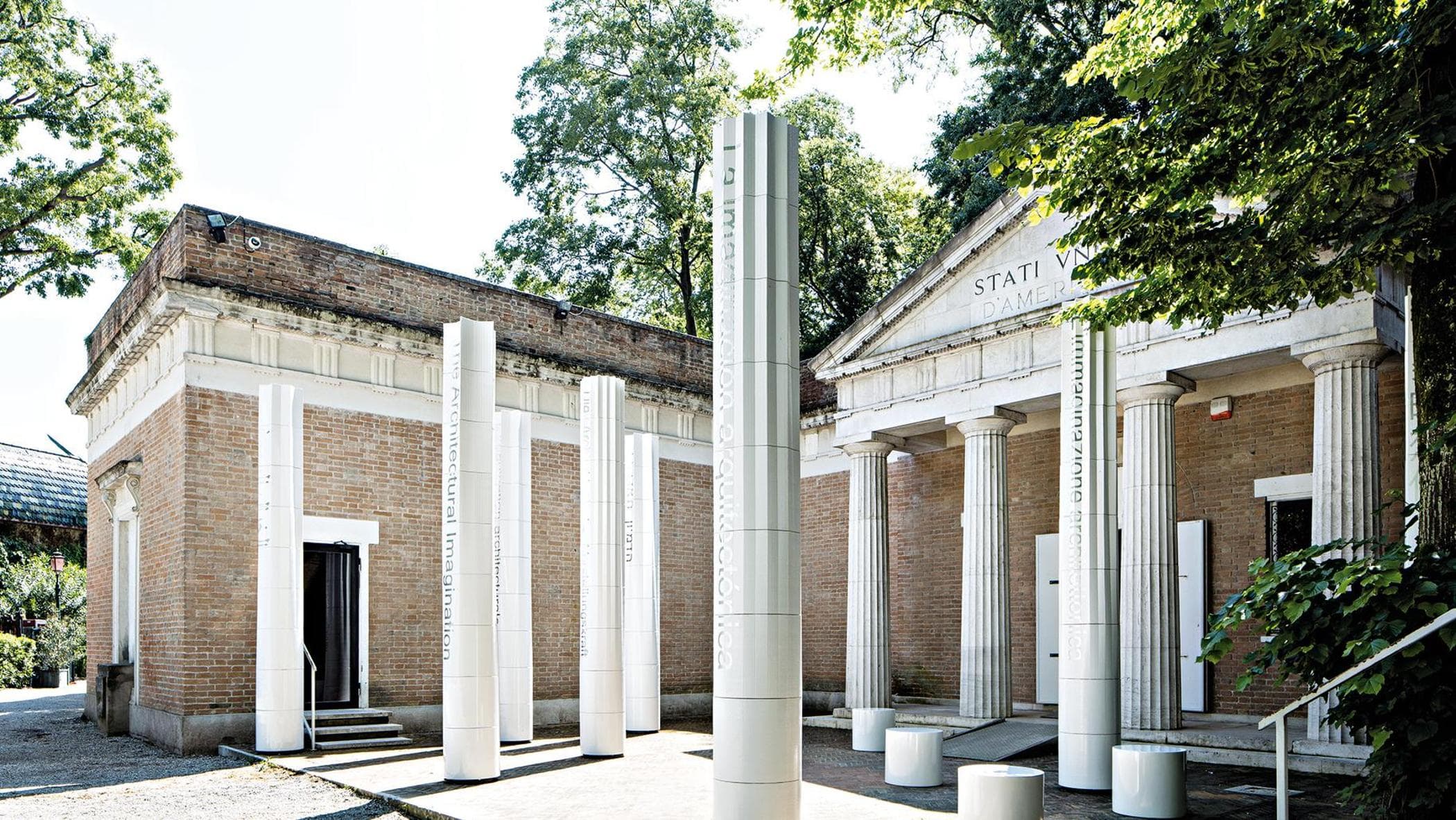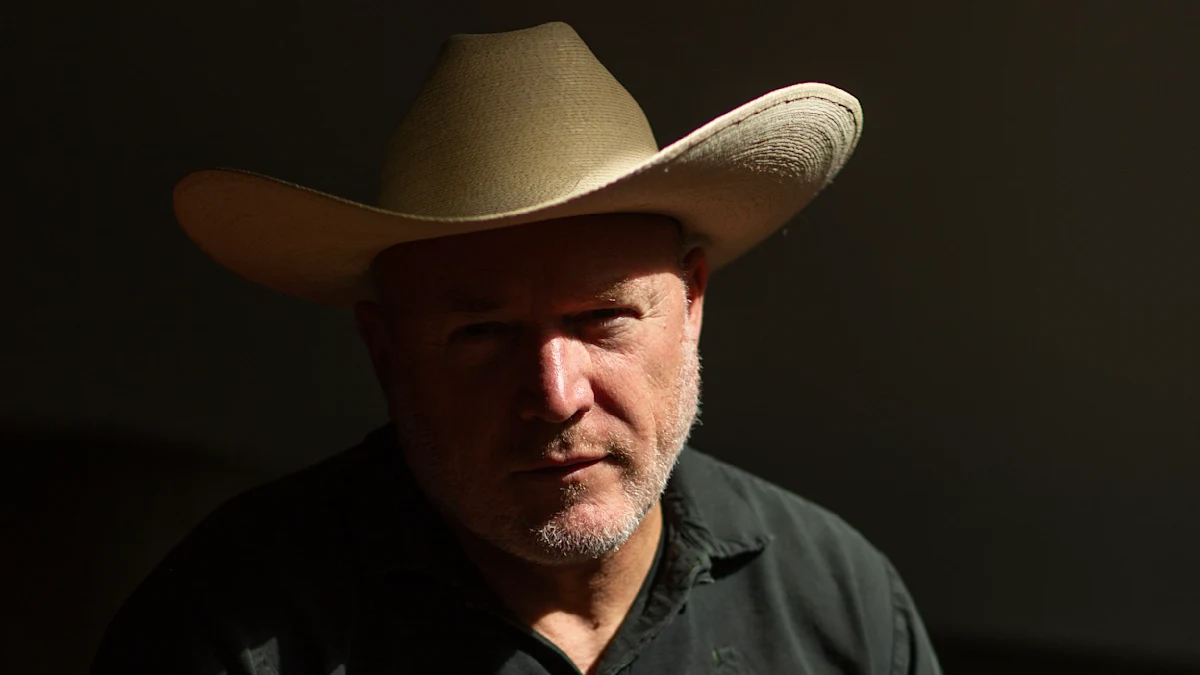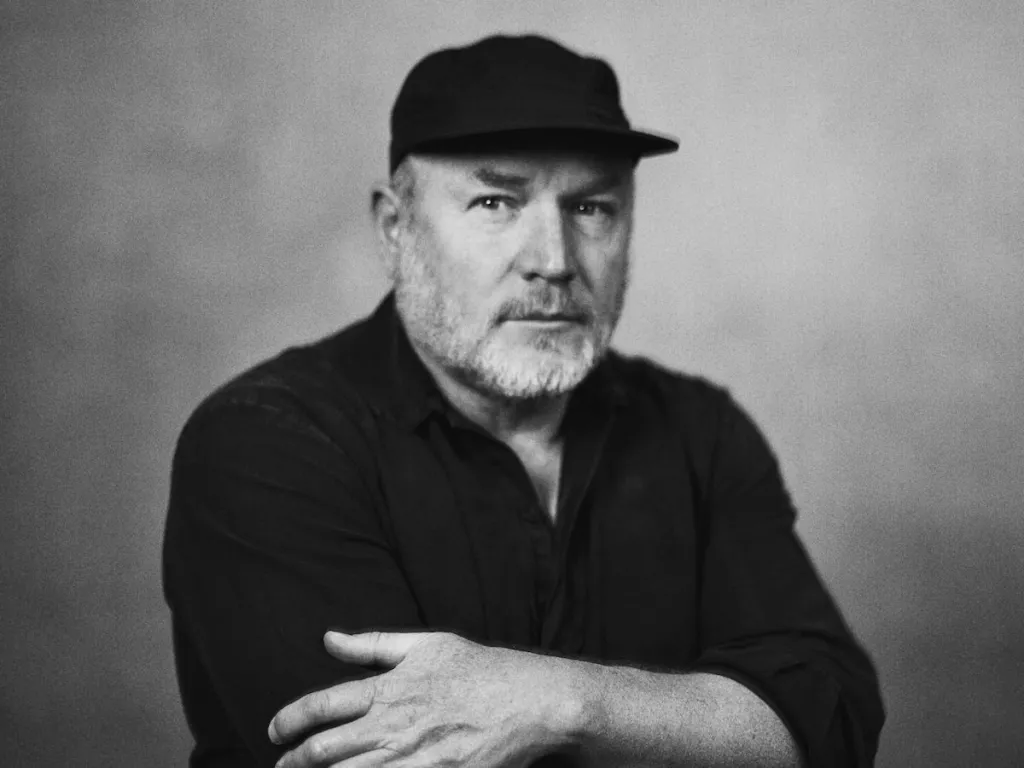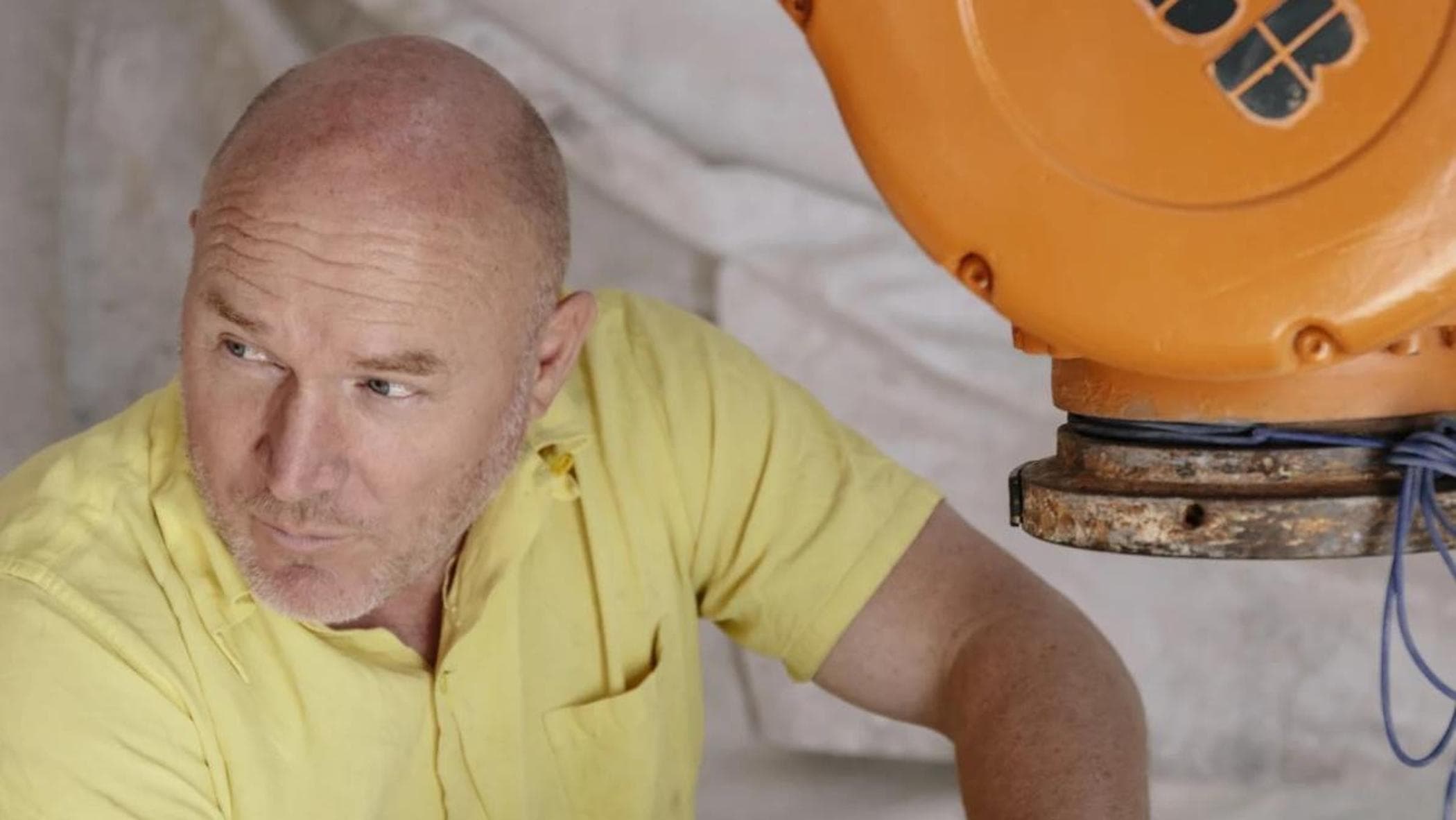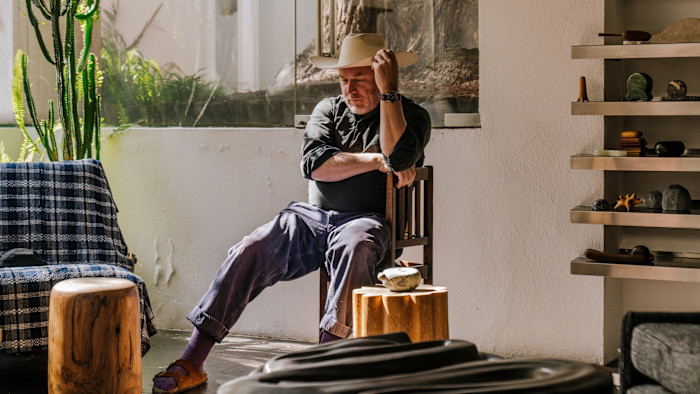
Last autumn, the American artist Alma Allen received a phone call that changed his life. The curator Jeffrey Uslip rang Allen in Mexico, where the 55-year-old sculptor has lived since 2017, to ask if he would represent the US at the Venice Biennale.
Allen is, in some ways, an unlikely choice for the world’s most prominent international art festival. Born in Utah, he ran away from his religious Mormon family at 16, experienced homelessness, and bounced around the world doing odd jobs. While many previous representatives in Venice have MFAs from top art schools and extensive institutional exhibition histories, Allen is self-taught, and has been the subject of only one major American museum show, which opened at the Palm Springs Art Museum in 2018.
The artist’s unorthodox rise began in the 1990s, after a broken leg left him unable to work. Desperate for money, he began hawking wooden figurines on an ironing board in SoHo. The sculptures developed a cult following; collectors “chose me to be an artist as much as I chose myself,” Allen says. As his profile grew, Allen’s biomorphic forms became larger and more ambitious. An undulating marble sculpture looks as if Medusa turned flowing liquid to stone; a bulbous wooden totem appears to have been moulded, like clay, by hand.