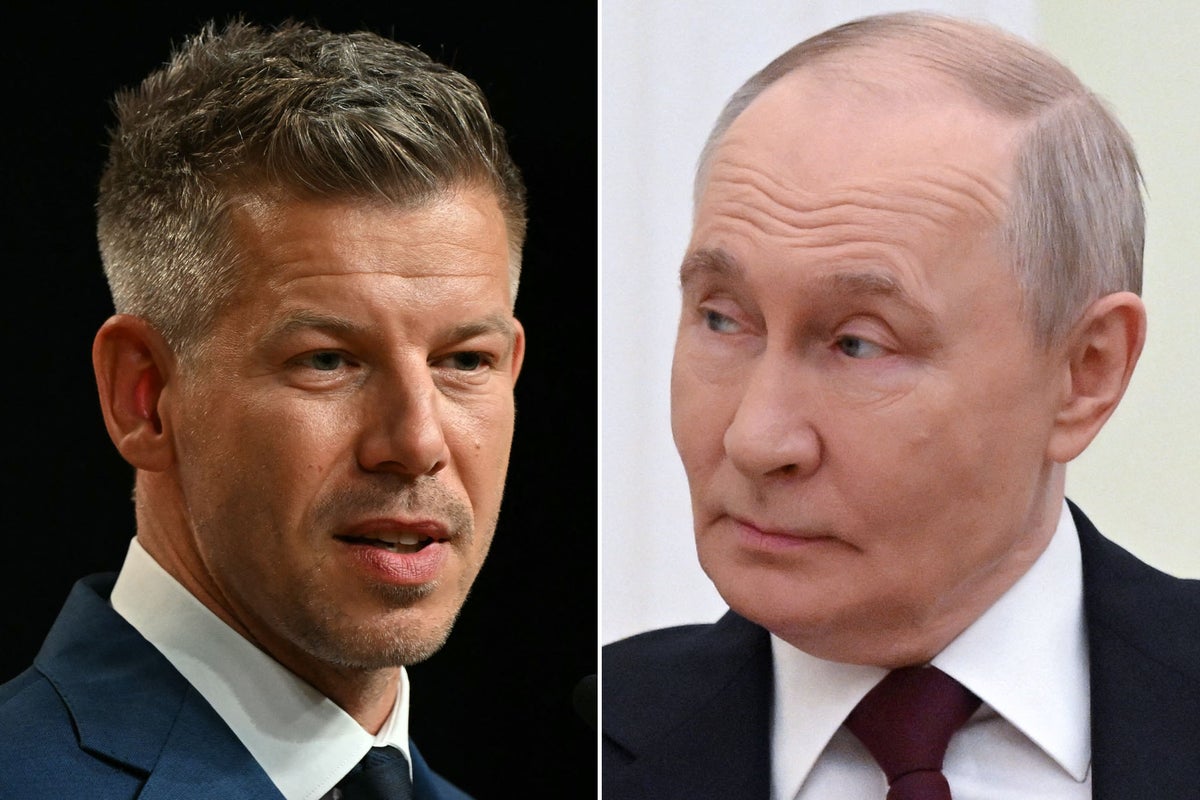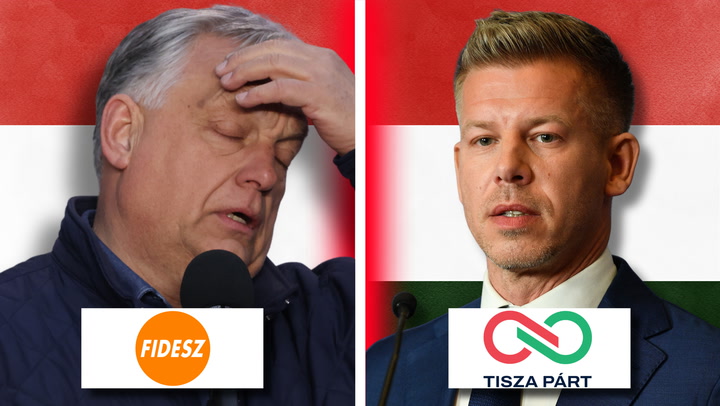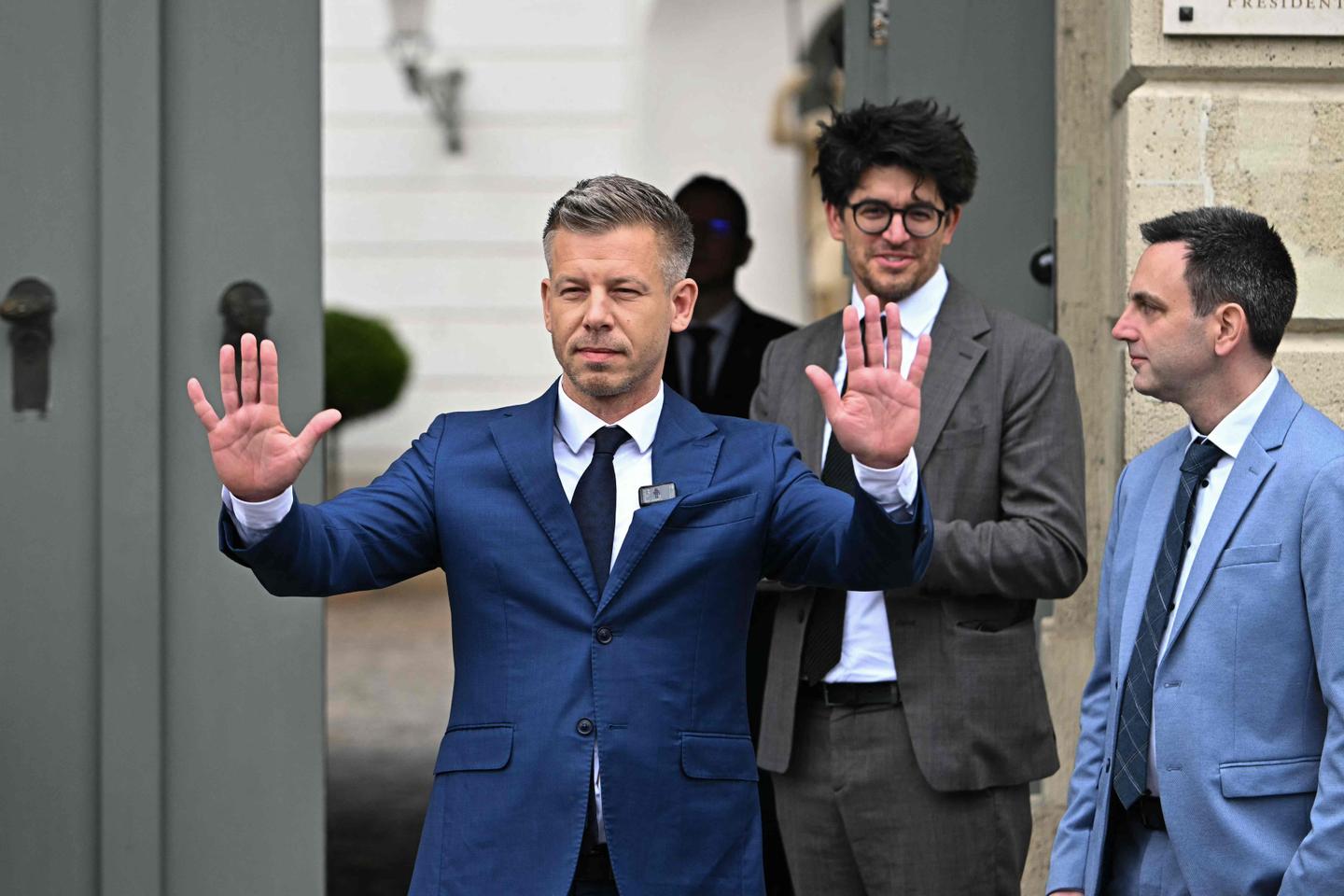
As Orbán is rejected, there is cautious optimism new leader can restore ties – but issues such as EU accession loom large
L
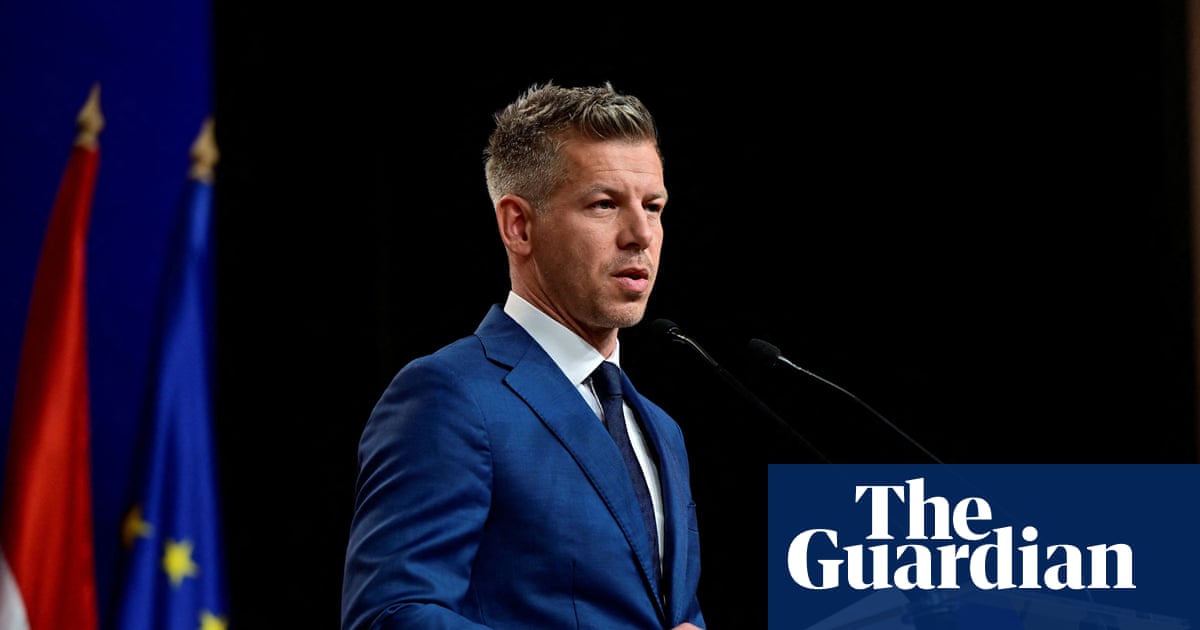
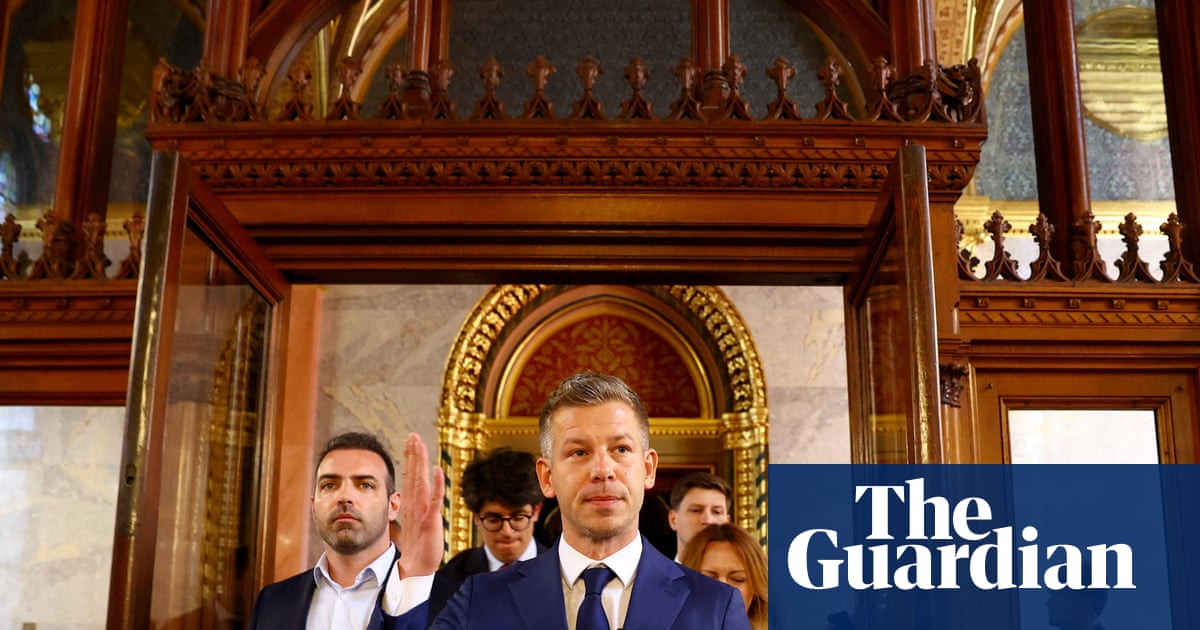
ike many Ukrainians, Oleh Kupchak was delighted when Péter Magyar won Hungary’s election last weekend, ending Viktor Orbán’s 16-year grip on power. “We were euphoric. Everyone was following the results closely. There were toasts,” said Kupchak, who has visited Budapest several times. “We didn’t love Orbán,” he added.
Ukraine celebrated Orbán’s landslide defeat in a series of jokes and memes. Several likened him to the Star Wars character Jabba the Hut, and shared an image of Orbán fleeing from a drone. Others portrayed him sitting on a bench in Russia, alongside Ukraine’s pro-Kremlin former president Viktor Yanukovych, and his exiled Syrian counterpart Bashar al-Assad.
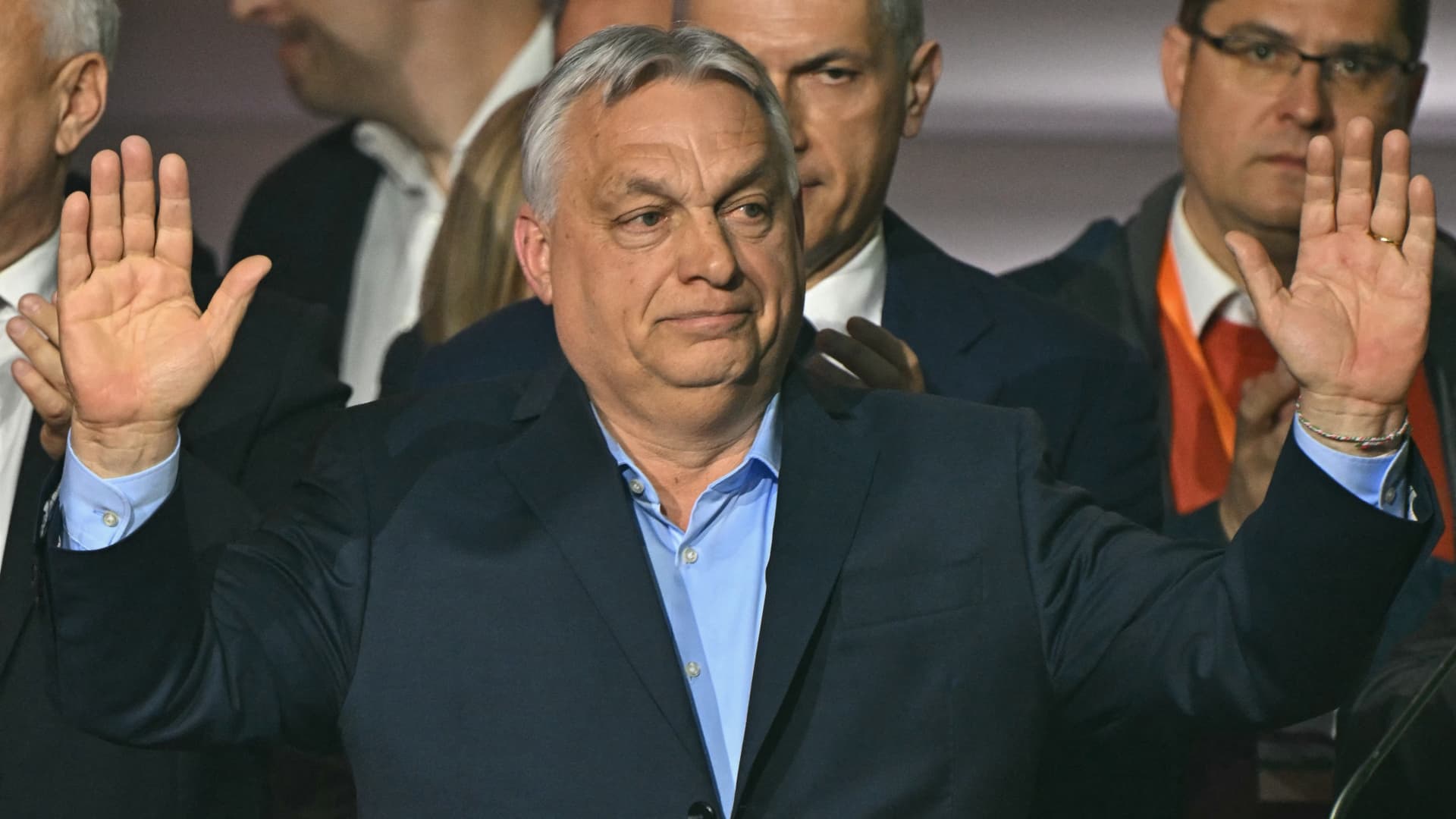
The widespread joy that greeted the ousting of Orbán and his Fidesz party was hardly surprising. Hungary’s outgoing prime minister – the Kremlin’s biggest and most disruptive supporter inside the EU – ran a vociferously anti-Ukrainian election campaign. He accused Kyiv of plotting to sabotage key energy installations, and of threatening him and his family with physical violence.