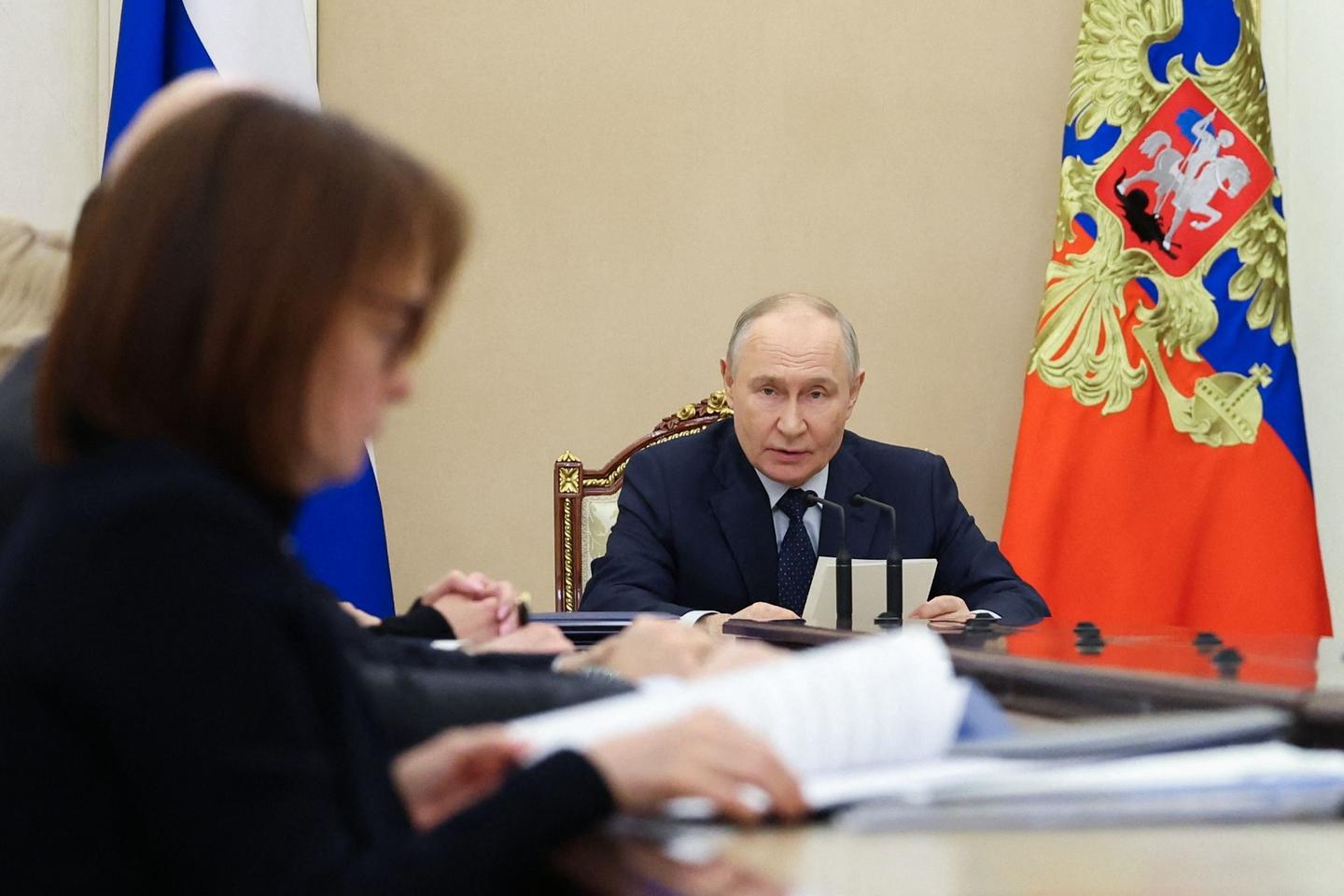
Russian President Vladimir Putin chairs a meeting on economic issues at the Kremlin in Moscow on April 15, 2026. PHOTO FOURNIE PAR L’AGENCE D’ETAT SPUTNIK. ALEXANDER ALEXANDER KAZAKOV VIA AFP
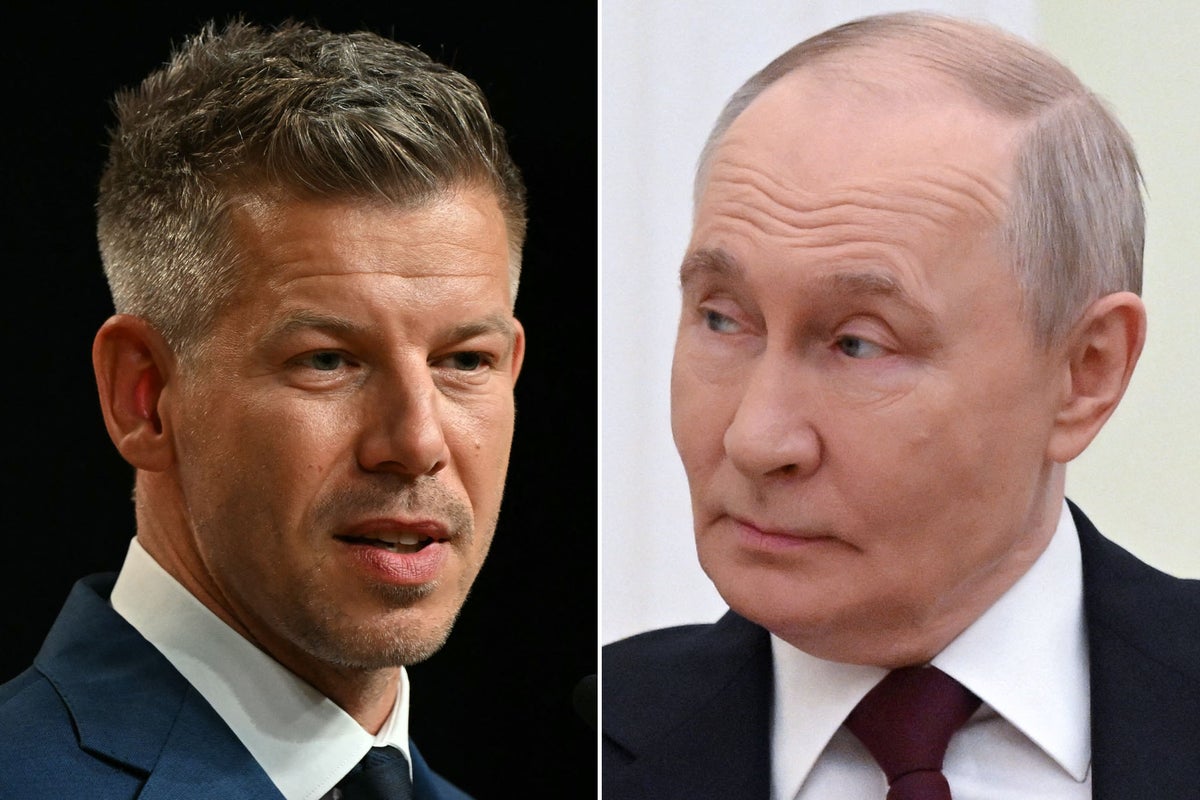
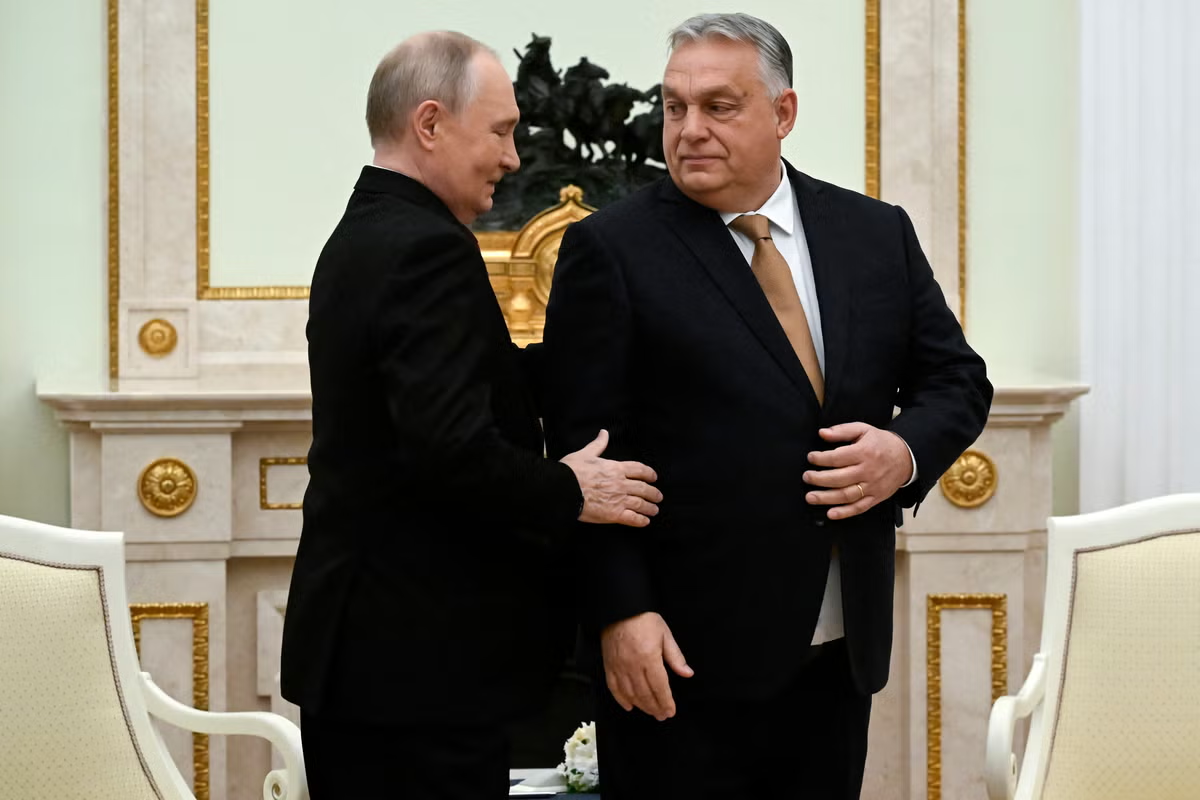
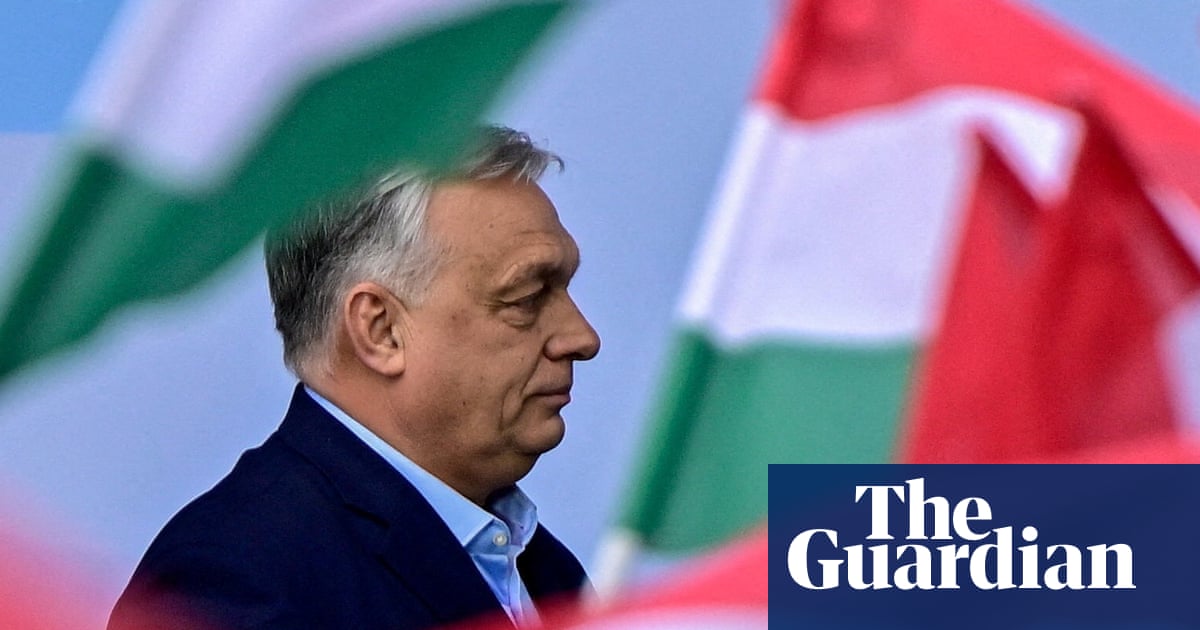
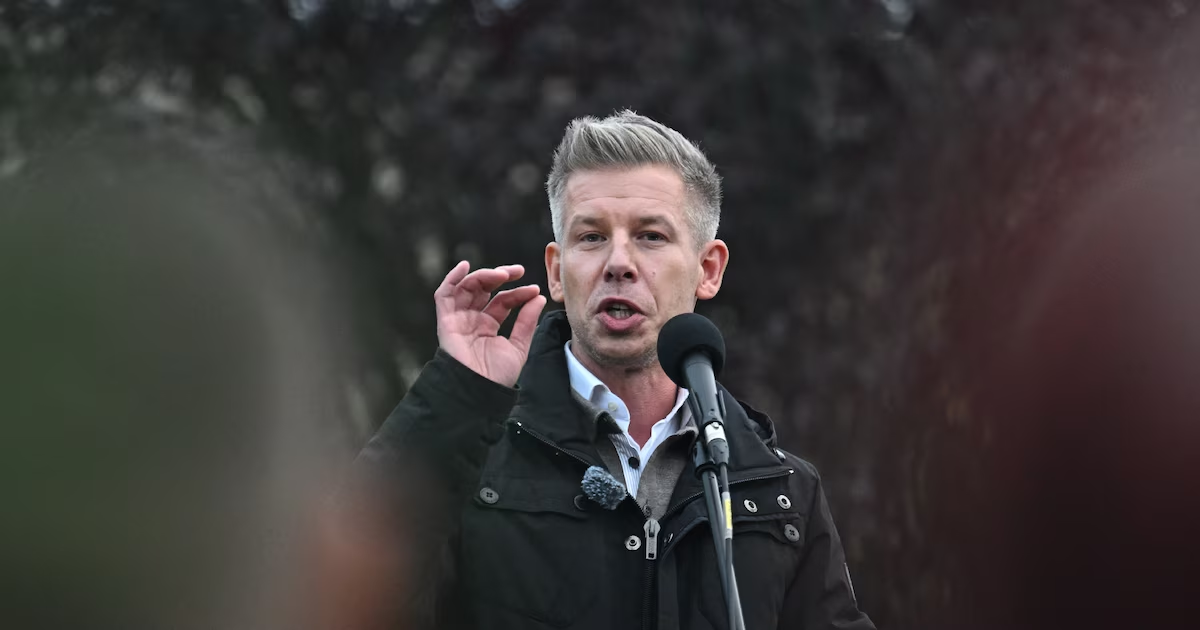
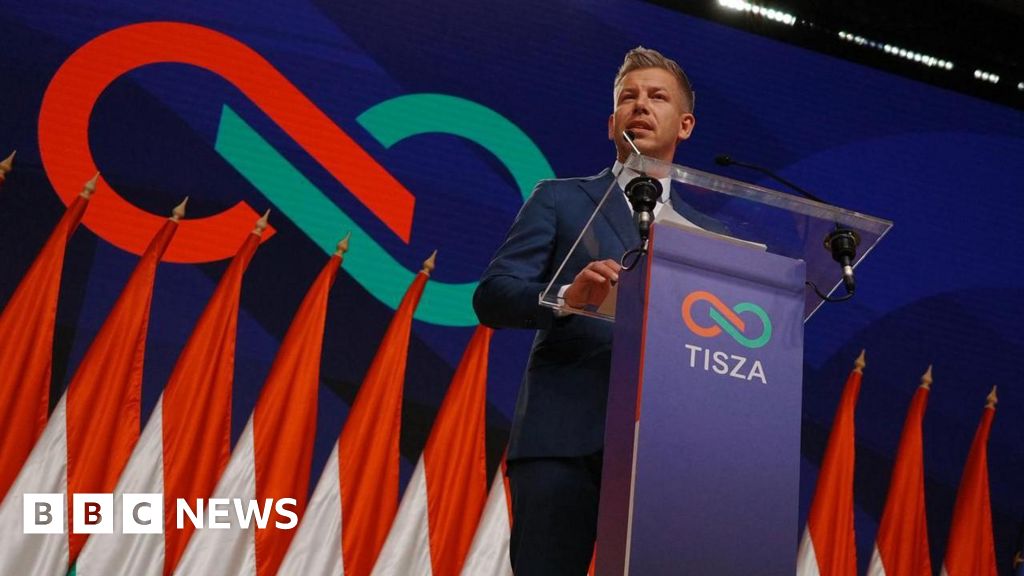
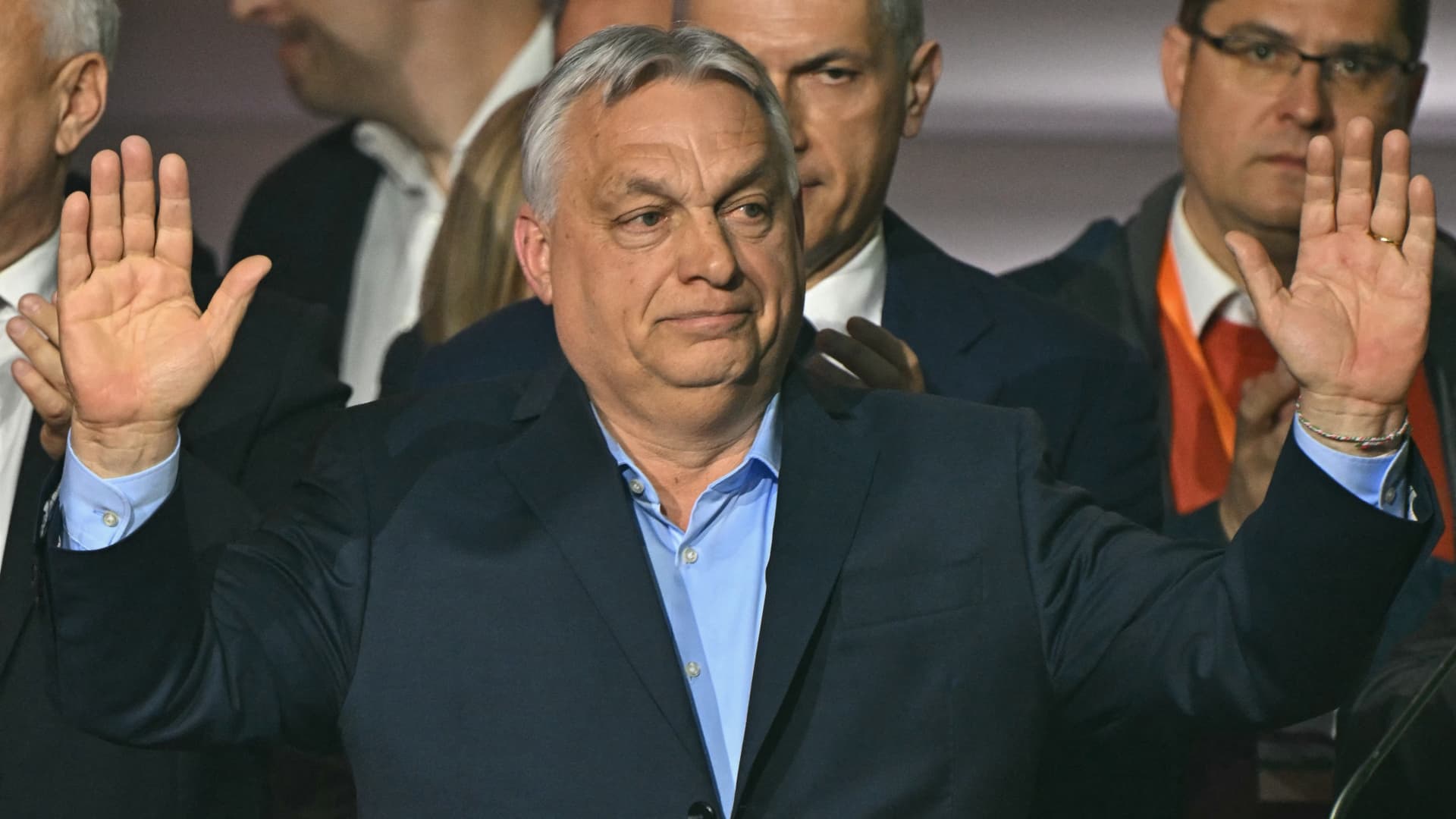
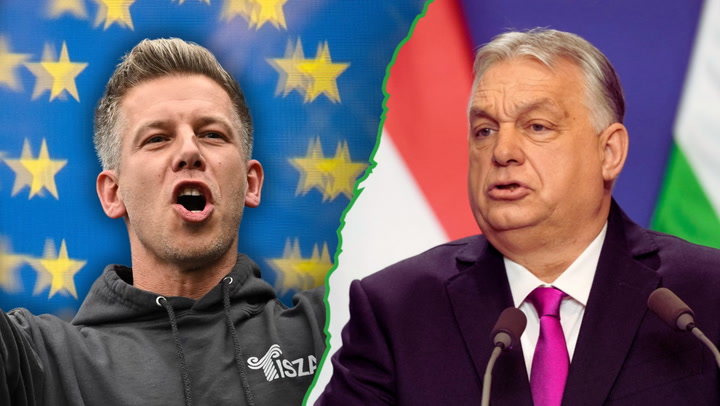
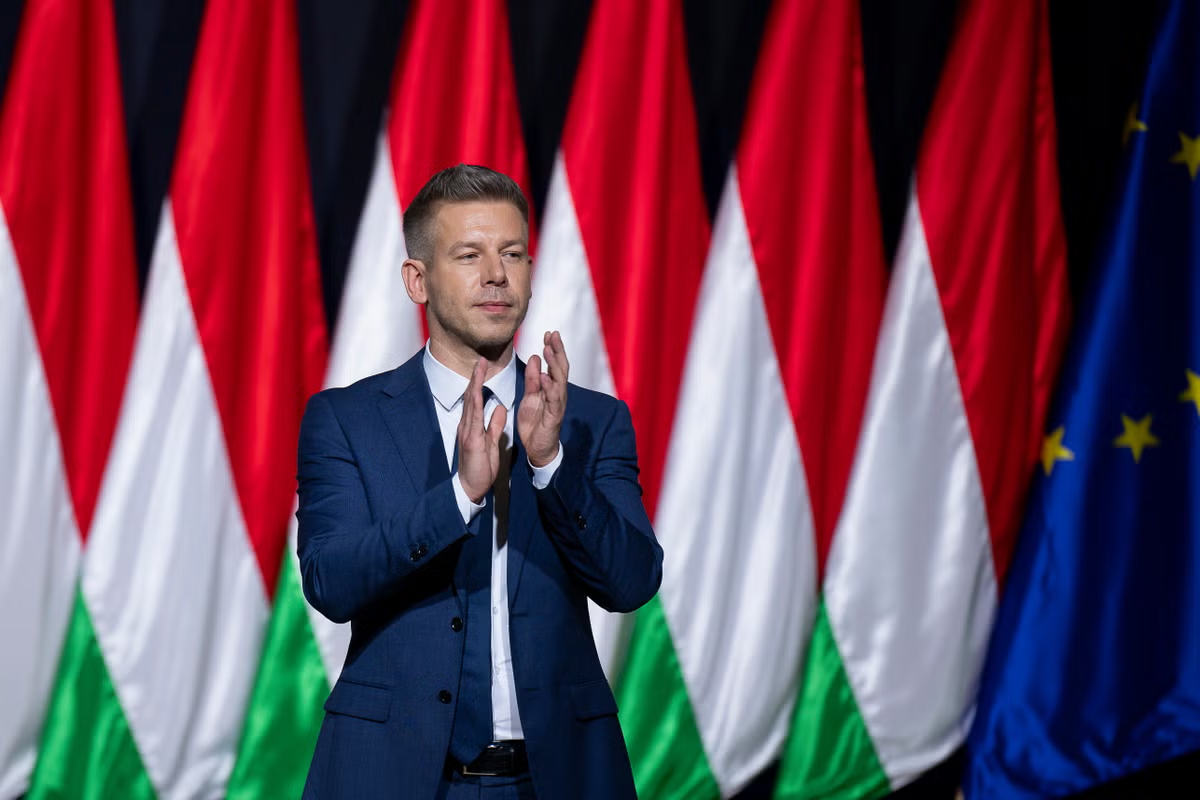
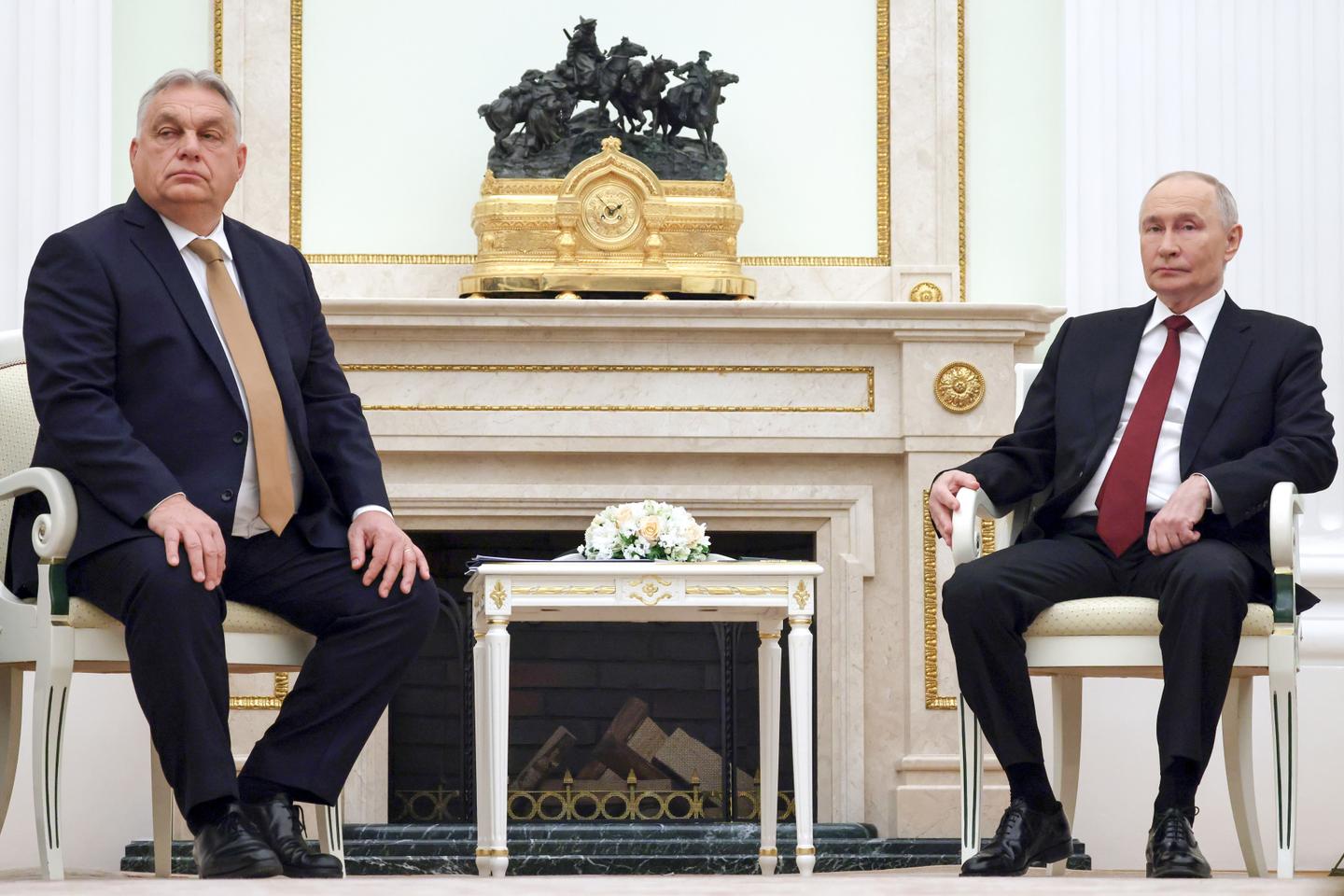
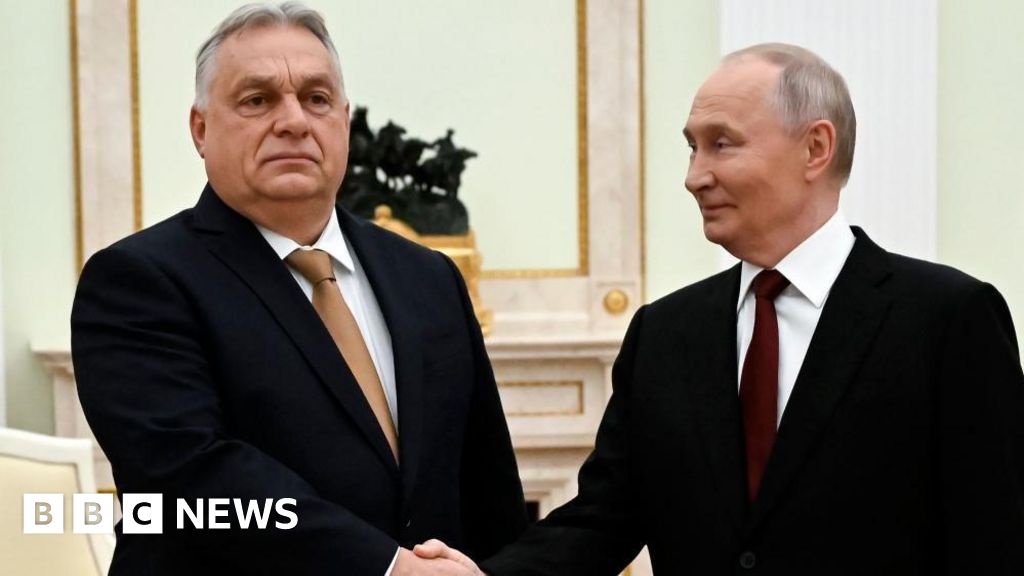
Moscow is seeking to downplay the defeat of Viktor Orban, its staunchest ally in Central Europe, and has said that Orban's successor, Péter Magyar, will still manage to show a conciliatory stance toward Russian power due to Hungary's reliance on Russian hydrocarbons. Notably, since the results of Hungary's legislative elections were announced on Sunday, April 12, the Moscow press has tried to reassure readers, as if the change in government would not alter much.
"In essence, Péter Magyar is a nationalist just like Orban, but more moderate. He is likely to be guided first and foremost by Hungarian national interests, not European interests, and even less by those of Ukraine. Now, Hungary's interest is to continue securing cheap Russian energy," wrote Maxime Youssine, the Kremlin's mouthpiece and editorialist, in the pages of the daily Kommersant on April 14. That same day, the tabloid Moskovskij Komsomolets highlighted the "pragmatism" of the new Hungarian prime minister, describing him as anything "but a liberal." Kommersant has reassured readers that Magyar's rise to power will bring "no major change in Hungary's relationship with Ukraine or with Russia."