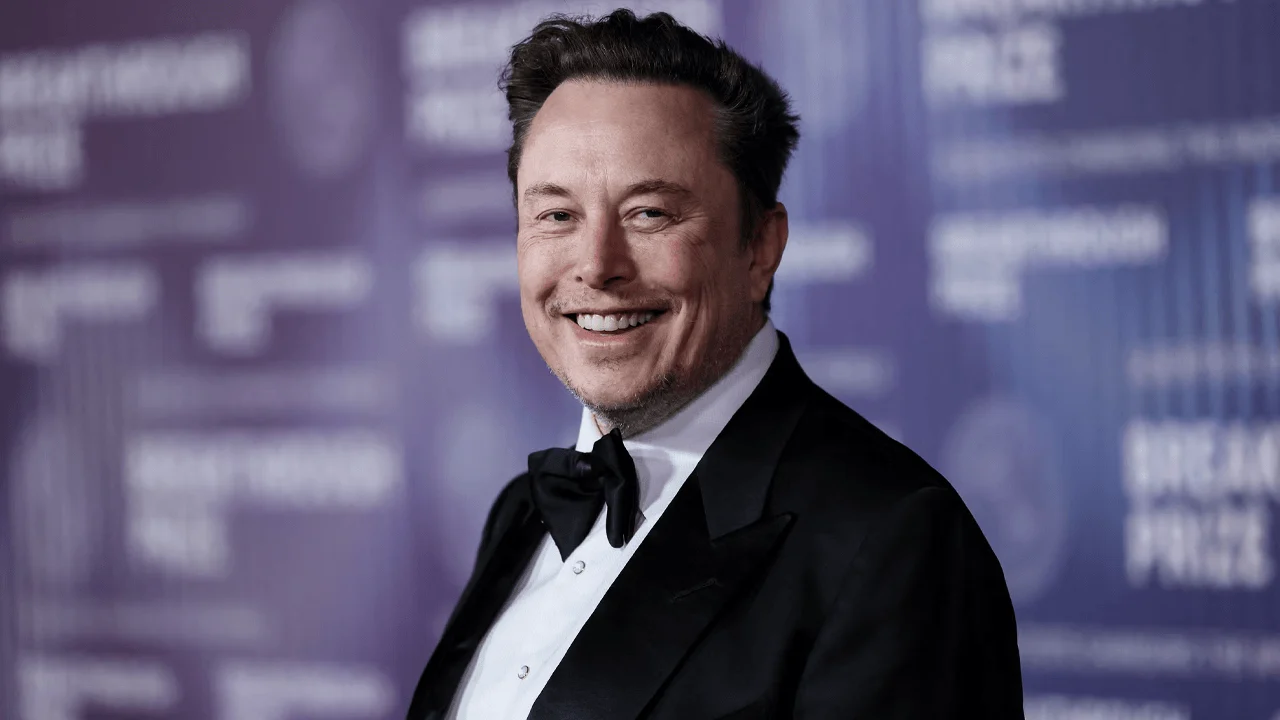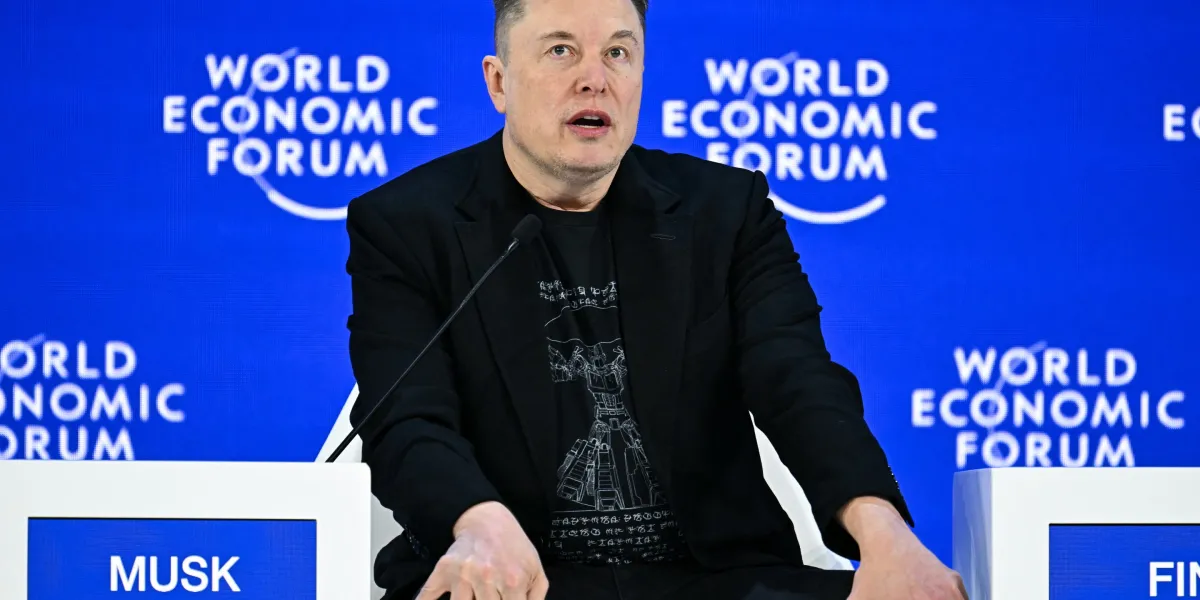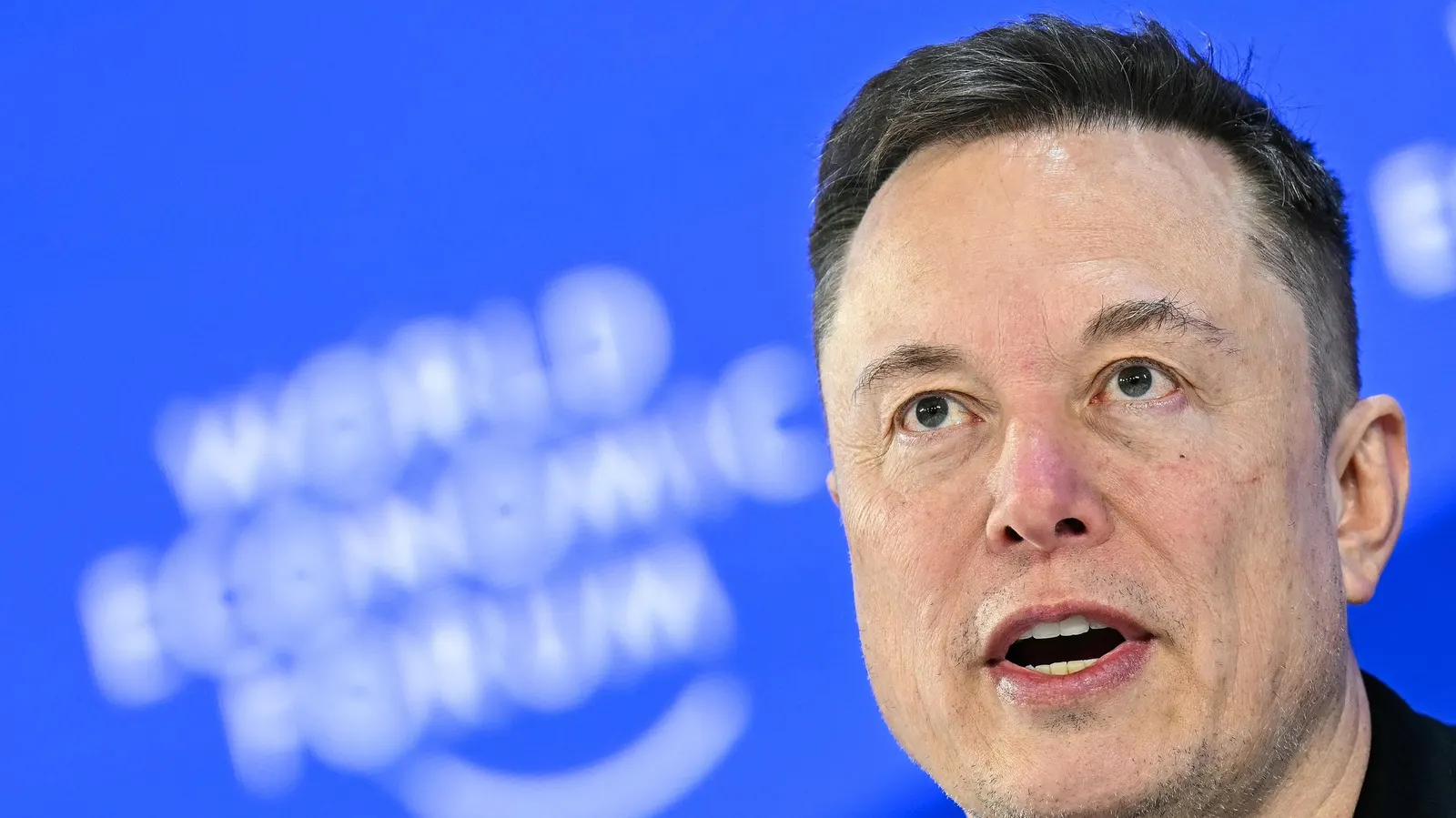
ToplineElon Musk on Friday touted what he described as “Universal HIGH INCOME” as a solution to deal with large-scale unemployment caused by the emergence of artificial intelligence, rekindling a longtime stance of his just days after rival company OpenAI outlined its own set of policy proposals on creating a public wealth fund and taxing companies.CEO of SpaceX and Tesla Elon Musk has been a longtime proponent of Universal Income as a solution to AI driven unemployment.AFP via Getty ImagesKey FactsIn a post on X, Musk described his so-called universal high income as federal government checks and claimed it will be funded by an “increase in the money supply” triggered by AI and robotics.The billionaire also reposted a video of himself discussing the idea and claimed that the “output of Business Services” will exceed the money supply.Musk has been a public proponent of the universal basic income idea since at least 2016 and in 2019, he publicly backed Democratic Presidential candidate Andrew Yang, who pushed a similar idea called the “Freedom Dividend.”Musk eventually pivoted to calling it “universal high income,” and while speaking at the Saudi-US Investment Forum, the billionaire said in the best-case scenario AI could bring about a “a level of prosperity…that we can’t quite imagine yet.”OpenAI CEO Sam Altman—with whom Musk is engaged in a public feud and a legal fight—has also been a major proponent of Universal Basic Income, and his company outlined a sweeping industrial proposal calling for a Public Wealth Fund.What Do We Know About Openai’s Policy Document?Earlier this week, OpenAI published a document outlining what it said was a new industrial policy to deal with the impact of so-called “superintelligence,” which it describes as AI systems that can outperform even the smartest humans. The proposal doesn’t mention Universal Basic Income directly but calls for the creation of a Public Wealth Fund that would give the American people an automatic stake in AI companies and infrastructure—even if they are not investing directly in financial markets. The documents also include several other proposals, including raising corporate tax rates, to compensate for loss in income taxes, and taxing businesses that replace human workers with AI. Chief CriticLast month, economist and Nobel Laureate Joseph Stiglitz told Fortune: “If we don’t do anything about managing AI, there is a threat that it will lead to more inequality.” He also called out AI proponents who are pushing for a smaller government, saying: “If the tech oligarchs continue in their mindset overall of downscaling government, that will impair the ability of government to facilitate the AI transition.”Surprising FactSome of Musk’s close allies, like venture capital billionaire Marc Andreesen and former White House AI Czar David Sacks, have also criticized the idea of universal basic income. In a post on X last year, Sacks wrote: “The future of AI has become a Rorschach test where everyone sees what they want. The Left envisions a post-economic order in which people stop working and instead receive government benefits. In other words, everyone on welfare. This is their fantasy; it’s not going to happen.” In his Techno-Optimist Manifesto published in 2023, Andreesen wrote: “We believe a Universal Basic Income would turn people into zoo animals to be farmed by the state. Man was not meant to be farmed; man was meant to be useful, to be productive, to be proud.”
Elon Musk Touts Universal Income As Remedy To AI-Driven Unemployment
Musk’s comments follow rival company OpenAI’s industrial policy proposal released earlier this week that calls for an AI-backed public wealth fund.
555 words~3 min read