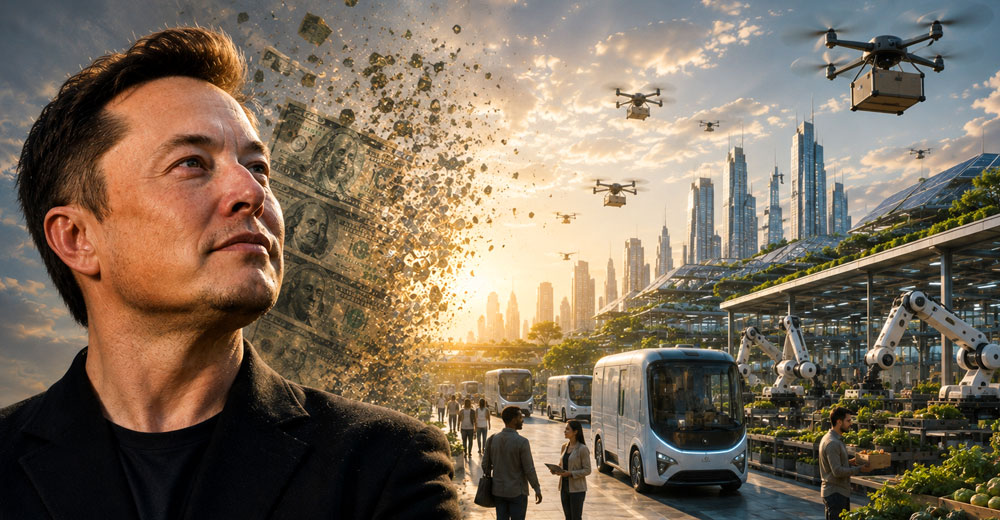
Tesla CEO Elon Musk has made no secret of his robot-powered fantasies for the future. Within the next couple of decades, work will be optional because of the widespread proliferation of AI and automation, he has predicted. Gone will be the need for retirement savings, as money will be irrelevant. Instead, Musk sees a world of robots outnumbering humans, providing health care and other services for their organic counterparts.
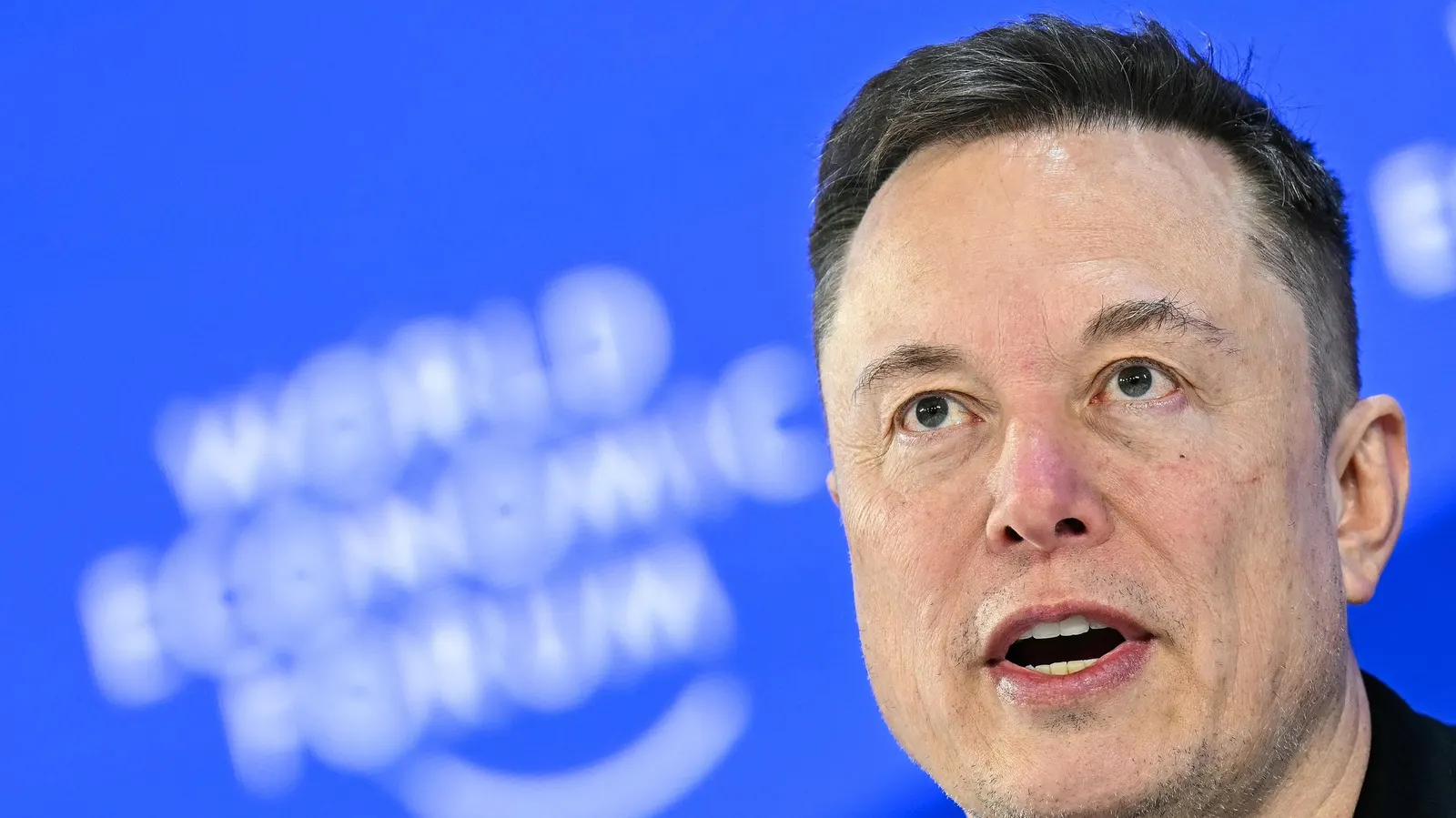
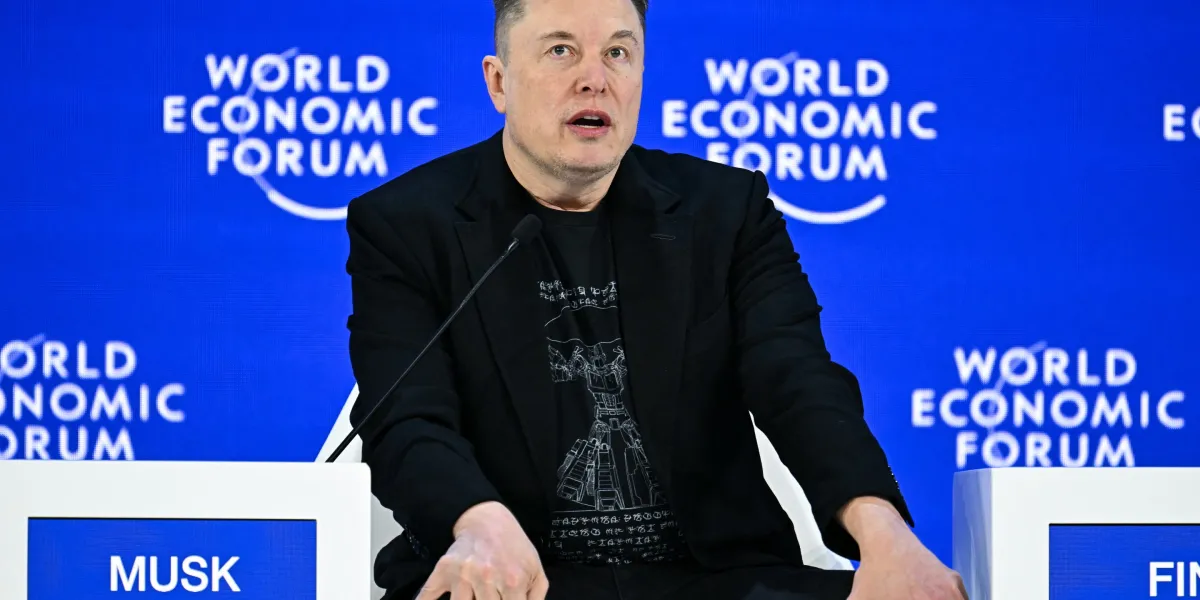
“With robotics and AI, this is really the path to abundance for all,” he said at the World Economic Forum in Davos, Switzerland, earlier this month. “People often talk about solving global poverty, or essentially, how do we make everyone have a very high standard of living? I think the only way to do this is AI and robotics.”
Building on OpenAI CEO Sam Altman’s proposed universal basic income, Musk has suggested a universal high income, usually from the government, given unconditionally to individuals.
He has said little else about what this vision of universal income would look like, but as AI gains momentum in the workplace, other global leaders are beginning to see it as a compelling option to address how automation is disrupting the labor force.
U.K. Minister for Investment Lord Jason Stockwood told the Financial Times this week that the government is weighing the introduction of a universal basic income as a means to support workers in industries where AI threatens to displace them. Stockwood, who was appointed to the House of Lords in September 2025, is a longtime tech investor and former CEO of insurance broker Simply Business.