S
tudies on the impact of artificial intelligence (AI) on the labor market have multiplied, yet no consensus has emerged. Some predict massive job losses and the obsolescence of many skills, while others promise a bright future free from repetitive tasks. The only certainty is that everyone will need to prepare for profound changes in their relationship to work.
But who should guide us through this revolution? Can we trust those who, while shaping the contours of this future, also embody the most glaring contradictions and conflicts of interest of this new era?
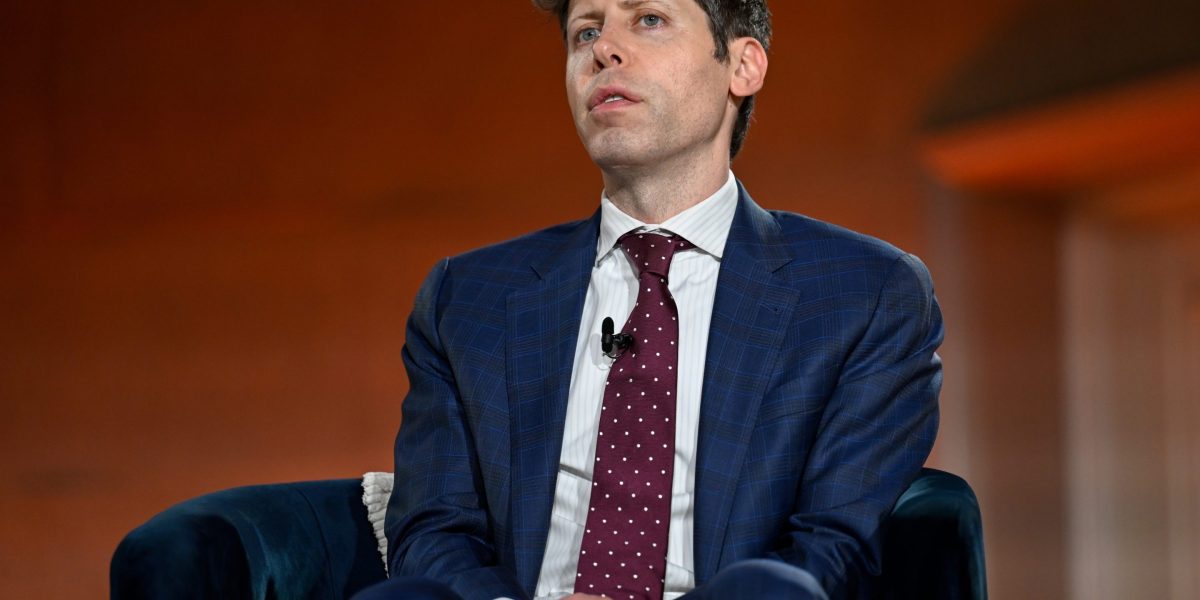
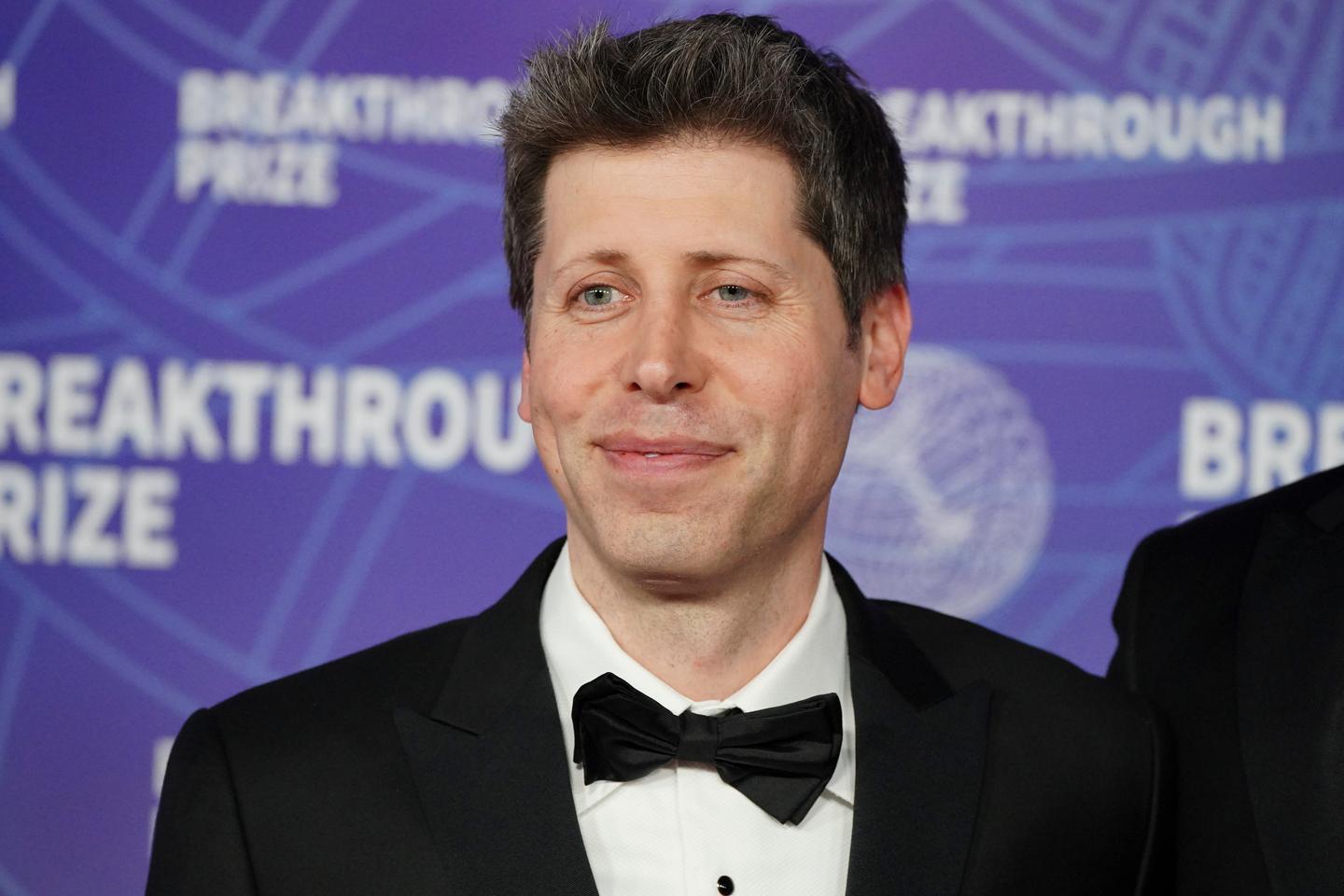
An April 6 profile of Sam Altman in The New Yorker prompts reflection. The article delves into the personality and actions of the CEO of OpenAI, a major company in the AI sector. In addition to his leadership role, Altman frequently makes public statements advocating for oversight in AI development, promoting measures intended to reduce social risks and share benefits. This dual position raises questions about the consistency between his stated commitments and the interests of the company he leads.
The New Yorker's investigation depicts a man with outsized ambitions, hungry for power and control, whose relationship with the truth appears as flexible as his political leanings. Previously a public supporter of former United States president Joe Biden, Altman now expresses closeness to his successor, Donald Trump, describing the latter's approach to tech deregulation as "a very refreshing change."