W
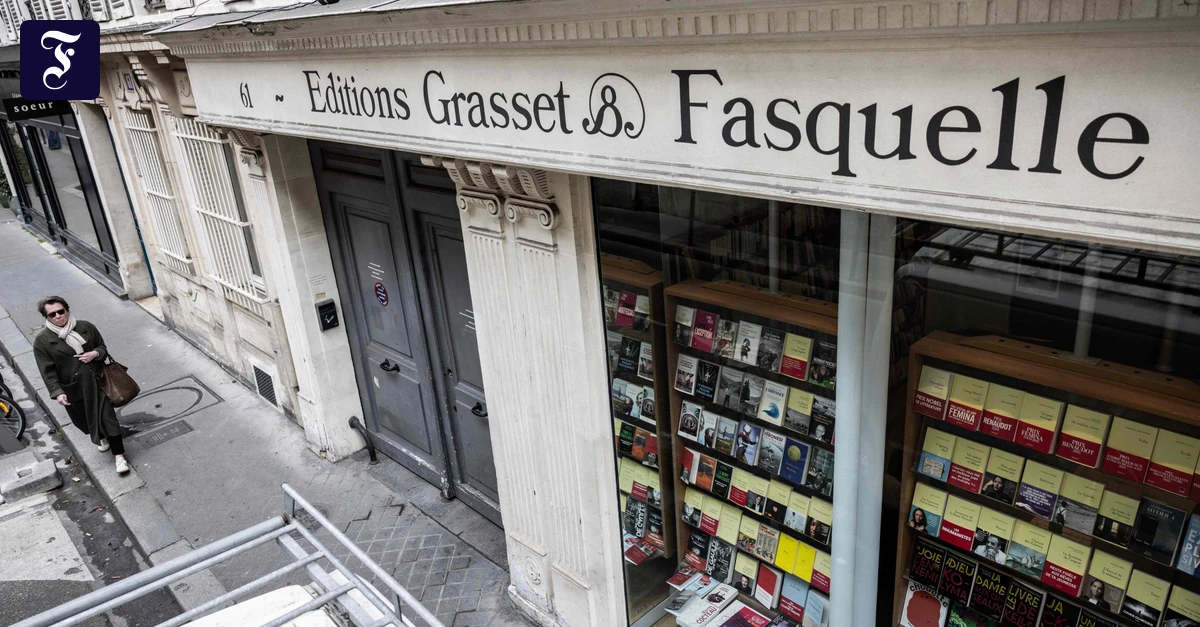
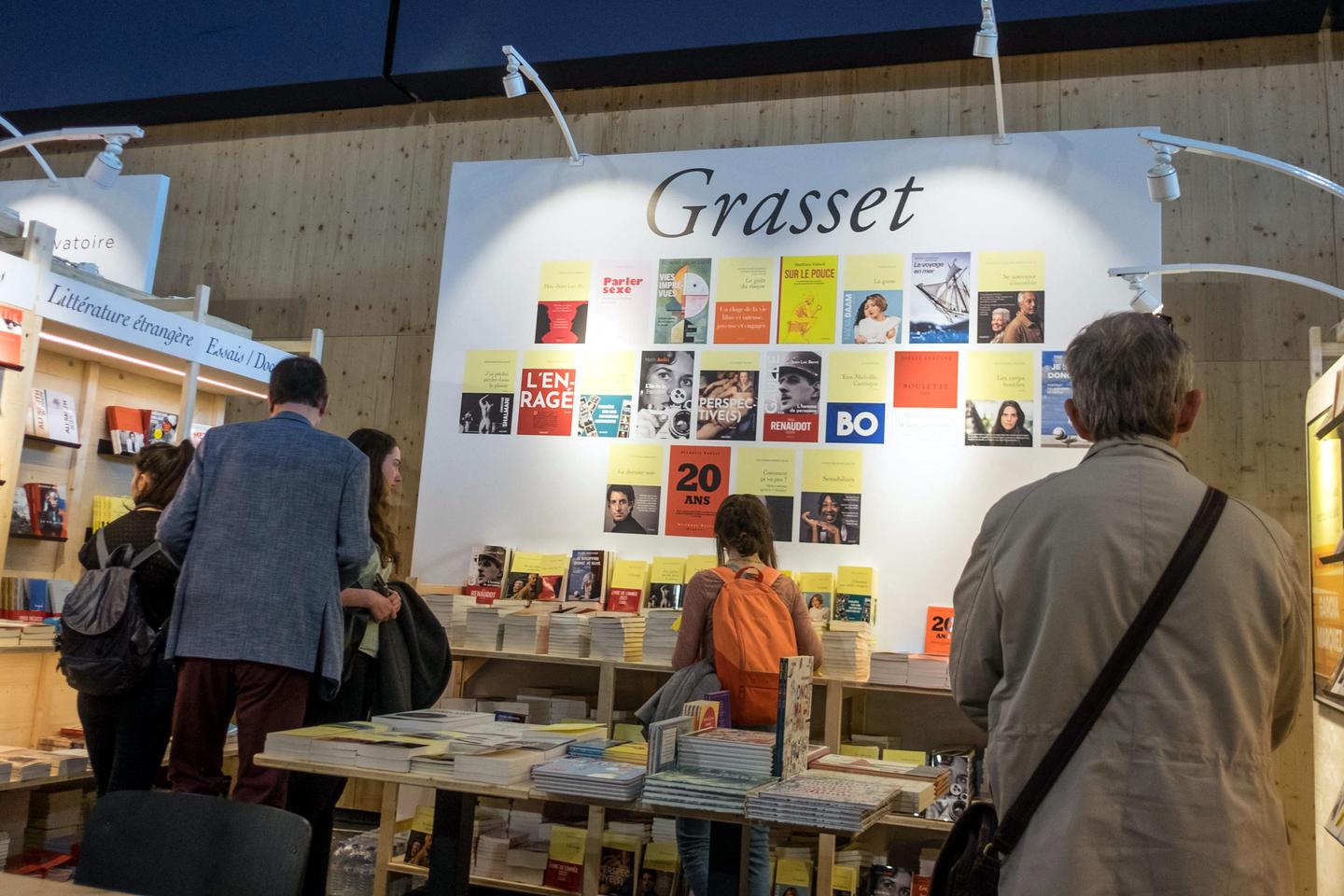
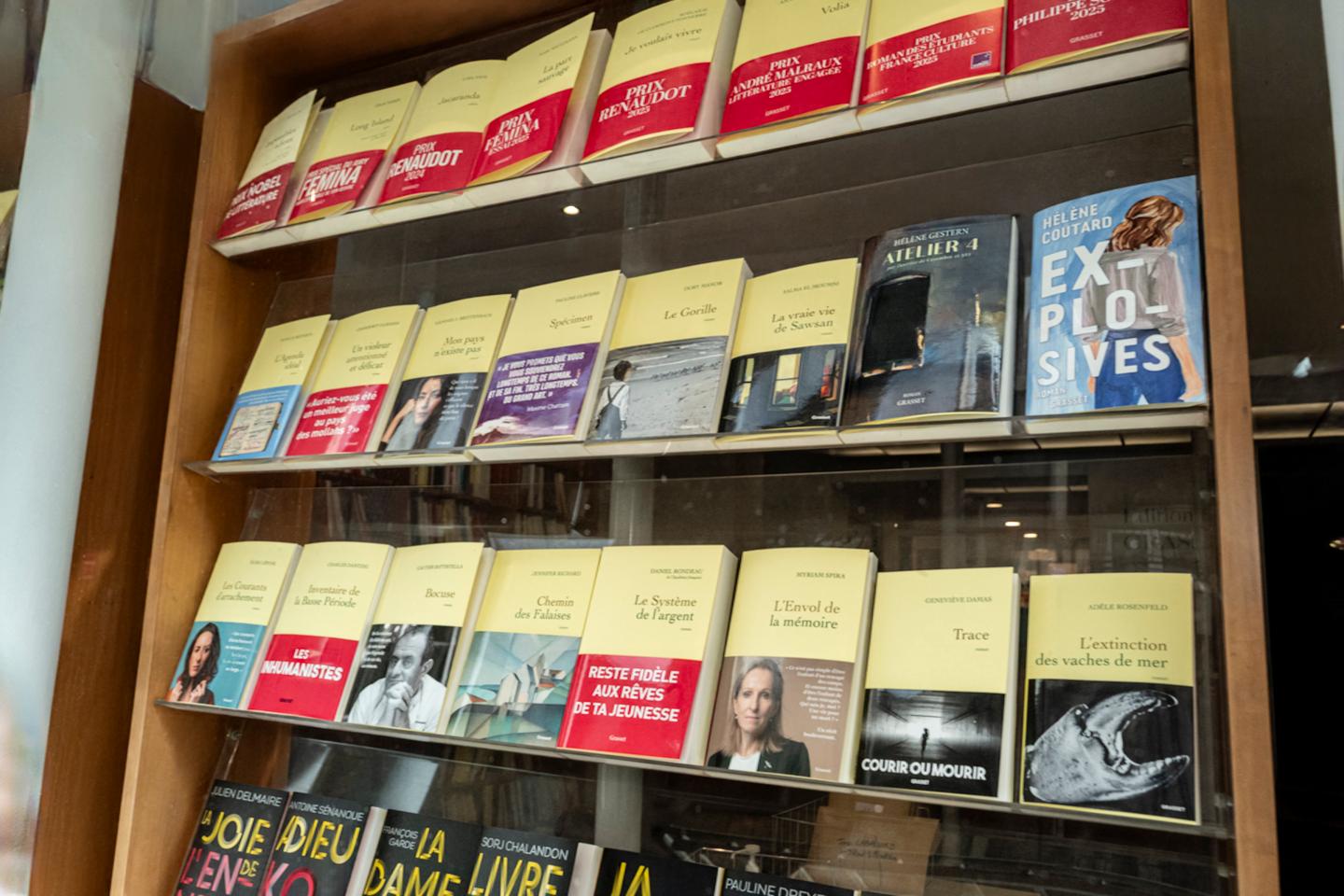
hat is a publishing house without its authors? A squandered reputation, an empty shell tossed about by the interests of its owner, a trampled editorial freedom, and a financial position weakened. Vincent Bolloré likely cares little about the answers to this question. The media mogul's abrupt decision on Tuesday, April 14, to dismiss Olivier Nora, who had led Grasset for 26 years, proves as much. By undermining the independence of a publishing house long considered a pillar of French intellectual life, the billionaire sparked an unprecedented exodus, with more than 100 writers resigning in protest.
Subscribers only
Virginie Despentes and over 130 writers quit publishing house after Bolloré fires CEO
Grasset was an institution where discordant, sometimes antagonistic voices coexisted, always with the aim of fostering debate. By upsetting that fragile balance under the pretext of editorial disagreements with Nora, Bolloré has taken another step in his methodical influence strategy to advance a political and ideological agenda. This is no longer merely about profitability or industrial synergies. From CNews to Europe 1, from Le Journal du Dimanche to publishing, he has built a media ecosystem dominated by his Vivendi group, now a powerful amplifier for conservative, identitarian and openly reactionary ideas. The relentless promotion of the same themes – crime, decline, nostalgia for a moral order – has shaped both the public and political agenda.