F
rance is facing yet another energy crisis, exposing millions of households to rising hydrocarbon prices and highlighting the country's ongoing dependence on combustion-engine vehicles. The government has announced an expansion of the electric social leasing program [leasing of vehicles with a purchase option] at €100 per month for an additional 50,000 households – less than 1% of the five million people in France who depend highly on cars.
There is an urgent need to accelerate. The price of diesel has averaged more than €2.30 per liter, an increase of over 30% in just a few weeks. French motorists are once again bearing the brunt of geopolitical upheavals over which they have no control.
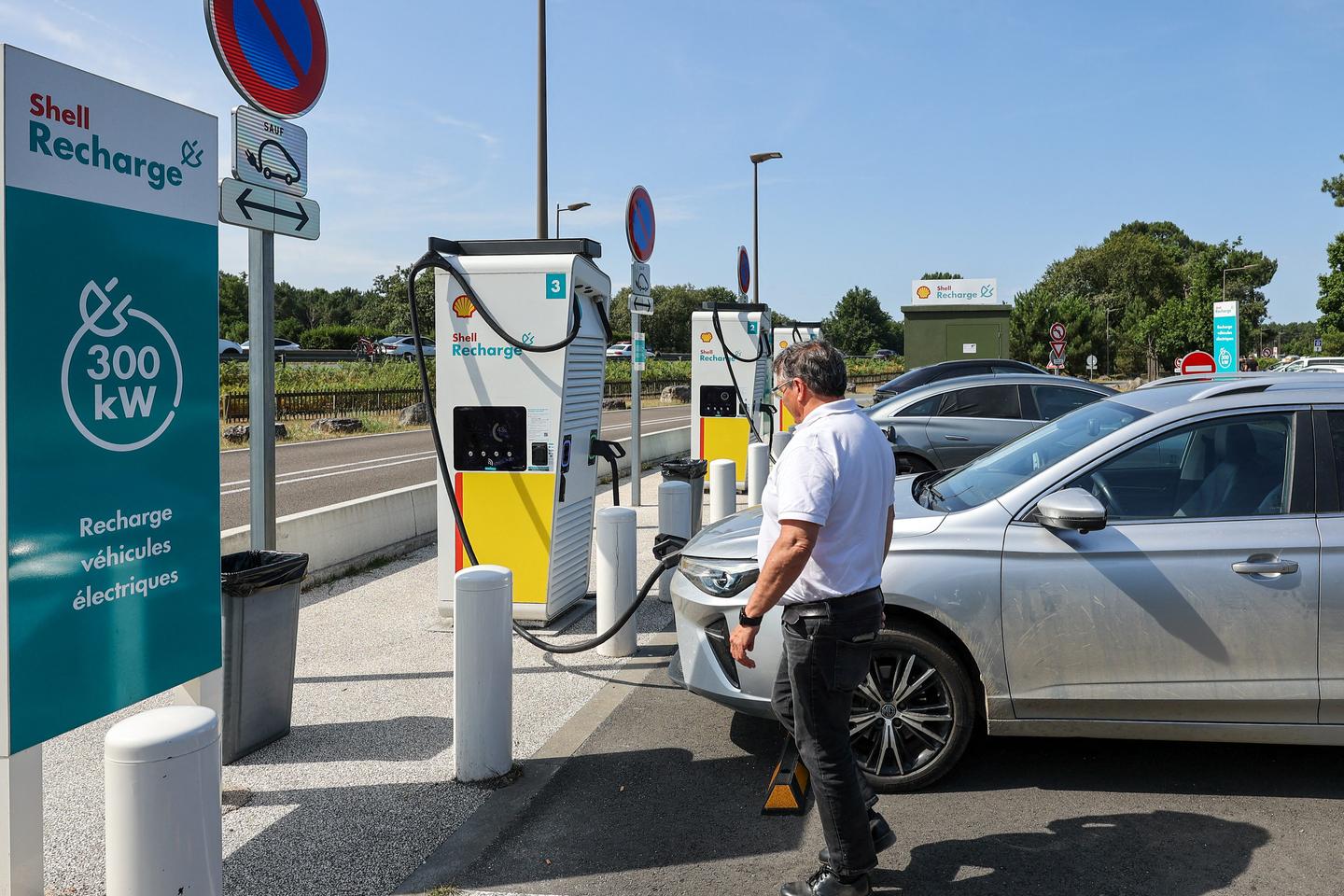
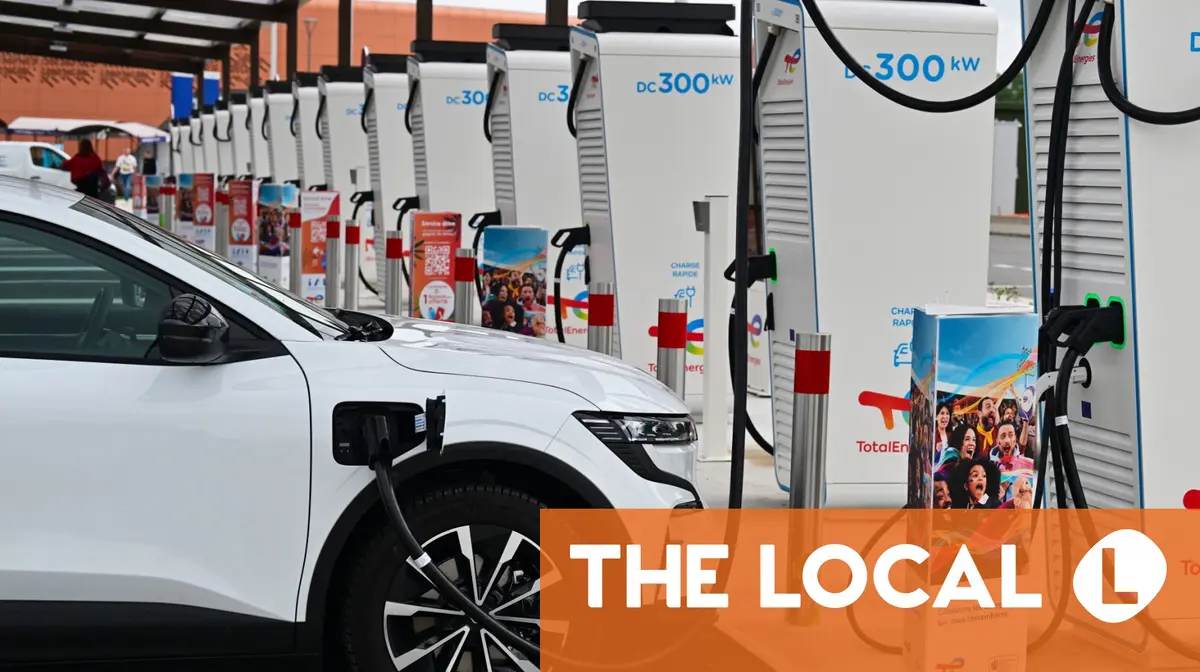
The surge in fuel prices is a stark reminder that France remains an economy highly dependent on fossil fuels, particularly in the most essential aspect of daily life: mobility and access to work, healthcare, or education for millions of citizens. Out of 39.7 million cars on the road in France, less than 3% are electric. Electric vehicles account for 25% of new car sales, compared to 95% in Norway. The French automobile fleet remains, in essence, a petroleum colony on national soil.
Our democracies have built their social promise on a foundation of abundant and cheap energy. Protections, rights, consumption: This entire structure rests on an implicit pact with oil. When prices rise, the freedoms of the most vulnerable are the first to be threatened. In suburban and rural areas, one in four people in France report having no mobility services nearby.