B
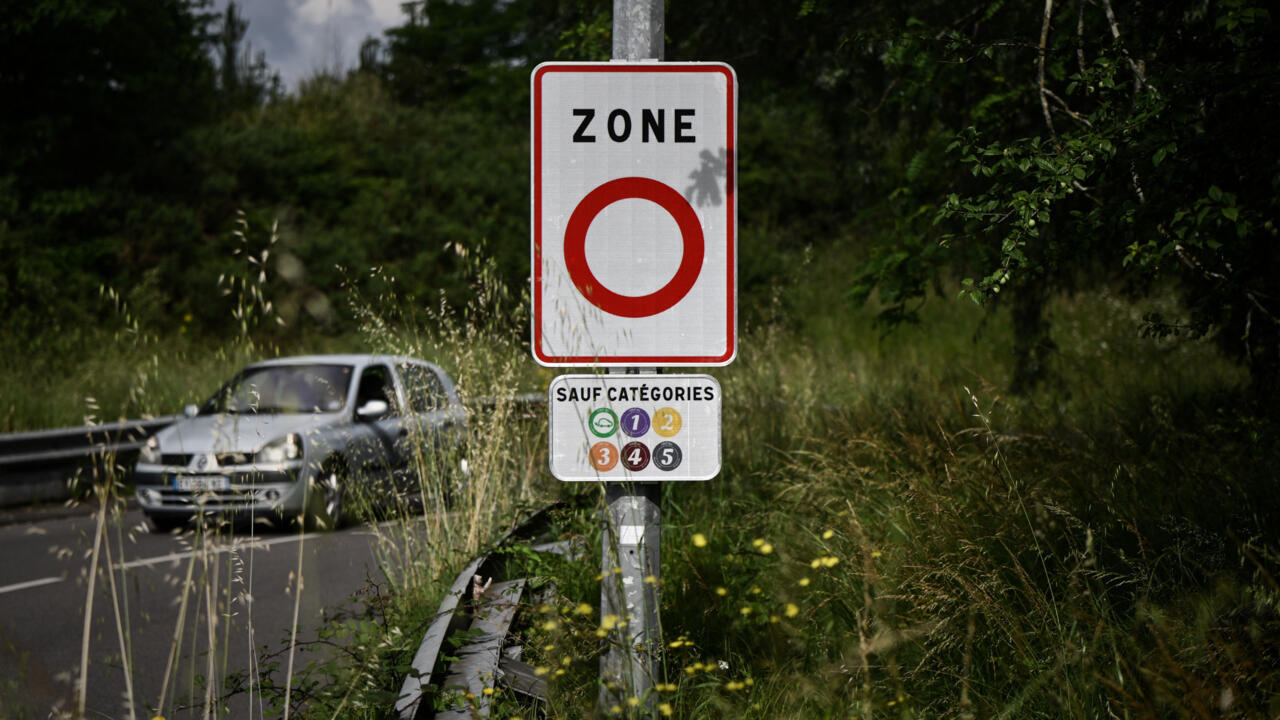
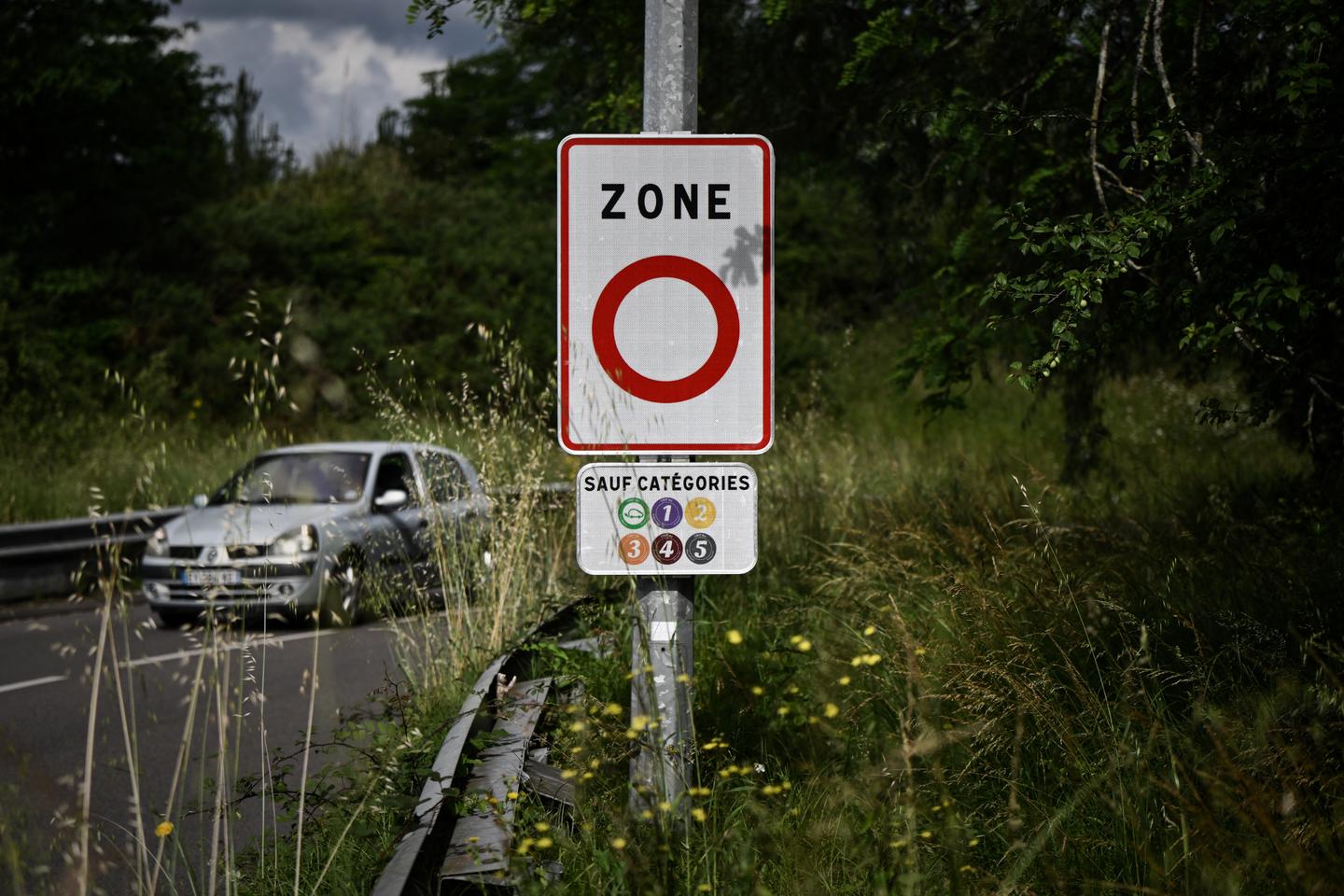
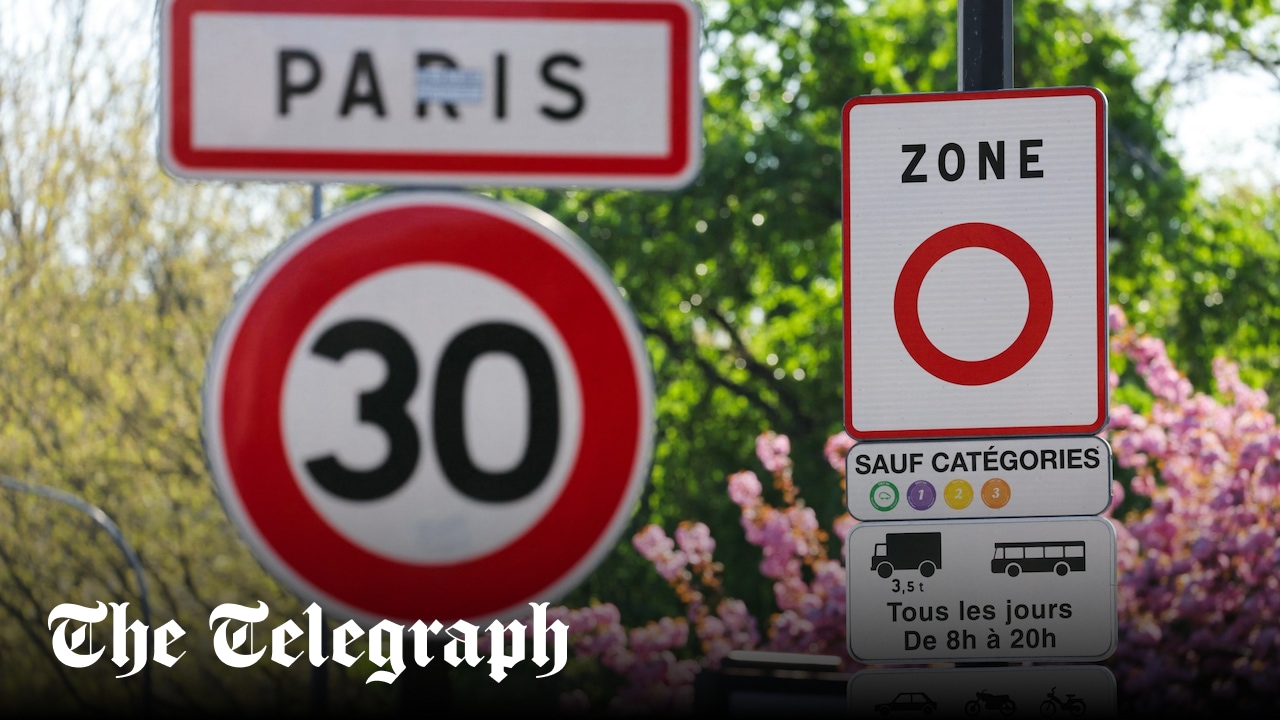
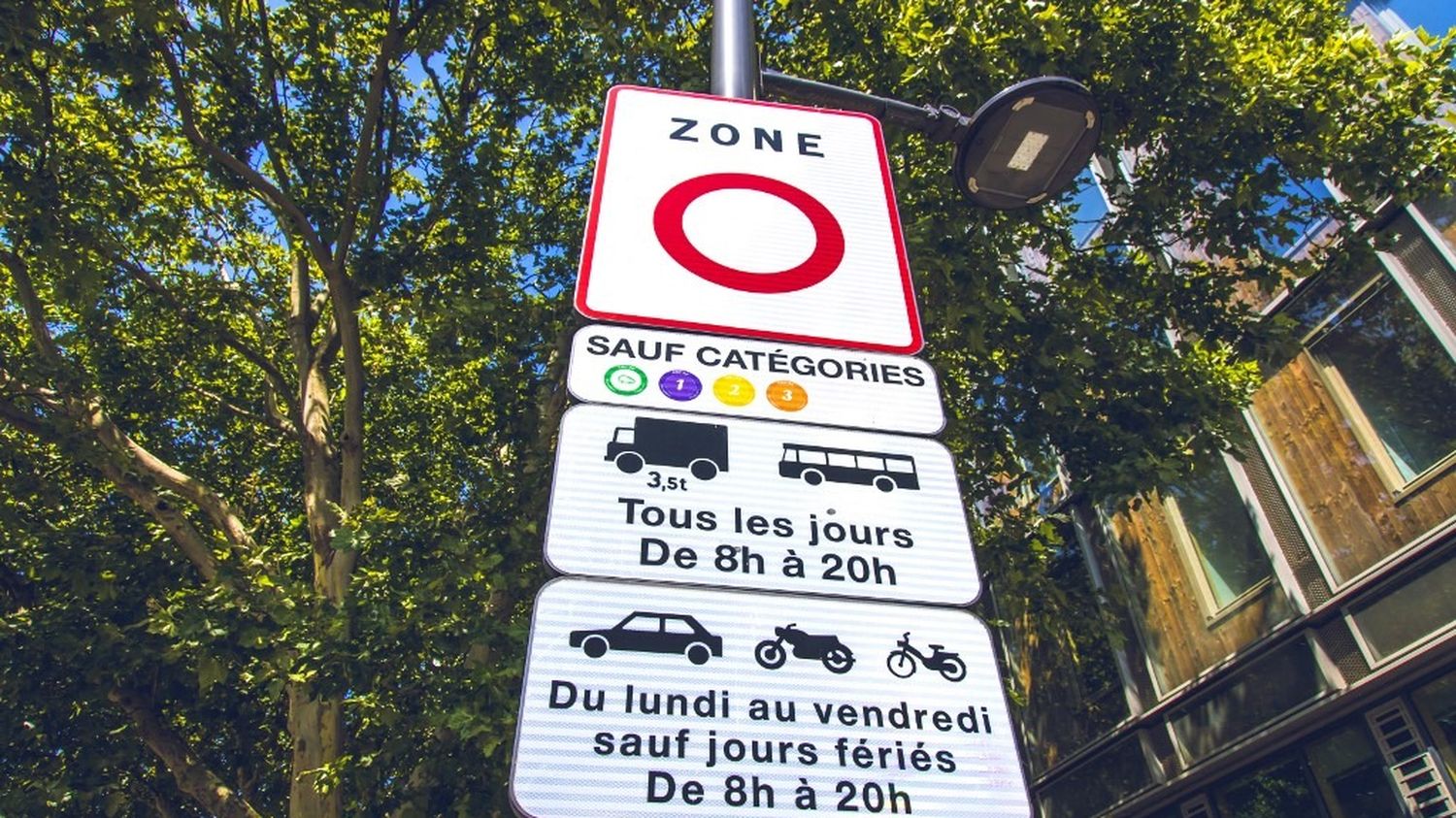
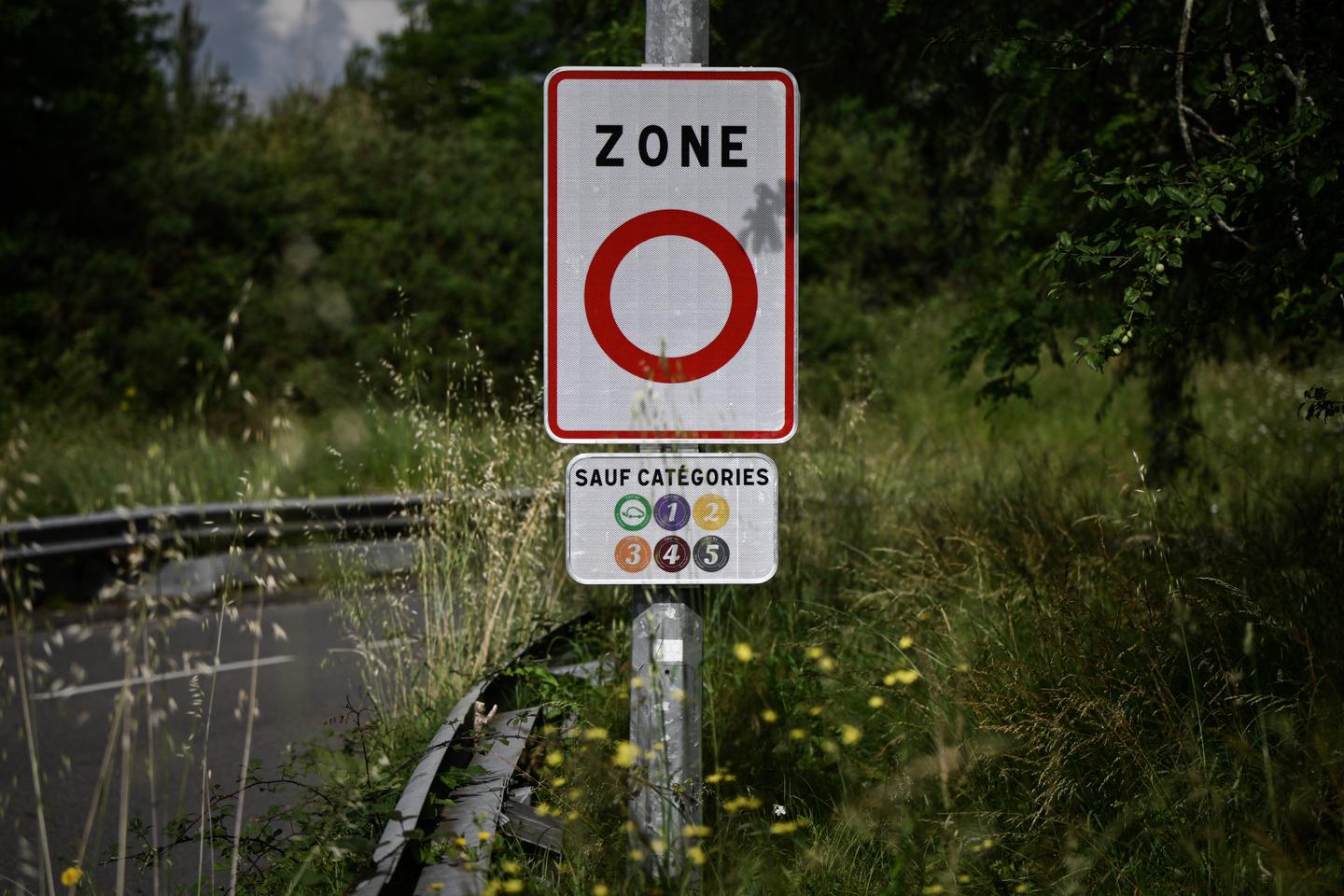
arely implemented, already sidelined? Low-emission zones (LEZ) may be seeing their final days. Created in France under the 2019 Mobility Orientation Act and the 2021 Climate and Resilience Act, the measure aimed to gradually ban the most polluting vehicles in order to improve air quality in cities with more than 150,000 residents. Pushed by the right, the far right and radical left La France Insoumise (LFI), the abolition of LEZs has been added to a bill on streamlining economic life due to be voted on in Parliament in the coming days. An agreement reached in a joint committee on Tuesday, January 20, opens the door for the bill to secure a majority, effectively sealing the fate of LEZs, unless the Constitutional Council rules otherwise in the months ahead.
The idea behind the measure was based on an undeniable reality of public health. In France, air pollution, mainly caused by car traffic, is responsible for more than 40,000 premature deaths every year. The aim was to encourage renewal of the vehicle fleet by restricting urban access for the most polluting vehicles, favoring those that emit the fewest fine particles. Logically, this would reduce the number of respiratory and cardiovascular diseases, cases of childhood asthma and vulnerability among the elderly, while also limiting greenhouse gas emissions that drive global warming. Abandoning LEZs without any serious alternative would amount to accepting these public health and environmental sacrifices as inevitable.