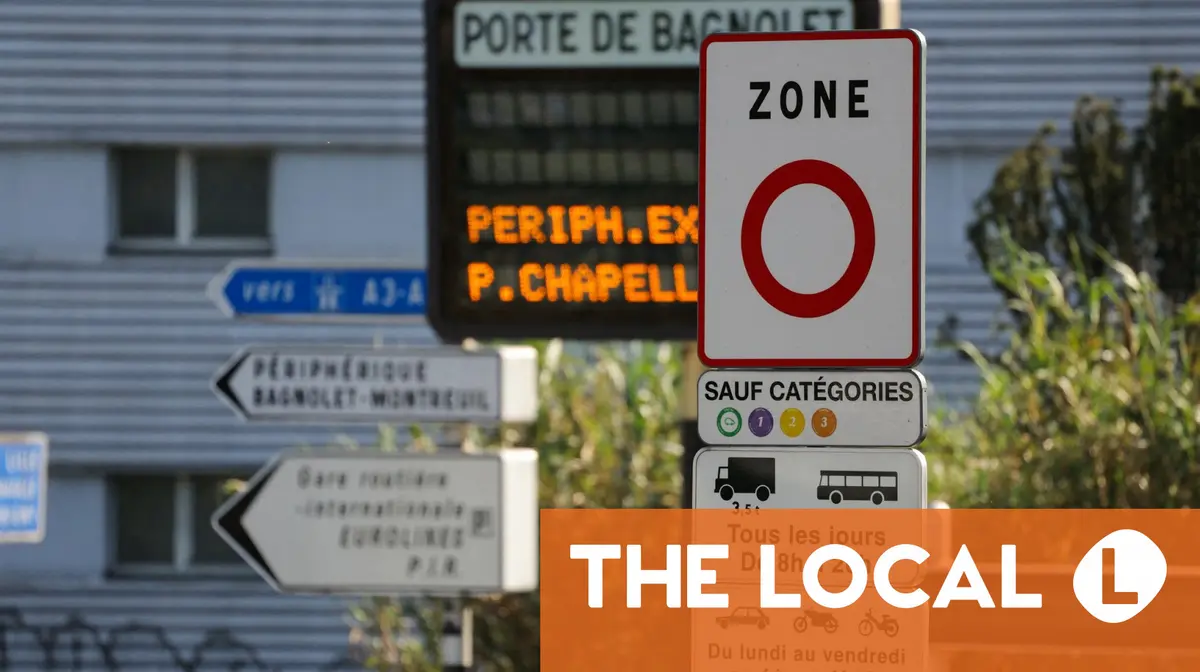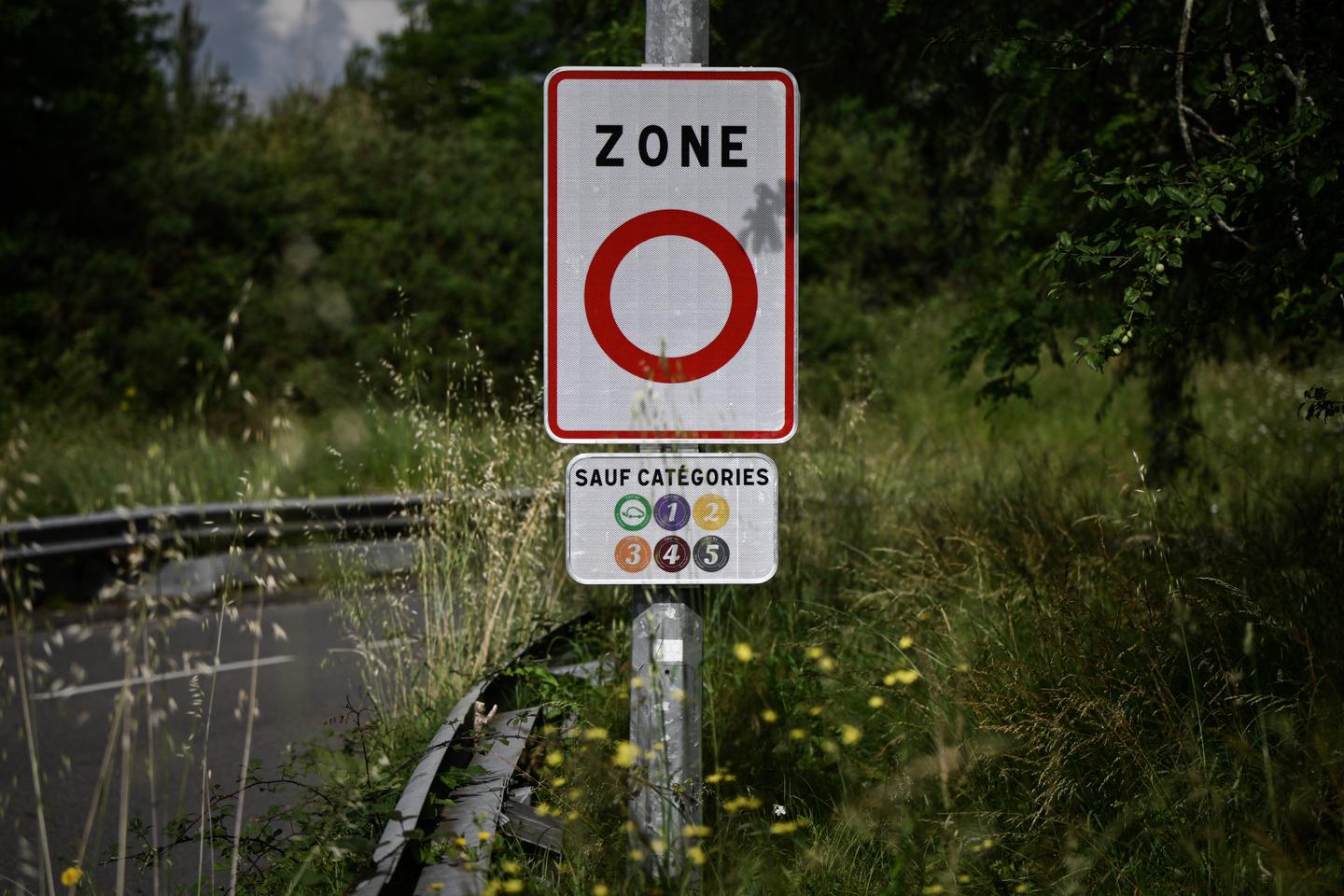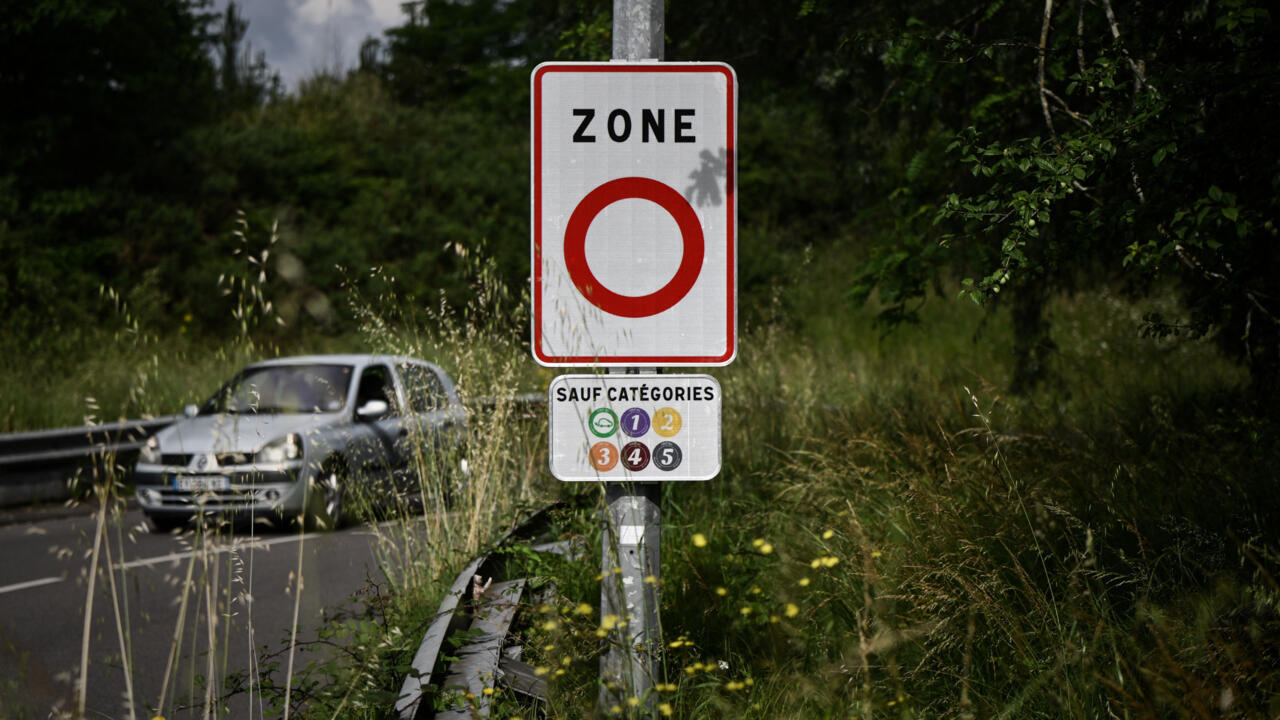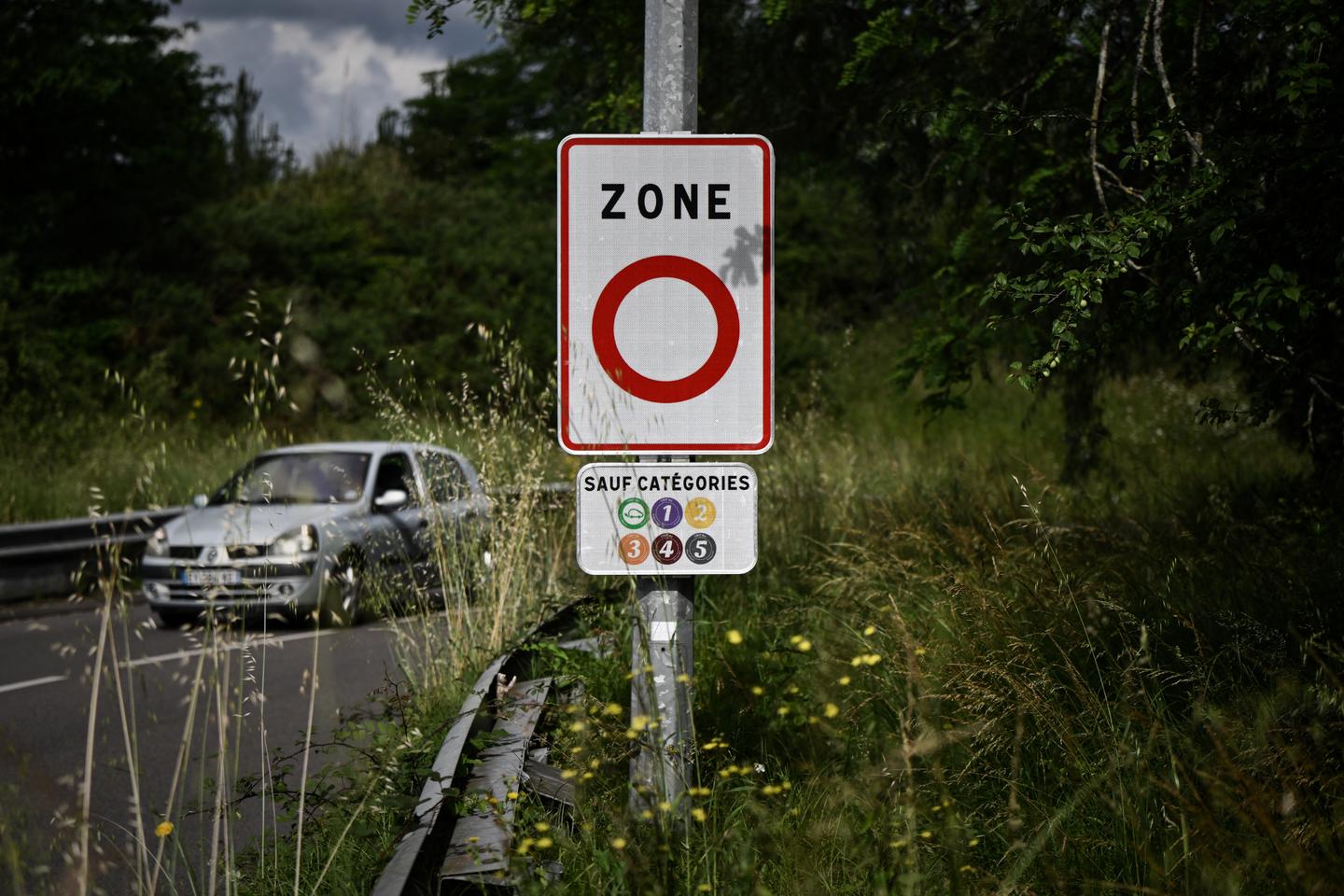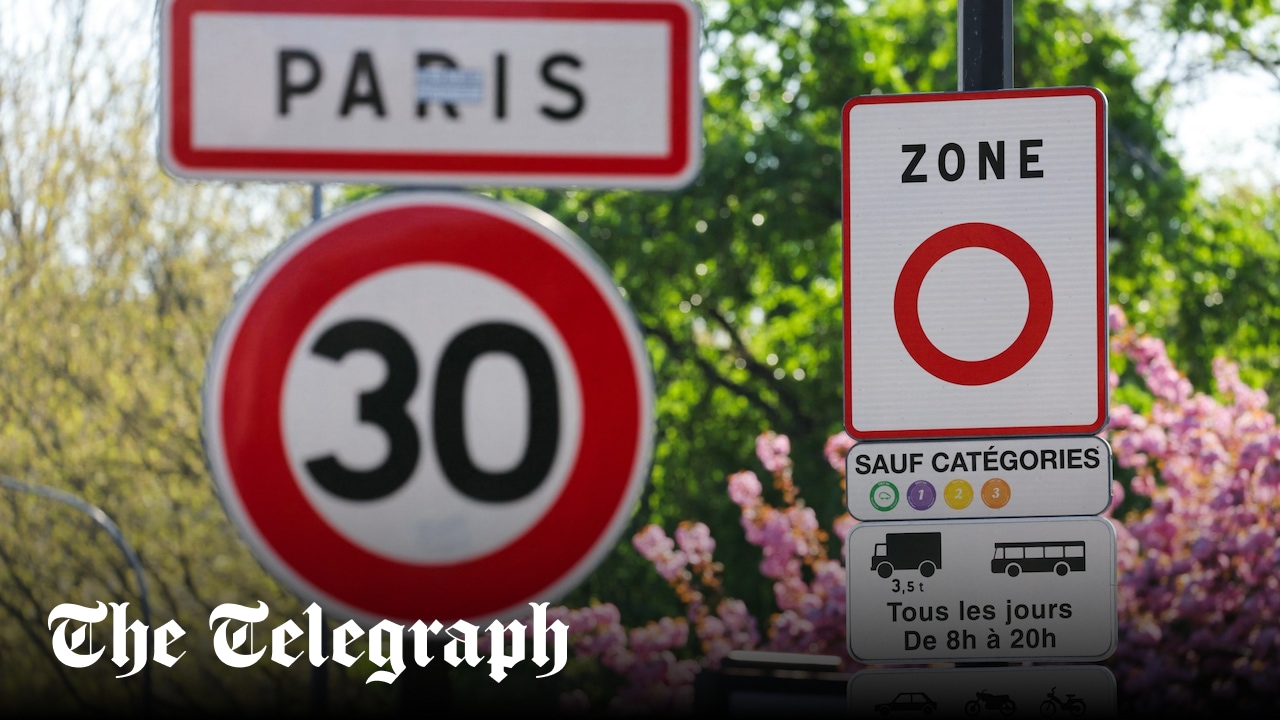
A low-emission zone (LEZ) in Lyon, France, April 5, 2025. OLIVIER CHASSIGNOLE/AFP
In another setback for improving air quality, the French government's proposition for an amendment that would have given local authorities the freedom to choose whether to keep low-emission zones (LEZs), an environmental hallmark of President Emmanuel Macron's first term, was rejected by MPs on Tuesday, April 14.
"We have achieved a tremendous victory against punitive environmental policies," said Pierre Meurin, a Rassemblement National (RN, far right) MP, who has led the charge against LEZs since 2022. He claimed they fostered "social segregation." A similarly triumphant tone was struck by the influential group 40 millions d'automobilistes ("40 million motorists") and its president, Philippe Nozière: "This is a victory for democracy and for all those who refuse to be excluded from our city centers for lack of resources." Lawmakers in the Sénat are expected to confirm this vote on Wednesday.
Presented as an "irreversible momentum" when they were introduced in late 2018 by then-transport minister Elisabeth Borne, LEZs were initially intended to gradually restrict the circulation of the most polluting vehicles in cities that regularly exceed air quality standards, including Paris, Lyon and Marseille. The 2021 Climate and Resilience Act later provided for their extension to all metropolitan areas with more than 150,000 residents starting January 1, 2025. In practice, however, only 25 metropolitan areas implemented them.