“You can’t just show up after all this time and think everything’s gonna be the same.”
That’s what Hunter Schafer’s character Jules tells Zendaya’s Rue early on in the long-awaited third season of “Euphoria.” The line feels like an obvious nod to the fact that the HBO drama, created by Sam Levinson, has had to reinvent itself now that it no longer has the safety net of its high school setting following a five-year time jump.
It also feels like a meta commentary on the current state of the still-provocative, yet former teen-centric drama that once tried to push the envelope in its depiction of high school life through a lens of sex, drugs, addiction, trauma and social media. But now, after a grueling four-year absence, the HBO show returns noticeably different.
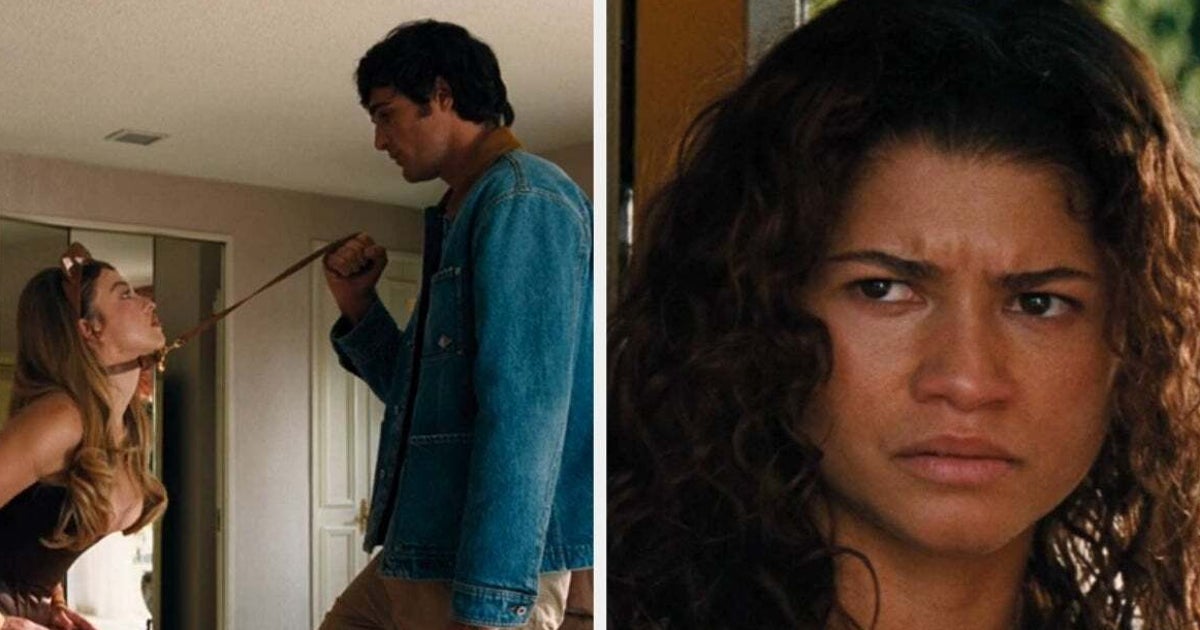
Sure, some familiar elements remain. Like the series’ hyperfixation on sex, drugs, and more sex, as seen in the much-anticipated Season 3 premiere that finally aired on Sunday. The cinematic visuals and sensationalism that turned the breakout series into a cultural lightning rod in its first two seasons are still alive and well, too.
However, the sharp, zeitgeisty edge that once distinguished “Euphoria” from other racy Gen-Z shows seems to have faded after too much time away from our screens.