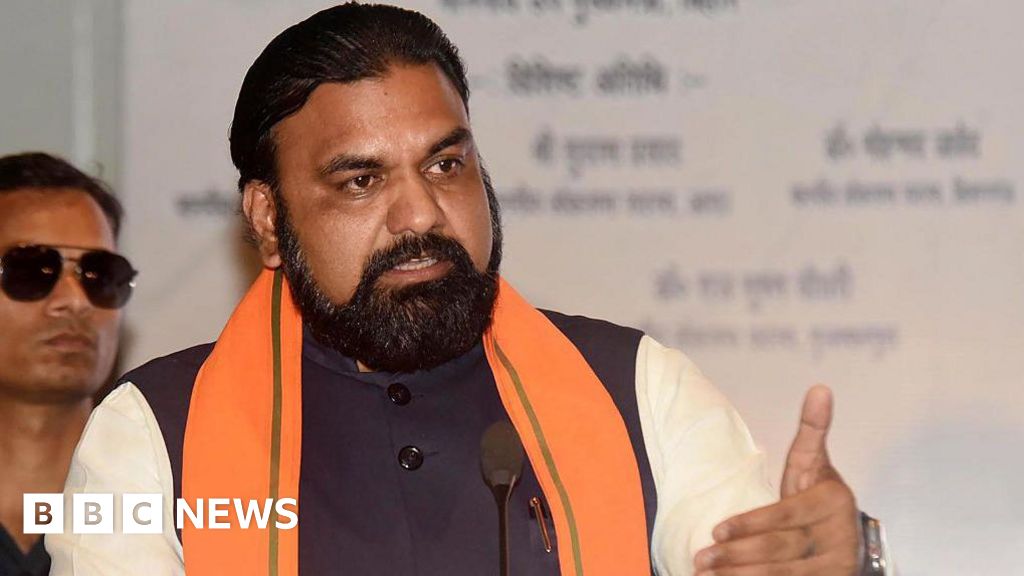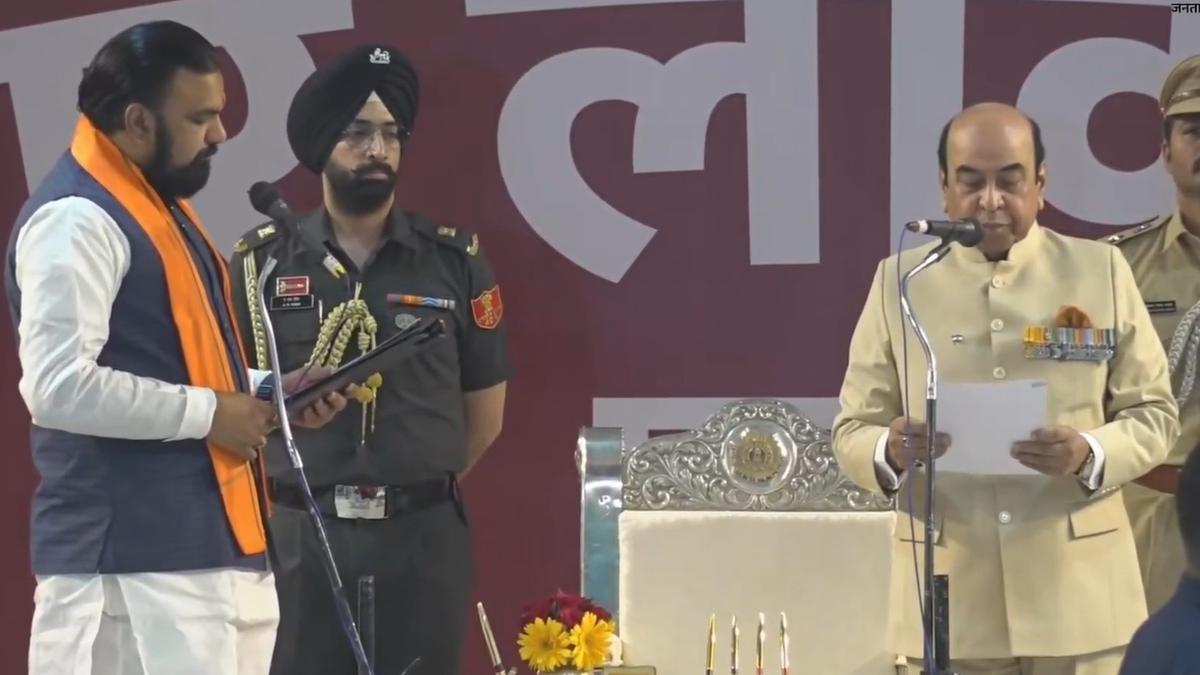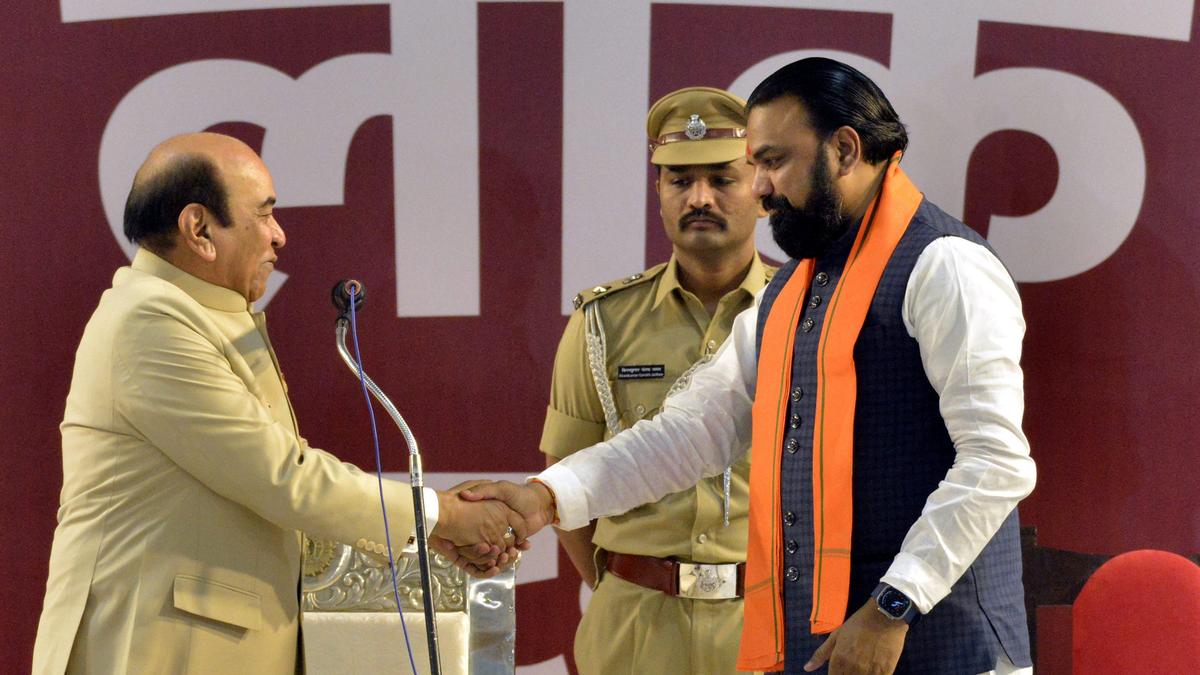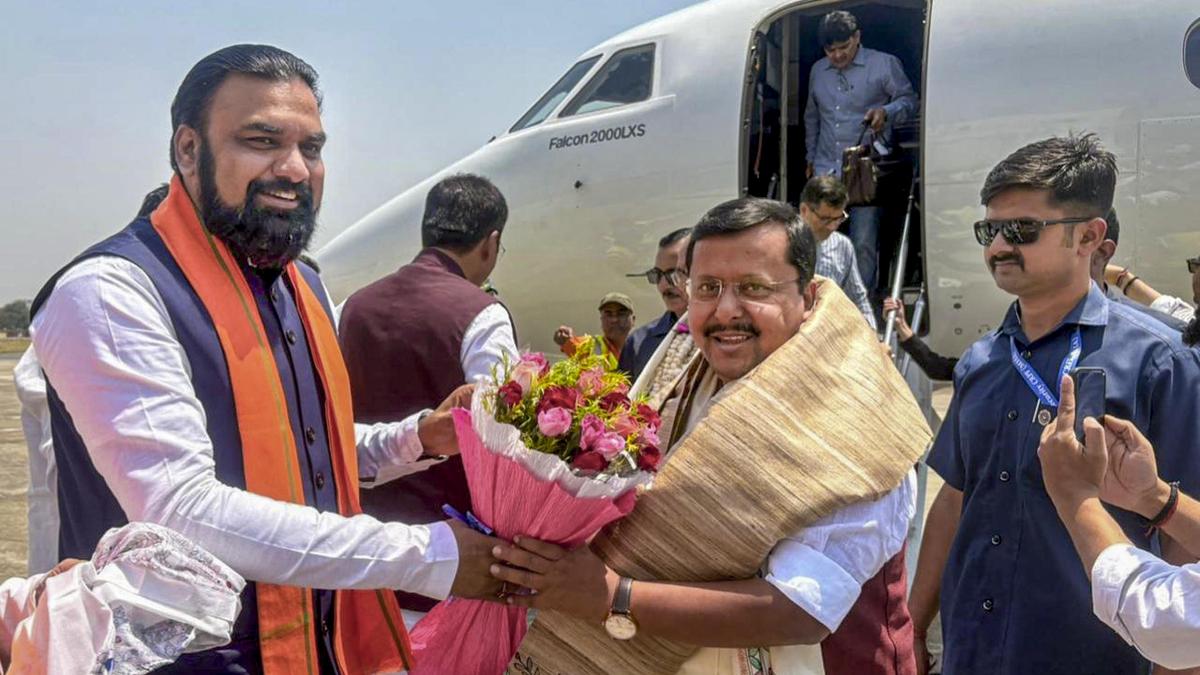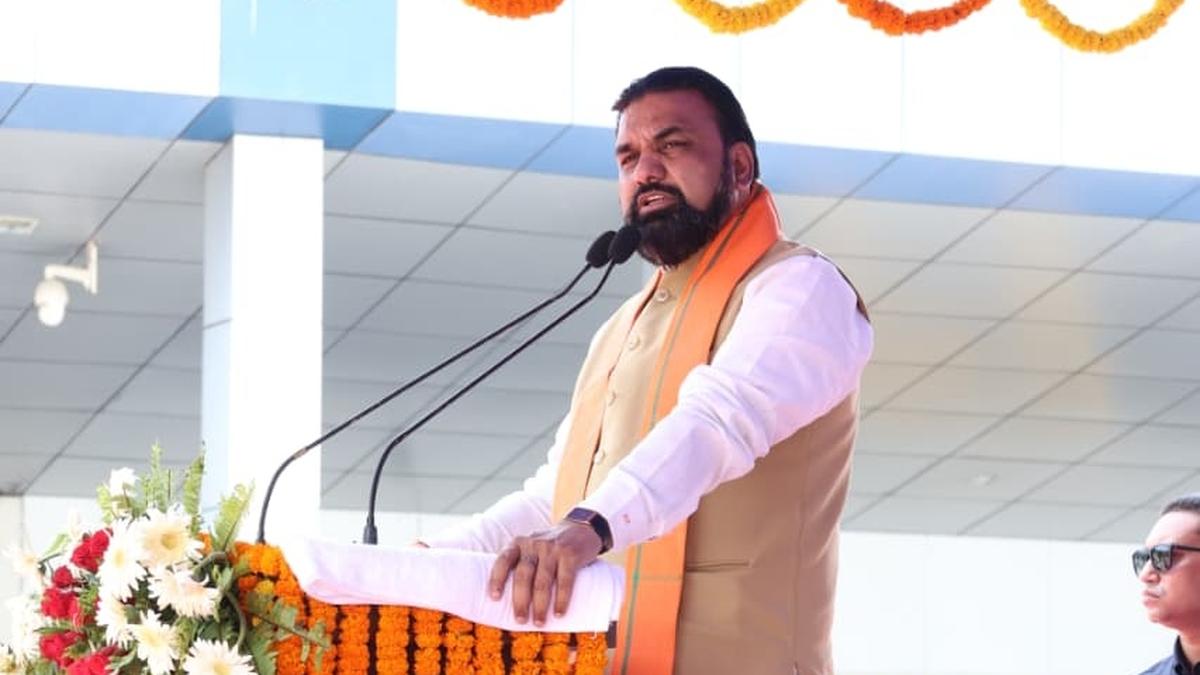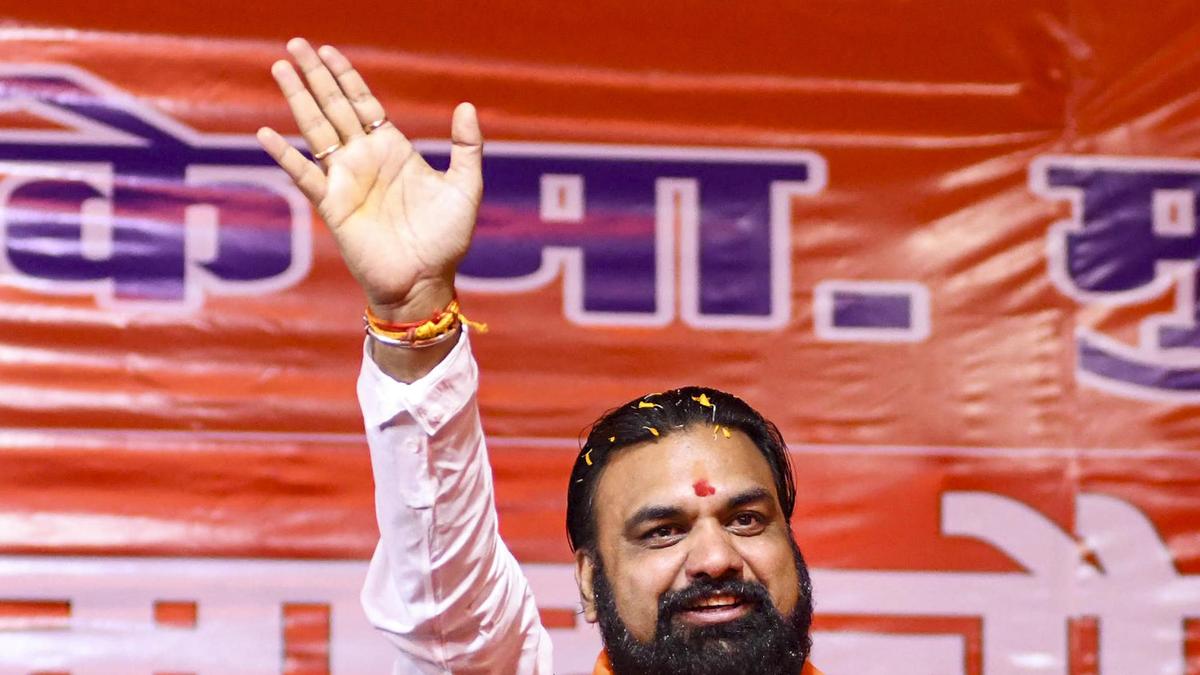
Several challenges face senior Bharatiya Janata Party (BJP) leader in Bihar and newly sworn-in Chief Minister Samrat Choudhary also known as Rakesh Kumar, who was till recently the Deputy Chief Minister in the previous Nitish Kumar government. Uniquely for the Hindi heartland, the BJP debuted in Bihar in 1980 but has never been in power on its own in the State. Mr. Choudhary, 57, is the saffron party’s first CM in 46 years in Bihar.
His party colleagues expressed delight in having their own CM at Mr. Choudhary’s swearing-in on Wednesday (April 15, 2026). “In the bade bhai, chote bhai (elder brother, younger brother) relationship, we are now bade bhai in the true sense,” BJP supporters were heard saying on the party headquarters here, referring to playing second fiddle to the the Janata Dal-United (JD-U) in the State, although sources said they had been told not to celebrate the occasion publicly.
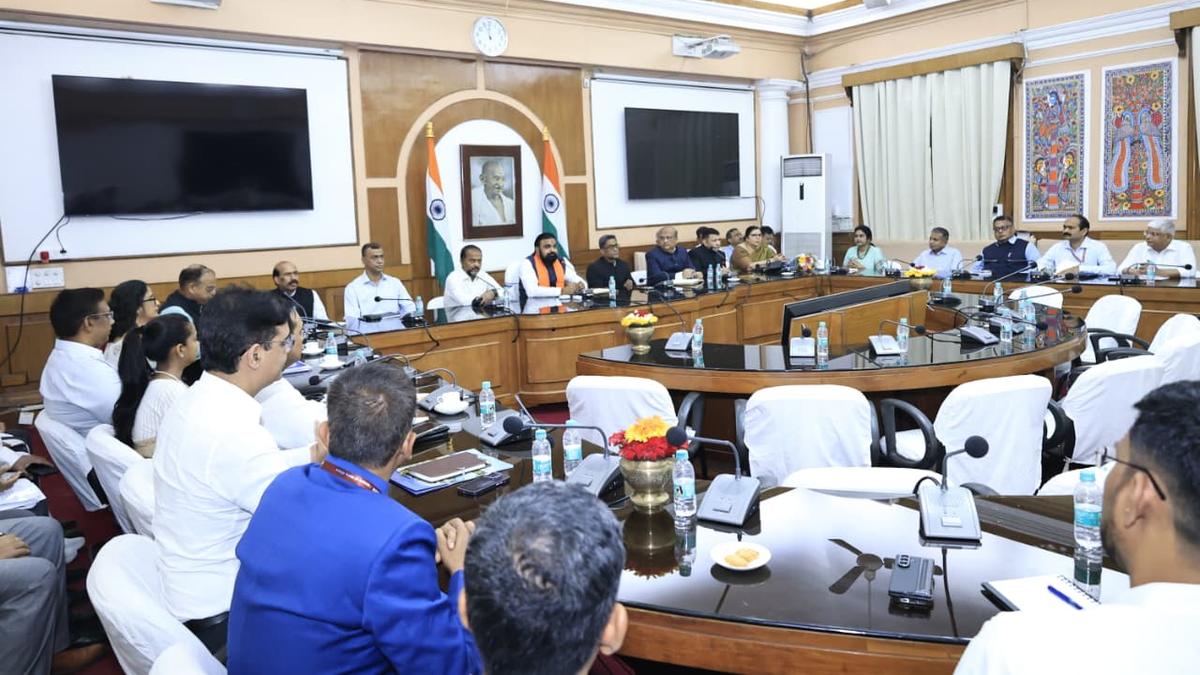
Samrat Choudhary orders ‘zero tolerance’ against corruption in first meeting as Bihar CM
Despite the euphoria, significant challenges await Mr. Choudhary.
Firstly, matching the political persona of his predecessor, Mr. Kumar, who held the reins of power in Bihar for well over two decades, from November 24, 2005, is a tall ambition. Mr. Choudhary would have to counter or retain the support of the 36% Extremely Backward Classes (EBC) voter base Mr. Kumar commanded, while navigating complex coalition dynamics. Mr. Kumar, an electrical engineer by profession with an astute eye on social engineering in his political career, had very minutely carved out the support of EBCs and non-Yadav Other Backward Classes (OBCs) over the course of his rule. Meanwhile, the alliance with the BJP had ensured the support of the upper castes in favour of the National Democratic Alliance (NDA) for so long in the State. Mr. Choudhary will now have to establish the BJP’s domination of Bihar while managing the coalition government in a caste-ridden society.