T
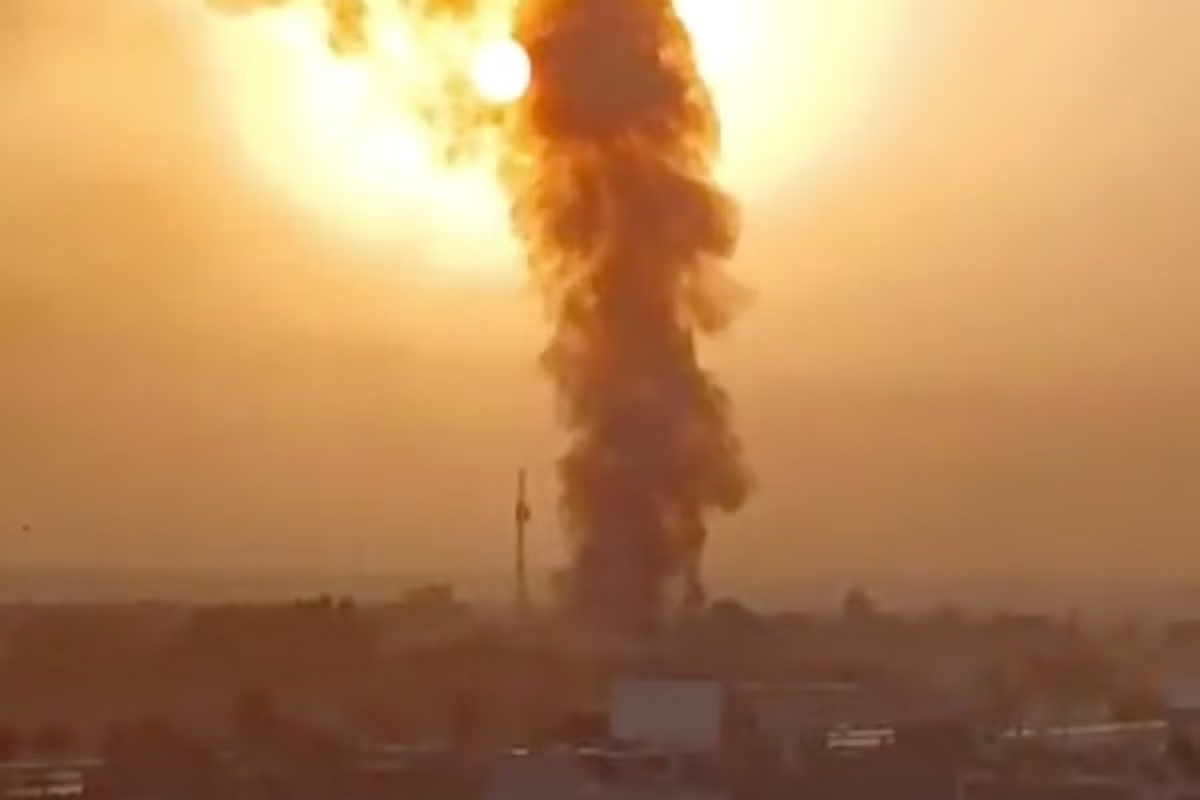
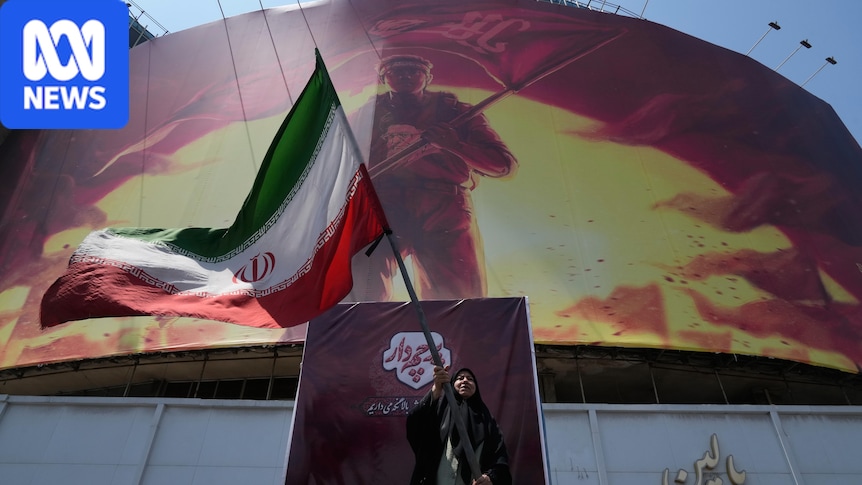
he war is stalling, diplomacy is faltering, and, in the meantime, the toll keeps rising. Since Donald Trump and Benjamin Netanyahu launched an offensive against Iran on February 28, the belligerence may be limited to three countries, but the list of collateral victims keeps growing. The conflict is regional, but the crisis is global. With rising oil prices and Iran's blockade of the Strait of Hormuz, compounded by the US naval blockade aimed at Tehran, inflation has resumed its climb, while economic growth has wobbled.
From Africa to Latin America, the world has been paying the cost of the rise in fossil fuel prices for over a month, including the United States, the world's largest producer. But between the cavalier US-Israeli alliance and the Iranian regime's conviction that it is fighting an existential battle, countries outside the conflict have almost no ability to influence the war, in what could be described as a pandemic of powerlessness.
This has persisted despite the ceasefire in effect since April 7. It has affected countries dependent on goods transiting through Hormuz. The Arab monarchies of the Gulf, though allied with the US, are among the states most impacted. This powerlessness has already swept aside the Global South, whose nations defined themselves mainly by their distrust of a weakened Western order that Trump has buried since his return to the White House. The BRICS group, one facet of the Global South, includes both an embattled Iran and the United Arab Emirates, itself pummeled by Iranian attacks as punishment for aligning with the US-Israeli axis. The group has been shown to be of little use.