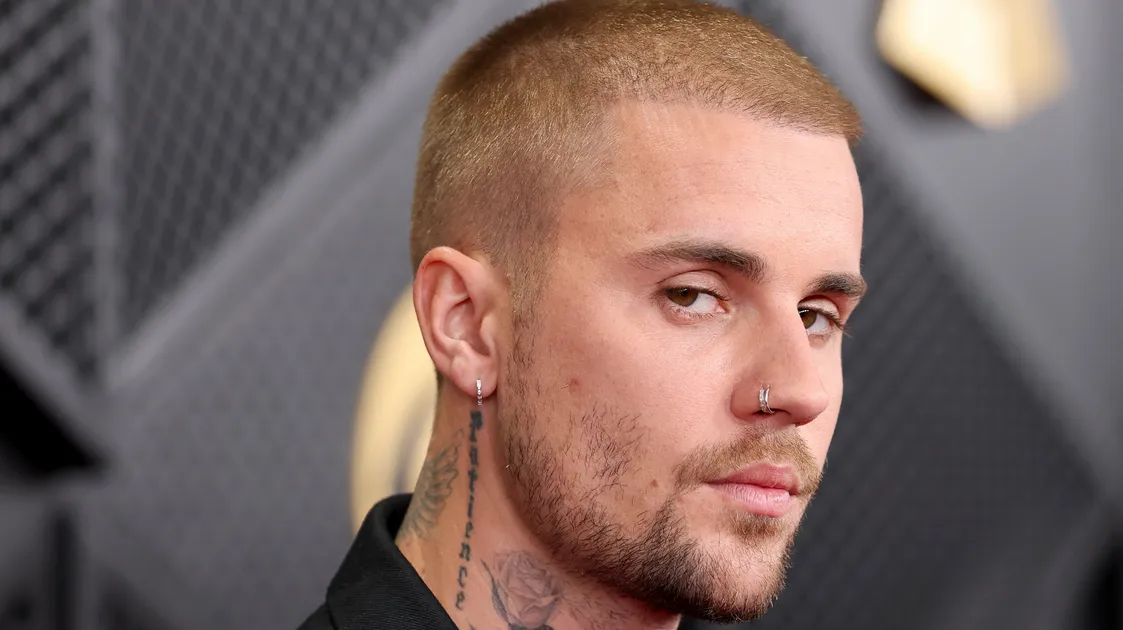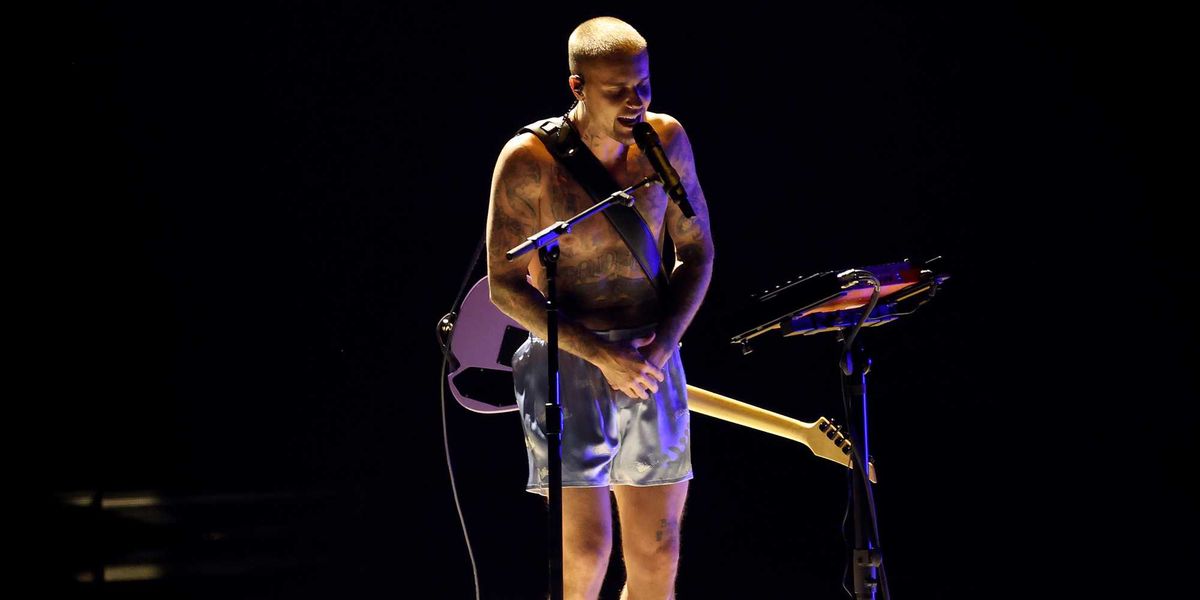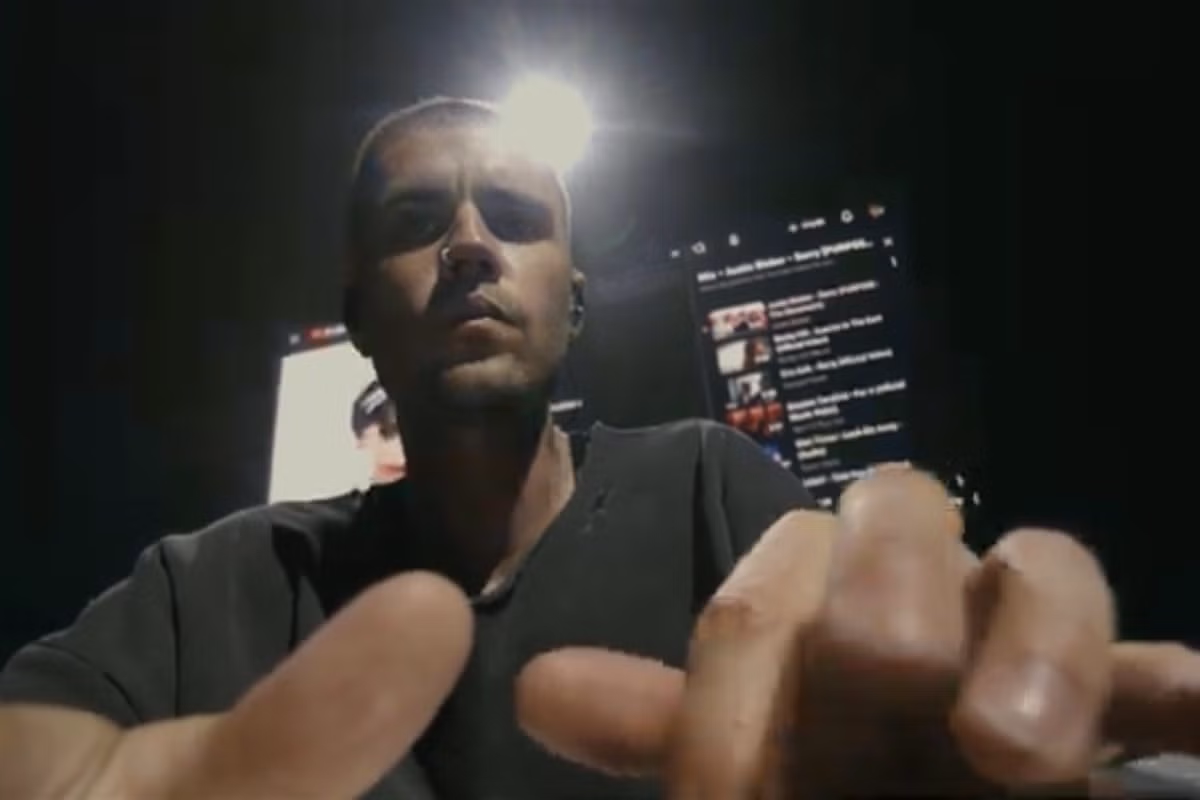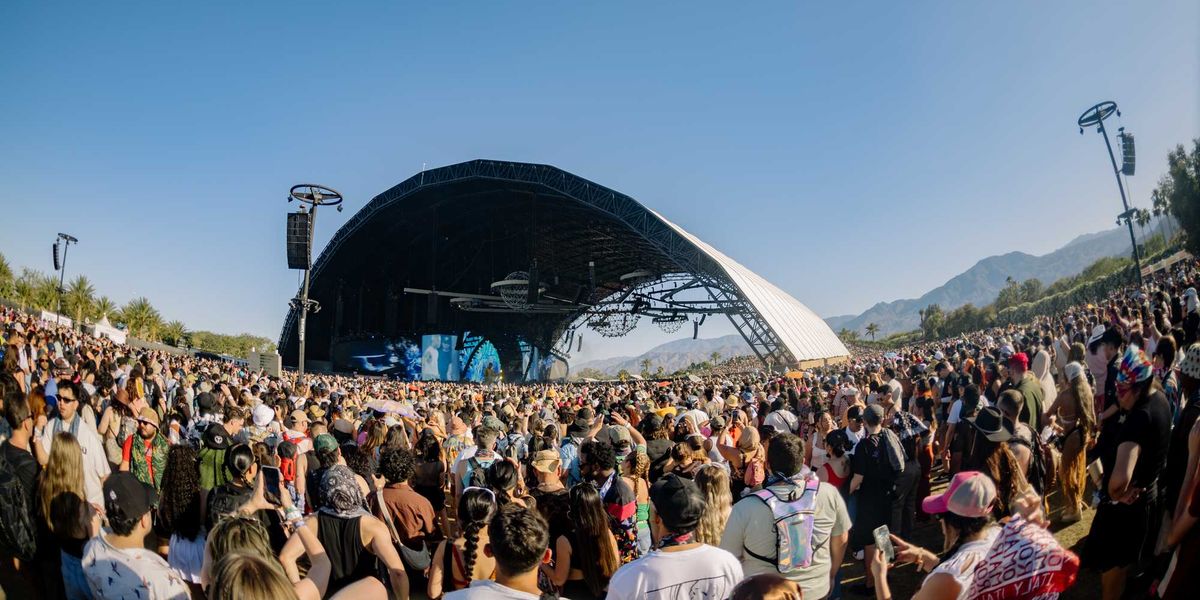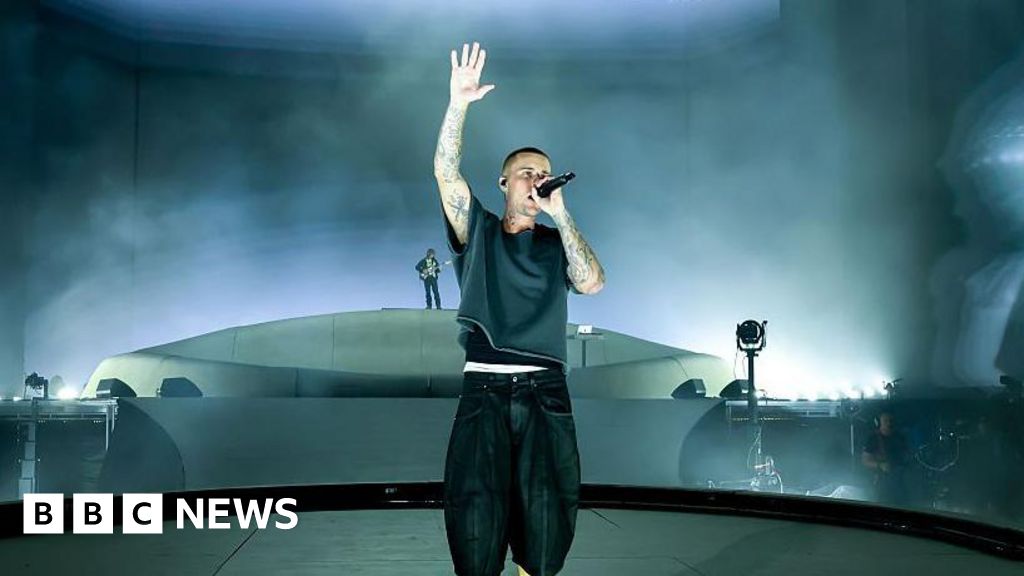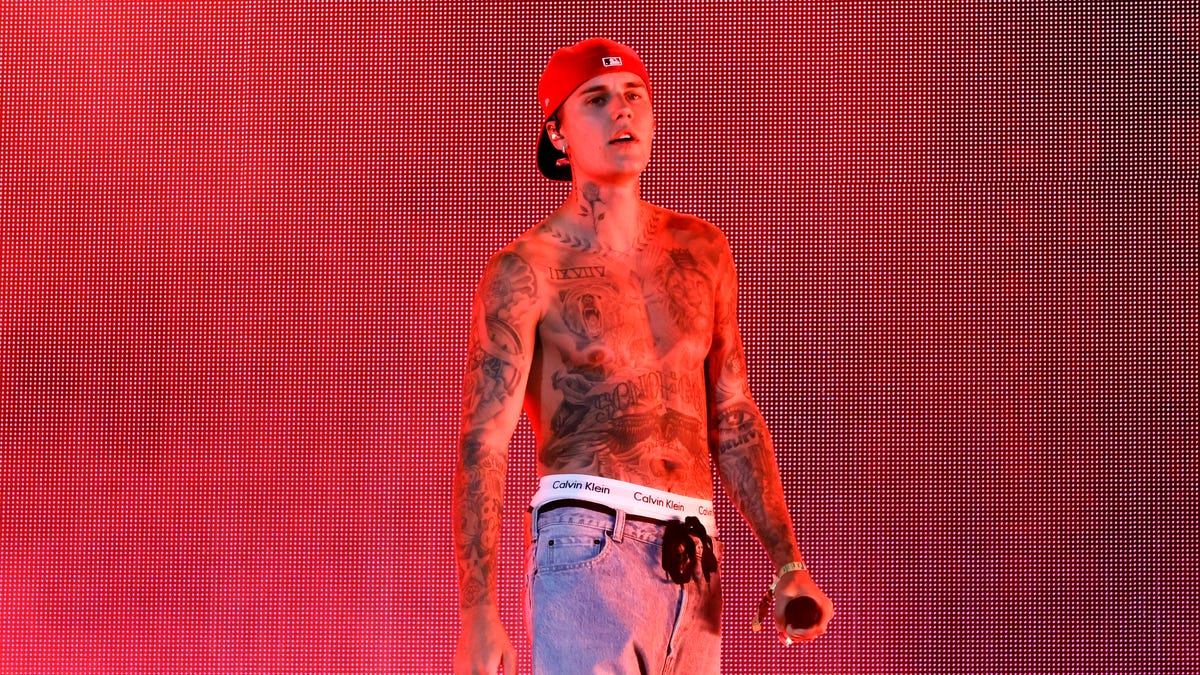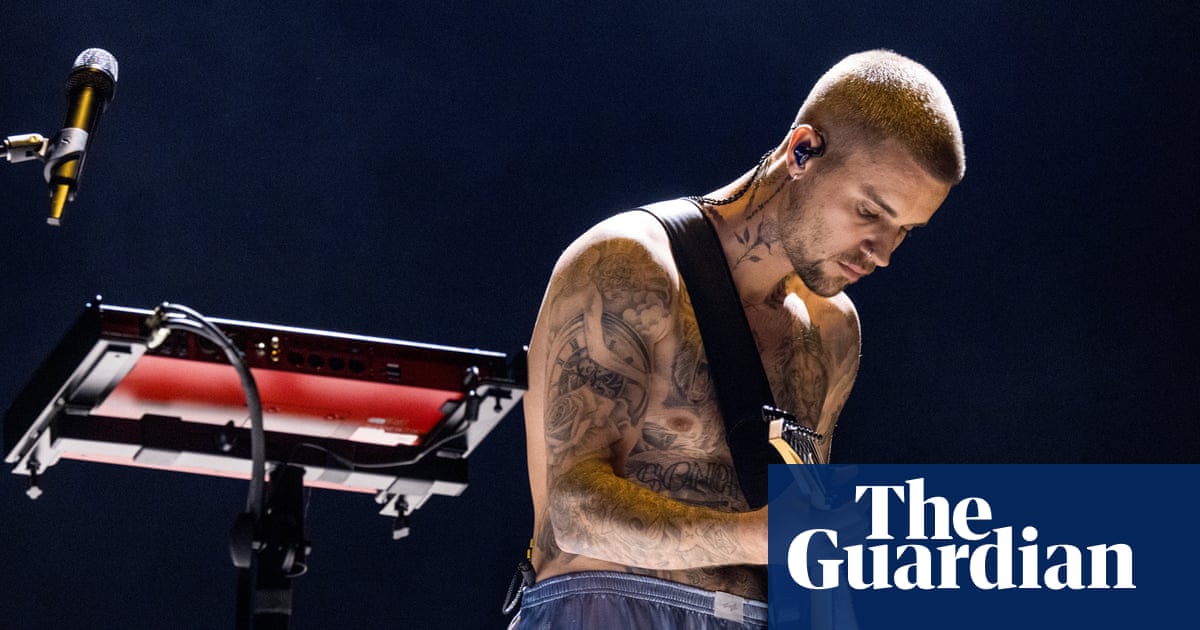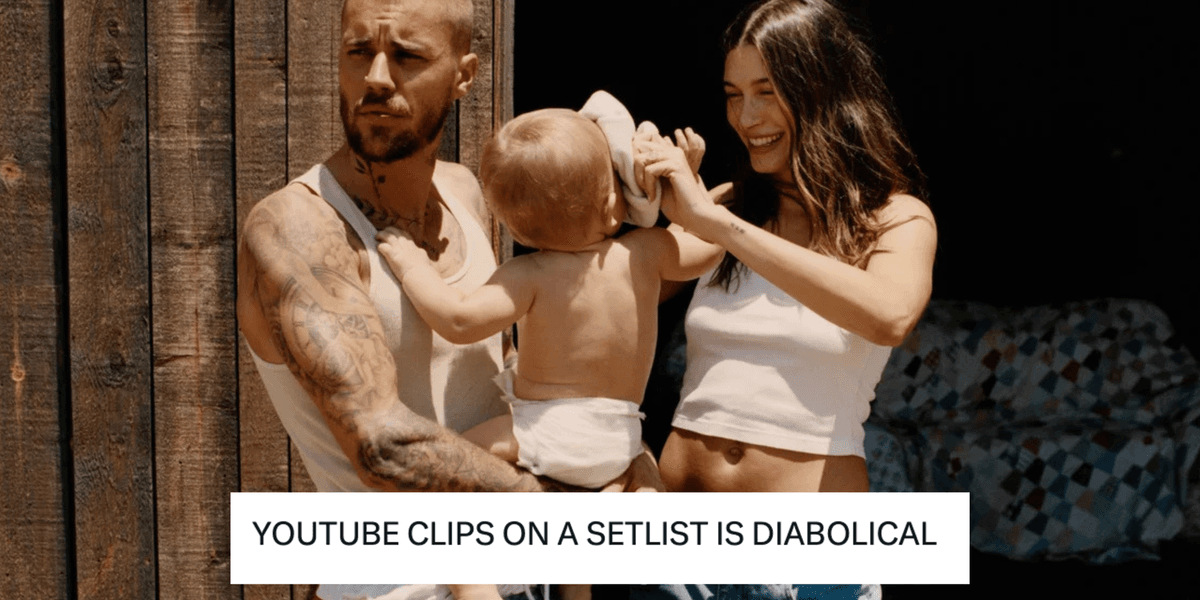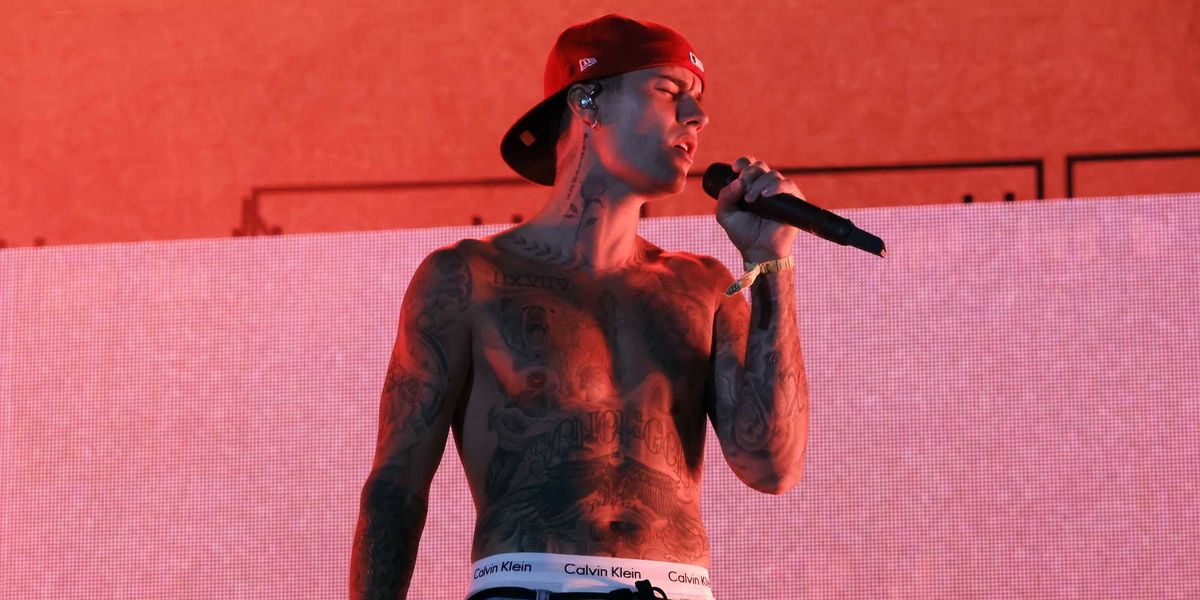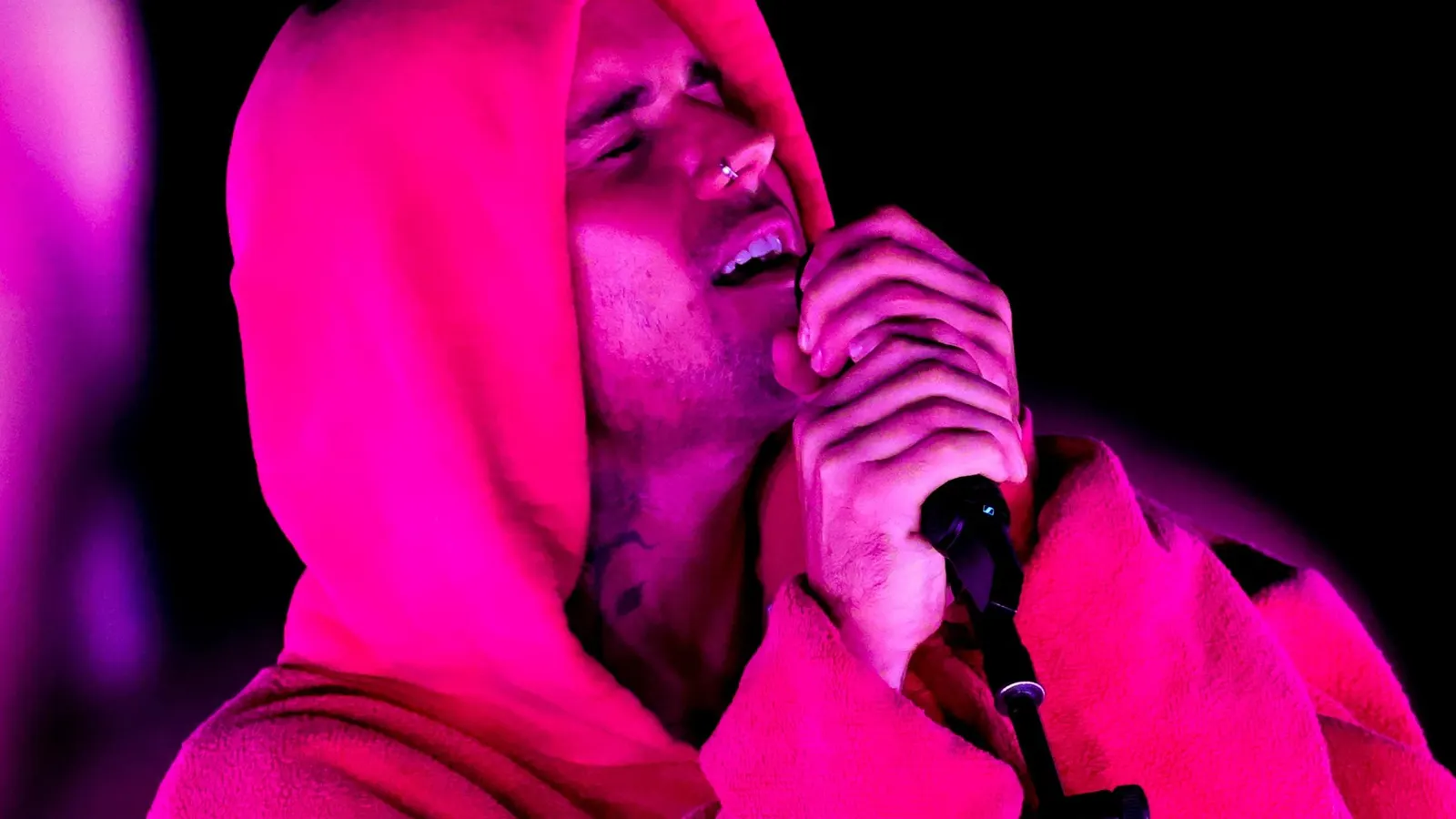
Justin Bieber performs at the Coachella Stage during the 2026 Coachella Valley Music and Arts Festival at Empire Polo Club on April 11, 2026 in Indio, California.Getty Images for CoachellaWhen Justin Bieber took the stage at Coachella on Saturday night, the performance quickly became the most contested headline set in recent festival history, drawing intense scrutiny that extended far beyond questions of vocals or production design and into a broader conversation about how live performance is interpreted within a media environment shaped by constant circulation, commentary and reinterpretation.Bieber reportedly earned close to $10 million for the appearance, placing the set among the highest-paid in Coachella history, yet the creative execution leaned heavily into minimalism, with the defining segment centered on a prolonged onstage “YouTube time capsule” in which he played viral clips, early career footage and fragments of older songs from a laptop, creating a deliberately fragmented and referential structure that resembled an internet browsing session more than a conventional festival headlining arc. Coverage from outlets like Entertainment Weekly and Business Insider emphasized this structural choice as the defining characteristic of the show, while The Guardian noted the strength of his vocal delivery even within the restrained staging.ForbesHow Creators Outworked Celebrities At Coachella 2026By Taylor ReillyThis decision became the focal point of both media analysis and celebrity reaction, with much of the discourse clustering around the meaning and intent behind the laptop segment rather than technical performance metrics, reinforcing that the central debate was rooted in interpretation rather than execution.Celebrity Reactions Became A Second PerformanceThe most immediate and widely distributed interpretations of the performance came from other high-profile figures, whose responses functioned as a real-time framing mechanism that helped shape how the set was understood across social platforms.MORE FOR YOUAmong the clearest expressions of artistic validation, Lizzo wrote, “I watched a popstar who grew up in front of the world fully transcend into his artistry last night,” positioning the performance within a longer narrative of evolution and creative maturity and reinforcing the idea that some of Bieber’s peers saw the set primarily through the lens of artistic development rather than spectacle alone.Labrinth reinforced that interpretation with a more emphatic endorsement, writing, “JUSTIN… I SEE WHAT YOUR [sic] DOING AND I LOVE IT … BE TRUE! F–K WHAT ANYONE ELSE THINKS,” language that carried a stronger sense of solidarity and defiance than the earlier version suggested and placed the emphasis on authenticity, intention and creative independence.A second layer of reactions leaned into humor and ambiguity, with Zara Larsson describing the experience as “It’s giving let’s smoke and watch YouTube,” a line that captured the pacing and tone of the performance while remaining playful, particularly when paired with her follow-up comment placing Bieber in her “dream blunt rotation,” which added an element of affection to the critique.Katy Perry delivered one of the most widely circulated reactions, joking “Thank God he has premium. I don’t wanna see no ads,” distilling the central visual concept into a meme-ready format that spread rapidly across platforms.Supportive “signal” behavior also played a significant role in shaping perception, with Hailey Bieber posting “Made this for the ones who have a good sense of humor” alongside visible crowd reactions, while Kylie Jenner framed the moment pre-show with “It’s giving Bieberchella,” contributing to a broader layer of endorsement that operated through tone and amplification rather than detailed critique.Additional peer participation included The Strokes joking about opening for Bieber and Addison Rae rallying the crowd with “Here for JB?!,” reinforcing the performance’s cultural weight through alignment and presence.ForbesHow Coachella Became The Ultimate Content Goldmine For CreatorsBy Ian ShepherdWhy Justin Bieber’s Coachella Set Sparked A Debate About Performance ItselfWhile a portion of celebrity commentary engaged with the performance in supportive terms, the sharpest criticism emerged through a different channel, gaining momentum through viral social posts and aggregation-driven coverage that favored more definitive and often reductive interpretations of the set’s minimalism.The harshest criticism circulated through viral posts and tabloid-style coverage, where some outlets characterized the set as among the weakest in Coachella history, a framing that quickly spread across platforms and became one of the dominant narratives shaping audience perception in the immediate aftermath of the performance.Within the celebrity ecosystem, Julia Fox participated in this broader discourse by amplifying a viral critique that questioned how the performance would be received if executed by a female artist, extending the conversation beyond questions of staging or effort and into issues of perception, expectation and gendered standards within live entertainment.This pattern reflects a familiar dynamic in contemporary media environments, where initial reactions are rapidly distilled into simplified narratives that can travel efficiently across platforms, with nuance often compressed in favor of clarity, speed and shareability, allowing a small number of framing devices to define the broader conversation around a complex cultural moment.ForbesYouTube Owns The Living Room But Brands Are Missing OutBy Ian ShepherdJustin Bieber Chose Content Over Concert StructureThe reaction cycle surrounding Bieber’s set reflects a media environment in which live performances are experienced as ongoing streams of content rather than isolated events, with audiences engaging through clips, commentary, and reinterpretations that extend far beyond the original broadcast window.Within this framework, elements such as narrative structure, replay value and the ability to generate distinct, shareable moments carry increasing weight, creating conditions in which performances are evaluated not only for their immediate impact but for how effectively they translate into distributed media across platforms.Bieber’s use of a laptop to navigate through his own digital archive introduces a form of self-referential storytelling that aligns closely with the logic of internet culture, where identity is constructed through layers of past content, callbacks and recursive engagement, allowing the performance to function as a live manifestation of the same dynamics that shaped his early career on YouTube.ForbesWhy The Creator Economy’s Next Phase Is About EquityBy Ian ShepherdWhat Bieber’s Coachella Set Says About Media TodayJustin Bieber’s Coachella performance provides a clear example of how large-scale live events are being recontextualized within a media environment defined by continuous engagement, layered interpretation and rapid narrative formation, with meaning emerging through the accumulation of reactions rather than being fixed at the moment of delivery.The combination of high financial stakes, minimal visual framing and deeply referential creative choices created a performance that operated simultaneously as a concert, a commentary on internet culture and a catalyst for broader discussion, illustrating how the boundaries between these categories continue to blur as artists engage with audiences across both physical and digital spaces.
Justin Bieber’s $10 Million Coachella Set Explained
Justin Bieber’s $10 million Coachella set split audiences, with a stripped-down, YouTube-style performance sparking debate over what live music should be now.
1,073 words~5 min read