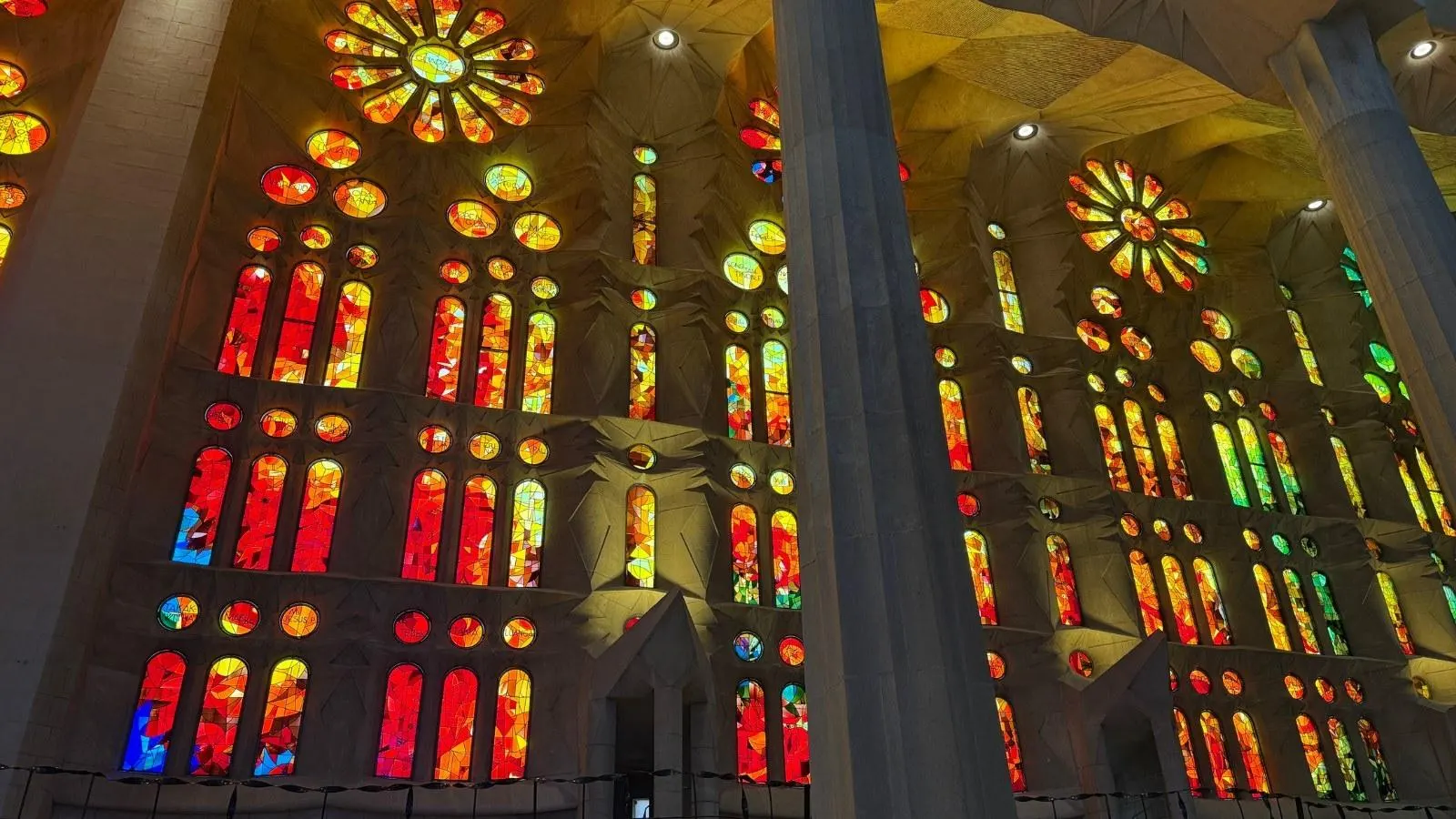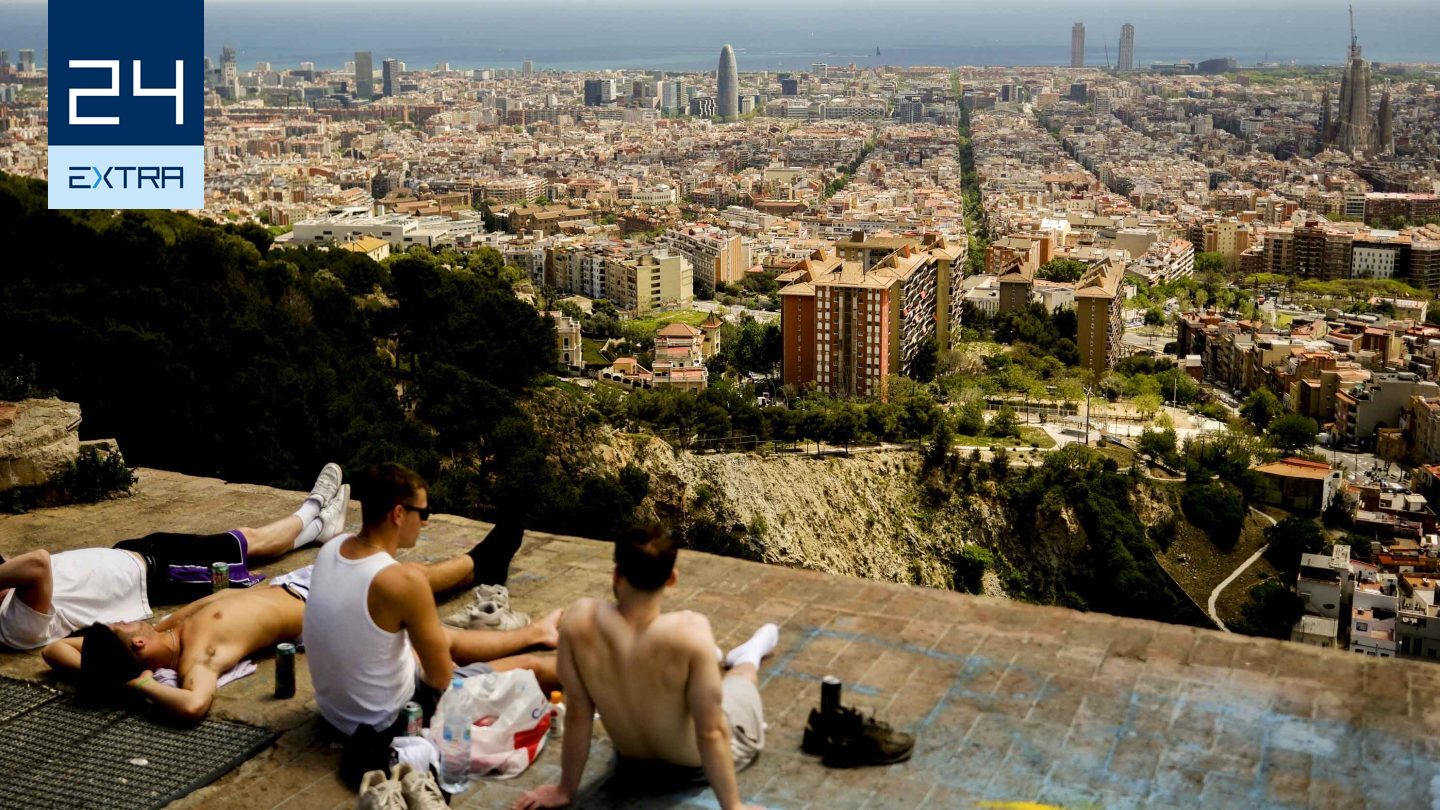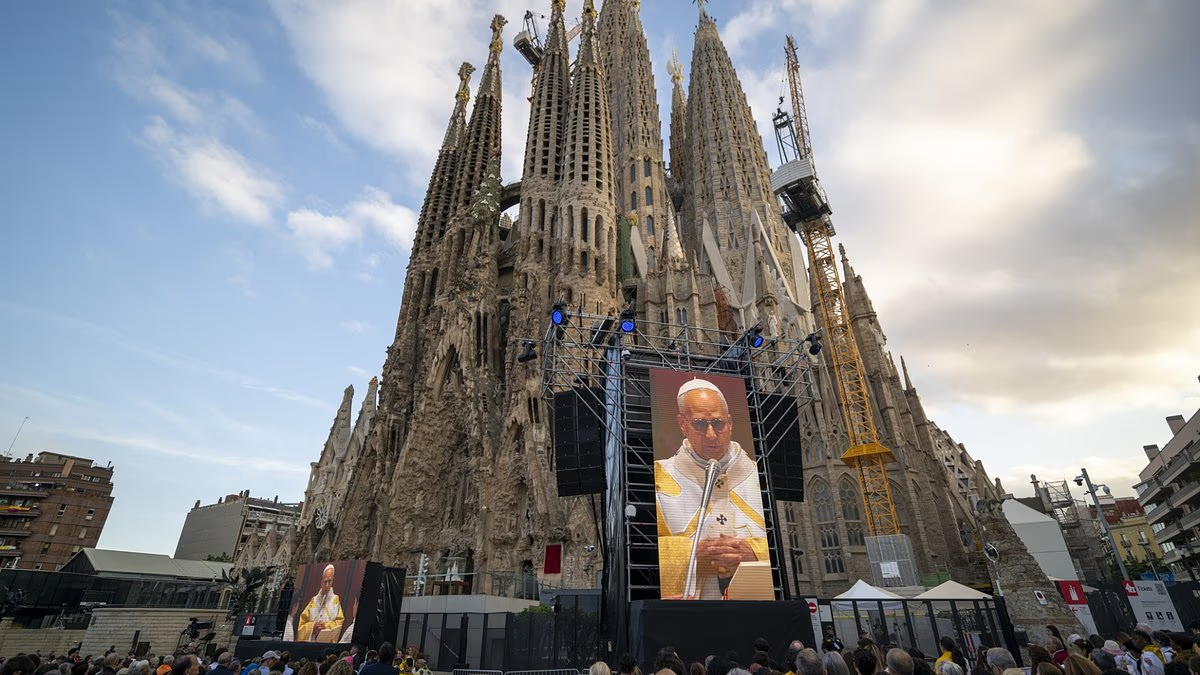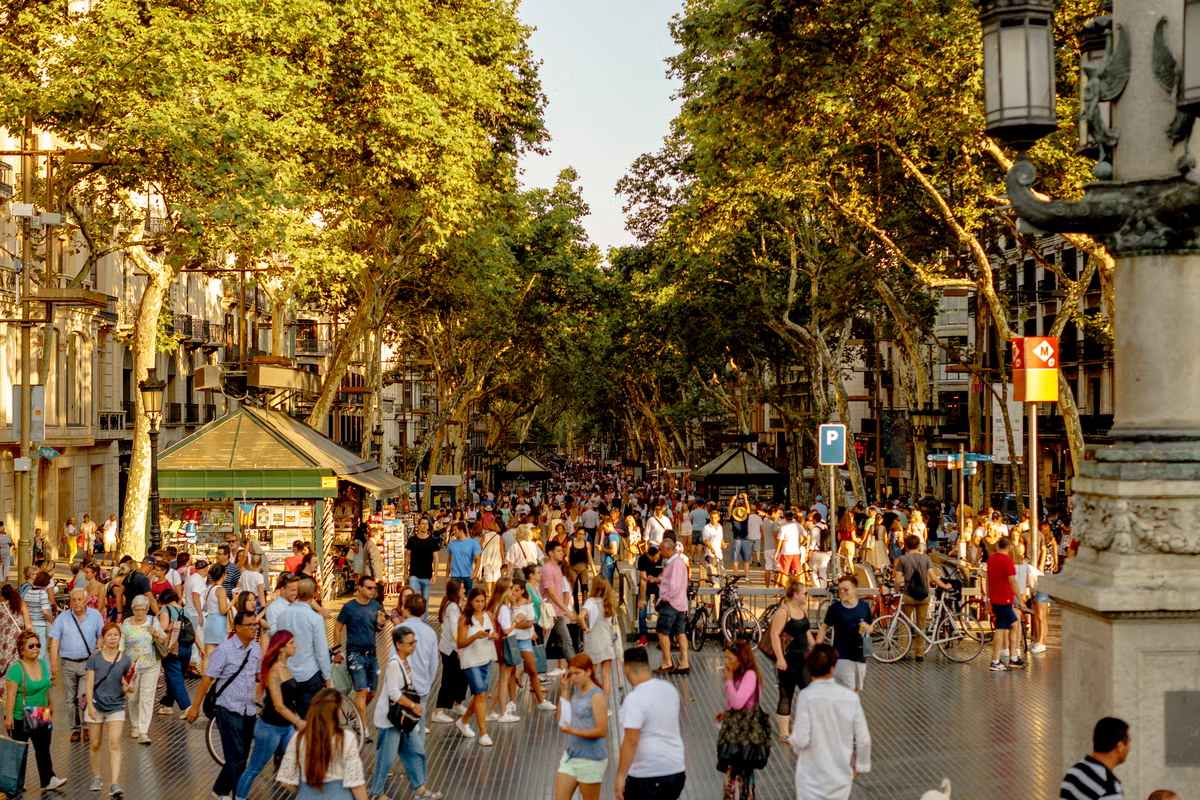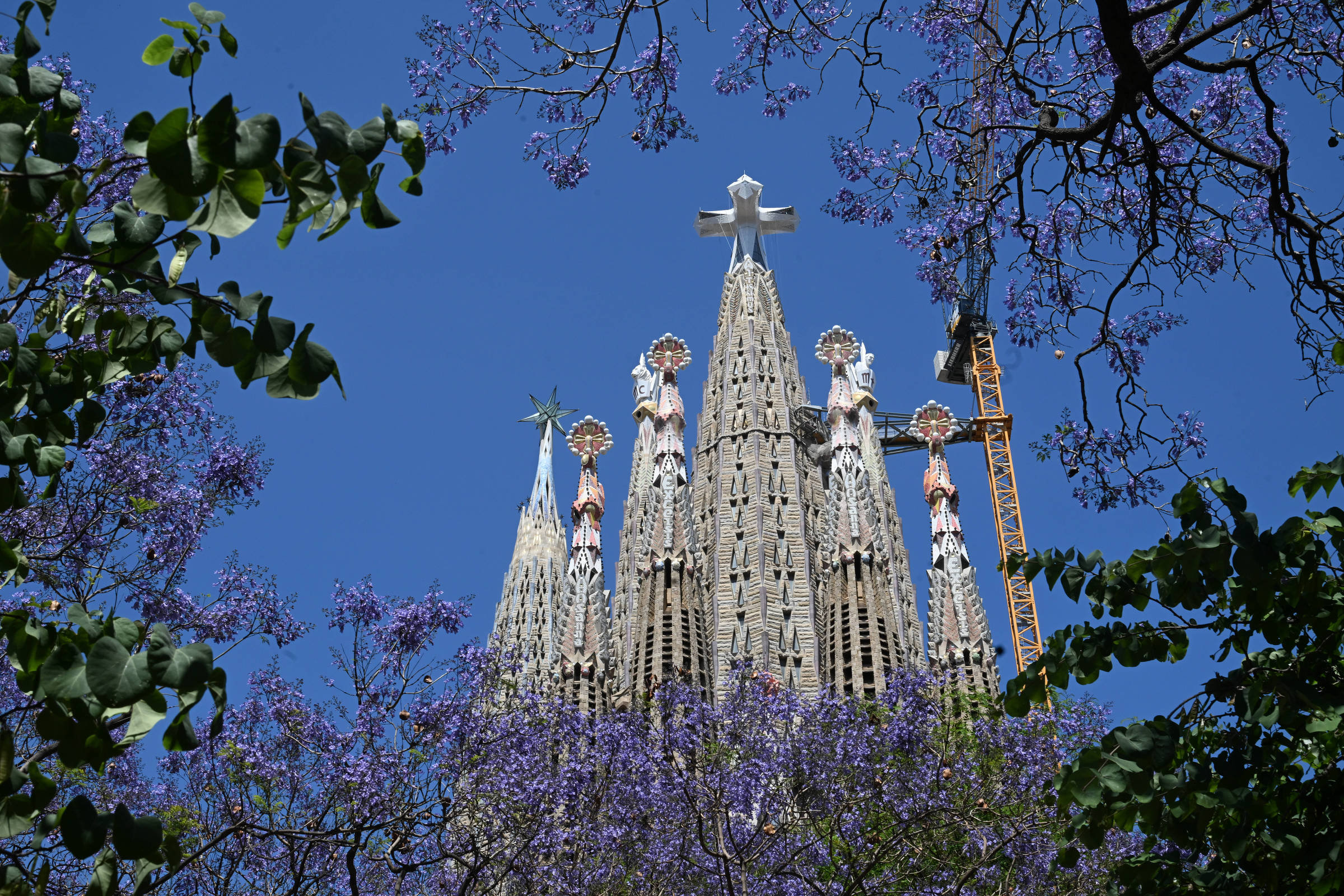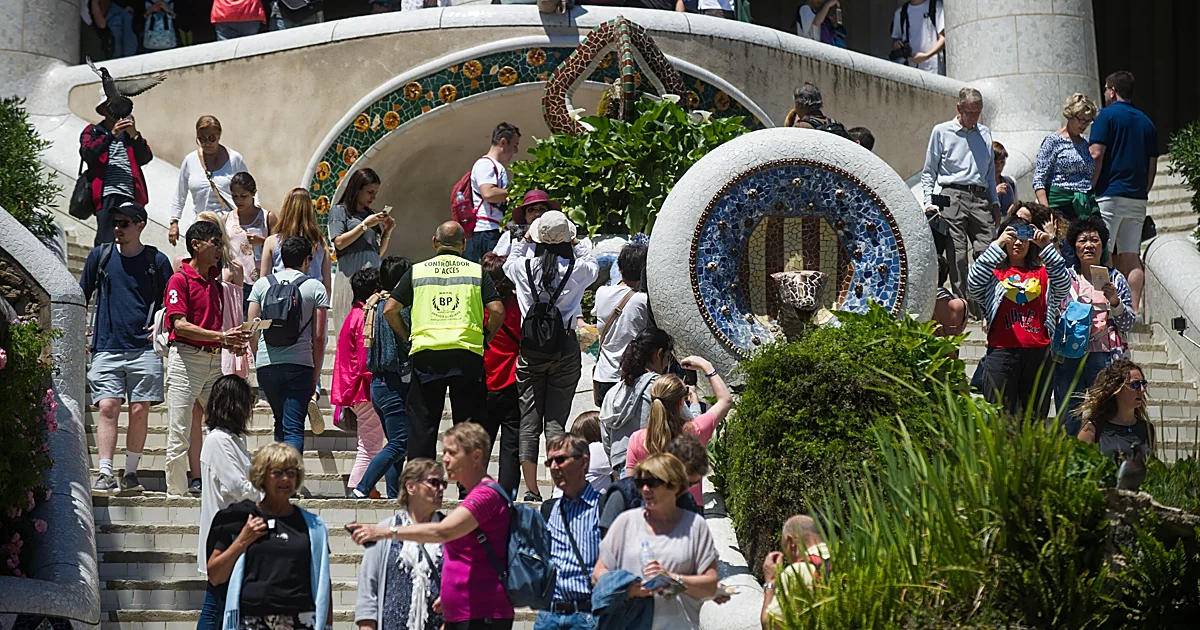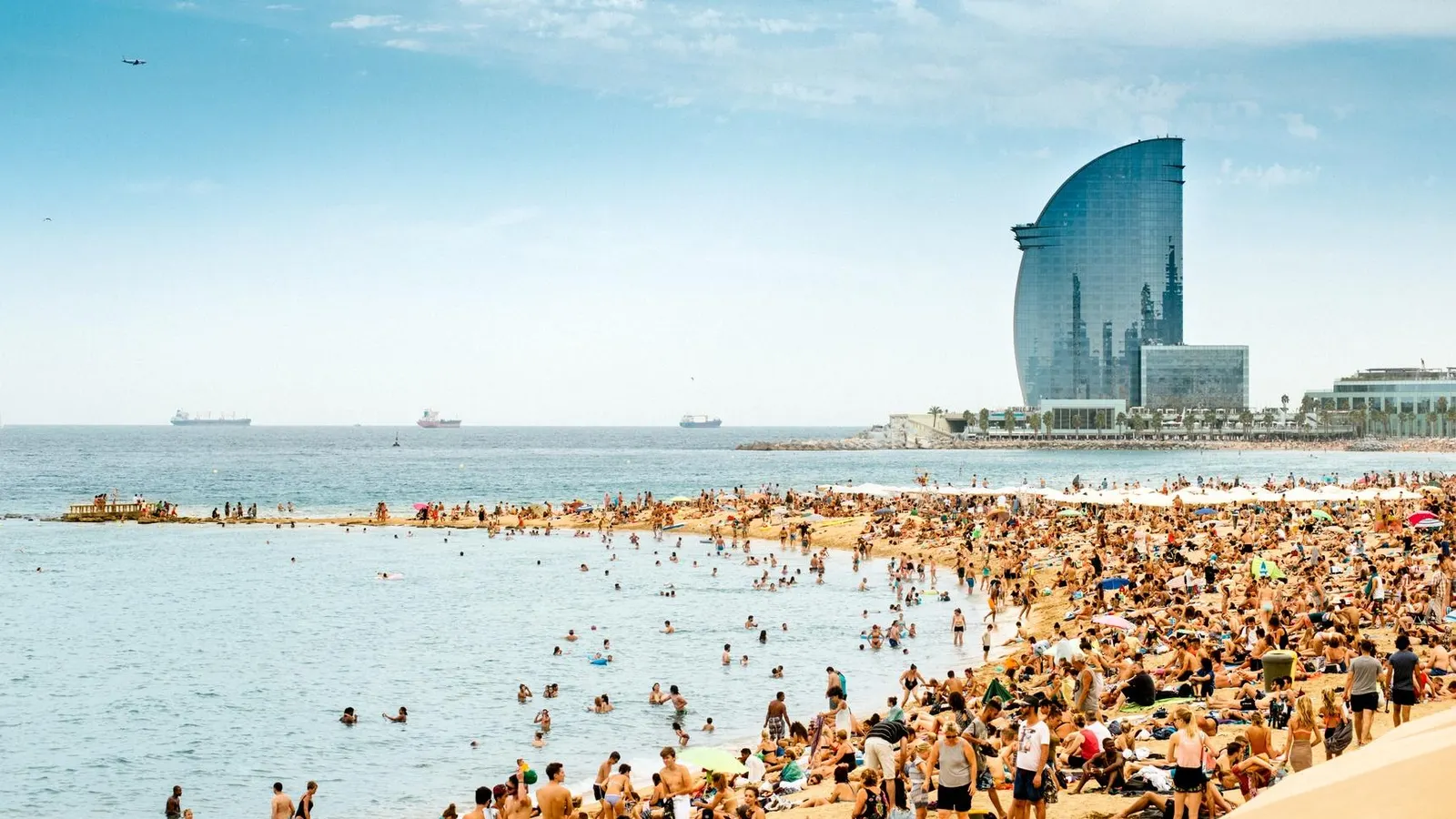
When the sun shines, Barceloneta beach in Barcelona can get crowded quickly.gettyBarcelona has long been one of Europe’s most visited cities, but 2026 is shaping up to be something different. At the heart of it is the Sagrada Familia, Antoni Gaudi’s unfinished masterpiece and Spain’s most visited attraction.The basilica welcomed close to five million visitors in 2025, and demand has only increased as the city approaches the centenary of Gaudi’s death in 2026. Major construction milestones are drawing even more global attention.Barcelona’s Attractions Are Reaching CapacityCity officials are increasingly concerned about overcrowding. Local authorities have discussed limiting access to major monuments, while new infrastructure is being planned around the Sagrada Familia to manage crowds more effectively.In short, the city is no longer simply absorbing visitors, it is actively trying to control them. The result is already visible on the ground.In early April, tickets for the Sagrada Familia were completely sold out bar a handful of specific time slots until May.The same pattern, albeit not quite so drastic, repeats at Park Guell, where timed entry and capped visitor numbers have long been in place, and even at the FC Barcelona museum and tour, which is in high demand following redevelopment work at the Camp Nou stadium.Even the vantage points of Barcelona's Sagrada Familia for those without tickets get crowded.David NikelThis is no longer peak-season behavior. It is becoming the norm.The Must Do In Barcelona: Book EarlyIf you take only one piece of advice to Barcelona in 2026, it should be this: Book key Barcelona attractions well in advance.For the Sagrada Familia, that now means booking several weeks ahead, and longer for peak travel periods such as Easter, summer and major holidays.The same applies to Park Guell and other high-demand experiences. Even guided tours, which often have access to separate ticket allocations, can sell out days in advance.Turning up and hoping for availability on the day is no longer a viable strategy.Failing to book ahead doesn’t just mean missing out entirely, although that is increasingly common. It also limits your options.You may find only early morning or late evening time slots remaining. Prices for last-minute guided tours can be significantly higher. And in some cases, the only availability will be through third-party resellers at a significant premium.In a city where many visitors stay just two or three days, losing access to one or two headline attractions can fundamentally change the trip.Barcelona’s tourism pressures are not new, but several factors are converging.Post-pandemic travel demand remains strong, particularly from long-haul markets and record cruise traffic.At the same time, the city has taken steps to manage overtourism, including limiting capacity at certain attractions and tightening regulations on short-term rentals.Meanwhile, Gaudi’s legacy is drawing renewed global attention in 2026, adding a cultural milestone to an already busy destination.Together, these forces are reshaping how visitors experience the city. Spontaneity is giving way to planning.What To Do If Everything Is Sold OutThe good news is that Barcelona still rewards those willing to look beyond the headline attractions.'La Boqueria' food market in Barcelona is often crowded but a worthwhile addition to your itinerary.David NikelGet Lost In The Gothic QuarterThe Gothic Quarter remains one of the most rewarding places to explore without a plan. Medieval alleyways, hidden courtyards, and layers of Roman history reveal themselves simply by walking.Barcelona Cathedral is often accessible without the same level of advance booking required elsewhere.Cross the famous street La Rambla to explore the bustling food market La Boqueria and continue on to the streets of El Raval for a different take on historic Barcelona.Wander ‘El Born’The historic district of El Born offers a slower, more atmospheric side of the city. Narrow streets open onto lively squares, while independent boutiques and cafés provide a break from the crowds.The nearby Basilica of Santa Maria del Mar is often far quieter than Barcelona’s major landmarks.Smaller museums including Moco modern art museum and the chocolate museum are worth investigating too, as is the El Born cultural center, offering a historical view on Barcelona.Head To The WaterfrontFrom Port Vell to Barceloneta beach, the waterfront offers open space, sea air, and a completely different pace. It’s an easy way to reset after navigating the city’s busiest sights.Seek Out Lesser-Known Gaudi WorksWhile the landmarks dominate attention, other Gaudi sites are often easier to access. Buildings such as Casa Vicens or Palau Guell provide insight into his work without the same level of competition for tickets.If you don’t have a ticket for the Sagrada Familia, it may still be worth taking a trip there to admire the towering artwork from the exterior.Allow approximately 40 minutes to walk all the way around including through the park to get some interesting photo opportunities.A New Reality For European City BreaksBarcelona is not alone. Across Europe, high-demand destinations are moving toward timed entries and capped capacities.The days of turning up and seeing what’s available are fading, at least in the most popular cities. In Barcelona right now, the message is clear: Plan ahead or be prepared to miss out.MORE FROM FORBESForbesHow To Spend 24 Hours In Barcelona Before A CruiseBy David NikelForbesMust-See Ports On A Mediterranean Cruise, And Those To SkipBy David NikelForbesWhat Europe’s Busiest Cities Are Doing To Combat Overtourism In 2024By David Nikel
Barcelona Attractions Sell Out Fast. You Must Book Tickets In Advance
Barcelona is busier than ever, with attractions like Sagrada Familia and Park Guell selling out weeks ahead. Here’s how to plan ahead and still enjoy the city.
869 words~4 min read