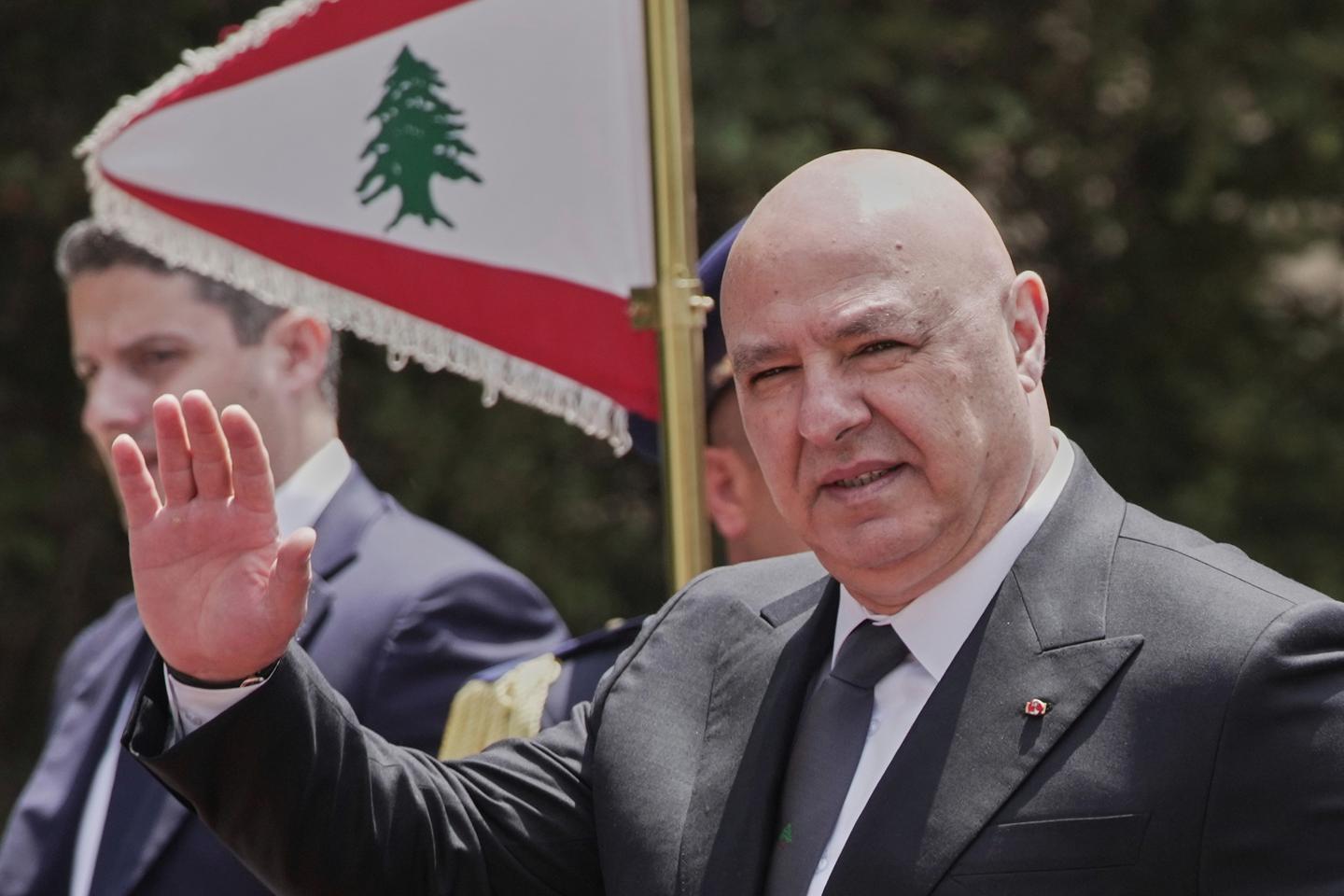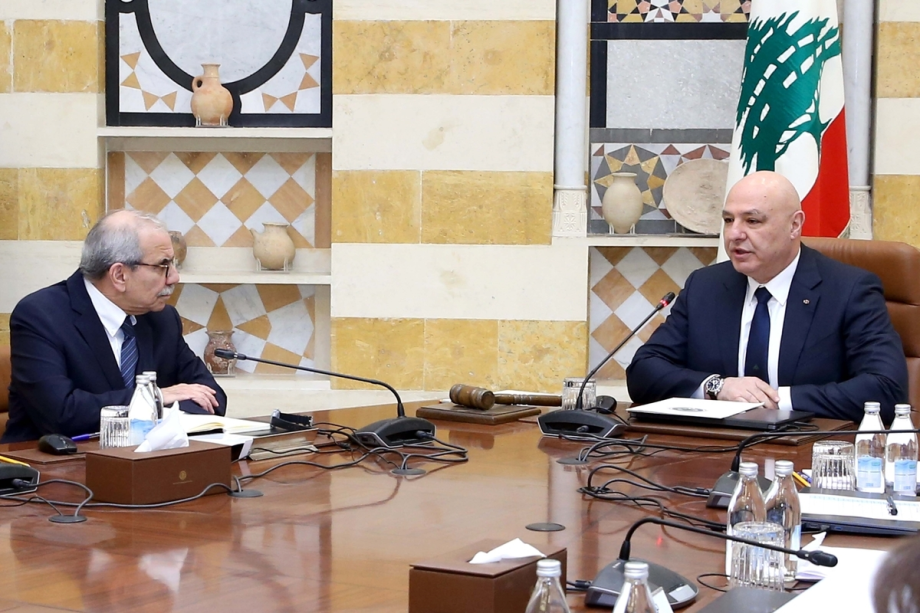
With Lebanon, again, engulfed by war, I remember a meeting I had with President Joseph Aoun at the Baabda Palace, a modernist building at the top of a hill overlooking Beirut last August.
Aoun, a former army chief, took office after a devastating war between Israel and Hezbollah, a Lebanese militia and political party that is backed by Iran. At that point, Hezbollah had been weakened and was isolated at home and Aoun had vowed to disarm it. The seemingly intractable issue over Hezbollah's weapons has long divided Lebanon, but Aoun appeared to believe he could solve it. "I was born an optimist," he told me.
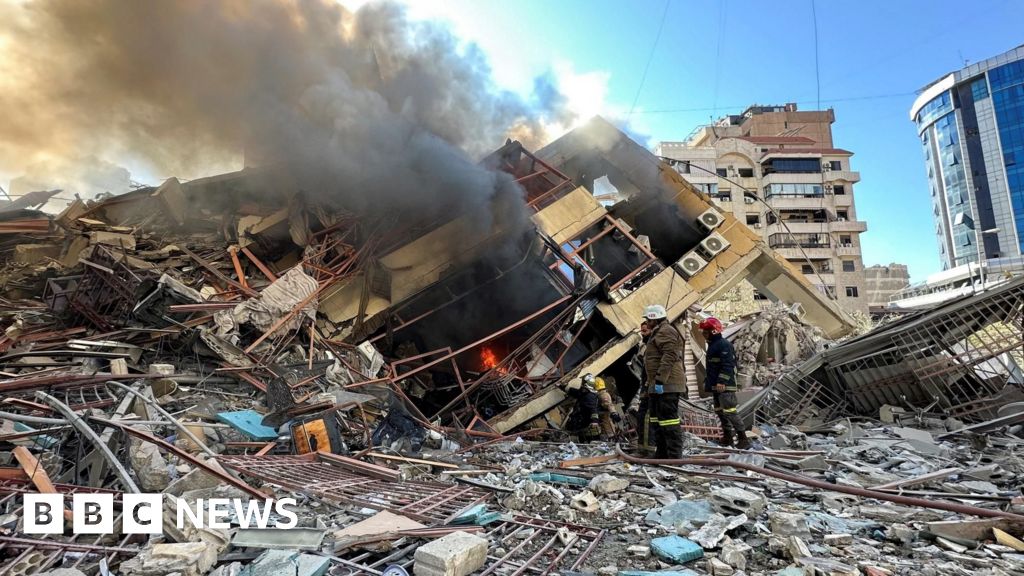
At the time we met, a fragile ceasefire was in place in Lebanon. This deal had ended the war between Israel and Hezbollah in November 2024, but Israel was carrying out near-daily attacks on what it described as people and targets linked to the group. In some parts of the country, the conflict had never stopped. Even from my home in east Beirut I could occasionally hear the buzz of Israeli drones circling overhead.
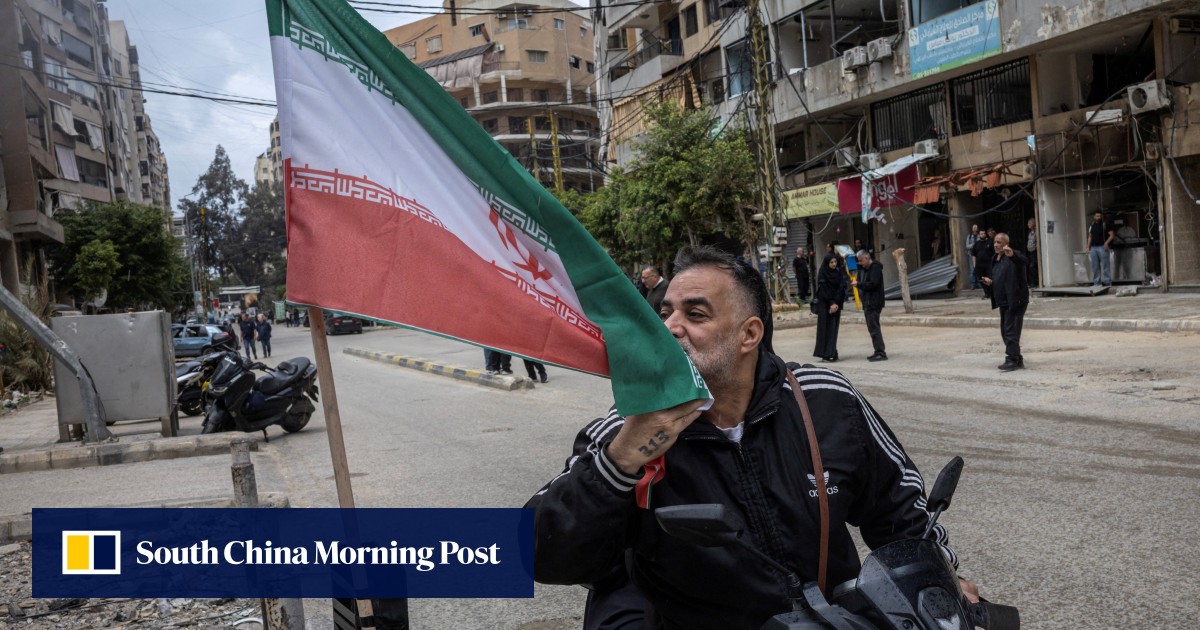
For Hezbollah's supporters, the group is their only protection against Israel, which they see as an enemy intent on capturing Lebanese land. Opponents accuse Hezbollah, which is a Shia Muslim group, of defending the interests of its Iranian patron, dragging the country into unwanted and unnecessary wars.