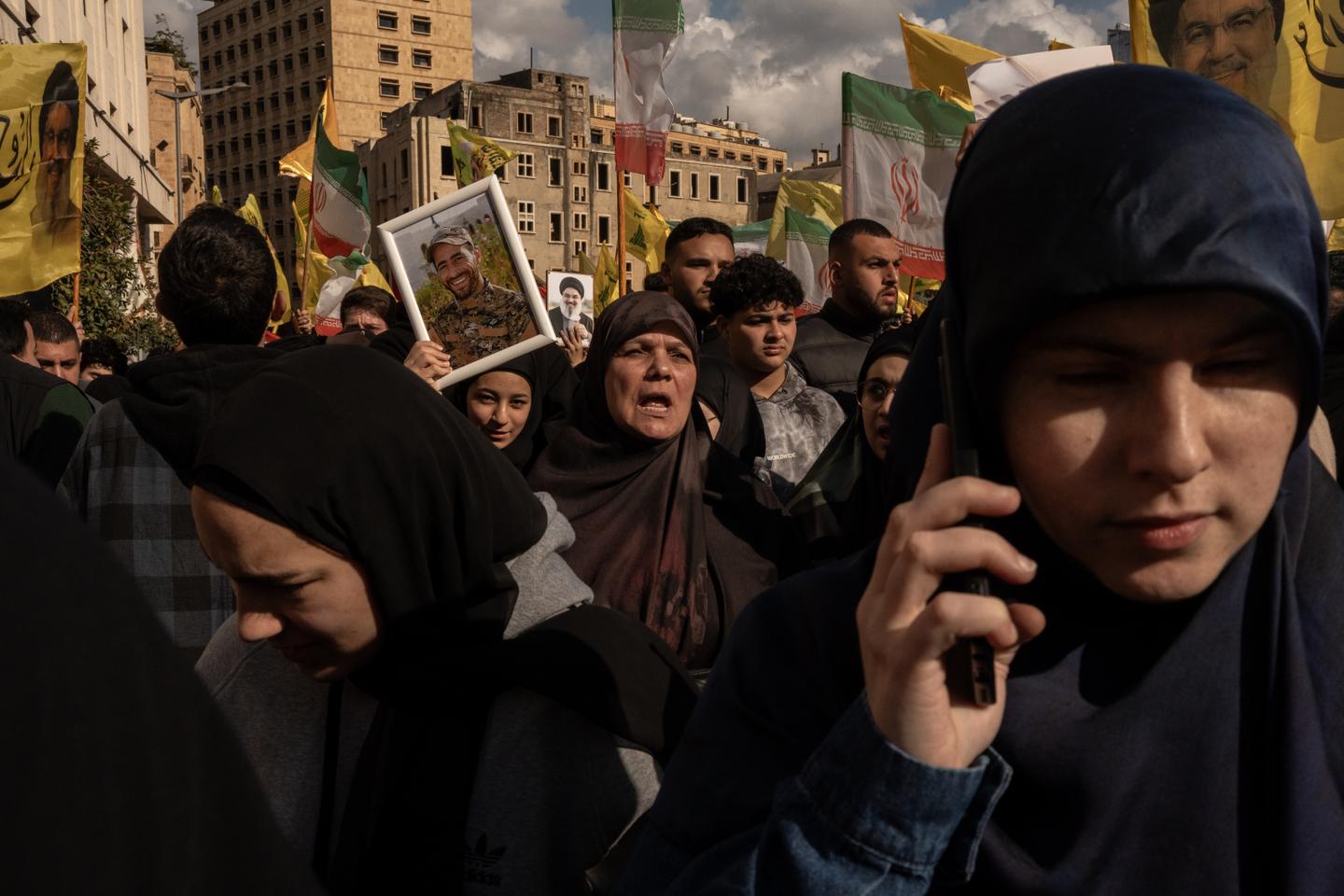
A poster in the colors of the Iranian, Lebanese and Hezbollah flags, featuring figures from the Shiite movement, at a protest against the Lebanese prime minister and direct negotiations with Israel, in Beirut, April 11, 2026. ADRIENNE SURPRENANT/MYOP FOR LE MONDE
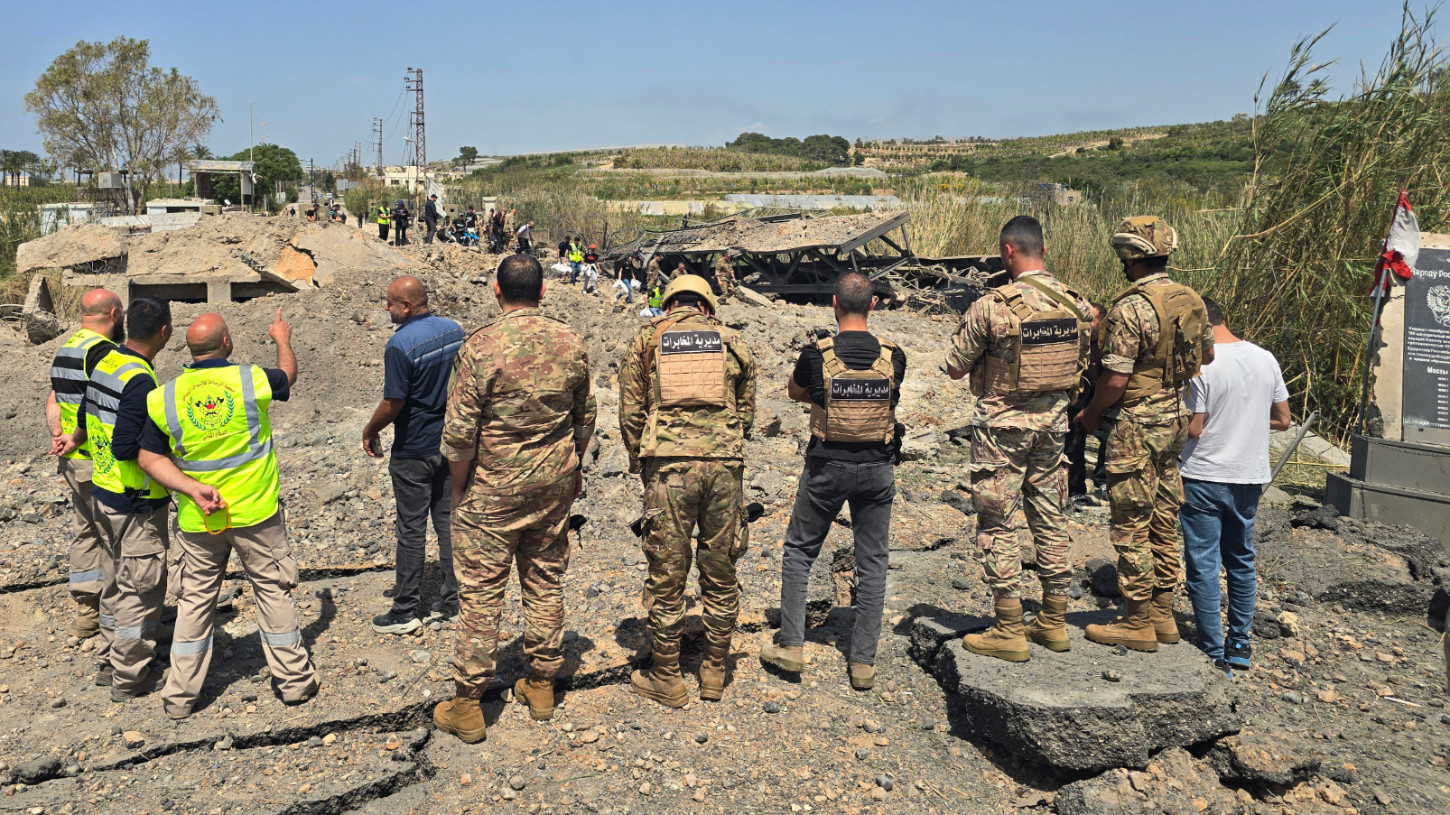
Anger was mixed with sadness during the tribute held Saturday, April 11, in Sidon, southern Lebanon, for the 13 state security agents killed the previous day by an Israeli strike on the Nabatiyeh government complex. "There is the enemy from outside: Israel and America," said Amal Qansou, aunt of Ahmed Qansou, one of the victims. "And there is the enemy from inside, our leaders. They must resign. There are no leaders, there are only mothers who weep rivers of blood."
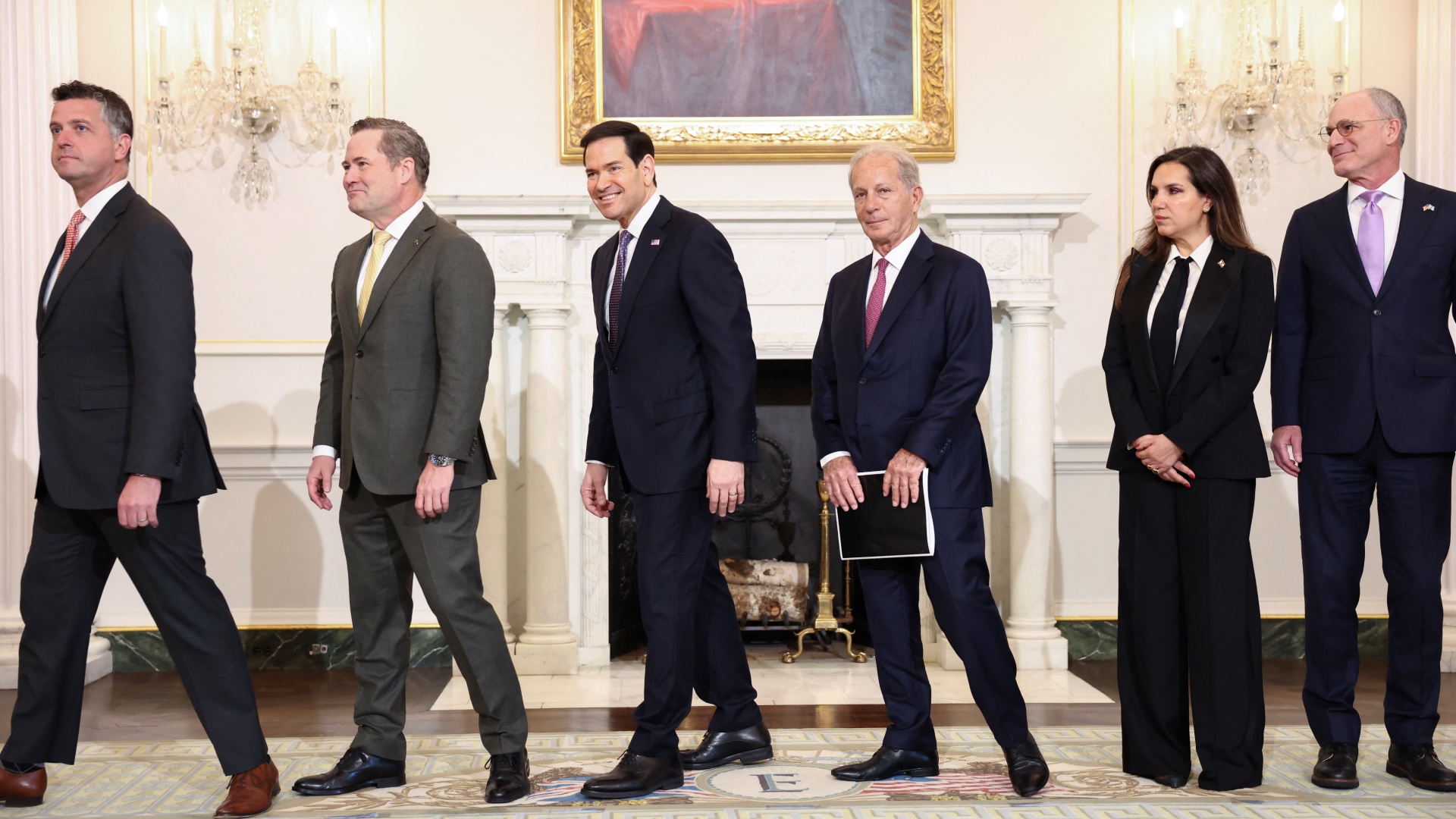
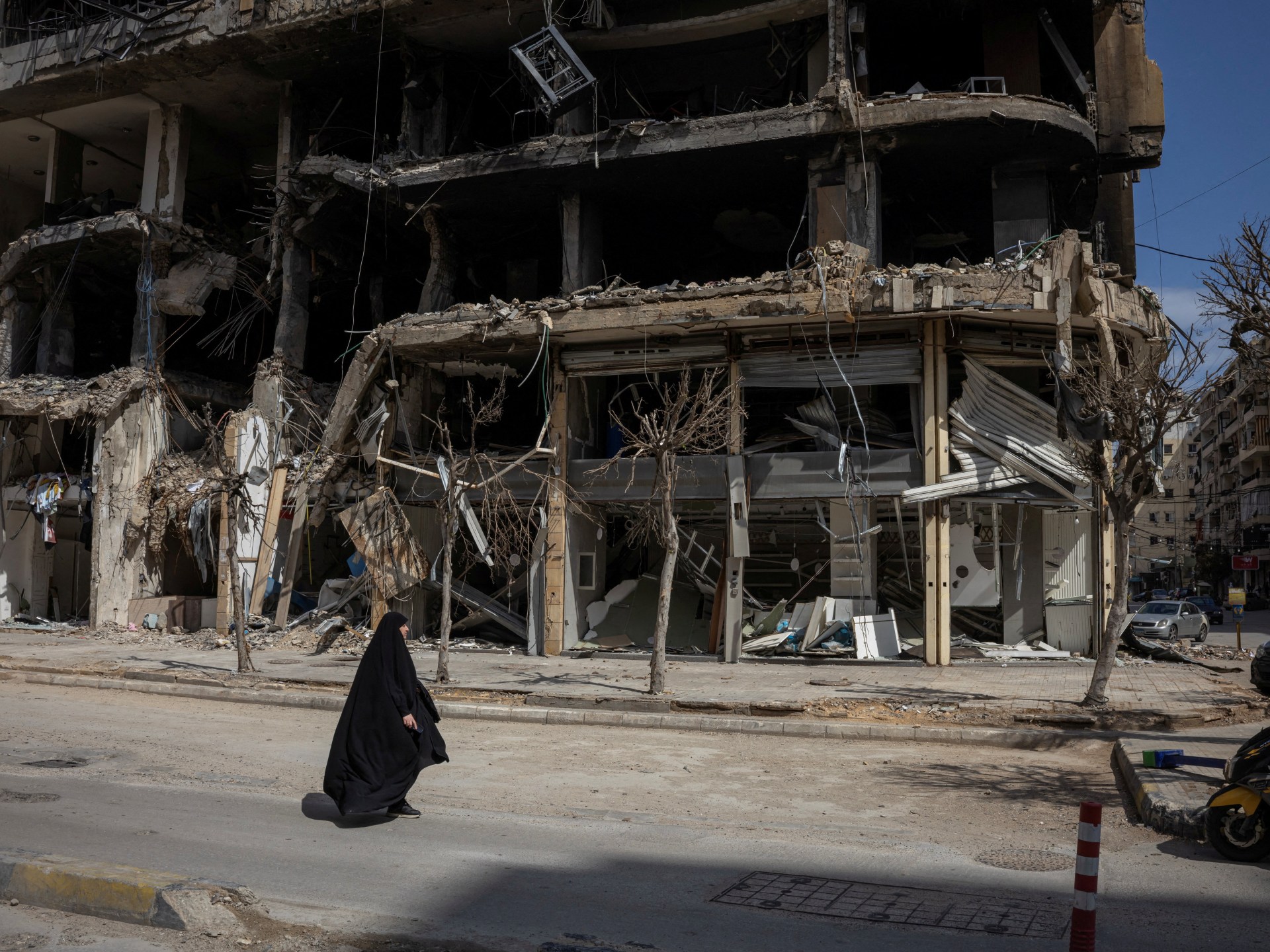
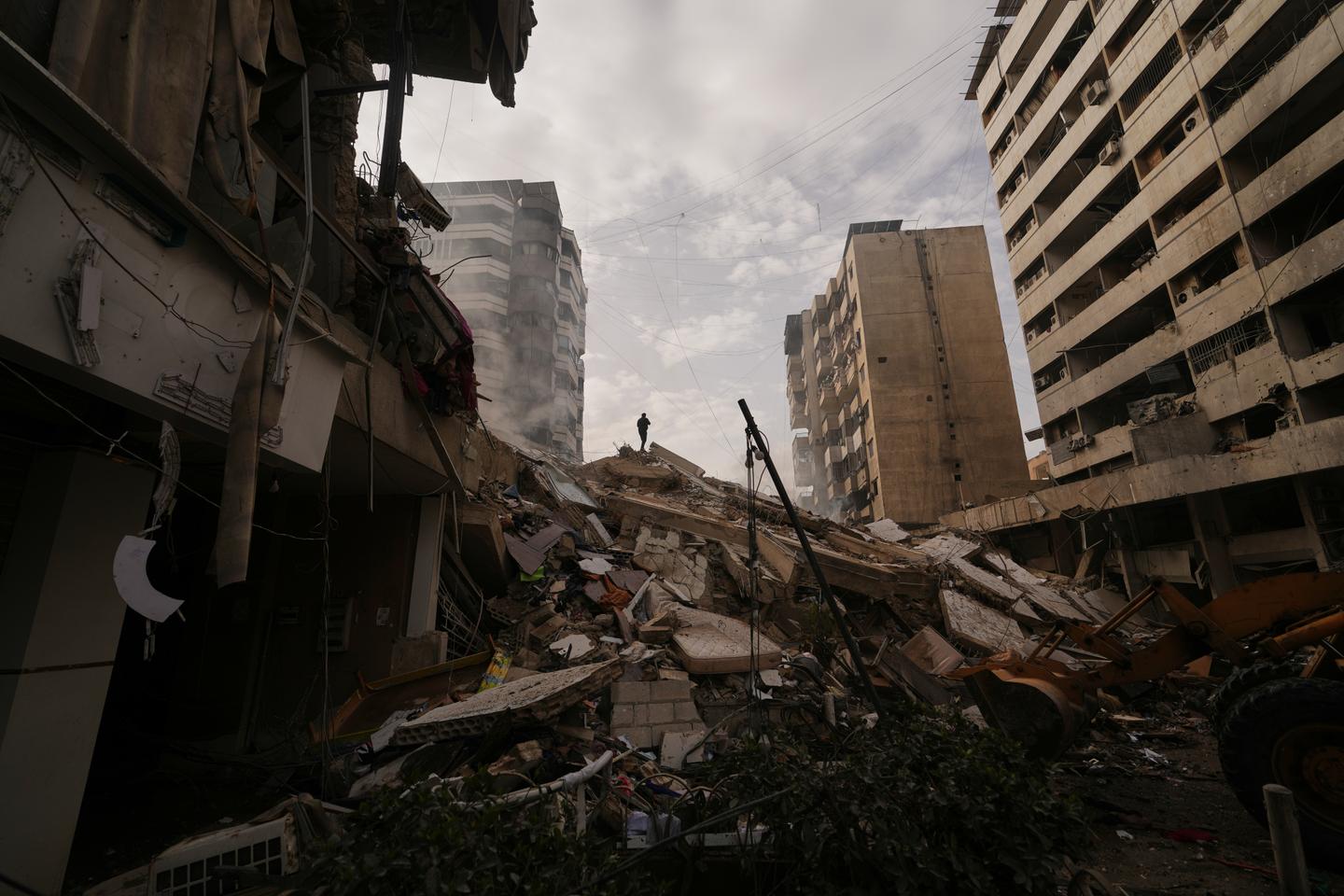
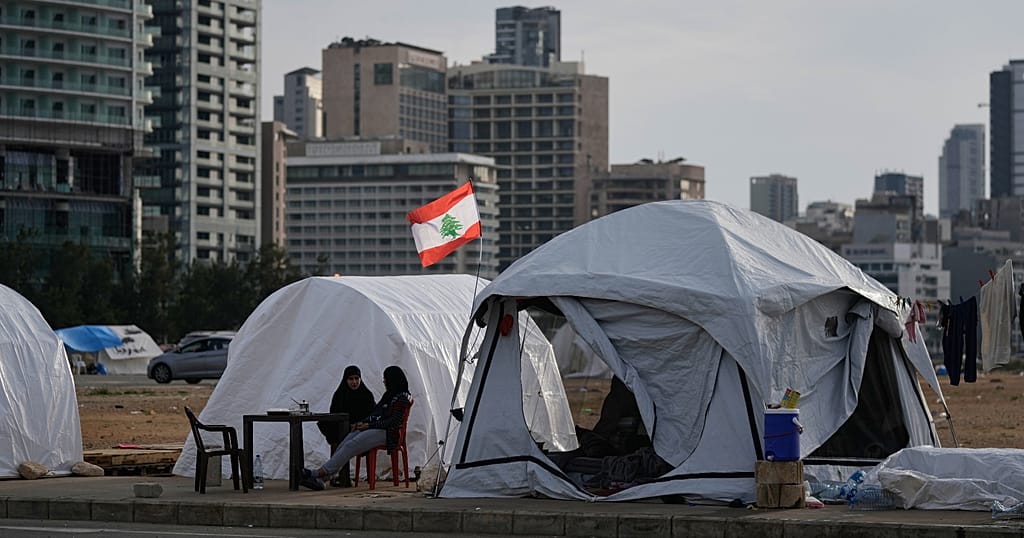
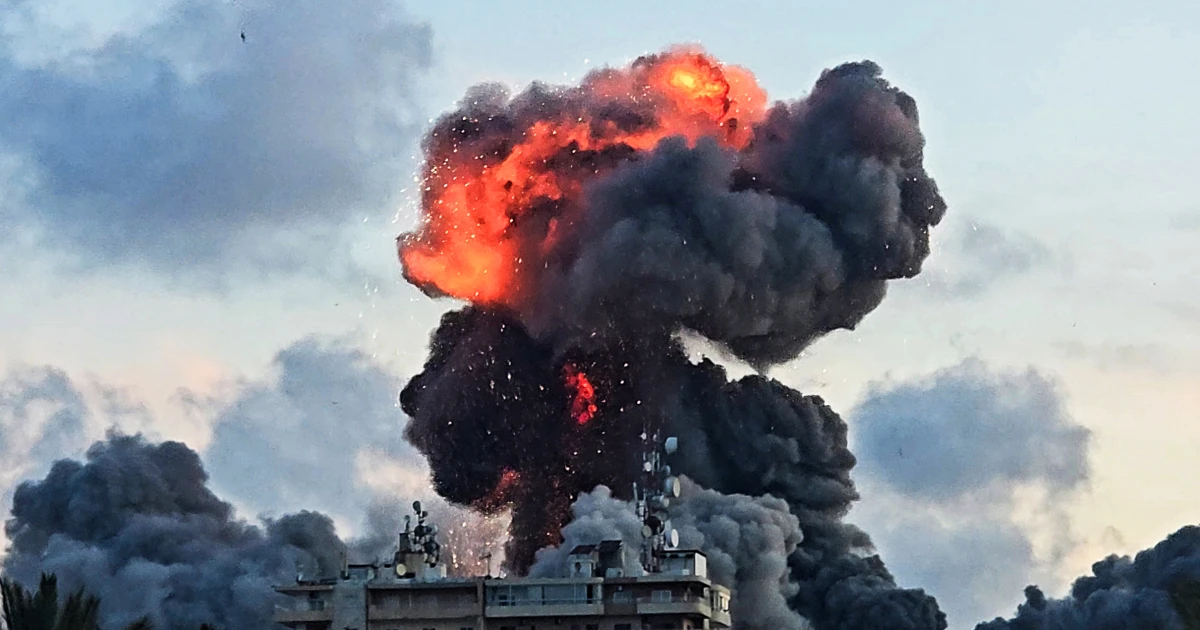
Ongoing Israeli bombing of Lebanon following the announcement of direct talks between Israel and Lebanon put the Lebanese government in an untenable position. On Thursday, April 9, Israeli Prime Minister Benjamin Netanyahu said he was ready to discuss the disarmament of Hezbollah and the establishment of peaceful relations between the two countries. He ruled out the idea of a ceasefire, forcing the Lebanese authorities – determined to end, at any cost, the war between Israel and Hezbollah that has ravaged the country since March 2 – to begin negotiations in Washington on Tuesday, April 13, under the bombs.