Jean-François Touchette worked around the steam machine that heats and concentrates maple water, extracted from the tree, to turn it into syrup, in Saint-Urbain-Premier (Canada), on March 31, 2026. ALEXANDRE LEPOUTRE/LE MONDE
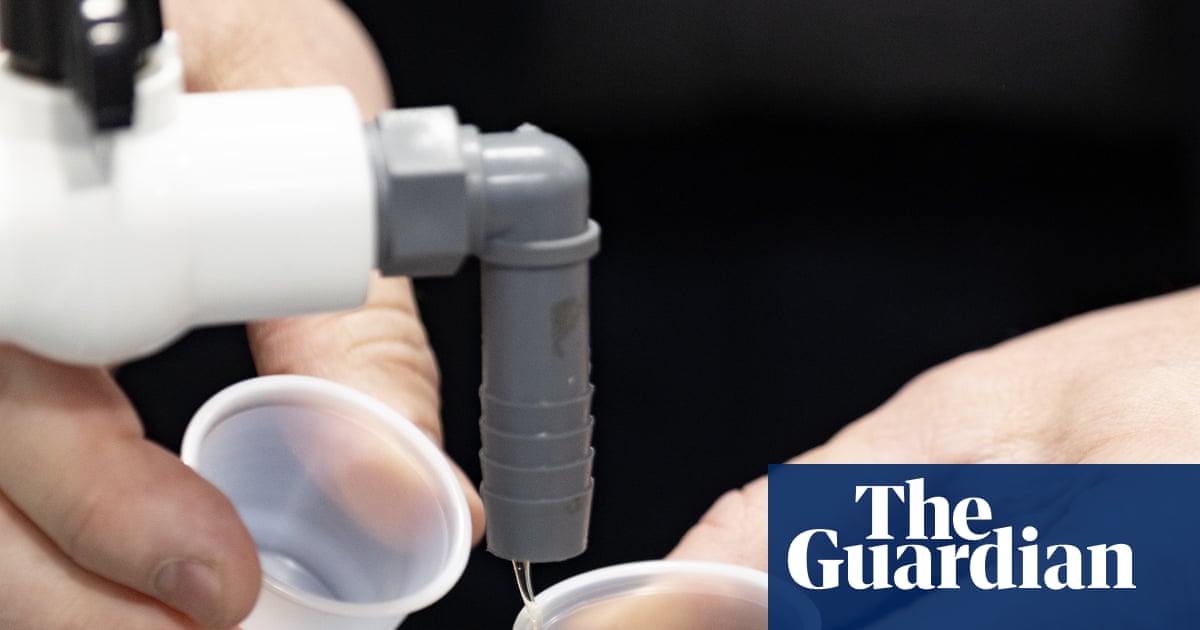
The scent of wood and warm sugar fills the barn. Here in Saint-Urbain-Premier, a farming village about 50 kilometers south of Montreal, Jean-François Touchette produces the "blond gold" he obtains from his maple grove. At the center of the sugar shack, a large steam machine heats and concentrates the maple water, extracted from the trees, to turn it into syrup. Amber liquid flows slowly from a tap.
Like Quebec's 10,000 other maple syrup producers, the 3e Bois sugar bush owner has experienced a difficult start to the year. March was disappointing, and spring has been slow to arrive. "Two more degrees would have made all the difference," he sighed.
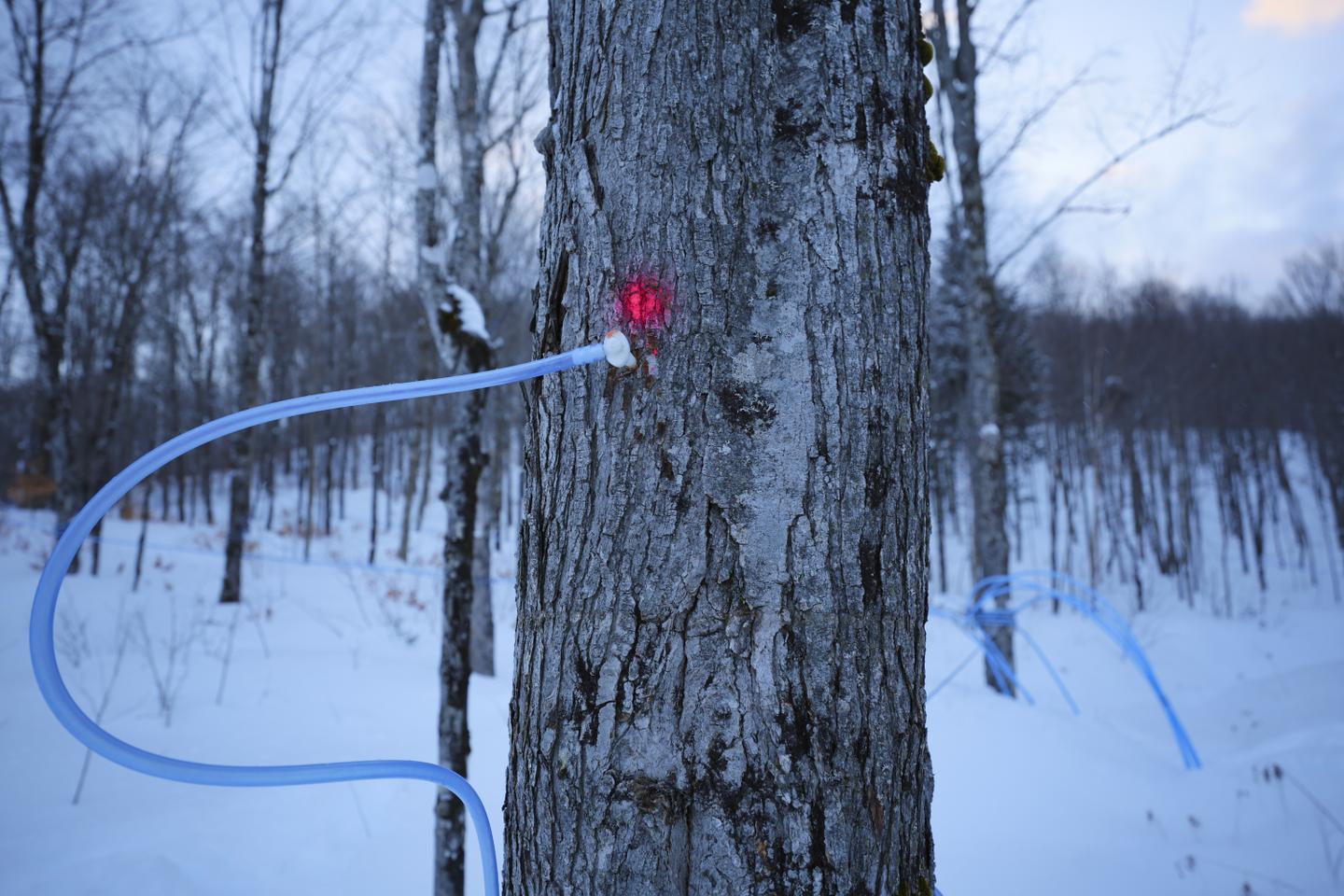
Because of too-low temperatures, maple trees struggled to release their sap. To do so, the trees depend on a specific mechanism: alternating cold nights below 0°C with milder days around 5°C. This natural freeze-thaw cycle has been missing this season.
As a result, Maple syrup production is down across Quebec, by 30 to 50% in some sugar bushes. A rebound is still possible, but the production window is very short, lasting only a few weeks in spring.