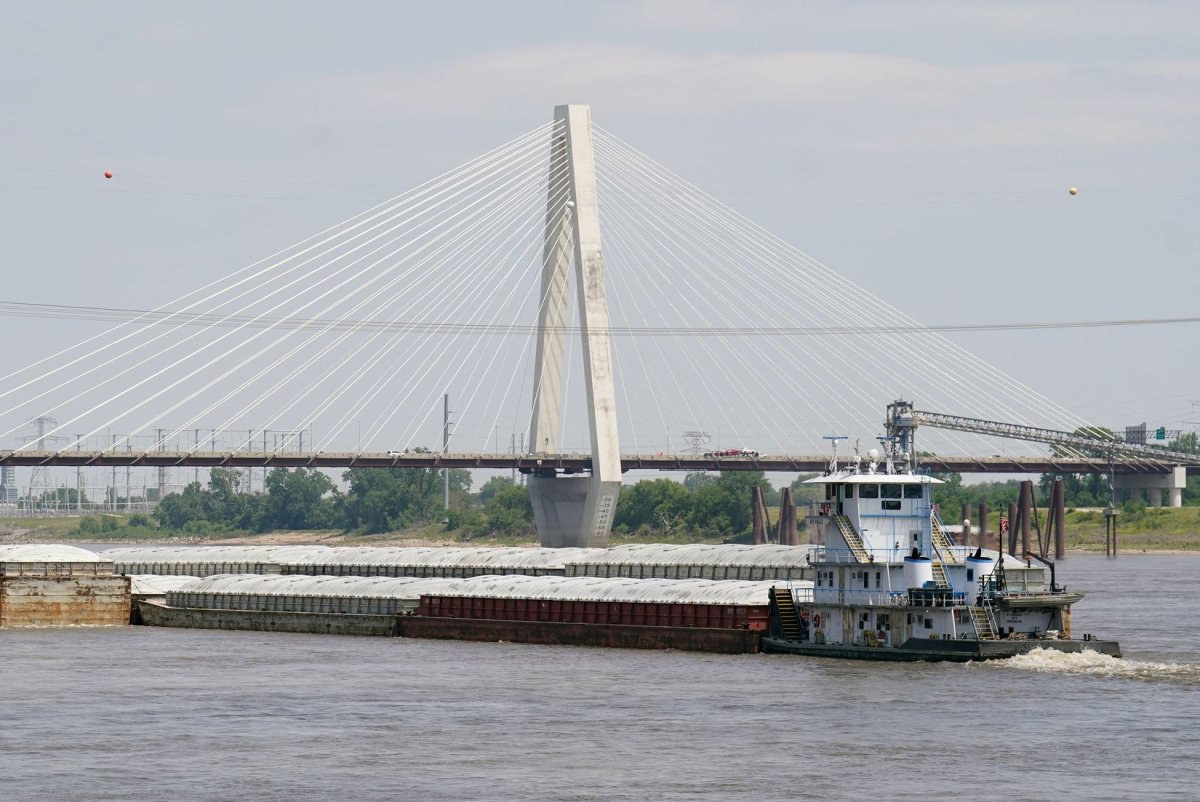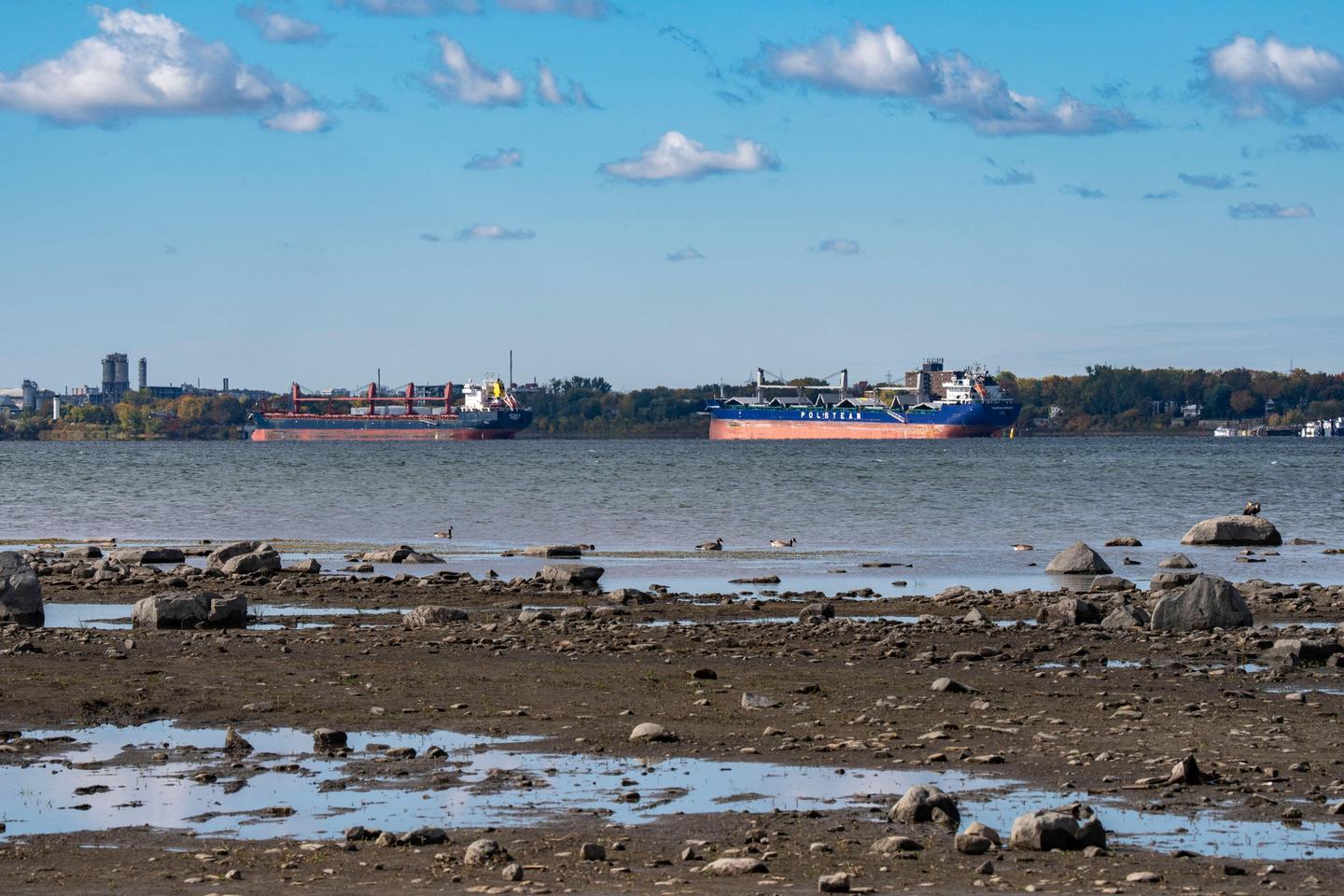
Cargo ships stranded along the shore in the Montreal suburb of Boucherville, on the south bank of the Saint Lawrence River, Canada, October 8, 2025. CHRISTINNE MUSCHI /THE CANADIAN PRESS VIA AP
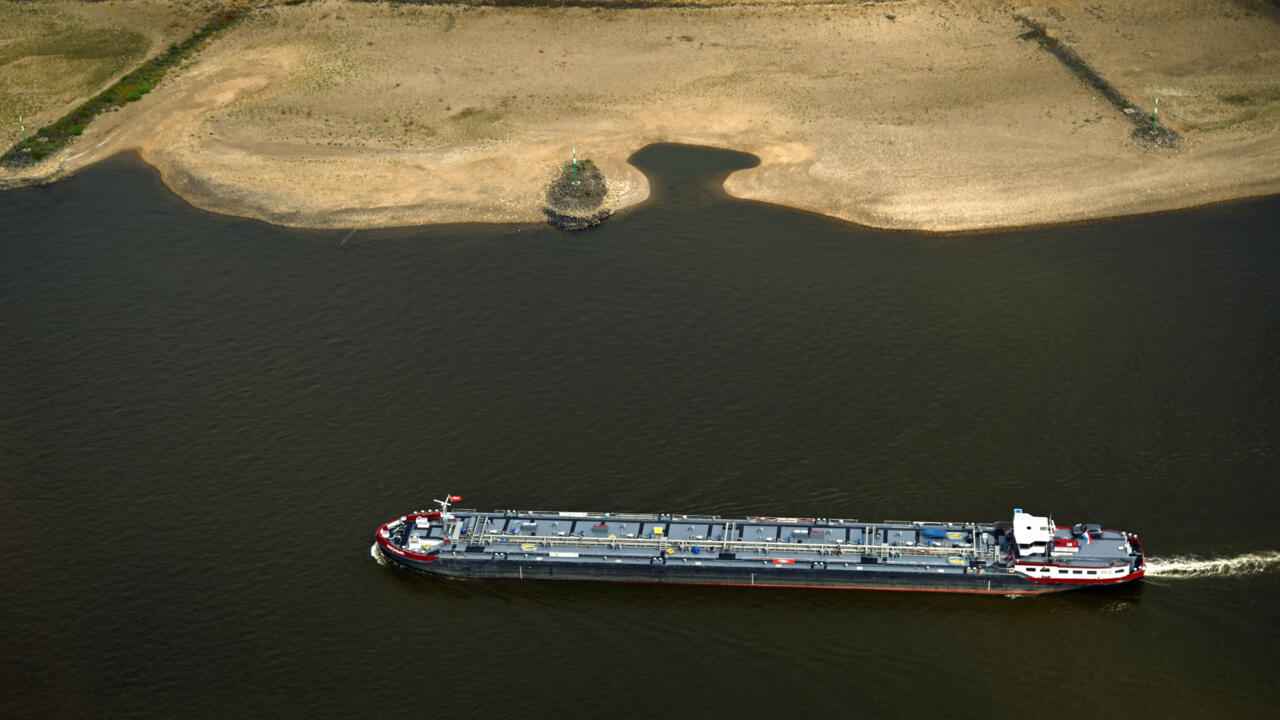
Parched riverbanks and boats stranded in mud: In southern Quebec, the Saint Lawrence River offers an unprecedented sight this October. Around Montreal, the receding water reveals vast muddy stretches while marinas in the region operate at a slower pace. The river fell to its lowest level since 2012. Between Montreal and Quebec City, several monitoring stations reported, as of October 15, drops ranging from 30 centimeters to over a meter compared to the average for recent years. "It's particularly problematic," explained Philippe Gachon, a professor of hydroclimatology at the University of Quebec in Montreal. "Not only is the river level low, but groundwater tables are also dry."
This drop in river levels has forced commercial vessels to adapt their navigation along the Saint Lawrence – a major shipping route and economic lifeline for Canada, linking the Great Lakes to the Atlantic Ocean. Since August, authorities have required container ships to reduce their cargo and slow their speed between Montreal and Lake Ontario. "These measures were implemented to ensure sufficient water levels beneath vessels and thus maintain the safety and efficiency of goods transport," explained the Saint Lawrence Seaway Management Corporation. To reassure clients, the Port of Montreal said that no ship had been forced to turn back.