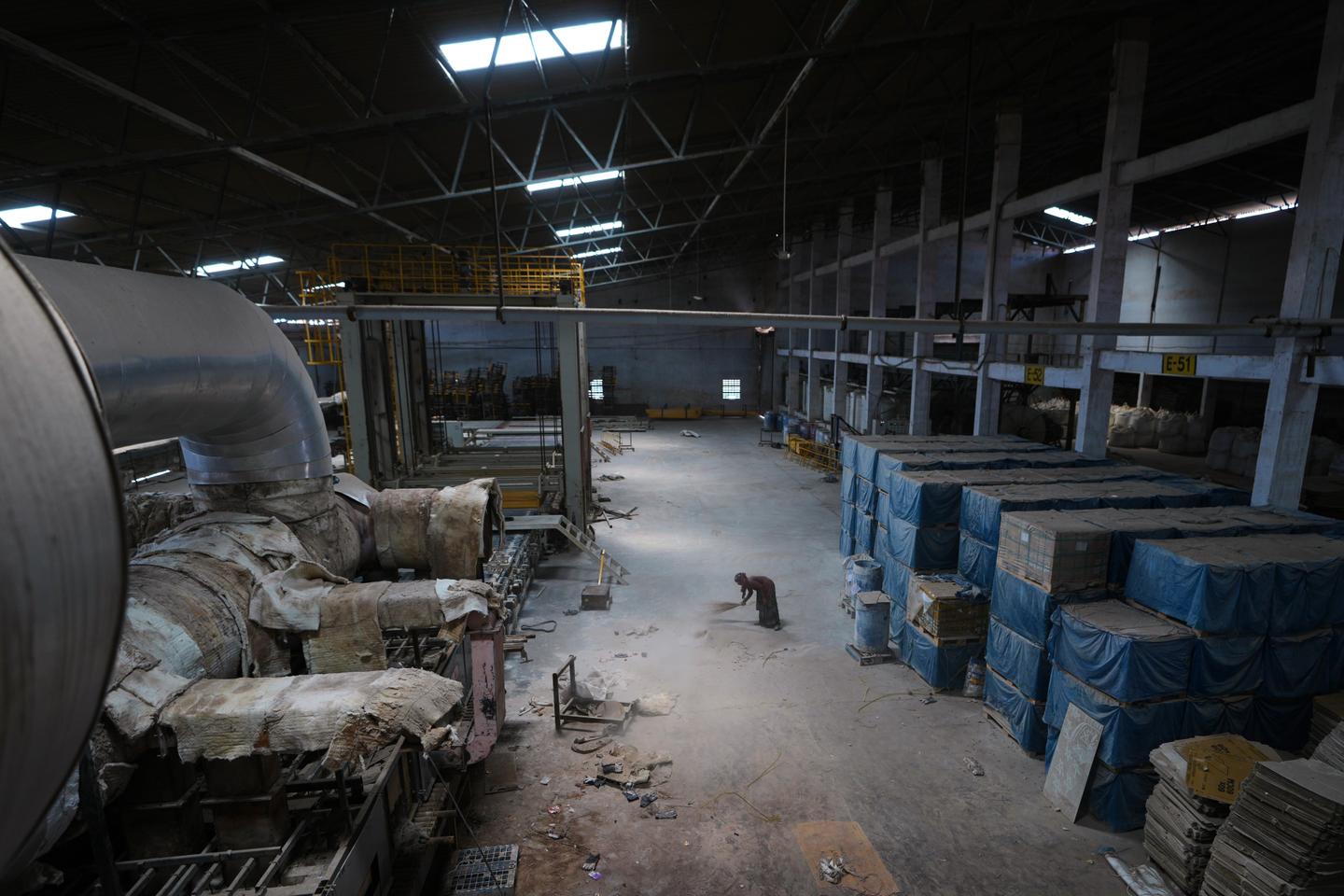
A ceramics factory shut down due to a fuel shortage in Morbi, Gujarat State, India, April 8, 2026. AJIT SOLANKI / AP
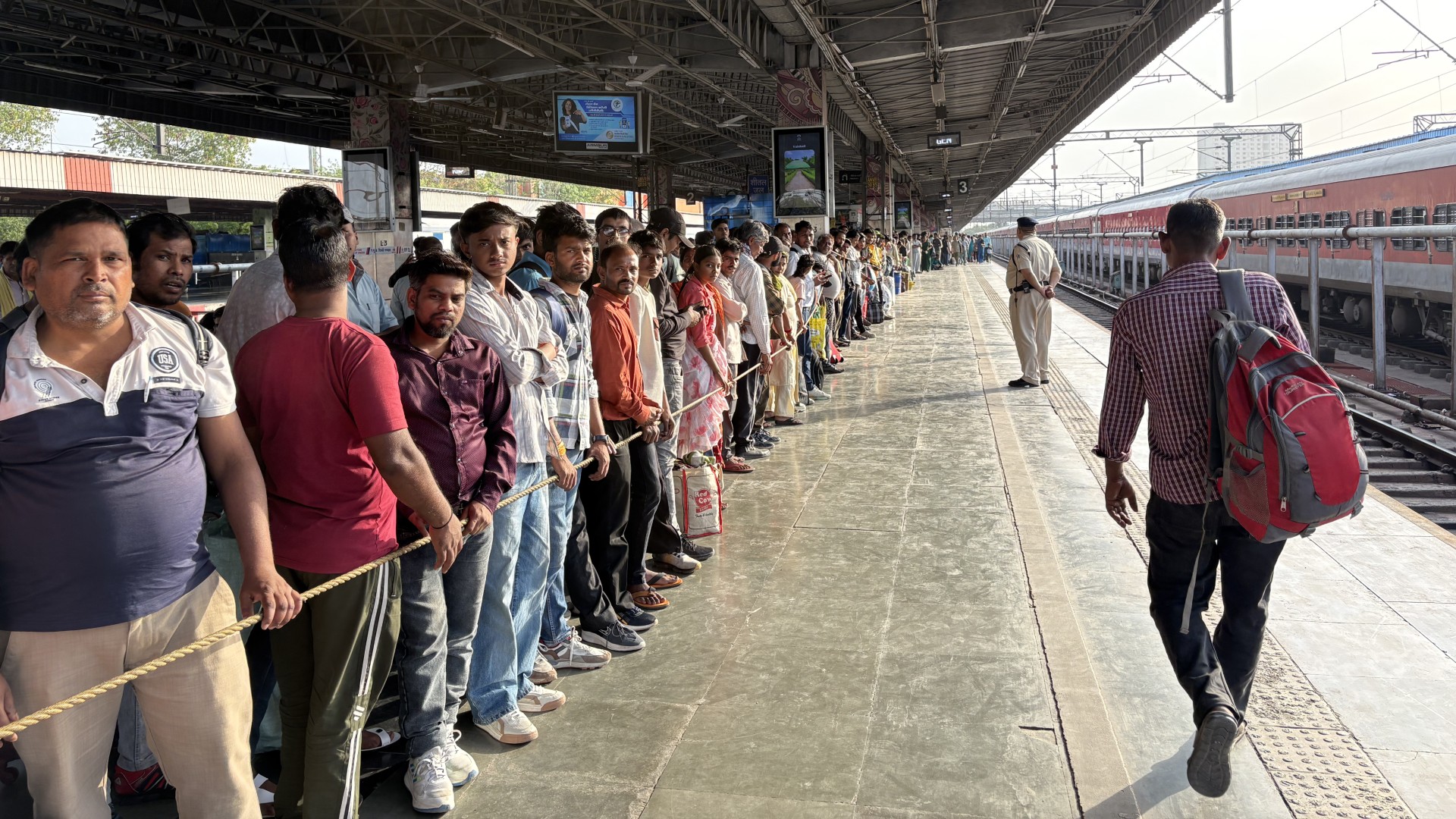
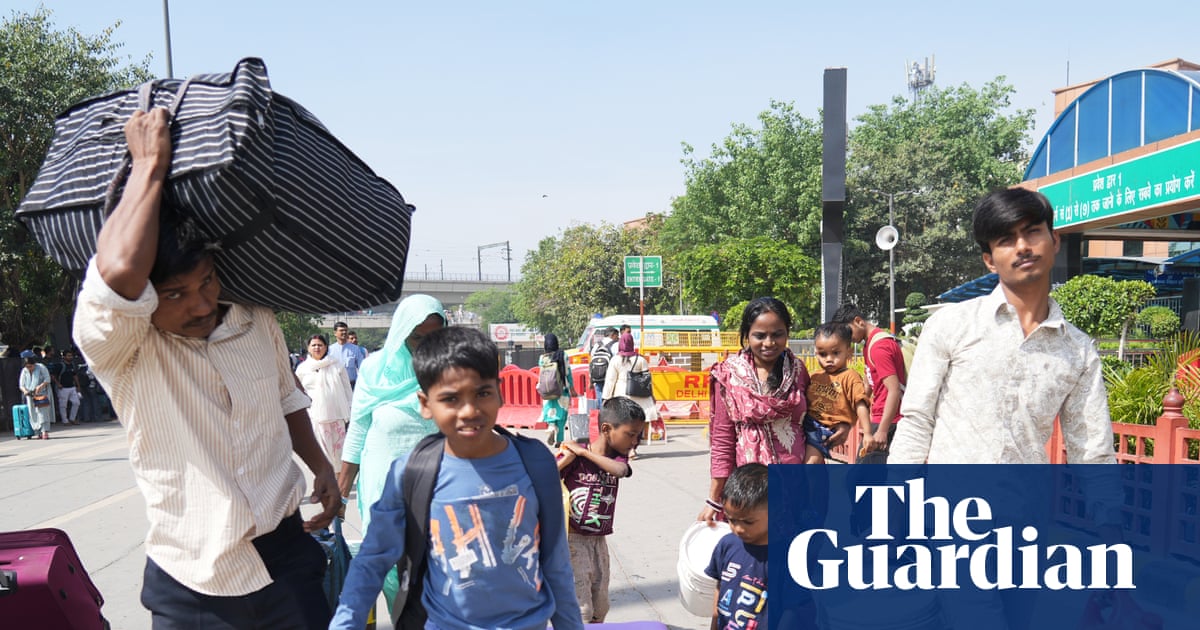
On platform number six at New Delhi Central Station, Tulli Mehto waved goodbye to his family. On Thursday, April 9, his wife and children boarded the 12:45 pm train to Darbhanga, returning to their home village in Bihar, the poorest state in India, in the country's northeast. "We can't get gas anymore and so we can't cook. That's why I'm sending them back to the countryside," explained the truck driver in his forties.
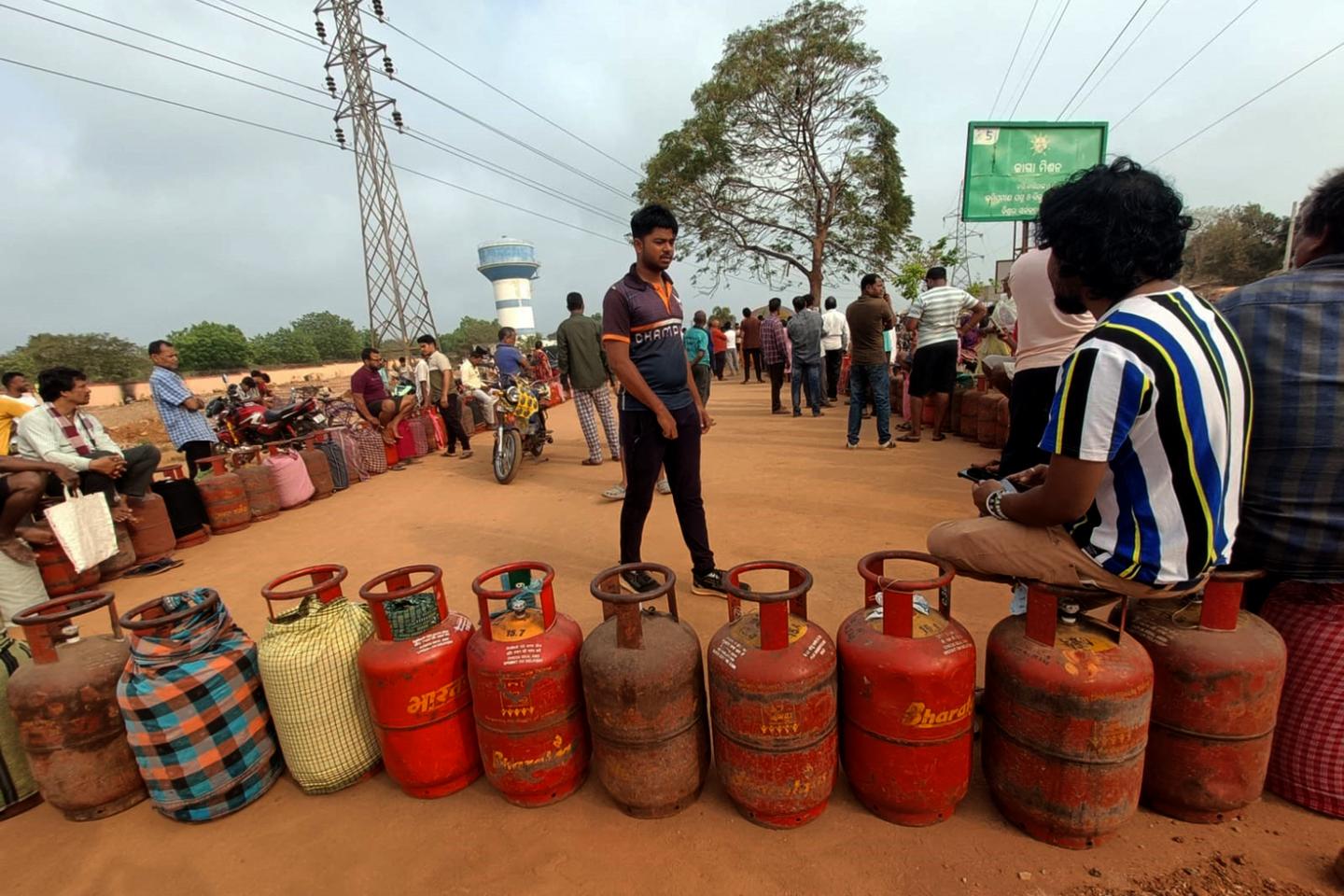
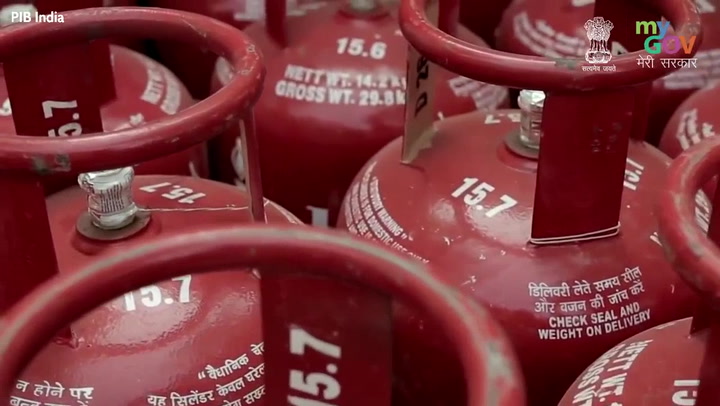
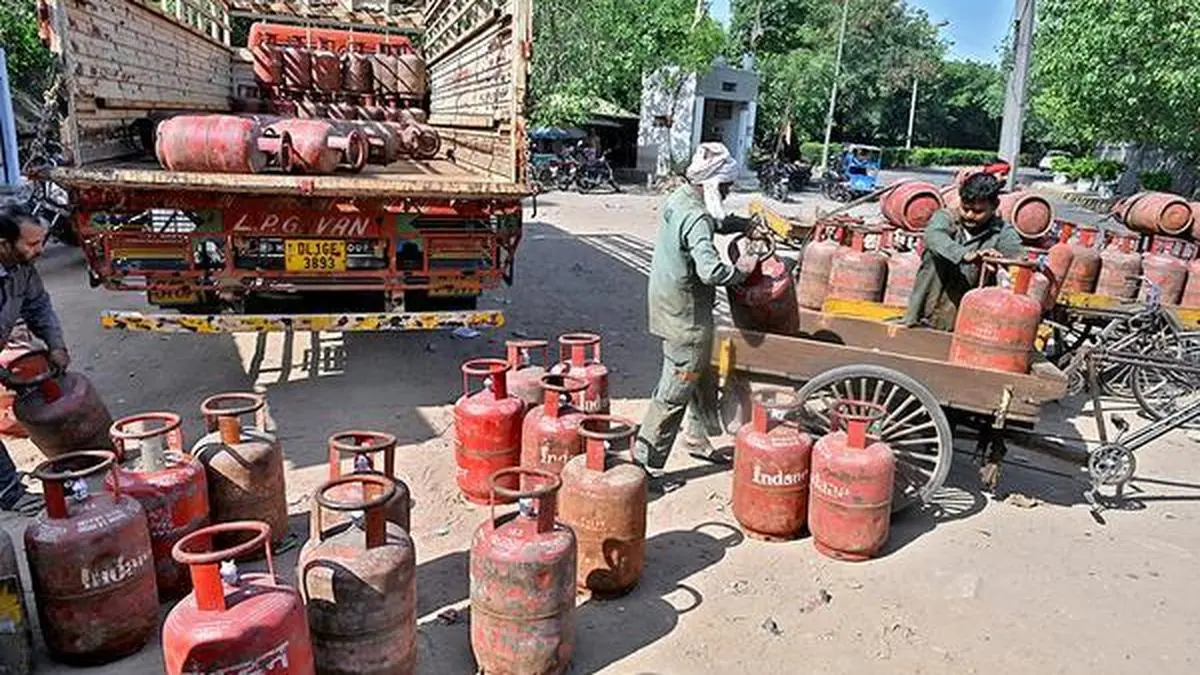
The blockade of the Strait of Hormuz since the beginning of the conflict in the Middle East at the end of February triggered a liquefied petroleum gas (LPG) shortage in India. The South Asian giant relies on imports for 60% of its LPG supply, with the vast majority transiting through this maritime chokepoint off the coast of Iran.
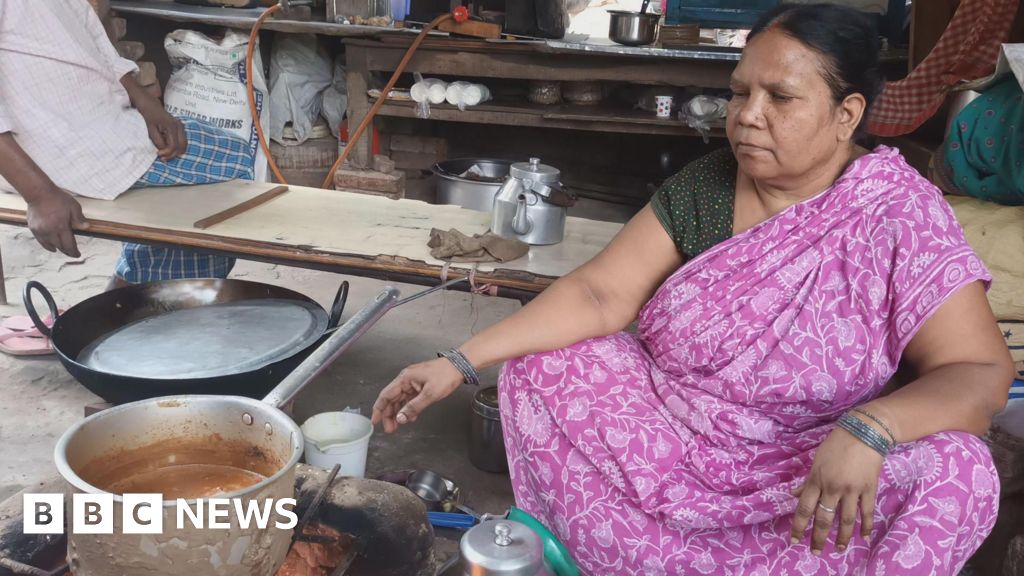
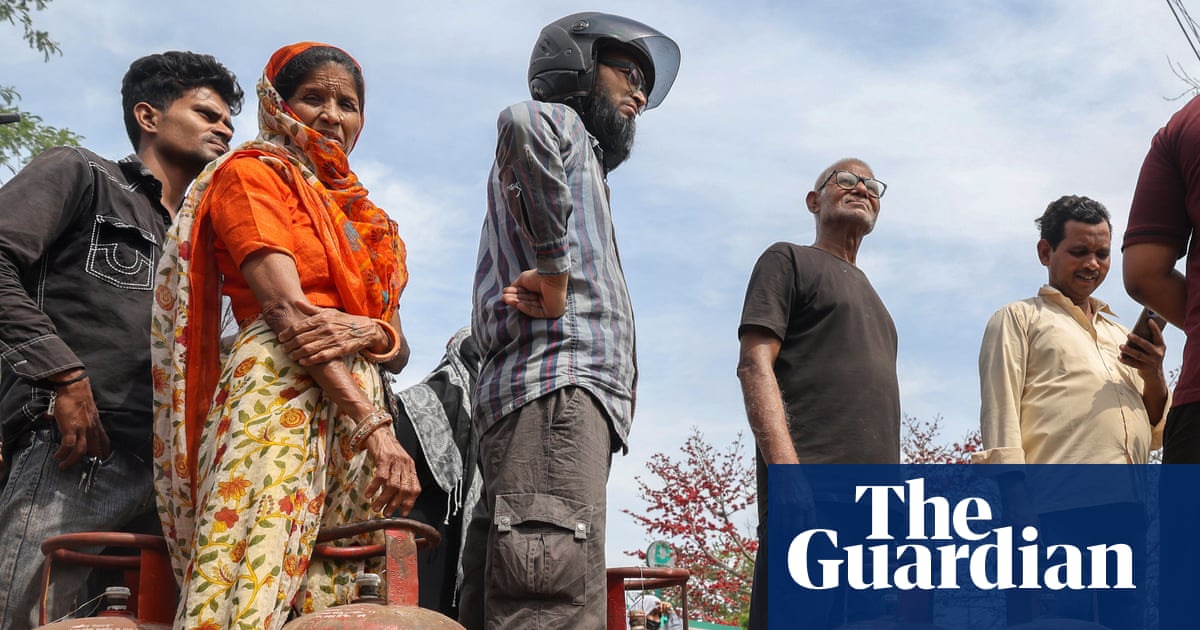
In India, cooking gas distribution is organized by official dealers and regulated by the government. Still, even in normal times, many Indians rely on informal sources. Since the conflict began, black market prices have soared. "Black market gas cylinders are selling for 400 rupees per kilo [nearly €4], that's four times the usual price," said Mehto, who hoped to join his family in two days after taking care of some business in the capital.