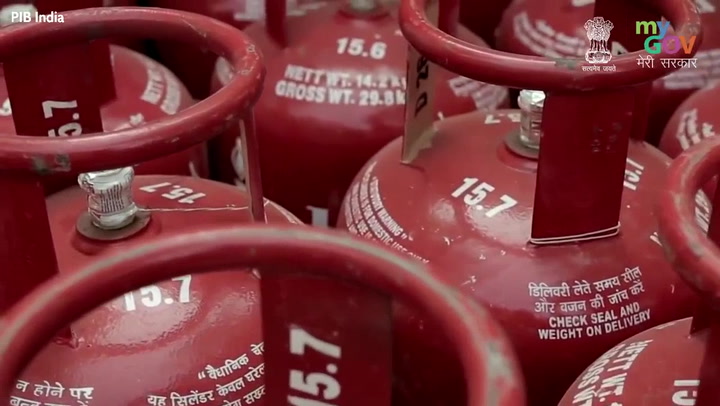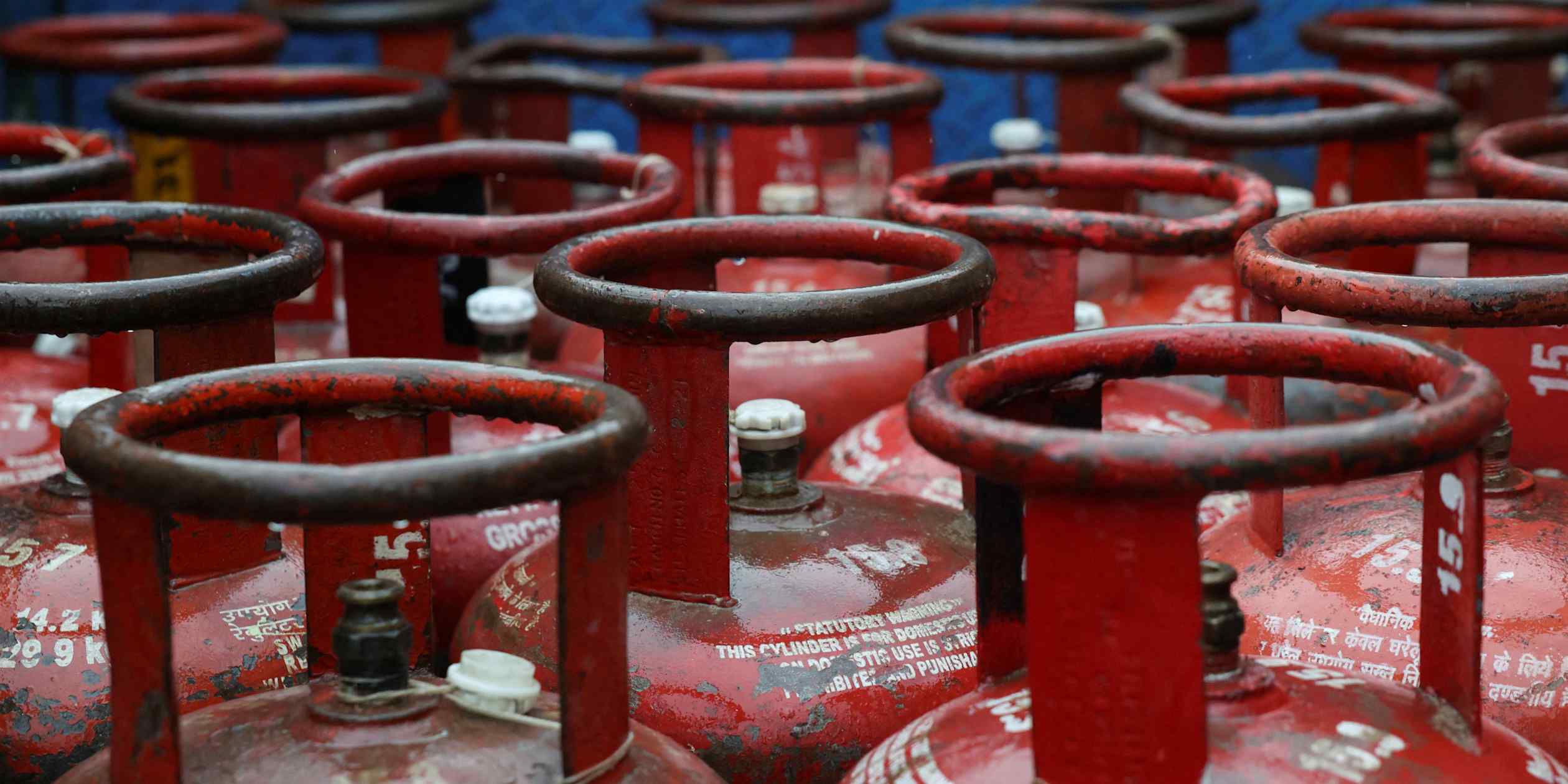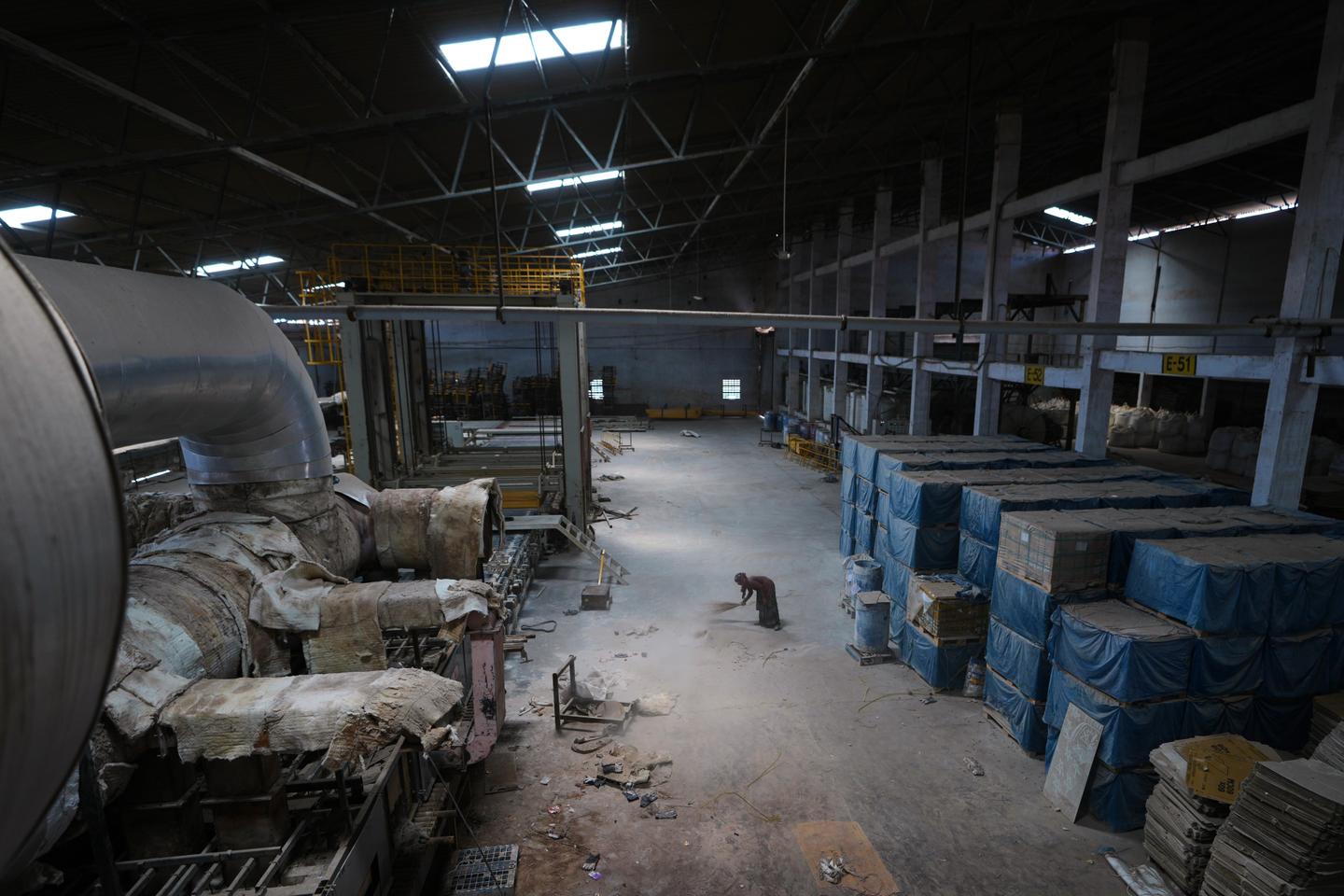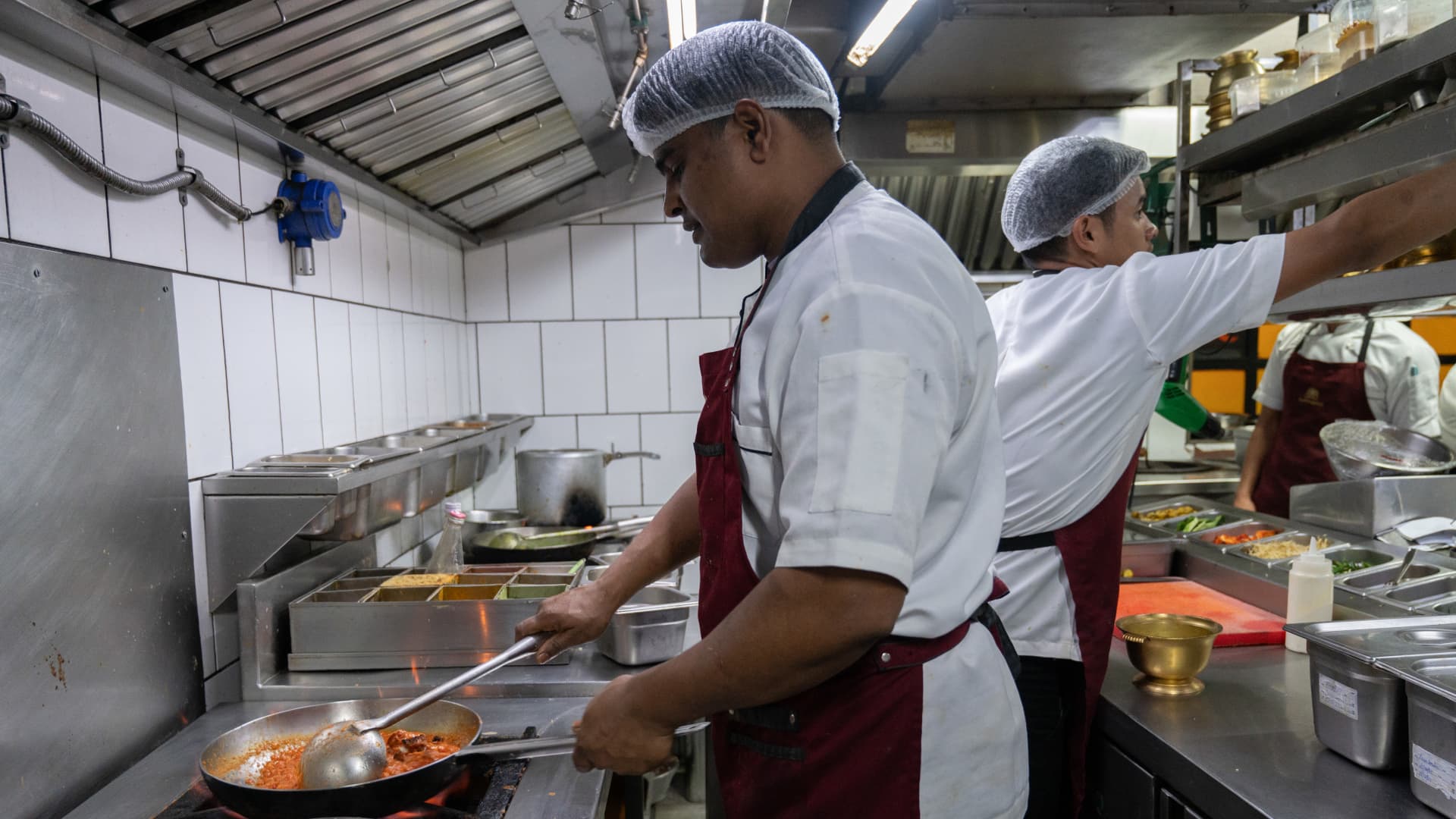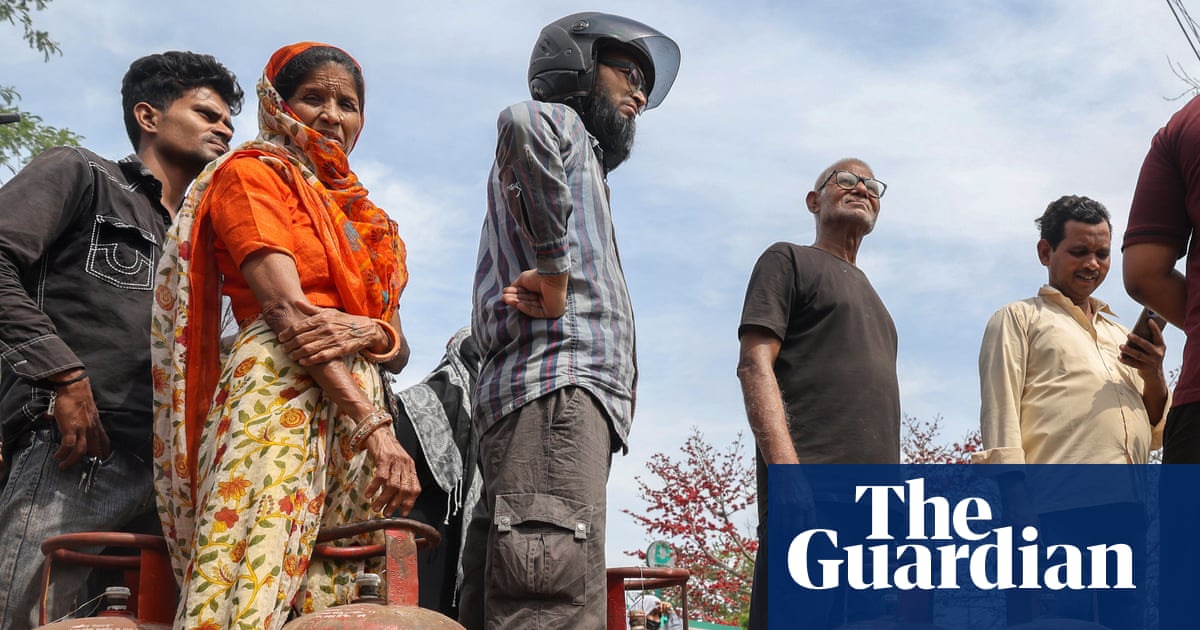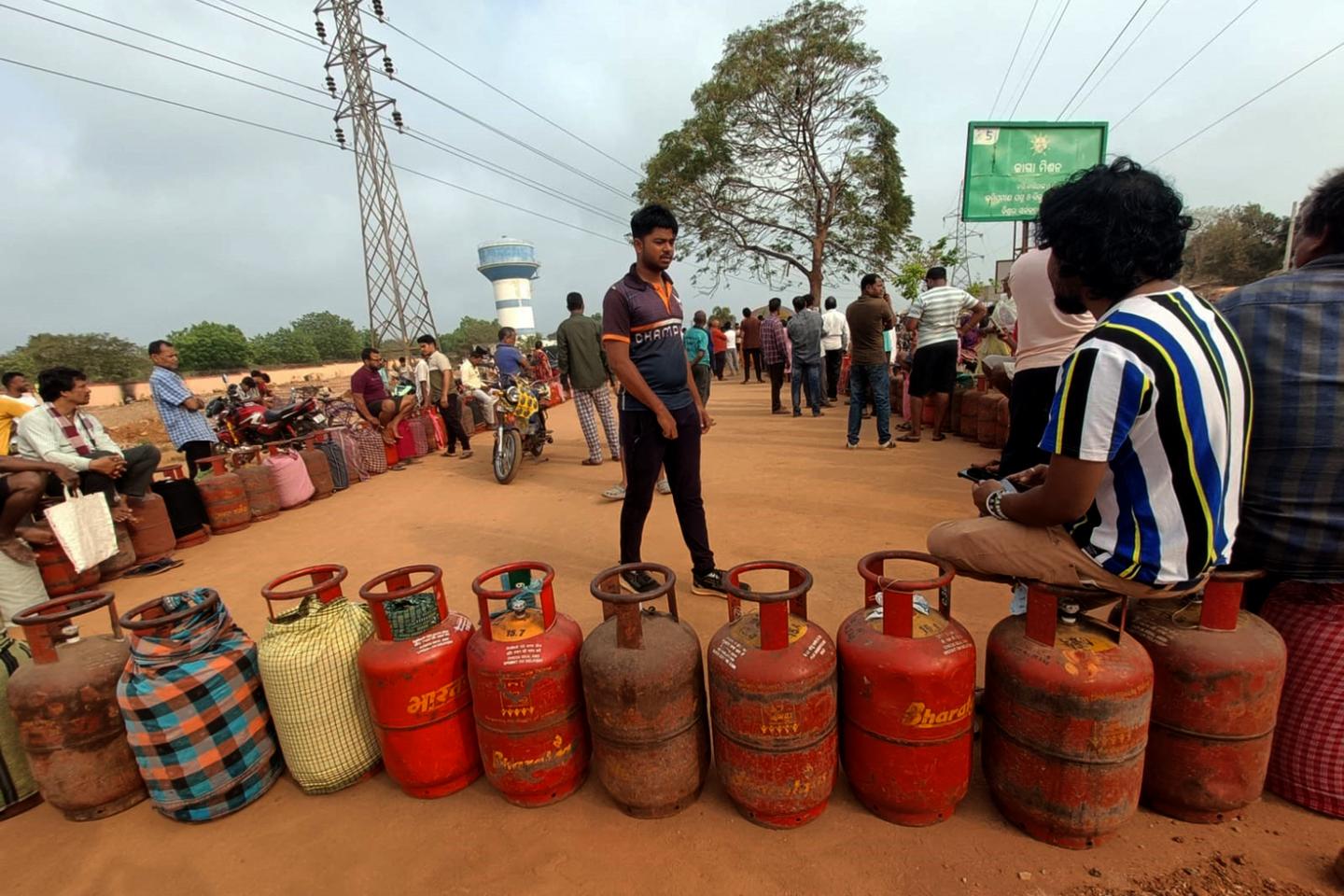
A queue for collecting filled gas cylinders in Bhubaneswar, India, March 16, 2026. STR/NURPHOTO VIA AFP
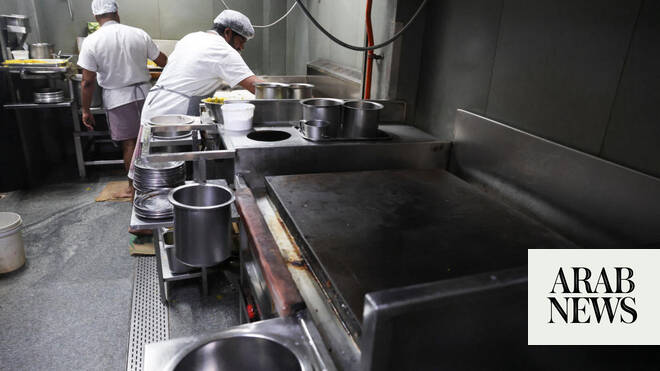
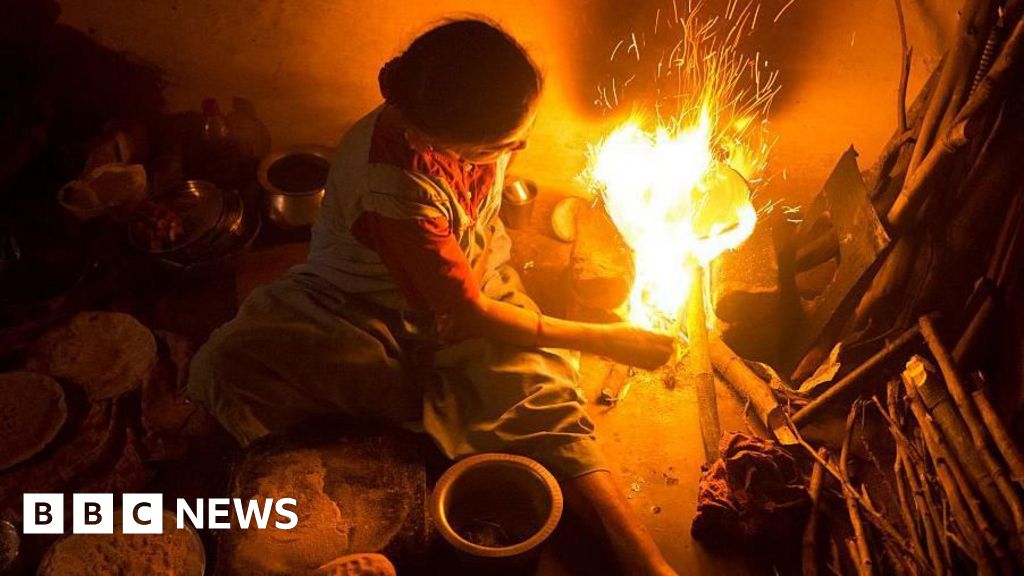
Smoke from wood fires filled the food stalls of Lodi Colony in southern New Delhi, where hundreds of day laborers and students came to eat naan, dosa and idli served in aluminum trays. The stall owners were absent, desperately searching for gas cylinders, while the cooks explained they had been forced for a week to use coal and wood, which are difficult and time-consuming to handle. Some stalls even resorted to kerosene.
"The boss managed to get cylinders on the black market for between 3,000 and 5,000 rupees [about €28 to €47], while normally they sell for 1,000 rupees. But his supplier has sold everything, and now he's looking for another one. Without a cylinder, we won't last long," explained Munna (individuals whose full names are not given requested anonymity). The gas shortage caused by the blockade of the Strait of Hormuz has become a controversial and sensitive topic in India. "The country finds itself in the worst gas supply crisis in recent history," wrote the daily The Indian Express on Monday, March 16.
Prime Minister Narendra Modi's government has denied any shortage but gave priority to India's 340 million households that use liquefied petroleum gas (LPG) for cooking by restricting supply to certain sectors, including restaurants. The worst affected are street stalls, which are found throughout the Indian capital and all major cities, popular with lower-income residents who cannot afford to cook at home or eat in other establishments.