Military euphemisms can be deadly. Yet the brutal rhetoric of the US and Israel is proving still more lethal
“M
etaphors can kill,” the linguist George Lakoff wrote in an influential essay on the Gulf war. “The use of a metaphor with a set of definitions becomes pernicious when it hides realities in a harmful way.” He described the effects of the US employment of business cost-and-benefit analogies, sporting comparisons and the fairytale of the just war with heroes and villains.
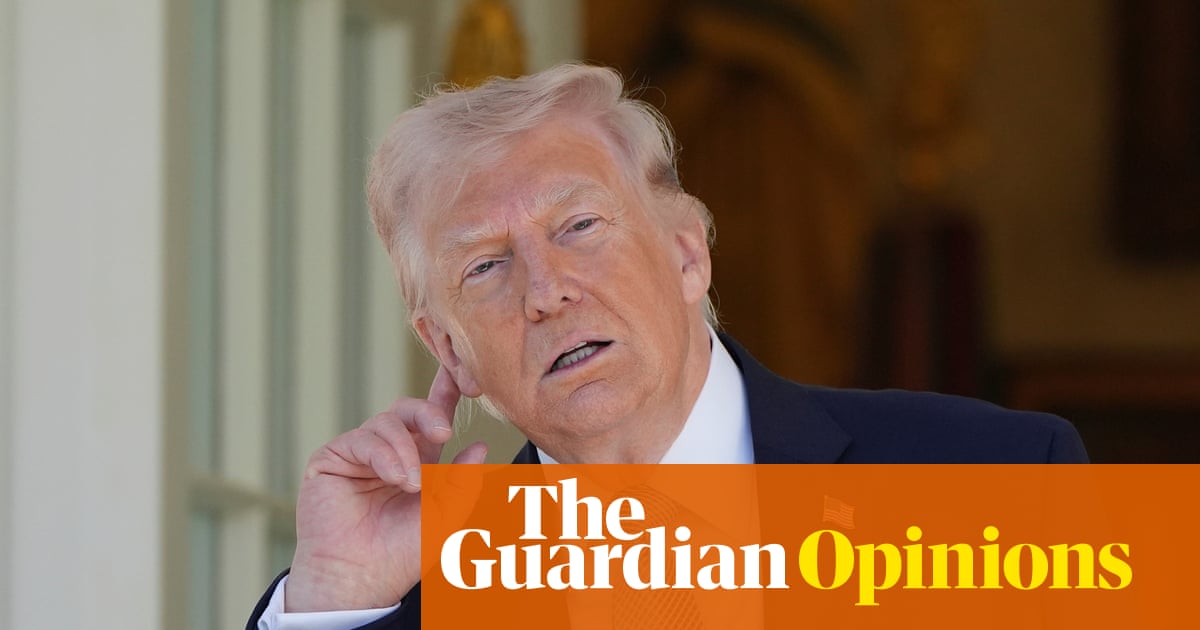
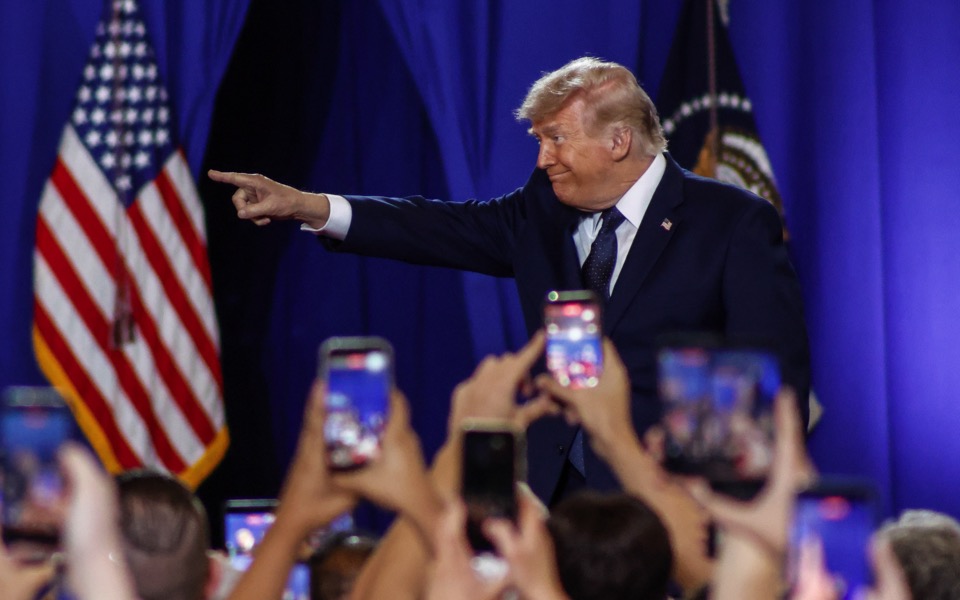
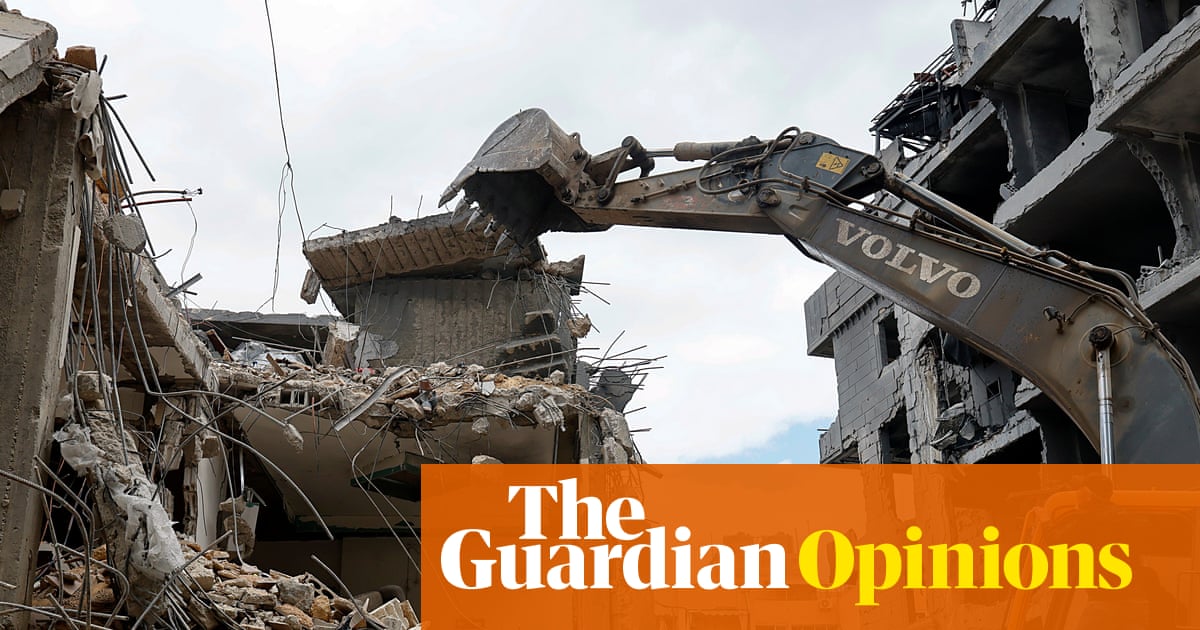
All veiled the reality of conflict. Euphemism was long the preferred choice for the US military. Spokespeople discussed “collateral damage” rather than civilian deaths and “surgical strikes”, framing destruction as both precise and part of a necessary and ultimately healing process. Donald Trump chooses naked menace instead. This week he issued a genocidal threat against Iran, having previously threatened to bomb it “back to the stone age” and destroy bridges and power plants – schools and medical facilities having already been pulverised. He said that he was “not at all” concerned about potential war crimes.
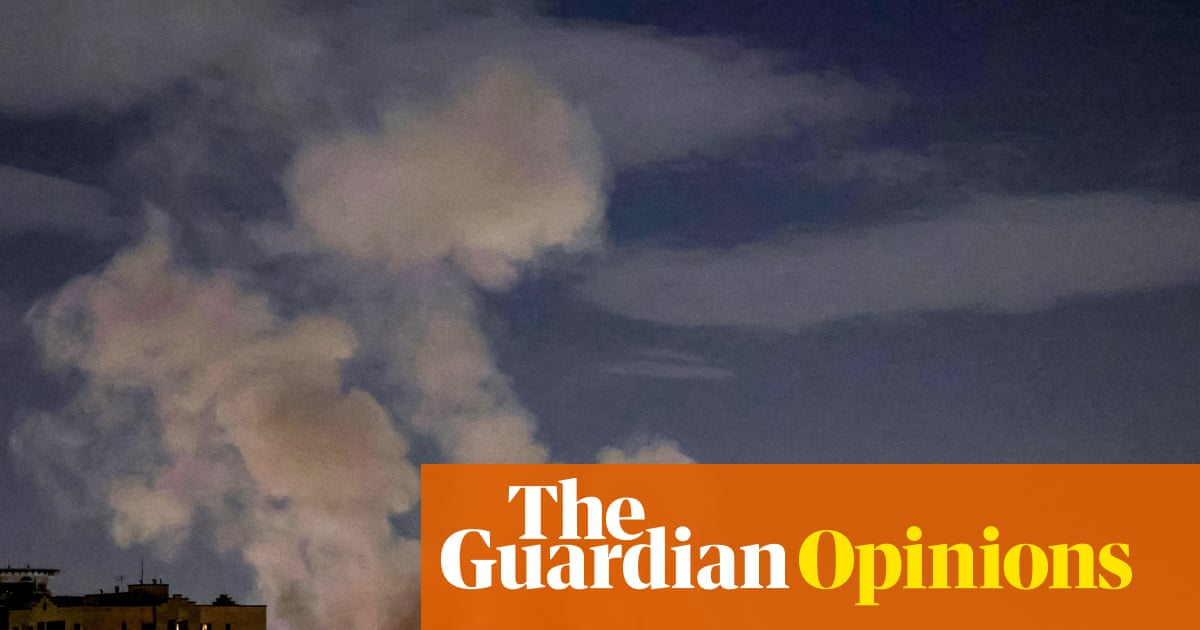
When he warned on Tuesday that “a whole civilisation will die tonight” unless Iran agreed a deal, he was seeking an exit from the disastrous war he unleashed six weeks ago. A two-week ceasefire was duly declared, though it appeared at risk of collapse within hours. Talks between Iran and the US, scheduled for Islamabad this weekend, were subject to similar uncertainty. Relief at the halt – above all among Iranians but also felt globally – was shadowed from the first by the risk of renewed conflict. Meanwhile, Israel escalated attacks on Lebanon. It called the 10-minute mass strike that killed dozens of children, a poet, two journalists and hundreds more people, “Operation eternal darkness”.