https://arab.news/nrbng
The first casualty in war is truth, the Greek dramatist Aeschylus observed more than two millennia ago. The ongoing US-Israeli war with Iran once again proves the enduring pertinence of his observation.
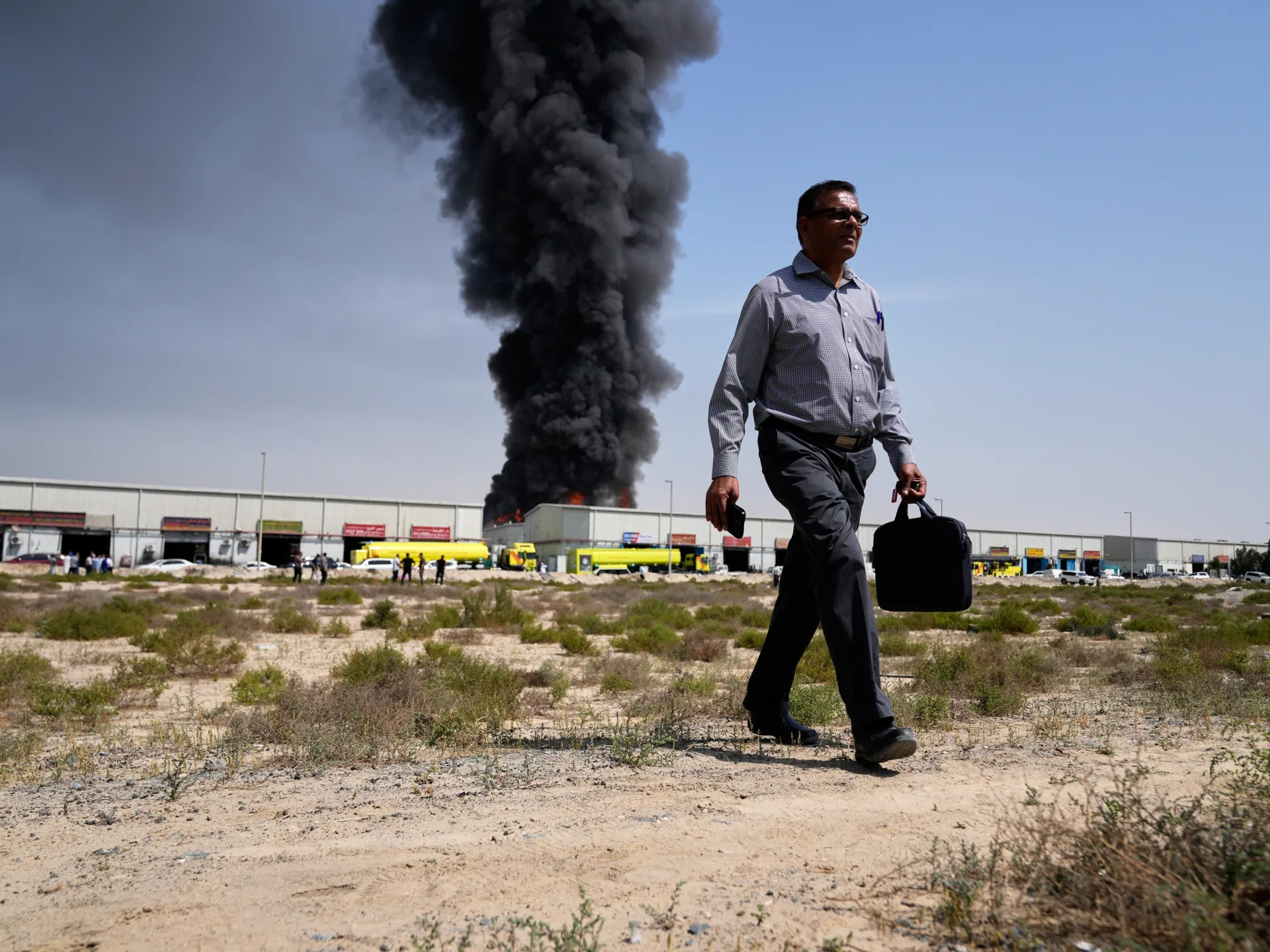
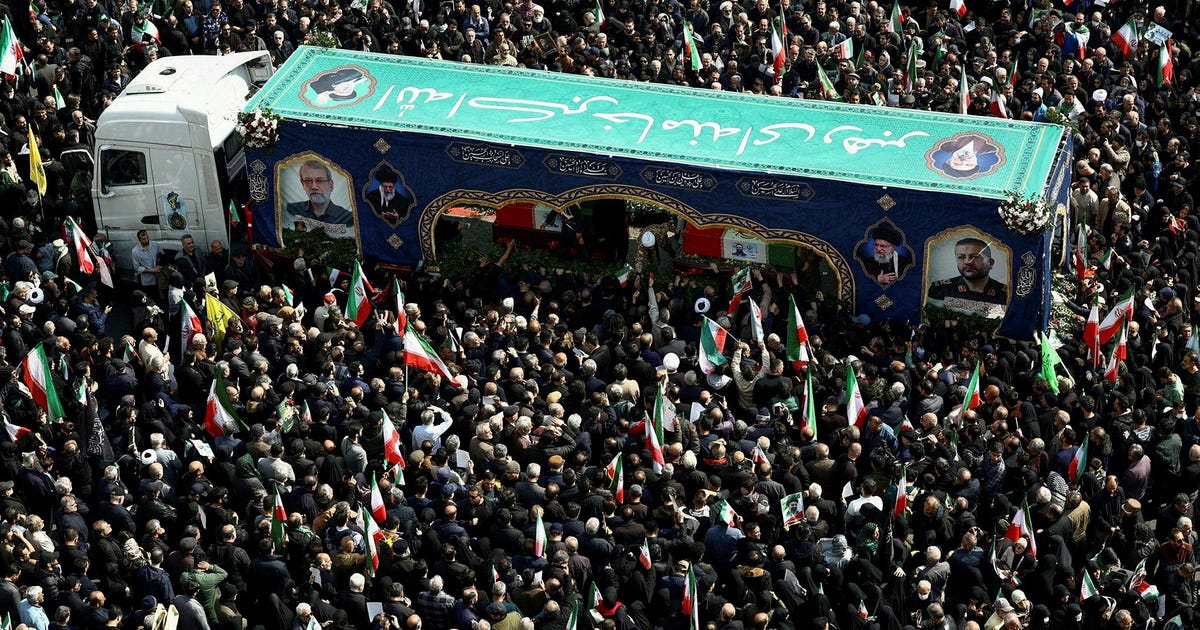
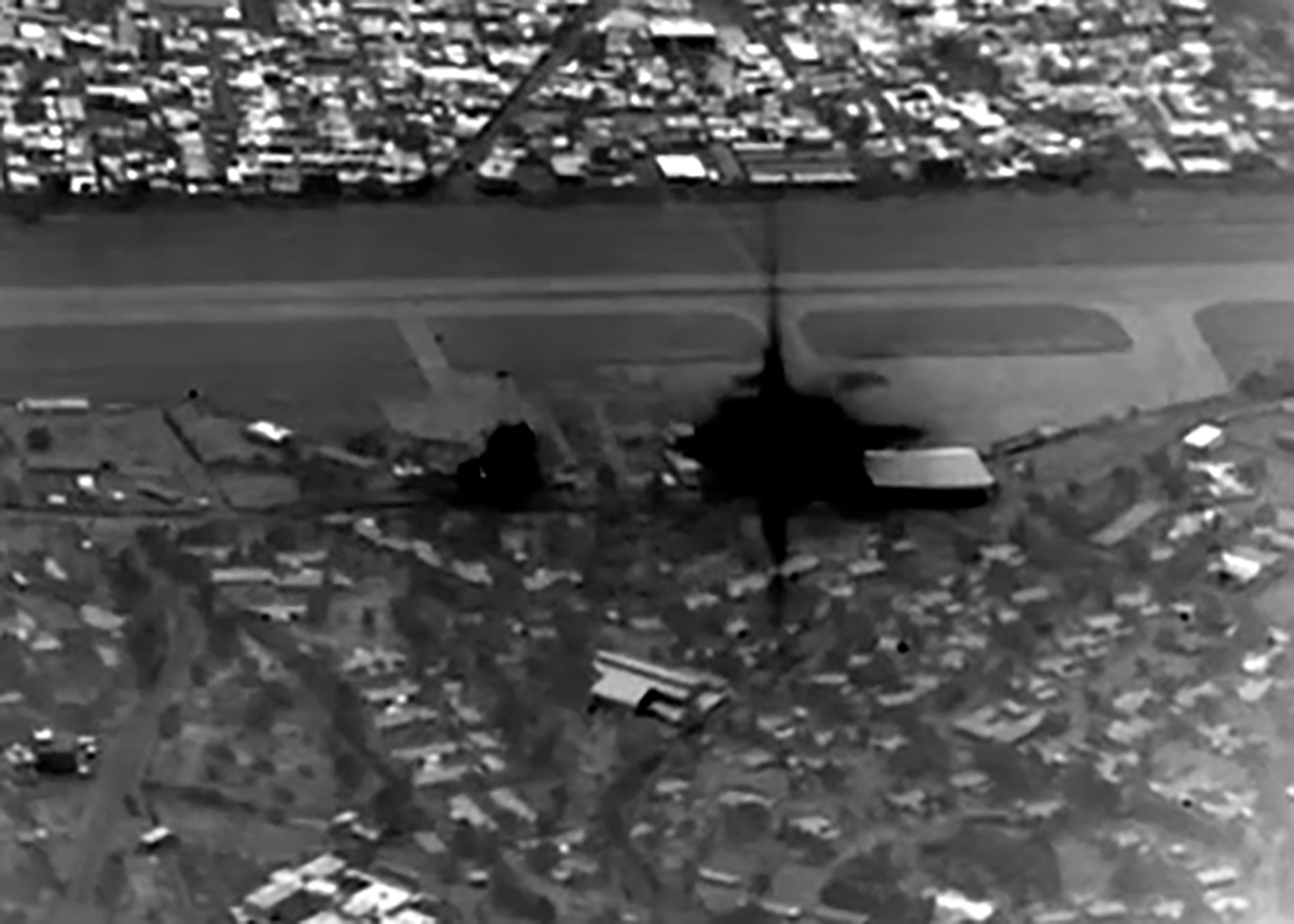
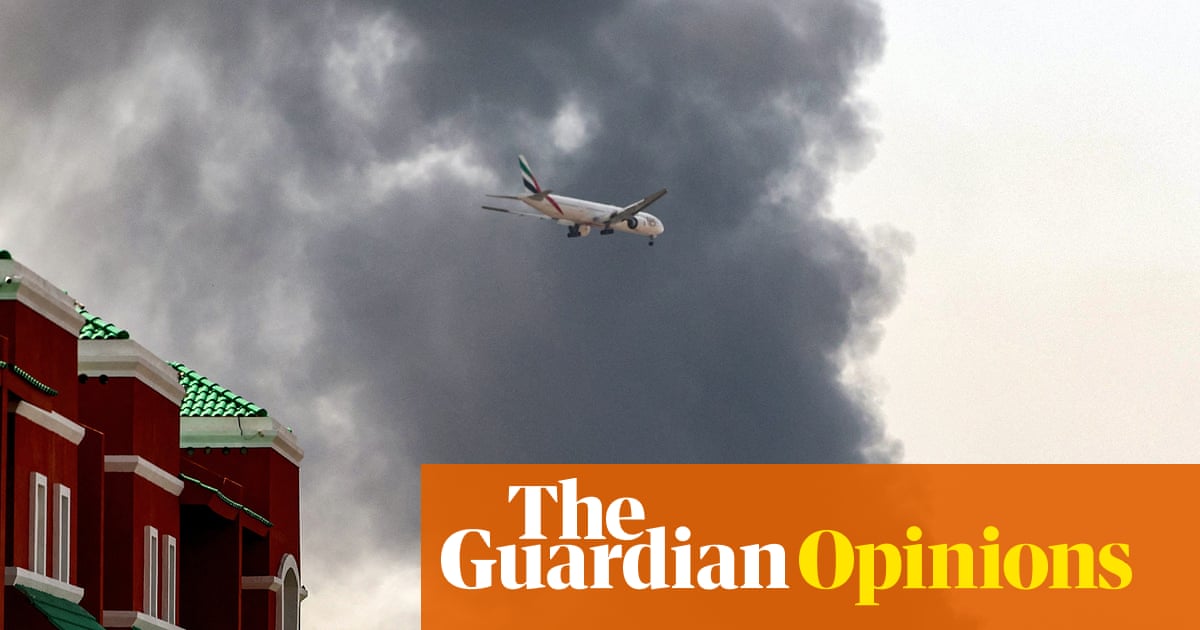
As missiles continue to strike across the Gulf and tensions ripple through global energy markets, another battle has unfolded: in the information sphere. Selective reporting, speculation, and outright fabrication attempt to frame the conflict as a widening regional war. Yet despite sustained narrative pressure, the Gulf — the region most exposed to the war’s consequences — has refused to be drawn into an escalation.
Propaganda has always accompanied warfare. During the US wars in Afghanistan and Iraq, “embedded journalism” often ensured the reporting reflected the military’s preferred framing of events.
What distinguishes the current conflict with Iran is the speed of narrative construction in the digital age, as selective reports spread instantly online and spill over into television coverage, from Fox News and CNN to the BBC and Sky News, thereby shaping perceptions in real time. Some influential US and Israeli media outlets appear to frame developments in ways that mirror the strategic preferences of actors seeking to widen the conflict.