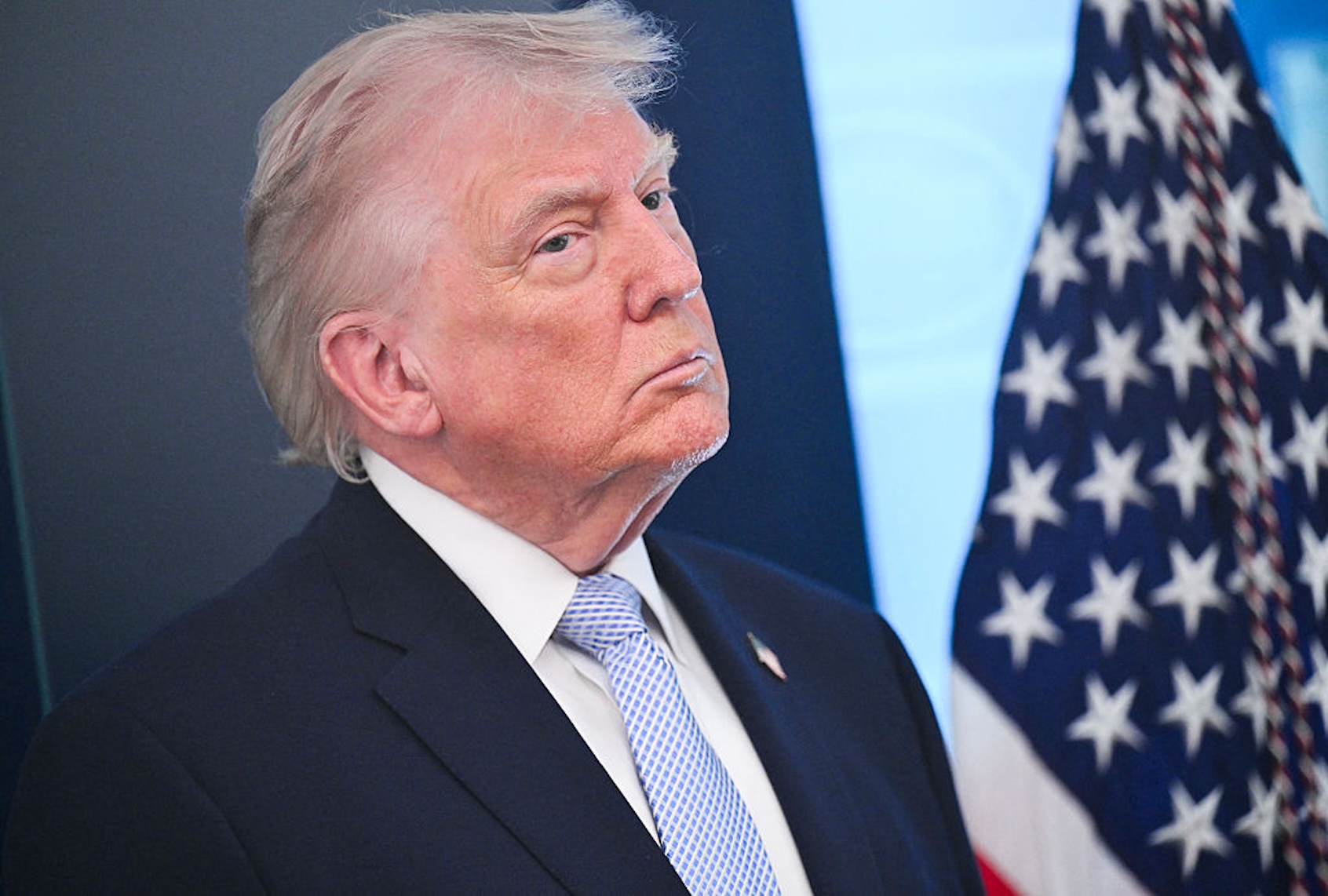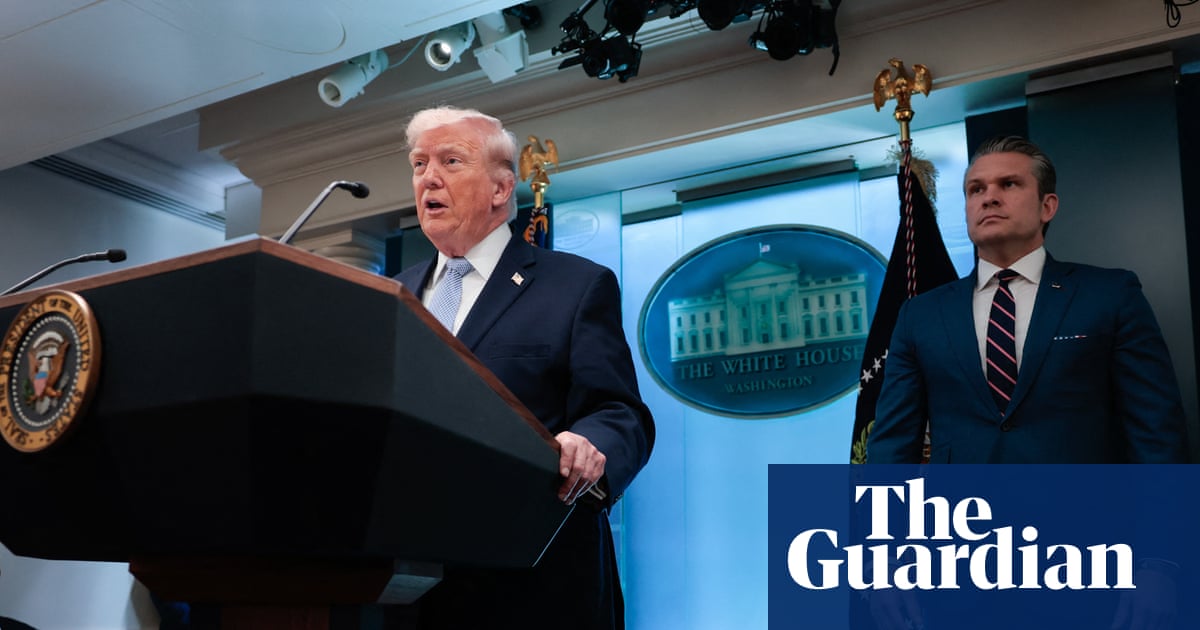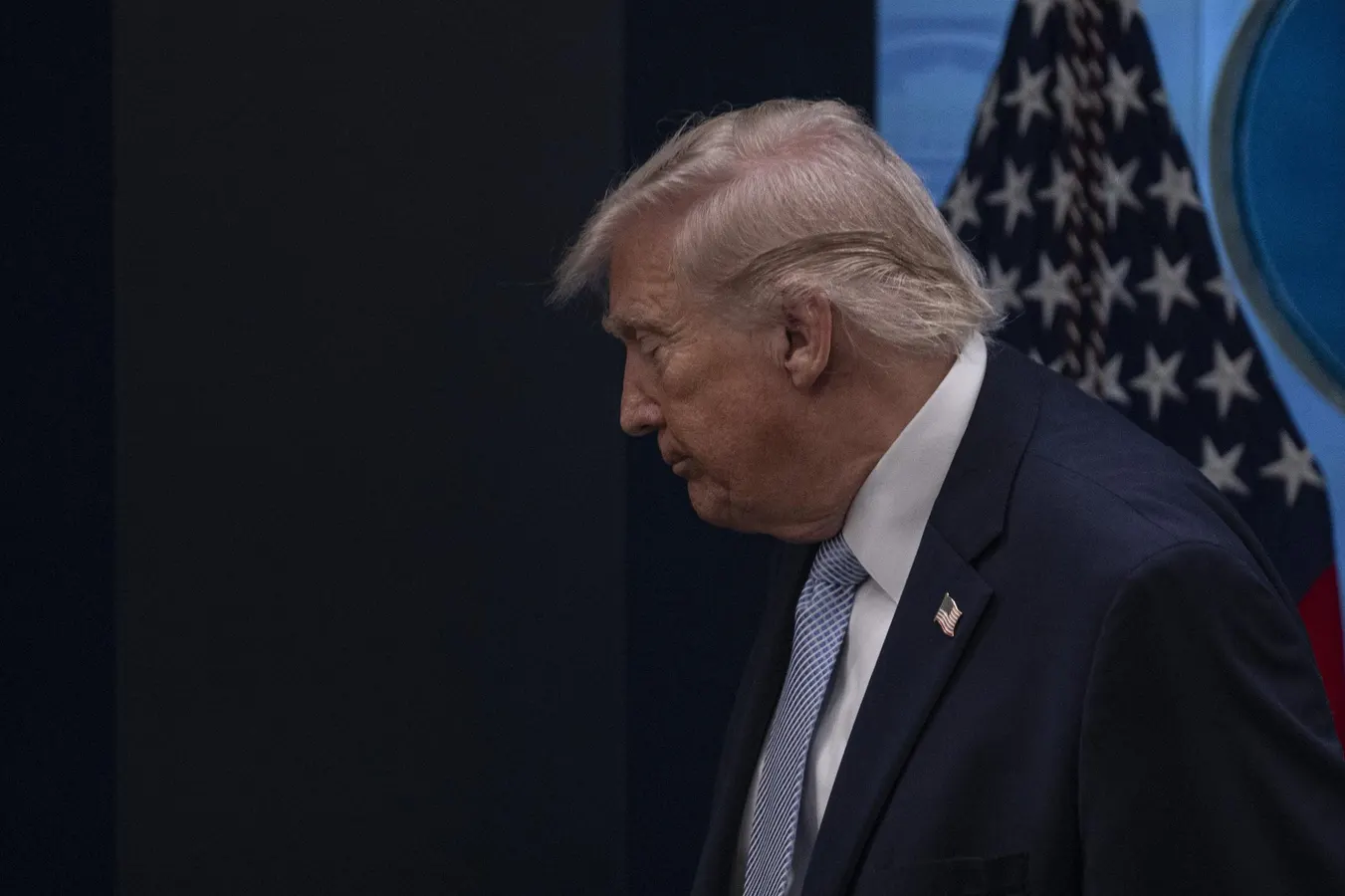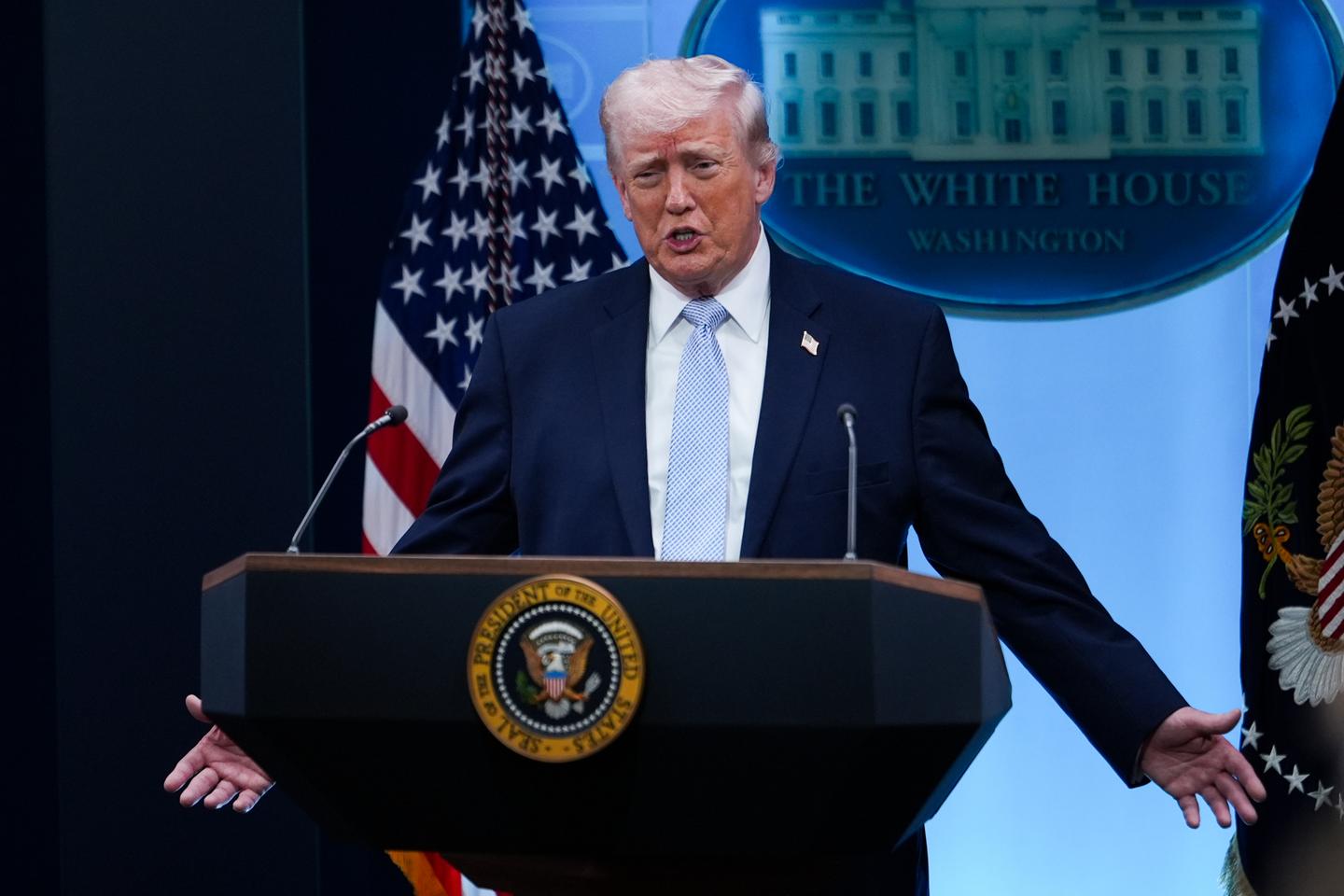
Donald Trump speaks to journalists at the White House in Washington on April 6, 2026. JULIA DEMAREE NIKHINSON/AP
"Silent enim leges inter arma" ("In times of war, law falls silent"), goes the Roman adage attributed to Cicero – later popularized by pop culture as the title of a Star Trek episode and, more recently, as a governing style by Donald Trump.
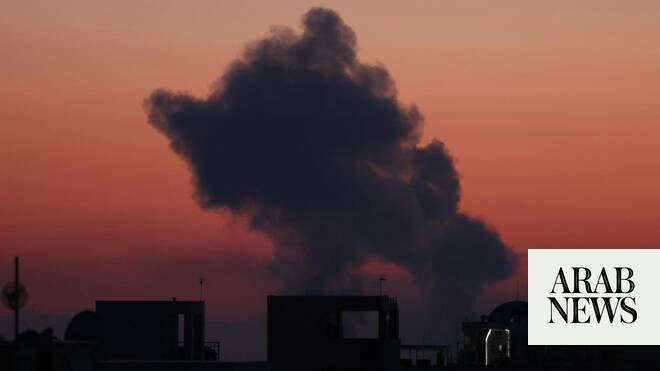
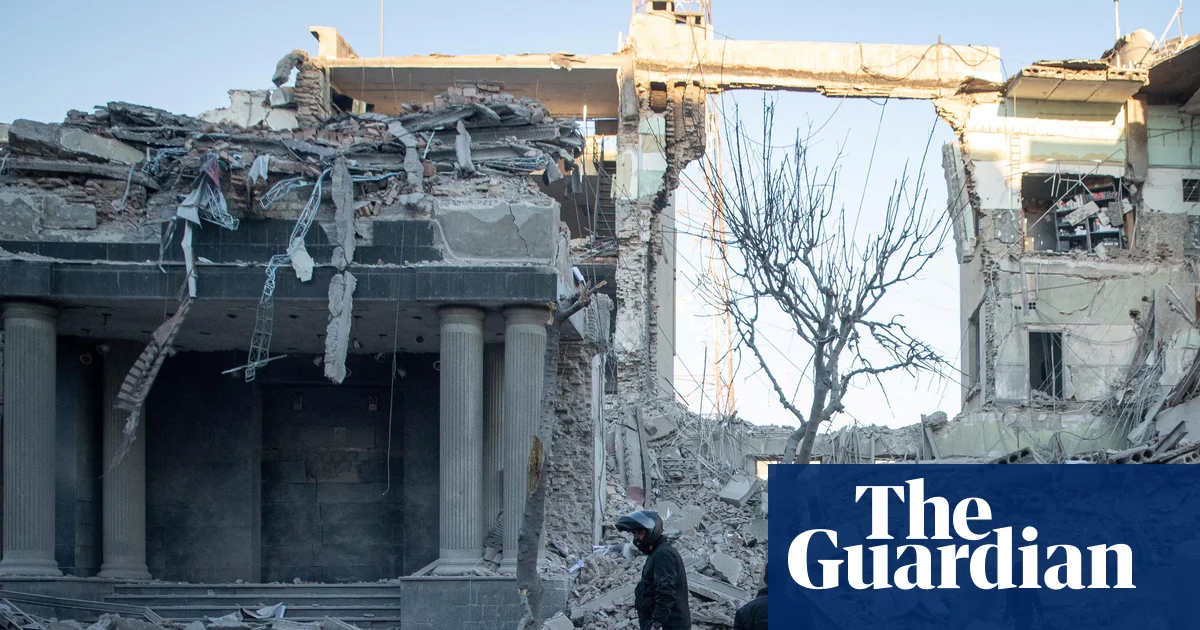
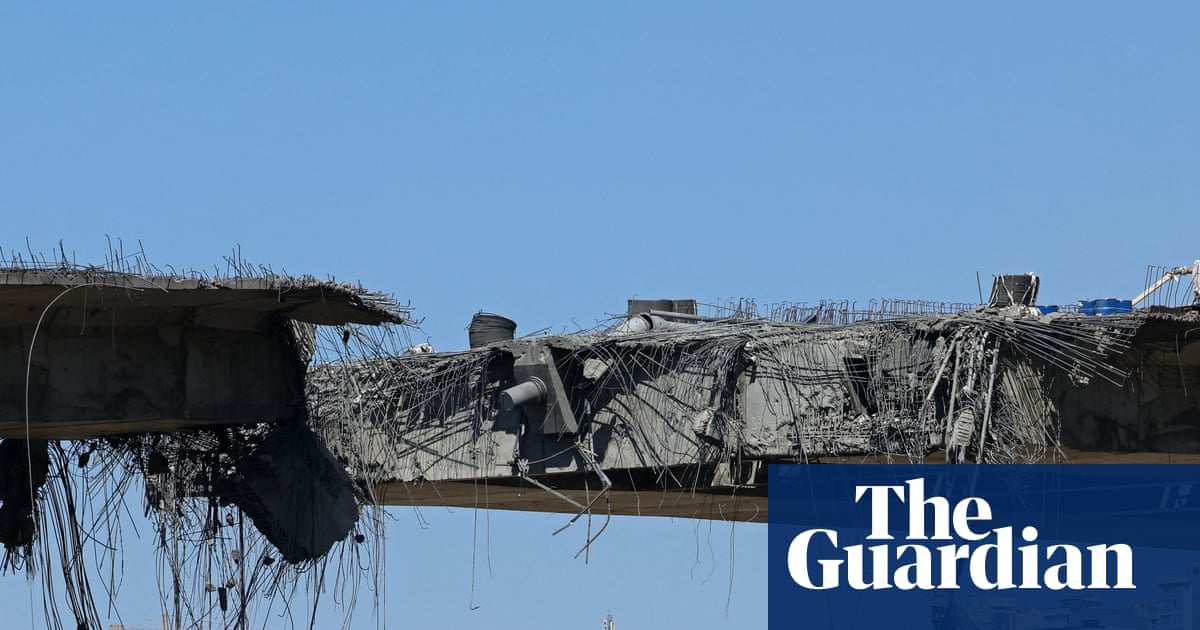
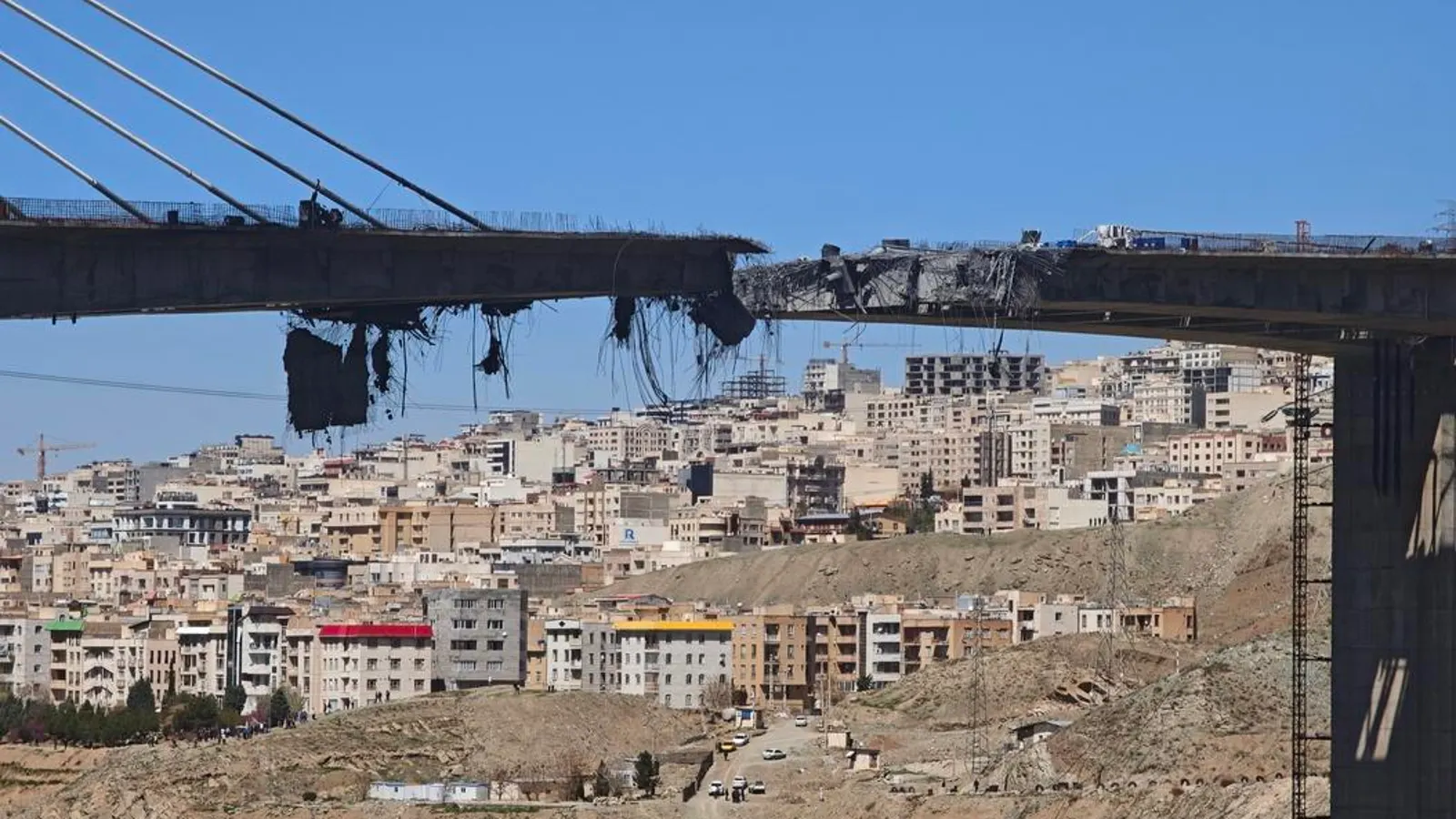
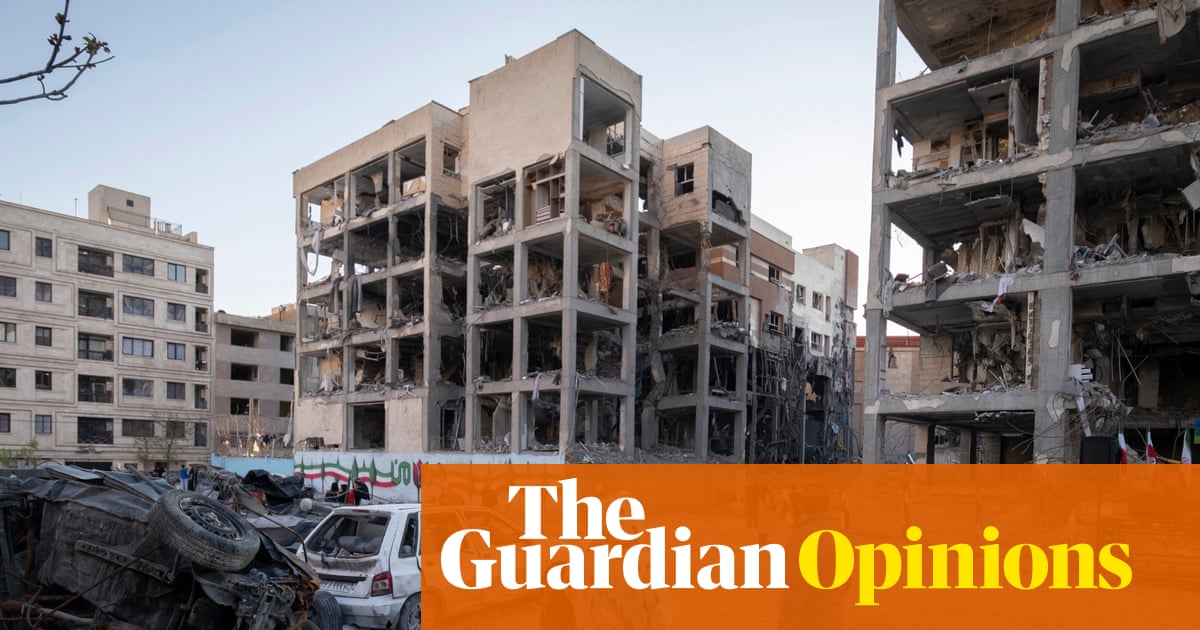
On Sunday, April 5, the US president threatened further airstrikes by issuing an ultimatum to Iran to reopen the Strait of Hormuz – which the Islamic Republic has blocked since the war launched by the United States and Israel on February 28. "Tuesday will be Power Plant Day, and Bridge Day, all wrapped up in one," he said. Since the start of the conflict, both the US and Israeli armed forces have already targeted several civilian infrastructures in Iran, claiming they are also used for military purposes. Iran, in turn, has struck non-military targets in the Gulf and in Israel.
"The American president (…) has publicly threatened to commit war crimes," responded Iranian Deputy Foreign Minister Kazem Gharibabadi on Sunday. Trump, a "super war criminal," he added, "engages his own personal criminal responsibility." On Monday, however, the US president said he was "not at all" worried about committing such crimes and asserted that "the entire country can be taken out in one night." Early Tuesday, Trump escalated his rhetoric further: "A whole civilization will die tonight," he wrote on his Truth Social network.