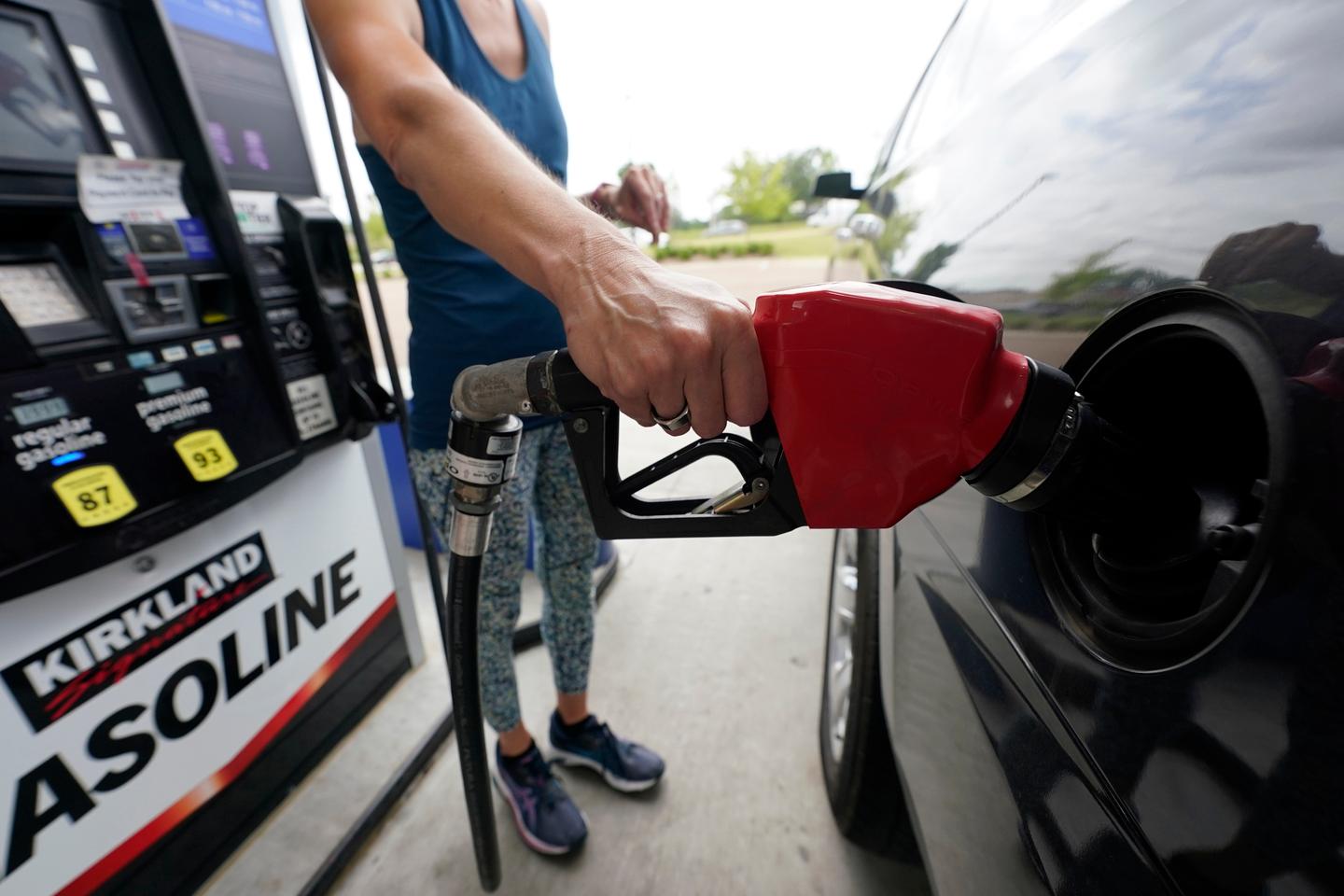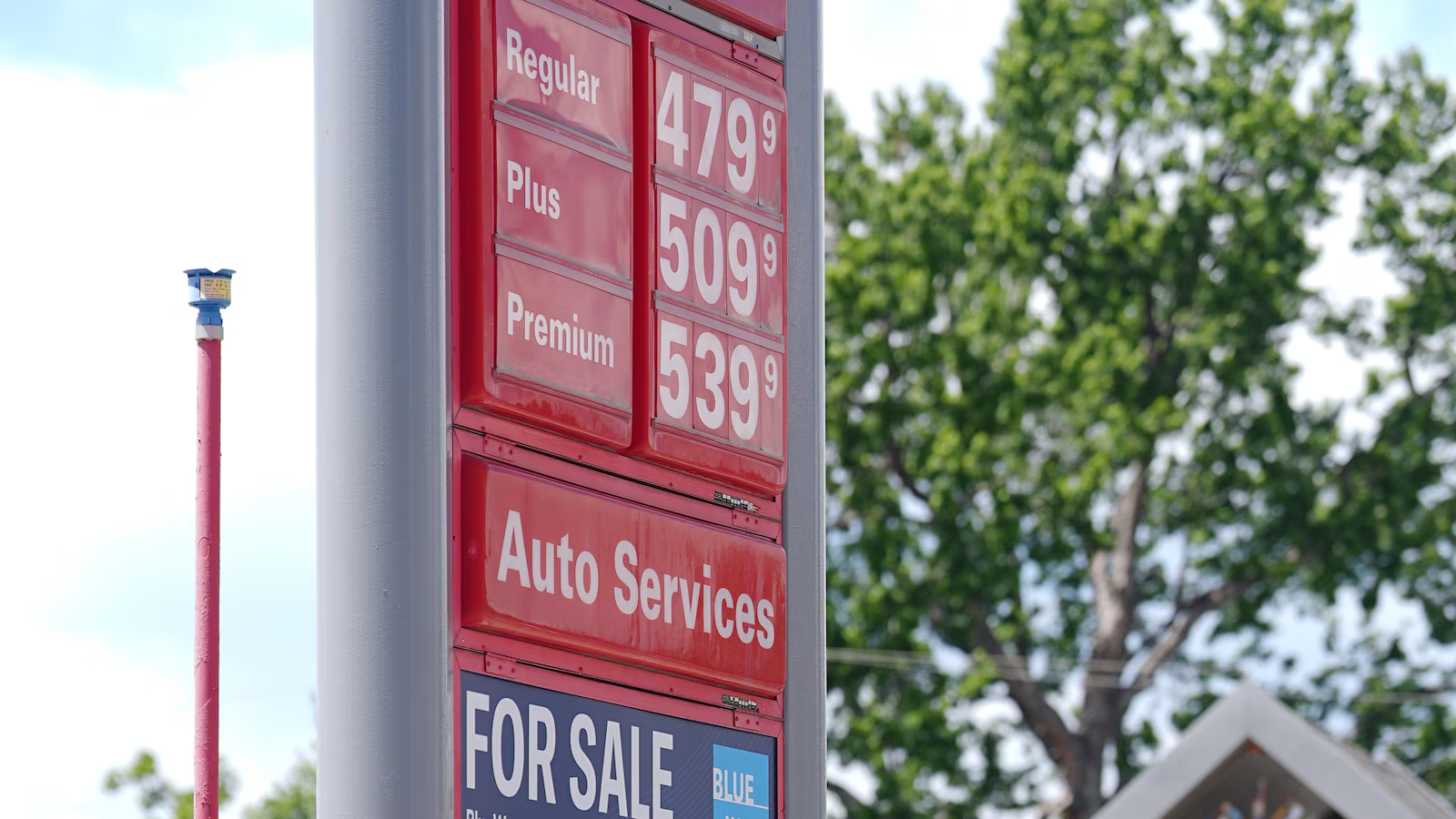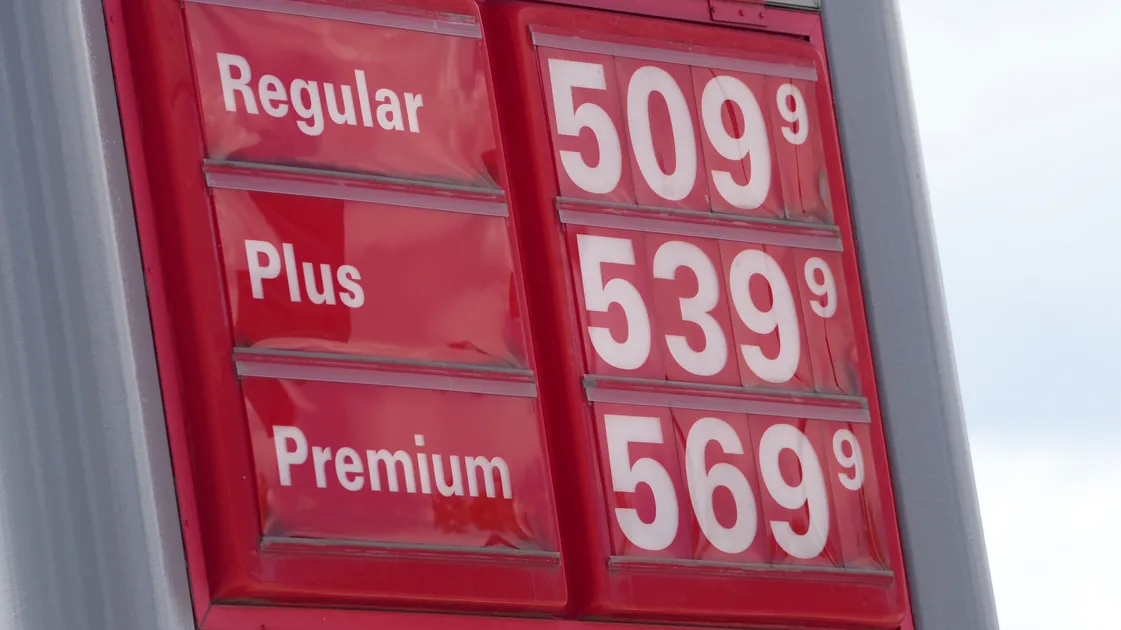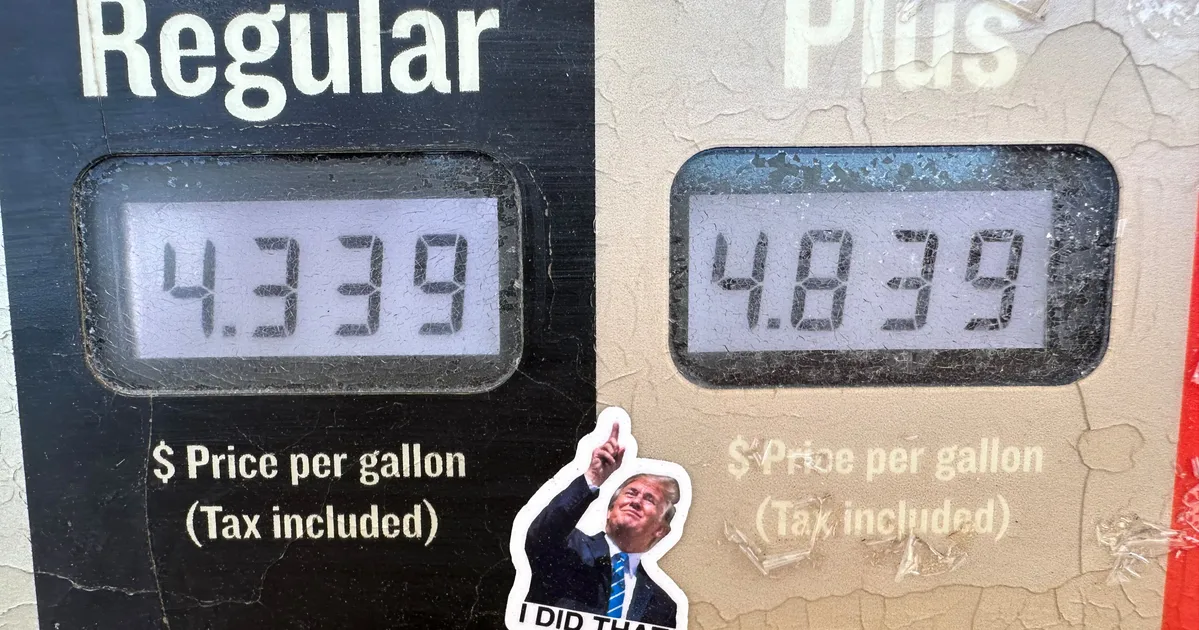
WASHINGTON (AP) — The largest monthly jump in gas prices in six decades caused a sharp spike in inflation in March, creating major challenges for the inflation-fighters at the Federal Reserve and heightening the political challenges of rising costs for the White House.
Consumer prices rose 3.3% in March from a year earlier, the Labor Department said Friday, up sharply from just 2.4% in February and the biggest yearly increase since May 2024. On a monthly basis, prices rose 0.9% in March from February, the largest such increase in nearly four years.
It’s the first read on inflation to capture the effects of the Iran war.
Excluding the volatile food and energy categories, core prices rose 2.6% in March from a year earlier, up from 2.5% in February. But last month core prices rose a modest 0.2%, suggesting that rising gas prices haven’t yet spread to many other categories.
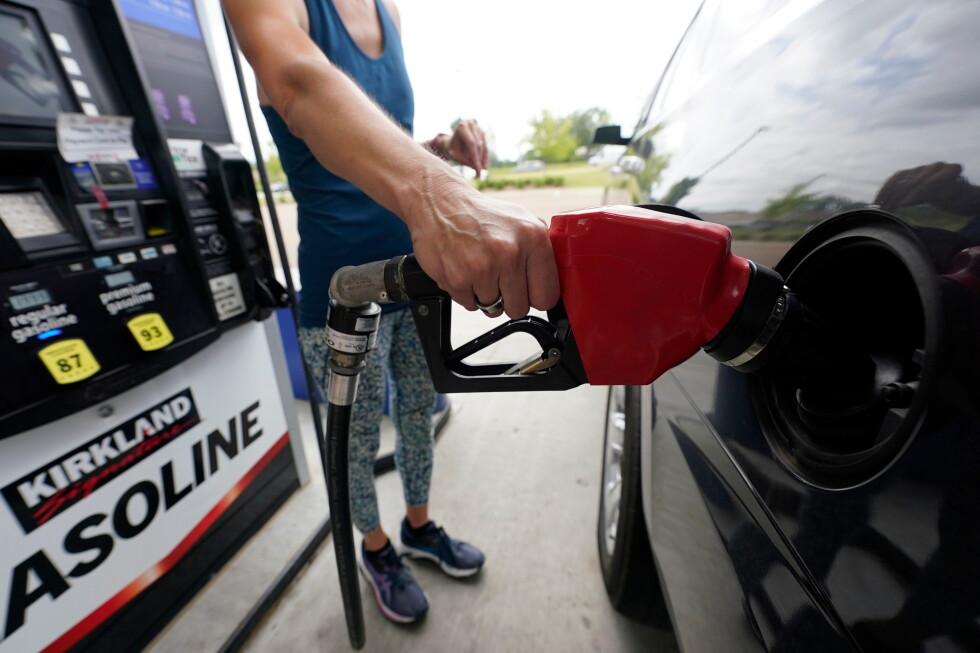
The gas price shock stemming from the Iran war has shifted inflation’s trajectory, from a slow, gradual decline to a sharp increase further away from the Fed’s 2% target. As a result, the central bank will almost certainly postpone any cut in interest rates for months and many Fed officials have said a rate hike may be needed if inflation doesn’t cool. Gas prices are also a highly visible cost that has outsize impacts on consumer confidence and political sentiment.