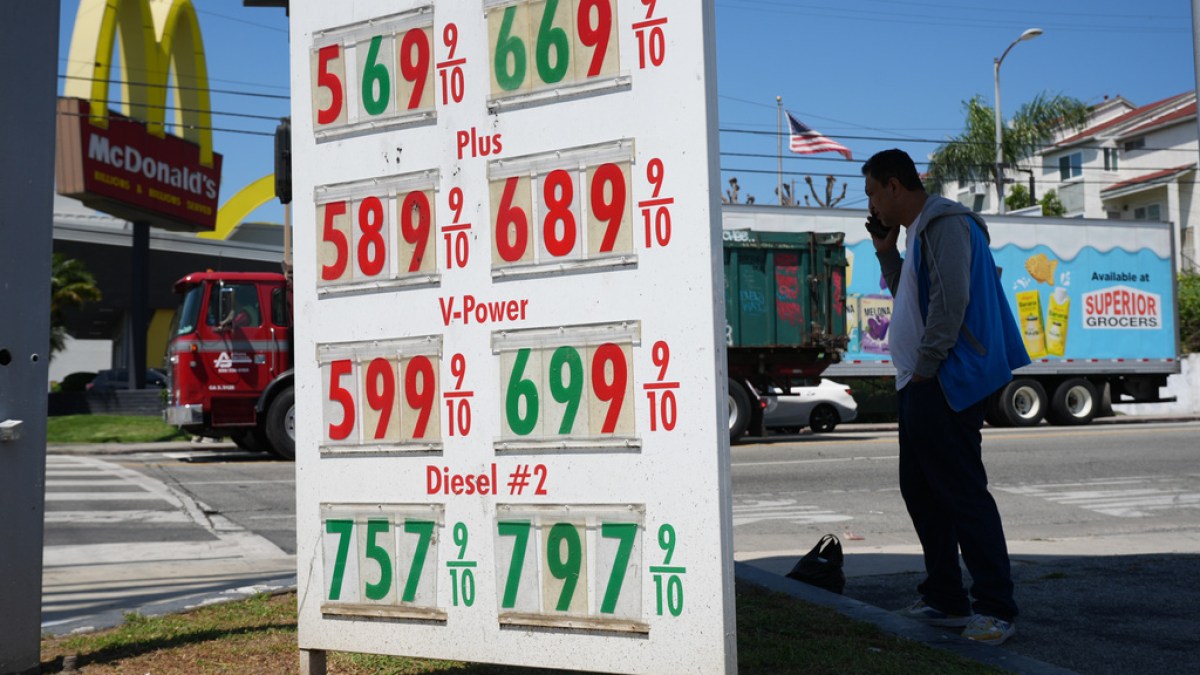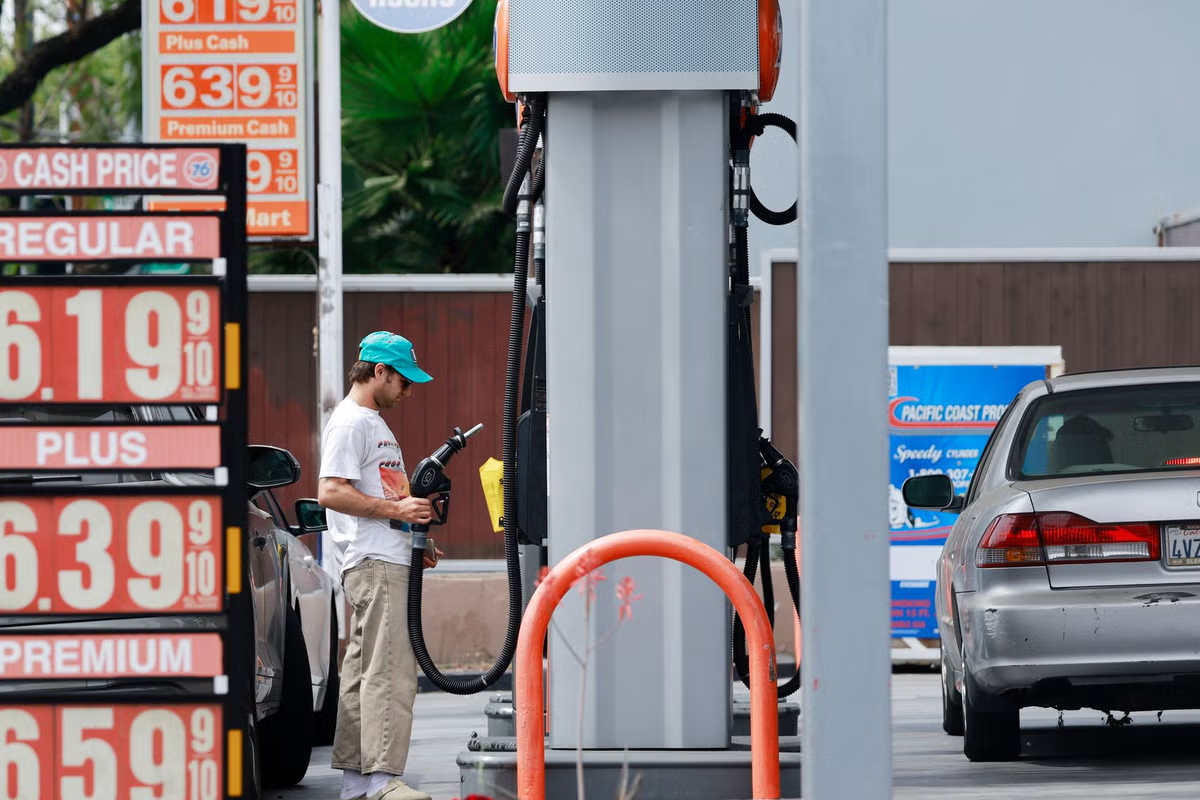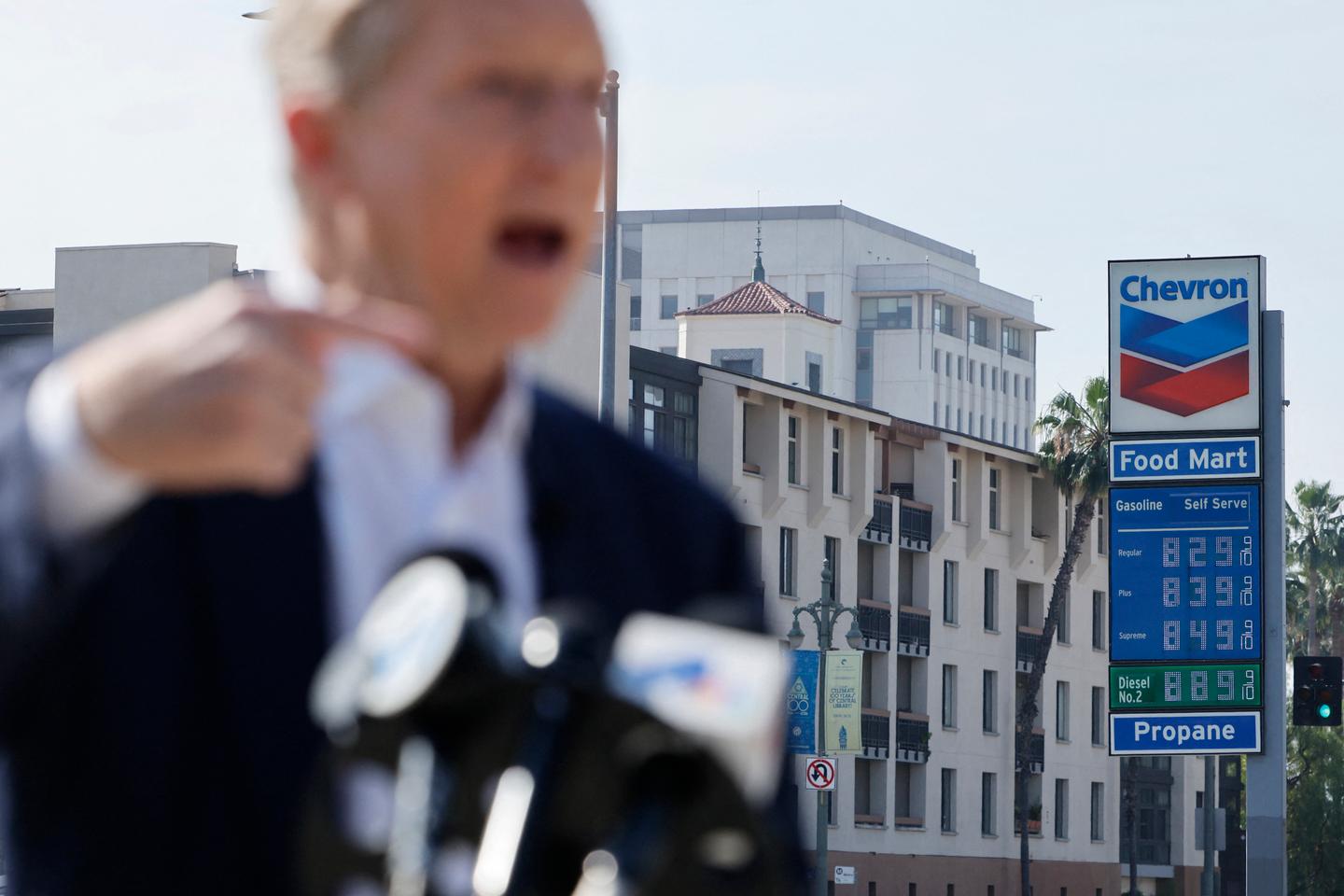
The Democratic candidate for governor of California, Tom Steyer, blamed 'the spike in gasoline prices, a consequence of Trump's war in Iran,' in Los Angeles on April 9, 2026. MARIO TAMA/GETTY IMAGES VIA AFP
The first bill for the conflict in Iran has arrived at the White House, and it is steep. Inflation figures in the US, published on Friday, April 10, by the Bureau of Labor Statistics, jumped by 0.9 percentage points in March compared to February, amounting to a 3.3% year-on-year increase. This was the highest monthly rise since the inflation shock of the summer of 2022, which was linked to the Covid-19 pandemic and the war in Ukraine.
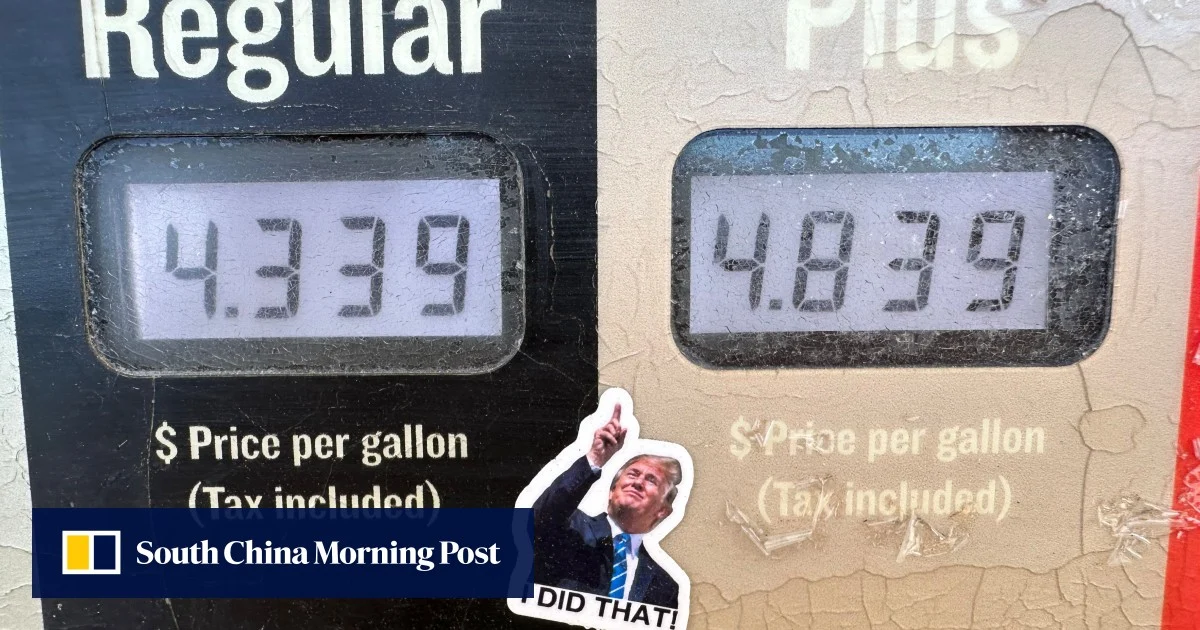
The Republican Donald Trump was elected US president in 2024 largely by denouncing the rising cost of living under his Democratic predecessor, Joe Biden. Fifteen months into his term, his handling of inflation has come under heavy criticism in the US (27% approval, according to a CNN poll published in early April, down 16 points in a year), and the figures released on Friday risk further tarnishing his record on the issue.
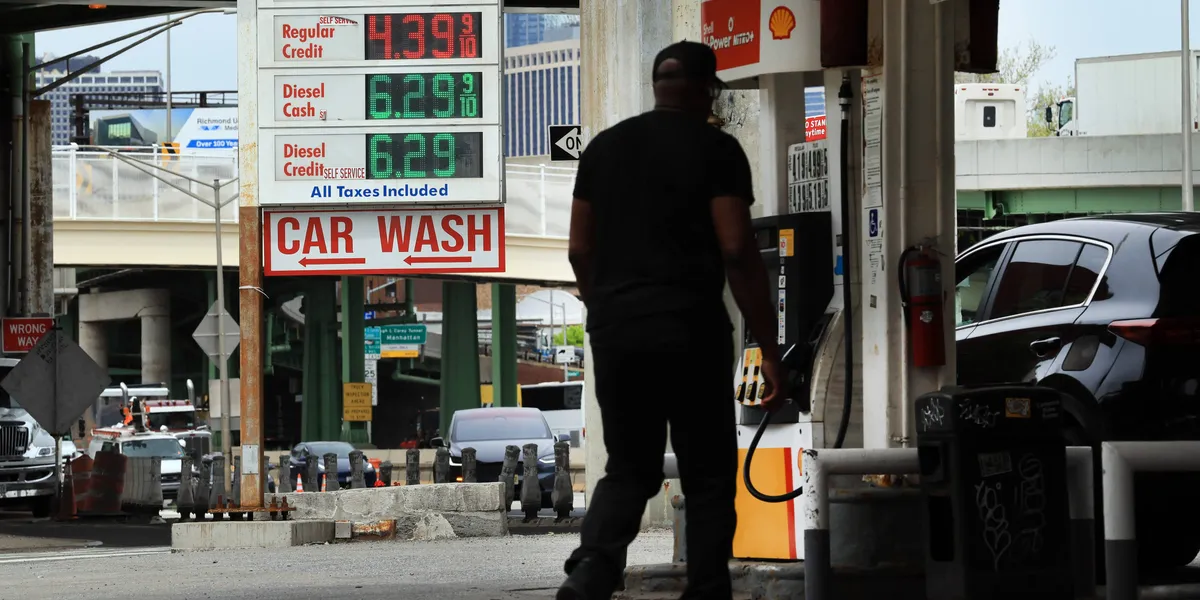
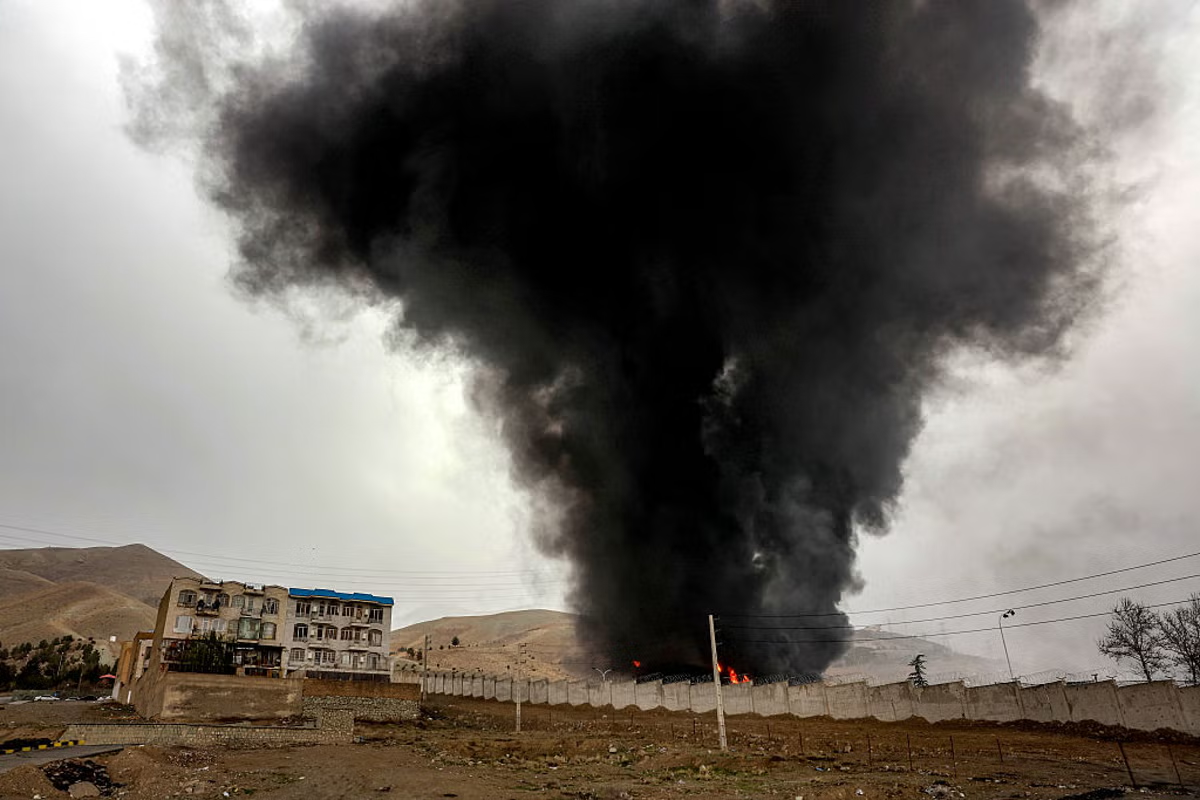
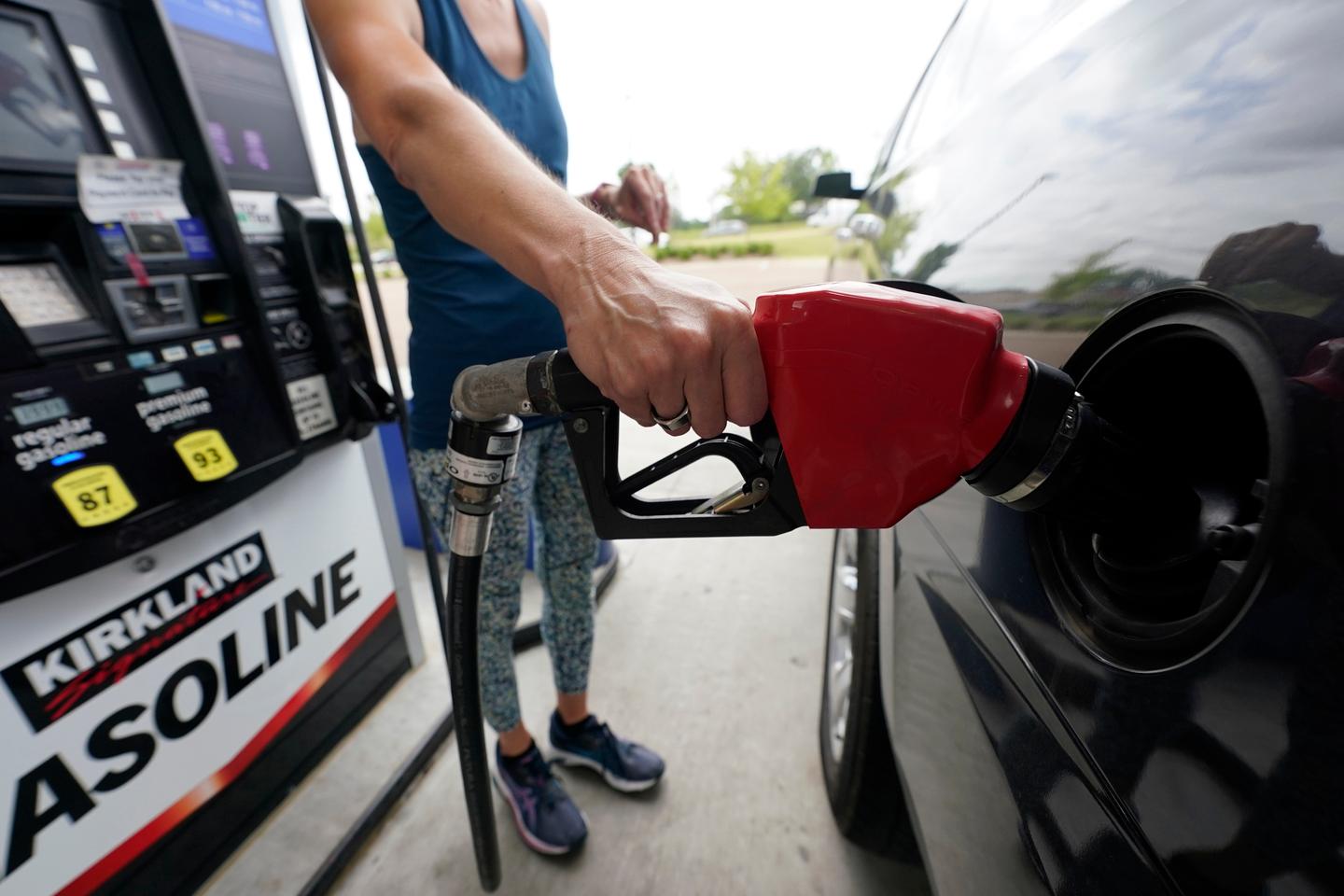
The March surge was driven almost entirely by the increase in energy prices (10.9%), caused by the conflict in the Middle East and the six-week closure of the Strait of Hormuz, through which about 20% of the world's oil and liquefied natural gas trade from Gulf countries normally passes. This reduction in available supply pushed the price of a barrel of crude oil to around $100, a level not seen since Russia's invasion of Ukraine in February 2022.