Consumer prices spiked in March as the Iran war sent energy costs soaring and took the Federal Reserve further from its inflation target, according to a Bureau of Labor Statistics reported Friday. Underlying inflation, however, was relatively tame.
The consumer price index increased a seasonally adjusted 0.9% for the month, putting the annual inflation rate at 3.3%, pushed by a 10.9% surge in energy costs. Both numbers were in line with the Dow Jones consensus. The annual rate was the highest since April 2024 and up from 2.4% in February.
However, excluding food and energy, core prices rose much less – just 0.2% for the month and 2.6% from a year ago, both 0.1 percentage point below forecast, indicating that underlying inflation was more contained. There even were even pockets of outright price declines, as medical care, personal care, and used cars and trucks all fell during the month.
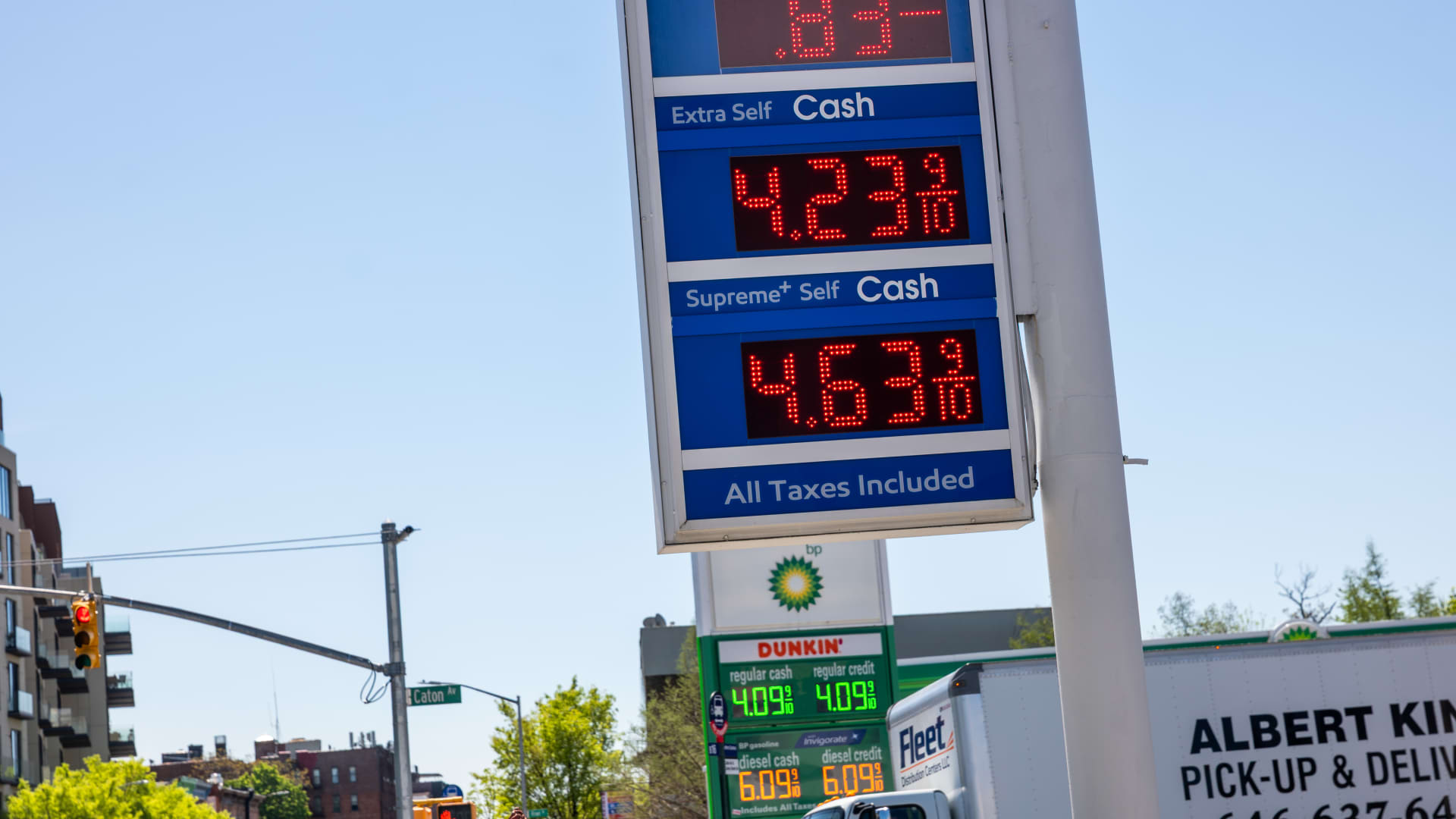
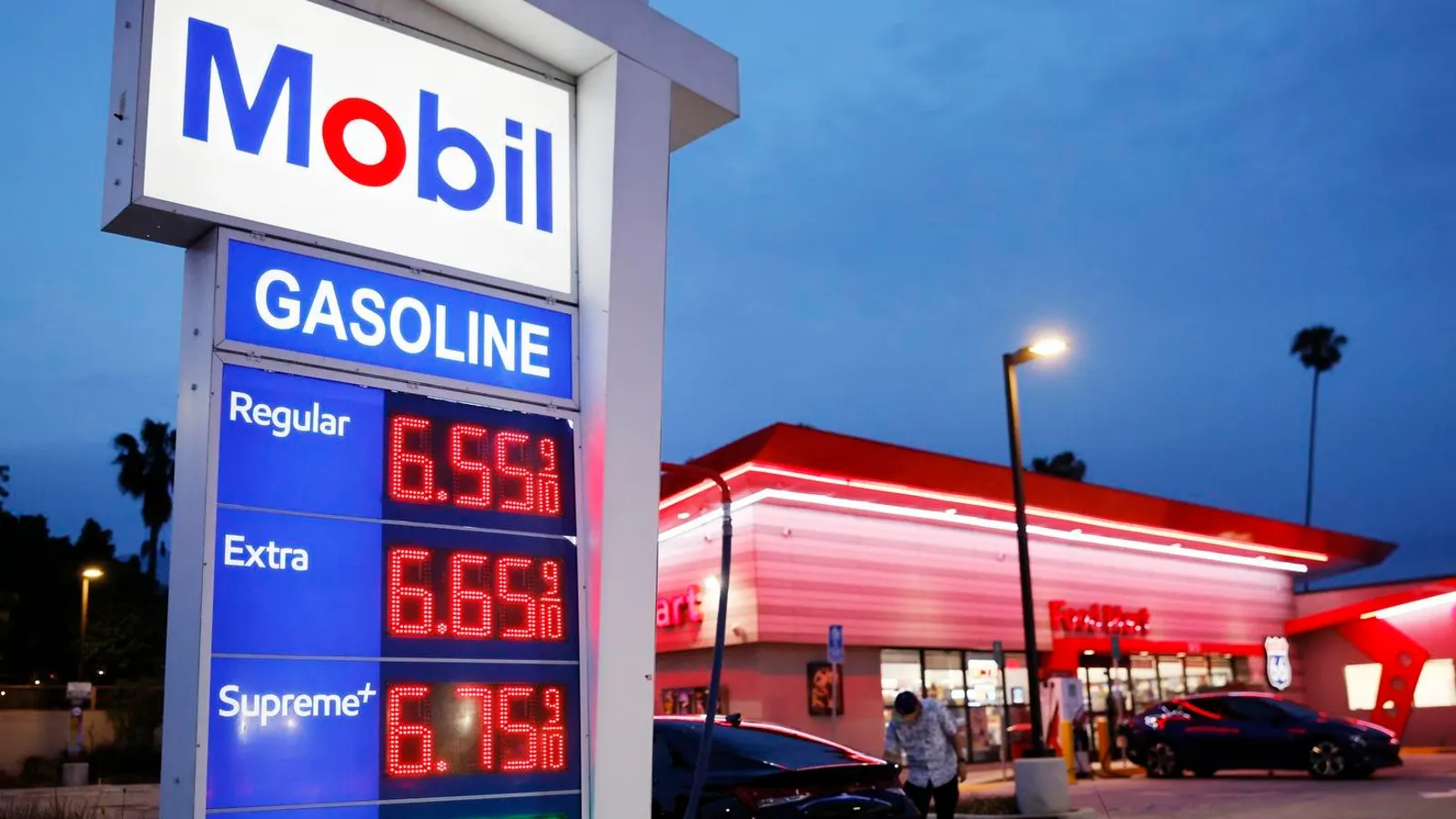
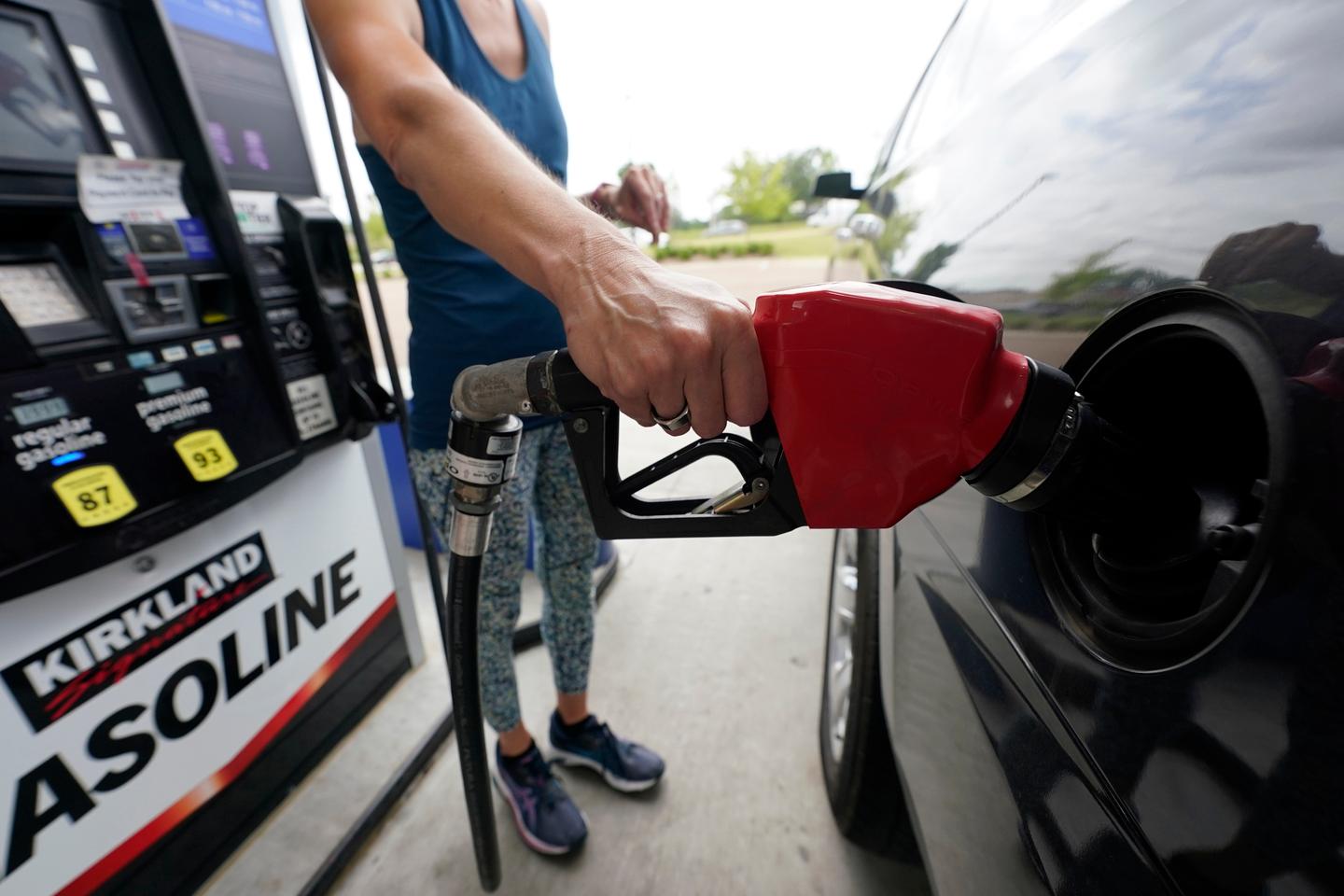
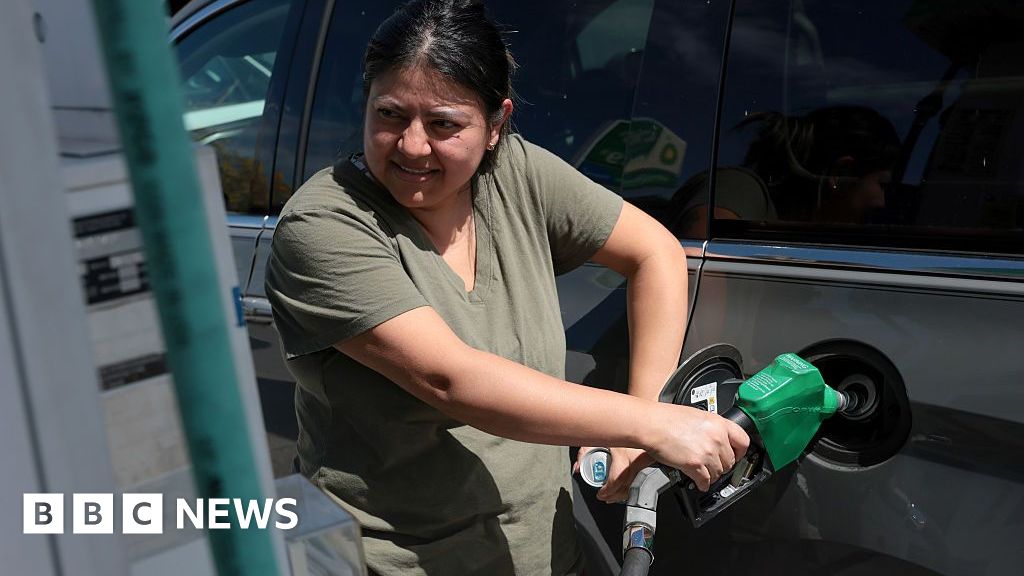
The Iran conflict was the story for the monthly inflation reading, as gasoline soared 21.2%, accounting for nearly three-quarters of the headline price increase, according to the BLS.
Energy prices have moderated in April, since a cease-fire between the U.S. and Iran that has established a tenuous peace in fighting that began at the end of February. Fed officials then could look through the March spike and concentrate more on the underlying path of inflation, which has remained above target for five years.