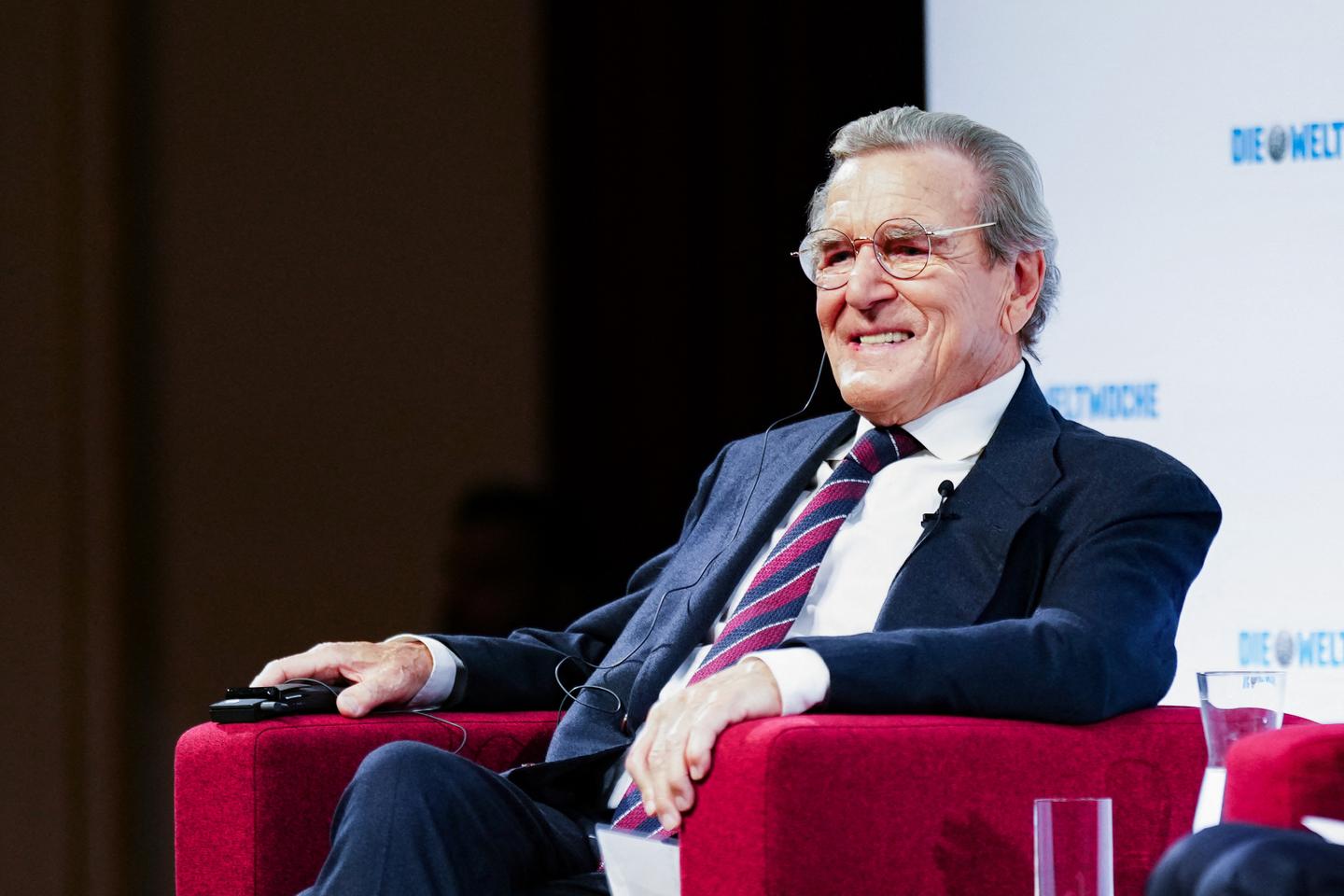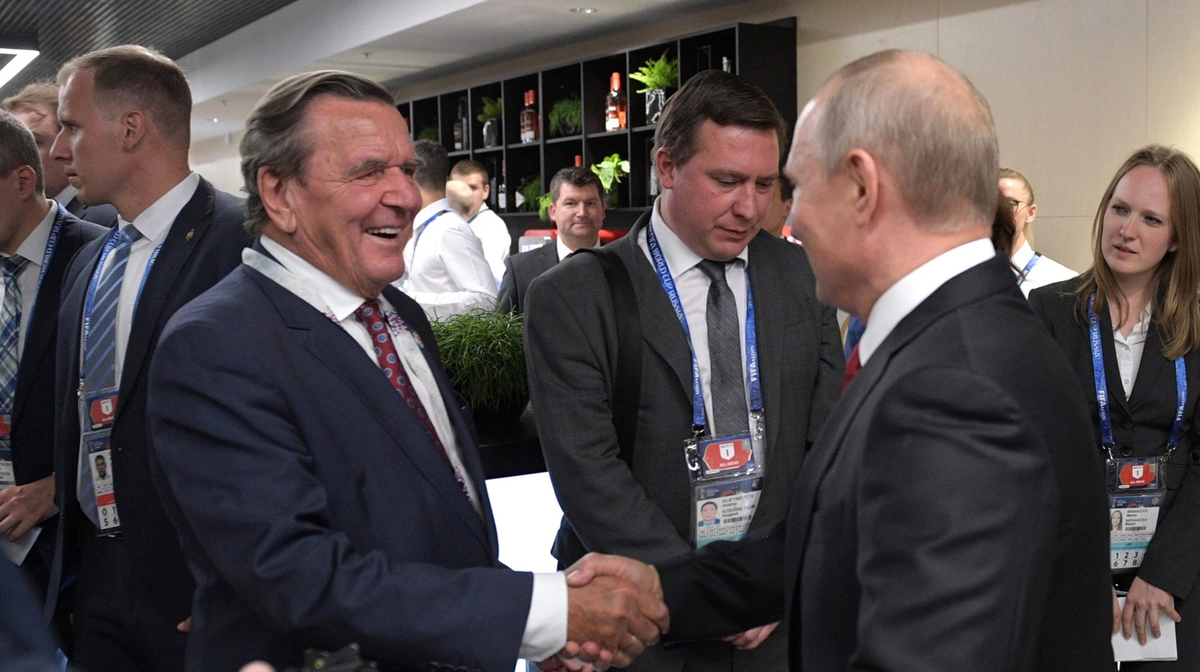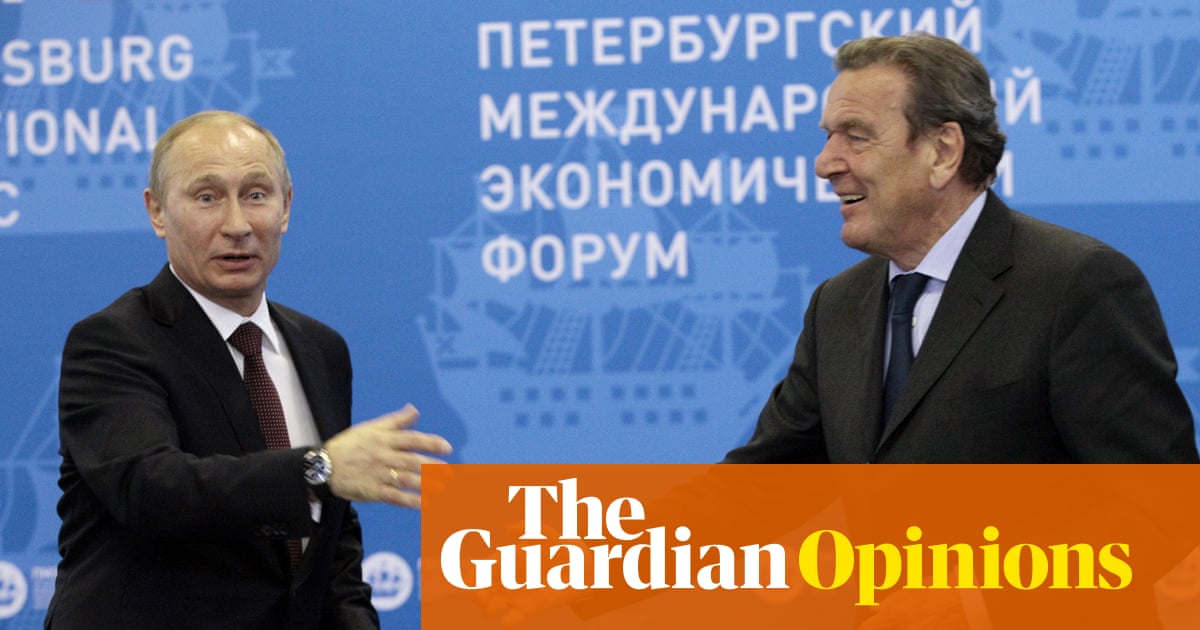
The former chancellor was the chief architect of Germany’s dependence on Russian fossil fuels and cuts to defence spending. Both haunt the country today
T
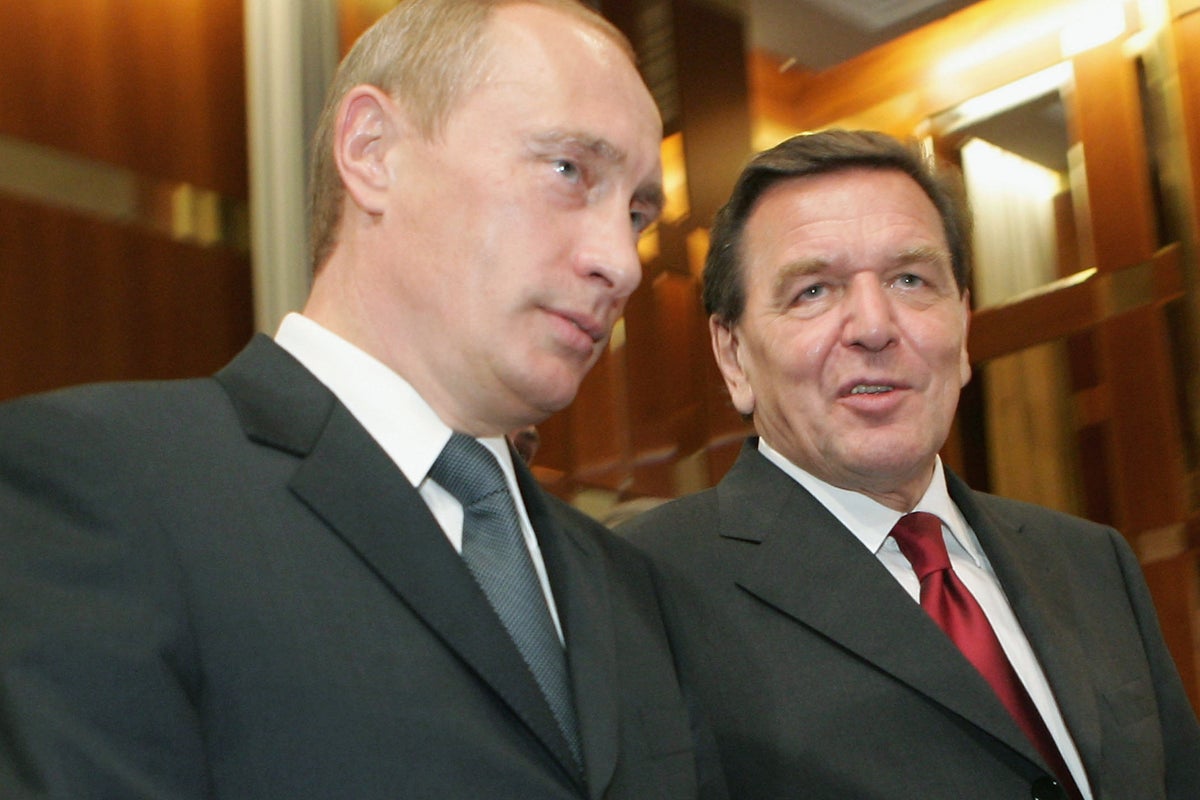
he former German chancellor, Gerhard Schröder, is enjoying a curious political revival. Not so long ago, his reputation seemed in tatters. In light of the full-scale invasion of Ukraine, many came to regard his longstanding ties to Russia and personal friendship with Vladimir Putin as self-serving. Fellow Social Democrats (SPD) tried to expel him from the party, and as recently as last year the government defunded the ex-chancellor’s office.
And yet a veritable Schröder nostalgia is now seeping into German political discourse, a phenomenon that’s less to do with a reappraisal of his chancellorship than with a desperate identity crisis on the centre-left.
Schröder’s ears must be burning non-stop at the moment. His name is everywhere. The latest trigger came last week when the current German vice-chancellor and co-chair of the SPD, Lars Klingbeil, spoke about an ambitious package of reforms to “modernise” the country. This included some economically liberal, and therefore rather un-SPD-like, demands, such as reducing state subsidies and increasing incentives for people to work more. The last SPD man to introduce a controversial package of pro-business reforms was Schröder, with his sweeping and highly contentious “Agenda 2010”. So the press ran with the theme.