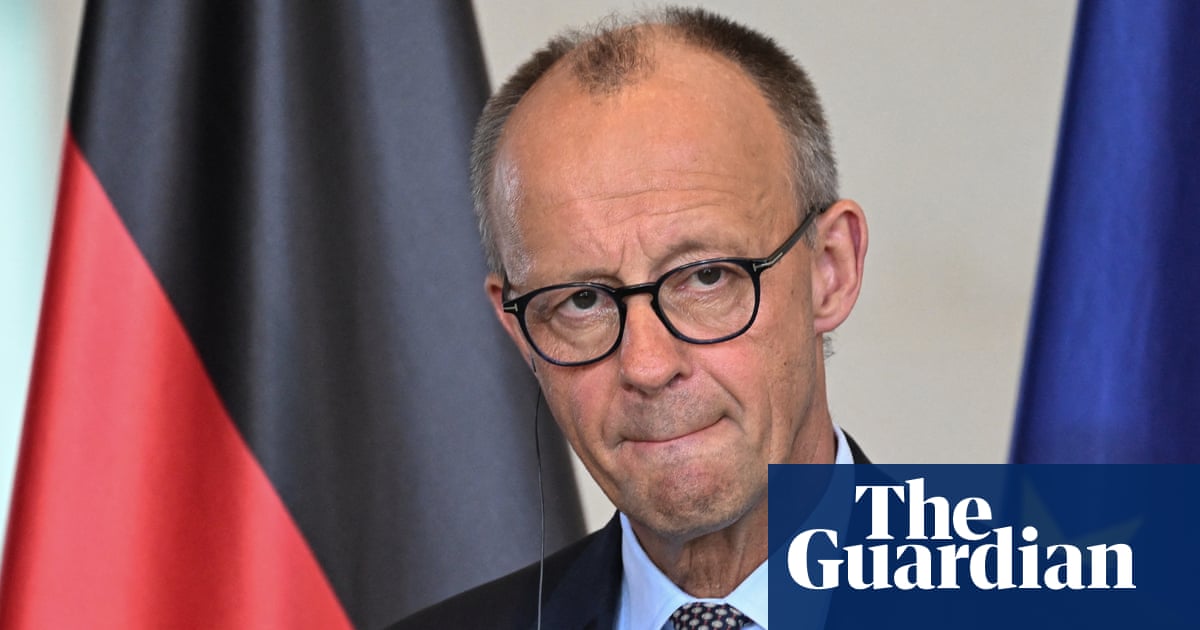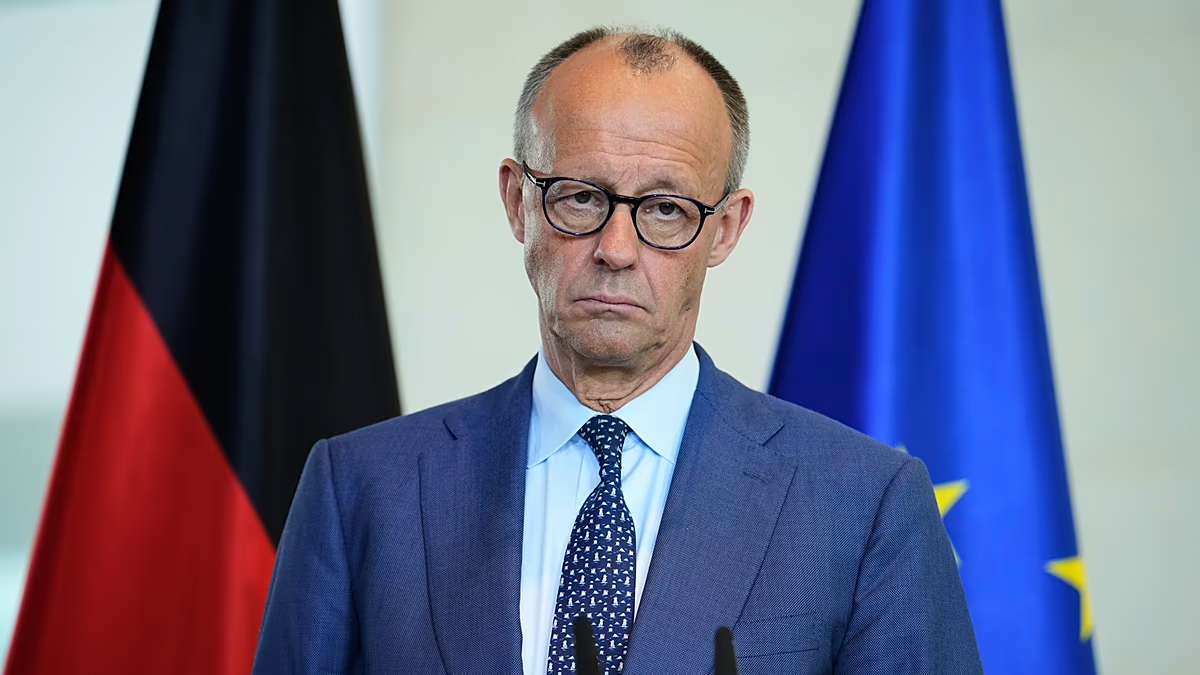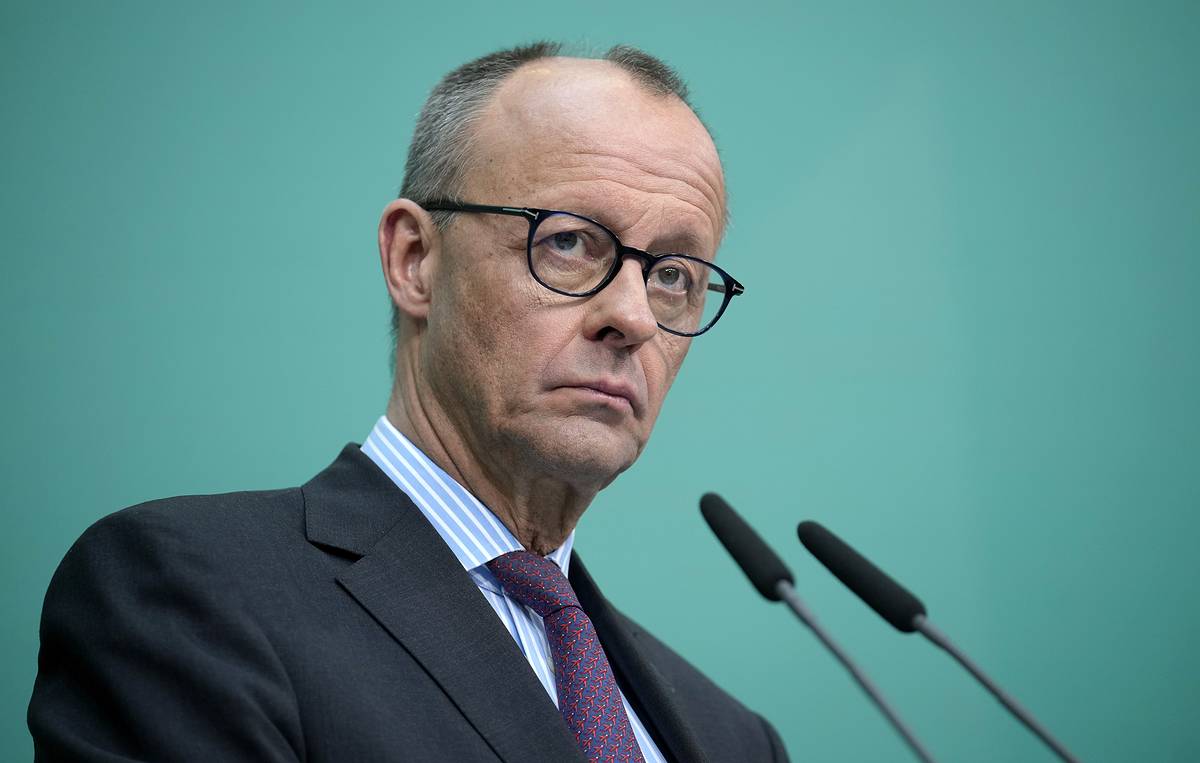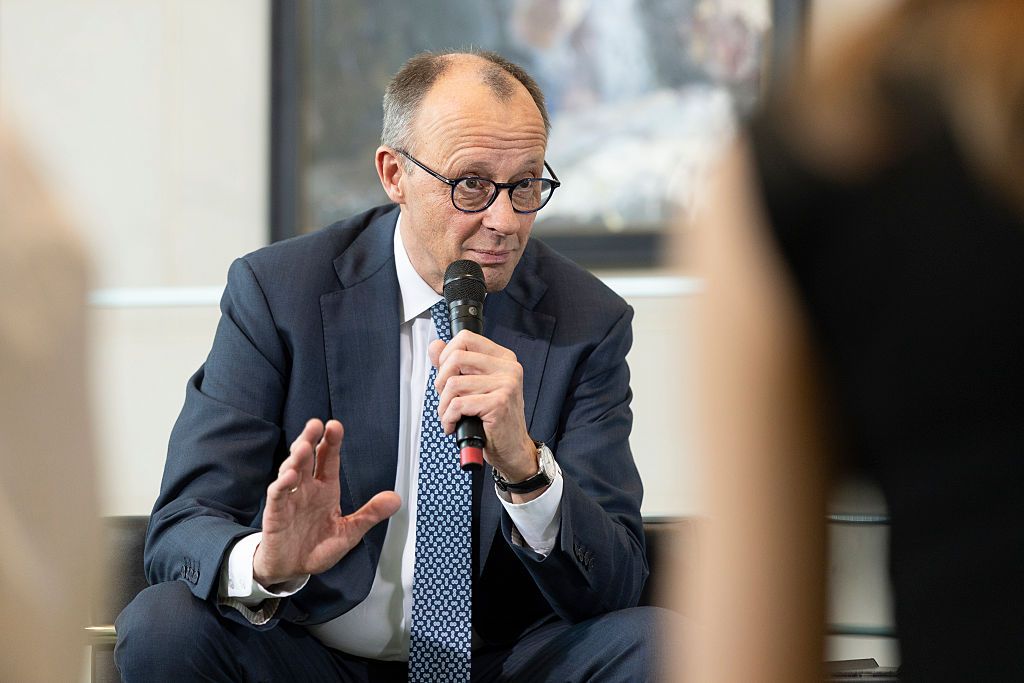
The chancellor is pursuing a risky quest for European leadership, and last week’s setback over Russian reparations is unlikely to knock him off course
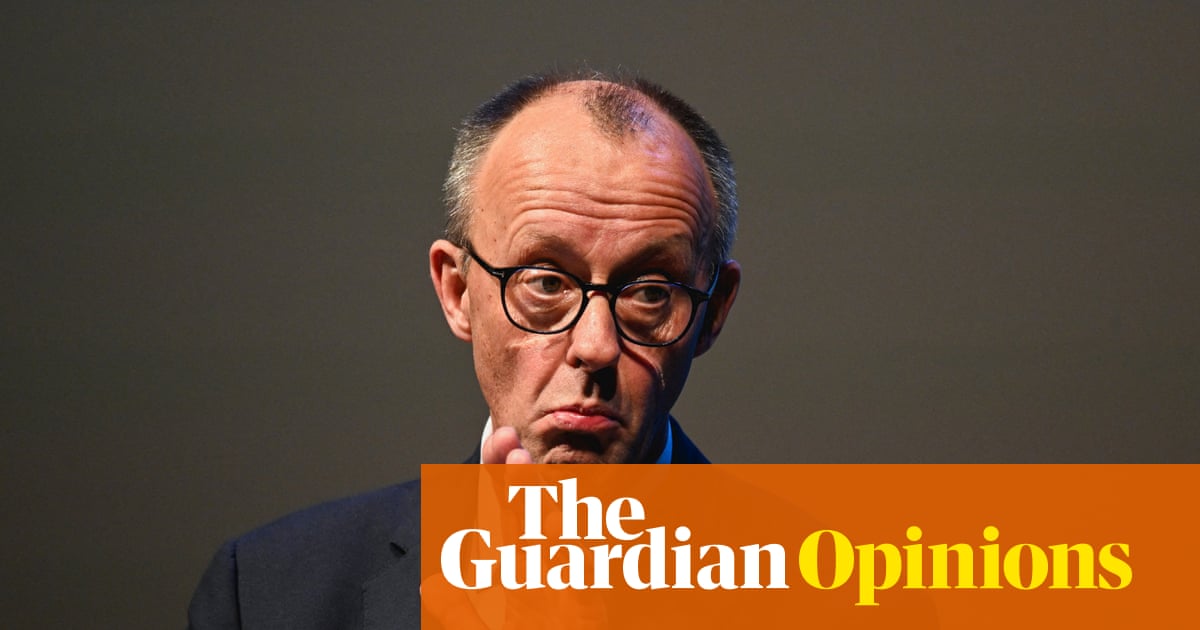
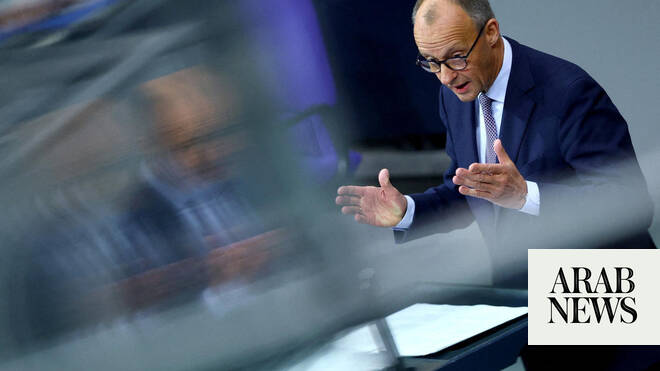
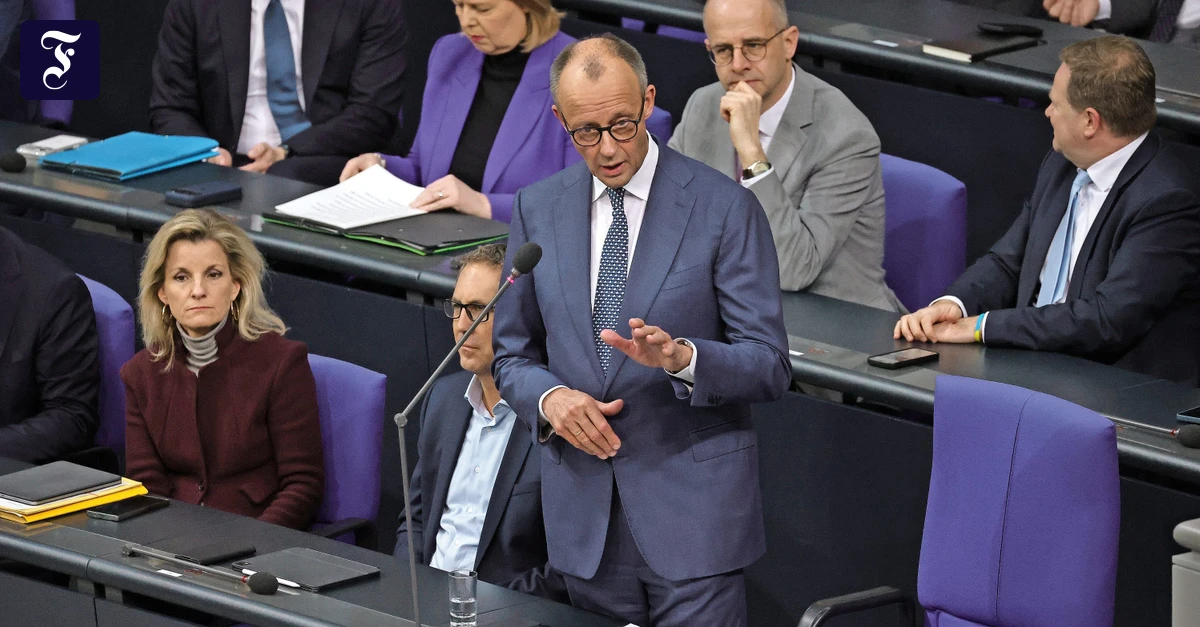
Friedrich Merz’s three-month bid to catapult Germany into the role of undisputed leader of Europe has come unstuck.
His call for Europe to hand Ukraine access to €201bn (£176bn) in frozen Russian central bank assets via a reparations loan was rejected at a decisive European Council meeting in Brussels.
Instead, Ukraine is to be given a €90bn interest-free loan, backed by the EU’s collective budget, covering two-thirds of what Ukraine will need between 2026-27. Merz had been unable to break the resistance of Belgium, which said the raid on the Russian funds, stored mainly in Brussels-based Euroclear, was unlawful. Opposition had also come from France and Italy, who both insisted they would not cover the cost of indemnifying Belgium against legal claims.
Going into the summit, Merz had insisted using the Russian assets was the only option, and the defining test of Europe’s ability to act decisively in its own interest. His strong advocacy of using the Russian assets had been a remarkable personal volte-face. As recently as August, he said he feared the measure might discourage other central banks from holding euro-denominated assets.